Conserve in situ and sustainably use globally important agrobiodiversity (ABD) through the preservation of traditional farming systems, integrated management of forests, land resources and the maintenance of ecosystem services.
September 27, 2018
June 30, 2024
$ 9.227.214,00
Operational Partner
Partnership for international cooperation in which 183 countries work together with international institutions, civil society organizations and the private sector to address global environmental problems.
With the support of:
MIDAGRI, MINAM, GORE Huancavelica, GORE Apurimac GORE Cusco, GORE Puno, GORE Arequipa, Municipality of Atiquipa, National Association of Organic Producers (ANPE), the Peruvian Agroecological Consortium (CAP), Profonanpe and FAO.
In collaboration with MIDAGRI, MINAM, GORE Huancavelica, GORE Apurimac, GORE Cusco, GORE Puno, GORE Arequipa, Municipality of Atiquipa, National Association of Organic Producers (ANPE), the Peruvian Agroecological Consortium (CAP), Profonanpe and FAO.

The Ministry of Environment promotes the conservation and sustainable use of natural resources, the enhancement of biological diversity and environmental quality for the benefit of people and the environment.

We promote the sustainable use of forest and wildlife resources through productive ventures and investments under criteria of environmentally responsible and sustainable economic and social development and a productive conservation approach oriented towards sustainable use and proper treatment.

The Food and Agriculture Organization (FAO) is a specialized agency of the United Nations that leads international efforts to overcome hunger.

Profonanpe is Peru's environmental fund that provides innovative alternatives for environmental protection and sustainable development.
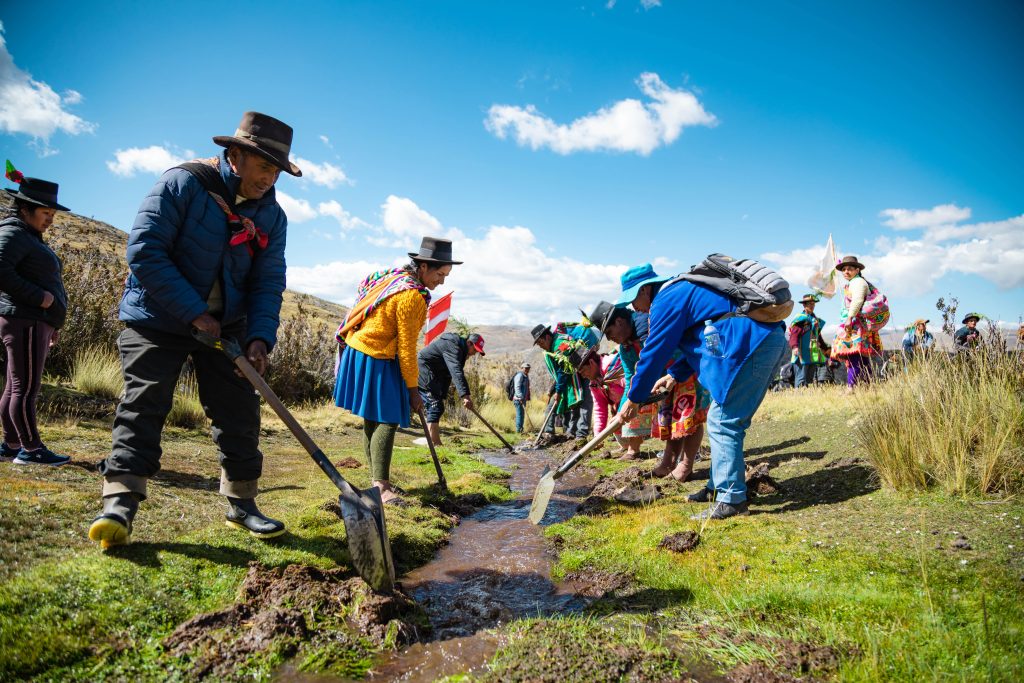
Quechua and Aymara population.
Strengthening partnerships in market management.
The pilot experience of short agri-food chains was implemented in Cuzco and the AgroBio brand was created, as a response to the effects of the pandemic.
Diagnosis of the 5 regions to initiate the ZEE processes.
He hired Yachachiqs to strengthen capacities in each region.
Sending food remittances from agrobiodiversity in the context of the pandemic "Apachikuy".
He implemented family seed banks.
72 peasant communities in the intervention area work with 226 native varieties of 10 crops at risk.
Incorporation of ABD products and the Agrobío brand into the PNAEQW as a pilot experience.
Organization of the Young Farmers Network in the five regions.
Presentation of file for the recognition of the Designation of Origin of the Negra Qollana variety, by the Central of Quechua and Aymara Cooperatives.
Creation of the Association of Producers of Agrobiodiversity of Peru – APROAGRO who will own the AGROBIO brand.
SIAR platform design and new version of SINIA completed.
Recognition of the Municipal Environmental Commissions (CAM) of Lares, Acora, Huayana, Laria and Atiquipa, Tumayhuaraca and San Miguel de Chacrampa through municipal ordinances.
27 producer associations linked to local and national markets with the Agrobio brand participate in the Kusikuy fairs, regional fairs, and the Kusikuy app.
11,410 families from 72 communities apply integrated management practices for the management of ABD.
251,016.85 productive hectares under sustainable management by the ABD.
The conservation and management conditions of 38 native crops have been improved across 13,742 hectares.
The MR goals related to ECAs, seed banks, remuneration for the conservation of agrobiodiversity (RESCA), market-linked partnerships (30), the establishment of a Youth Network for Agrobiodiversity (RJA), designed public investment projects (PIP), and the strengthening of the ABD Technical Group have been completed.
Process of recognizing the ABD conservation zones of Cotahuasi, Apurimac and Cusco, as well as the conservation agreements for ecosystem services in the communities that are part of the project.
2,237 people directly benefited and 11,185 indirectly benefited in 72 rural communities in 5 regions.
422,494 hectares of forest restored and/or sustainably managed.
Conservation of 45 crops and implementation of 40 family seed banks and 04 at the community level.
488,085 hectares of production landscape areas under sustainable management.
3 ABD Zones recognized with Ministerial Resolution: Laria, Cotahuasi and Andahuaylas.
Strengthening partnerships in market management.
The pilot experience of short agri-food chains was implemented in Cuzco and the AgroBio brand was created, as a response to the effects of the pandemic.
Diagnosis of the 5 regions to initiate the ZEE processes.
He hired Yachachiqs to strengthen capacities in each region.
Sending food remittances from agrobiodiversity in the context of the pandemic "Apachikuy".
He implemented family seed banks.
72 peasant communities in the intervention area work with 226 native varieties of 10 crops at risk.
Incorporation of ABD products and the Agrobío brand into the PNAEQW as a pilot experience.
Organization of the Young Farmers Network in the five regions.
Presentation of file for the recognition of the Designation of Origin of the Negra Qollana variety, by the Central of Quechua and Aymara Cooperatives.
Creation of the Association of Producers of Agrobiodiversity of Peru – APROAGRO who will own the AGROBIO brand.
SIAR platform design and new version of SINIA completed.
Recognition of the Municipal Environmental Commissions (CAM) of Lares, Acora, Huayana, Laria and Atiquipa, Tumayhuaraca and San Miguel de Chacrampa through municipal ordinances.
27 producer associations linked to local and national markets with the Agrobio brand participate in the Kusikuy fairs, regional fairs, and the Kusikuy app.
11,410 families from 72 communities apply integrated management practices for the management of ABD.
251,016.85 productive hectares under sustainable management by the ABD.
The conservation and management conditions of 38 native crops have been improved across 13,742 hectares.
The MR goals related to ECAs, seed banks, remuneration for the conservation of agrobiodiversity (RESCA), market-linked partnerships (30), the establishment of a Youth Network for Agrobiodiversity (RJA), designed public investment projects (PIP), and the strengthening of the ABD Technical Group have been completed.
Process of recognizing the ABD conservation zones of Cotahuasi, Apurimac and Cusco, as well as the conservation agreements for ecosystem services in the communities that are part of the project.
2,237 people directly benefited and 11,185 indirectly benefited in 72 rural communities in 5 regions.
422,494 hectares of forest restored and/or sustainably managed.
Conservation of 45 crops and implementation of 40 family seed banks and 04 at the community level.
488,085 hectares of production landscape areas under sustainable management.
3 ABD Zones recognized with Ministerial Resolution: Laria, Cotahuasi and Andahuaylas.
We are transparent. We want to hear from you.
© Copyright 2020 Profonanpe. All rights reserved.
Made withby Manya.pe