Creation of a biobusiness model based on solar energy to improve productivity in the Peruvian Amazon

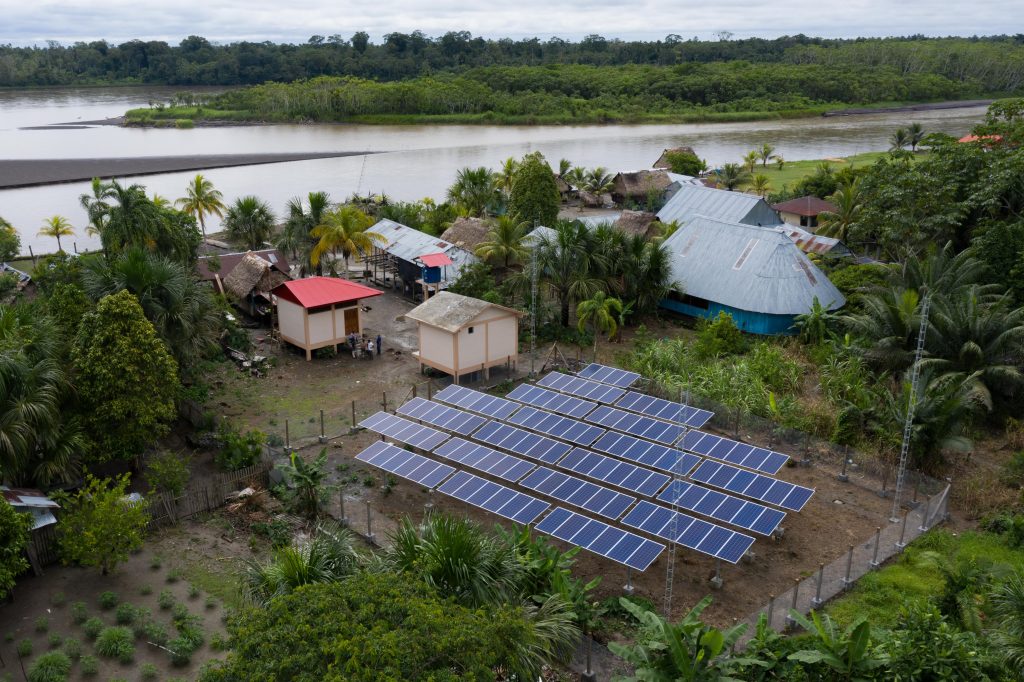
Establish a biocommerce model based on solar energy in the province of Datem del Marañón.

Start:

December 22, 2017

Culmination:

February 28, 2022

Financing

US$ 600,000

Role of Profonanpe:

Executor and administrator

Entities
contributors:

180-AGENCIA-DE-COOPERACIÓN-INTERNACIONAL-DE-COREA

Korea International Cooperation Agency (KOICA)

The Korea International Cooperation Agency - KOICA is a government agency in charge of implementing and managing the Korean government's non-reimbursable financial cooperation for partner countries.

Entities
implementing agencies:

LOGOS-1

Profonanpe

Profonanpe is Peru's environmental fund that provides innovative alternatives for environmental protection and sustainable development.

Location:

Loreto

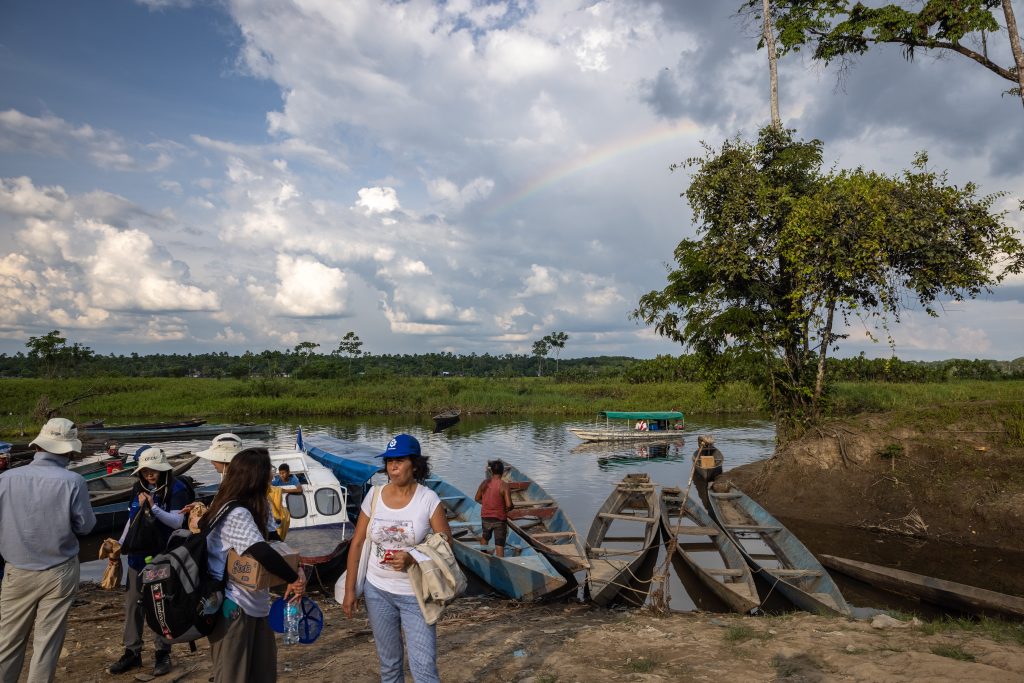
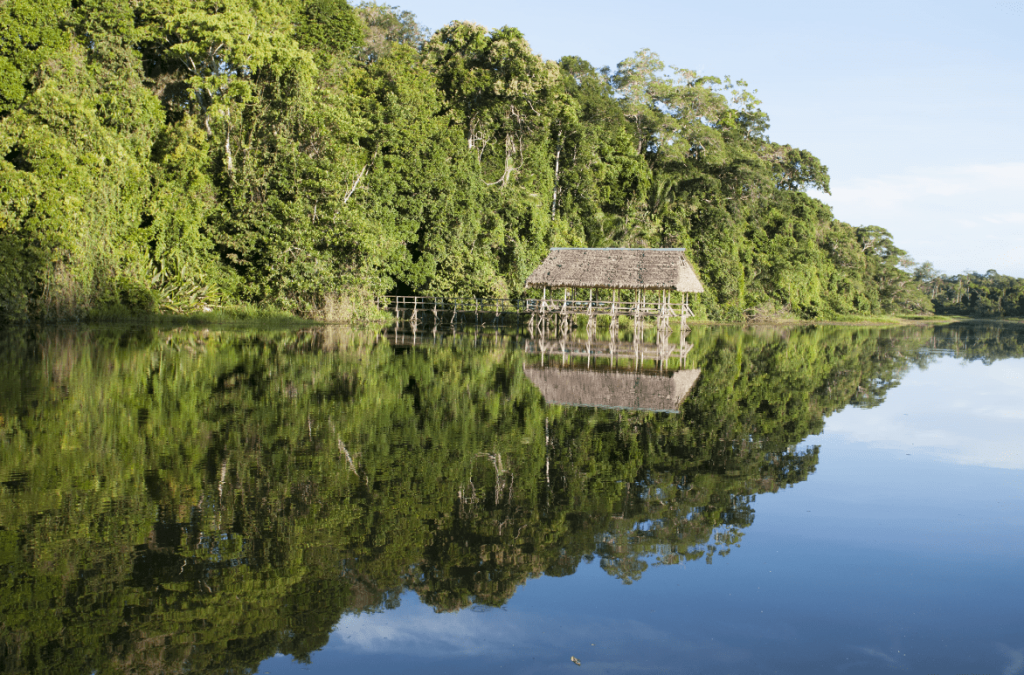
Cuenca Amazónica, in the province of Datem del Marañón, in the Loreto region; and its direct intervention is in the indigenous communities of Musa Karusha and San Fernando, both belonging to the Kandozi people.

Partners/Allies in the territory:

More than 3,000 direct and indirect beneficiaries, dedicated to the fishing and commercialization of Amazonian fish.

More achievements
important to date

With an investment of more than US$700 thousand, of which the Korea International Cooperation Agency (KOICA) financed 59% of the budget and the Green Climate Fund (GCF) 41%.

Two ice plants with photovoltaic energy were implemented for the Katinbashi (CCNNN Musa Karusha) and Kachispani (CCNNN San Fernando) associations, which from January to December 2021 had a cumulative photovoltaic energy production of 26.94 MWh/year.

Cumulative ice production from January to December 2021 amounted to 103,492 kilograms, of which 58% was produced by the Katinbashi Association and 42% by the Kachispani Association.

The demand for ice from the Katinbashi and Kachispani associations was 103,492 kilos. In a scenario without the project this would translate to S/115,171 (US$30,308); however, with the project this amount of ice cost S/15,257 (US$4,015), which represents a savings of S/99,913 (US$26,293) for both associations. Therefore, production costs, in 2021, have been reduced by 87%.

Ten workshops were developed for each association, focusing on the operation and maintenance of the ice plants and the photovoltaic system, as well as the harvesting and post-harvesting of Amazonian fish. In addition, handling, marketing and management of ice production. All this was attended by 412 participants, of which 15% were women and 85% were men.

With an investment of more than US$700 thousand, of which the Korea International Cooperation Agency (KOICA) financed 59% of the budget and the Green Climate Fund (GCF) 41%.

Two ice plants with photovoltaic energy were implemented for the Katinbashi (CCNNN Musa Karusha) and Kachispani (CCNNN San Fernando) associations, which from January to December 2021 had a cumulative photovoltaic energy production of 26.94 MWh/year.

Cumulative ice production from January to December 2021 amounted to 103,492 kilograms, of which 58% was produced by the Katinbashi Association and 42% by the Kachispani Association.

The demand for ice from the Katinbashi and Kachispani associations was 103,492 kilos. In a scenario without the project this would translate to S/115,171 (US$30,308); however, with the project this amount of ice cost S/15,257 (US$4,015), which represents a savings of S/99,913 (US$26,293) for both associations. Therefore, production costs, in 2021, have been reduced by 87%.

Ten workshops were developed for each association, focusing on the operation and maintenance of the ice plants and the photovoltaic system, as well as the harvesting and post-harvesting of Amazonian fish. In addition, handling, marketing and management of ice production. All this was attended by 412 participants, of which 15% were women and 85% were men.

Let's talk about you, your organization, your idea, or your project

We're transparent. We want to hear from you.