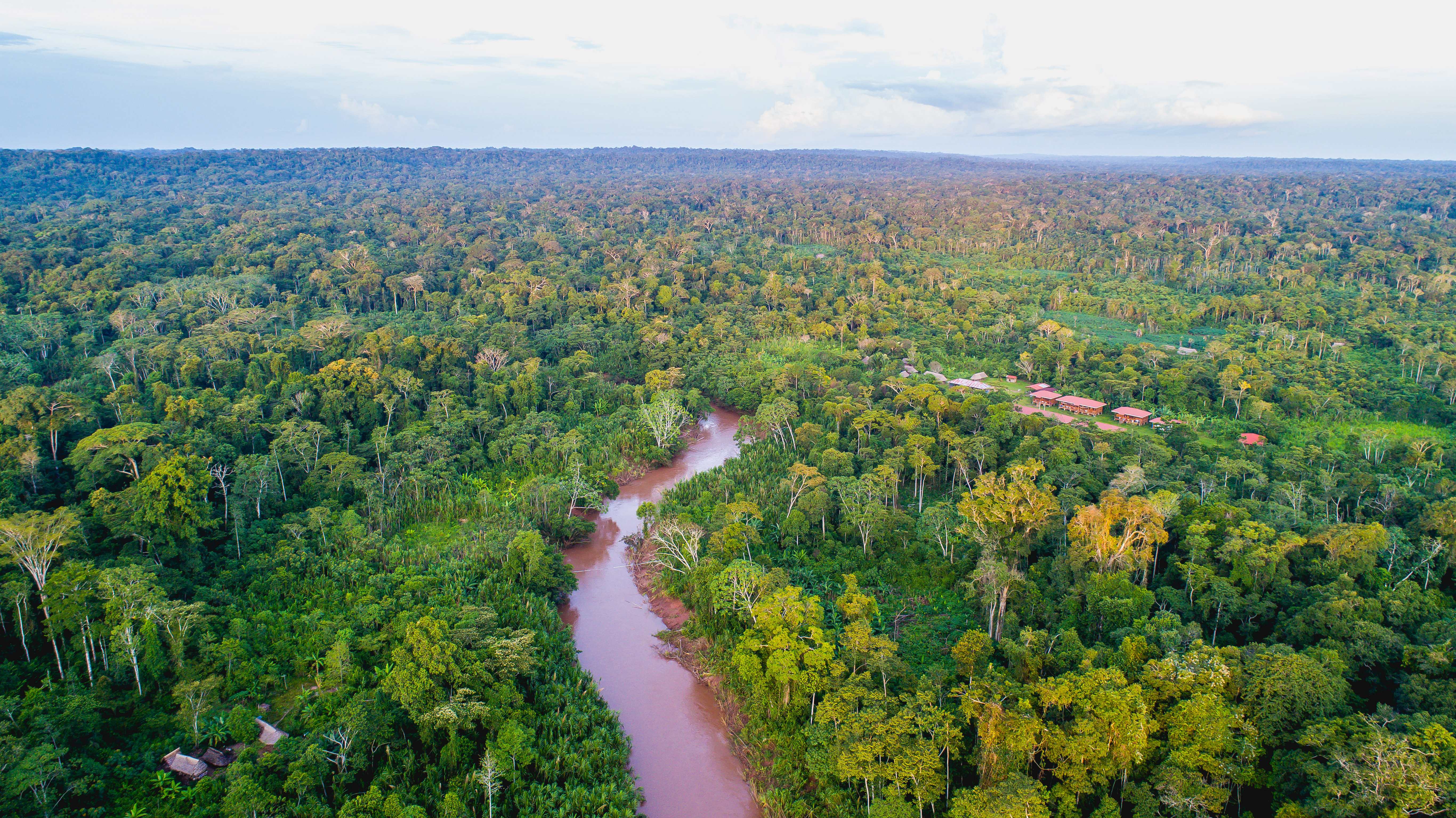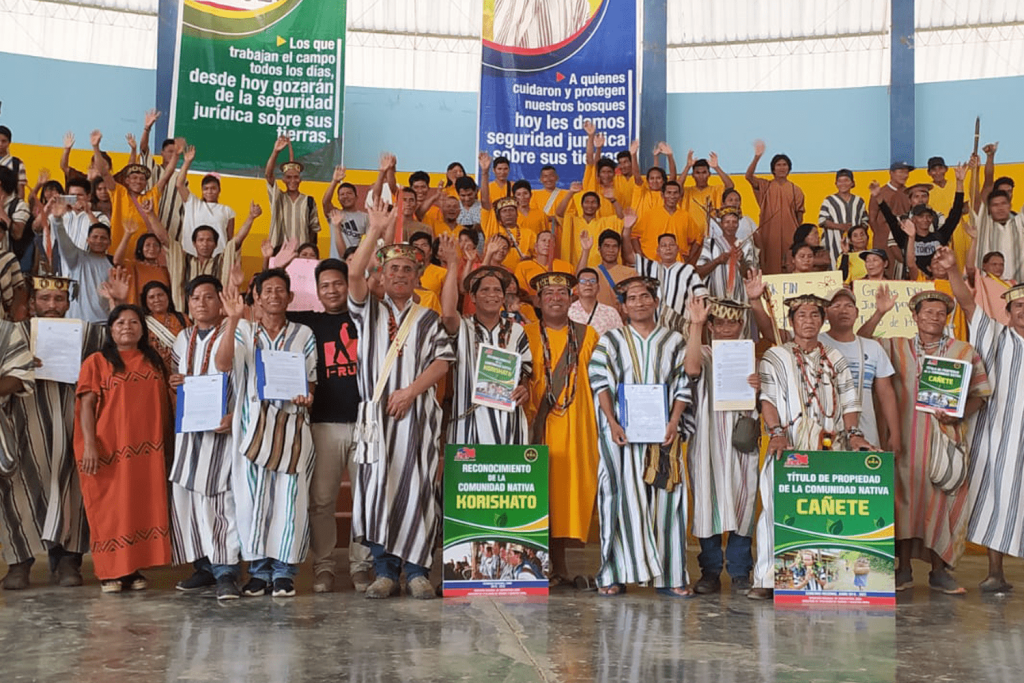
As a result ofl joint and coordinated work between AIDESEP; the Regional Directorate of Agriculture of Junín; the National Forest Conservation Program for Climate Change Mitigation (PNCBMCC) of the Ministry of the Environment; Through Profonanpe, Peru's private environmental fund, two native communities, Alto Sandoveni and Marontuaro, were granted land titles, and the Alto Mapotoa native community, all belonging to the Asháninka people and located in Junín, was officially recognized. This process was completed in four months, a short time compared to similar processes in other regions.
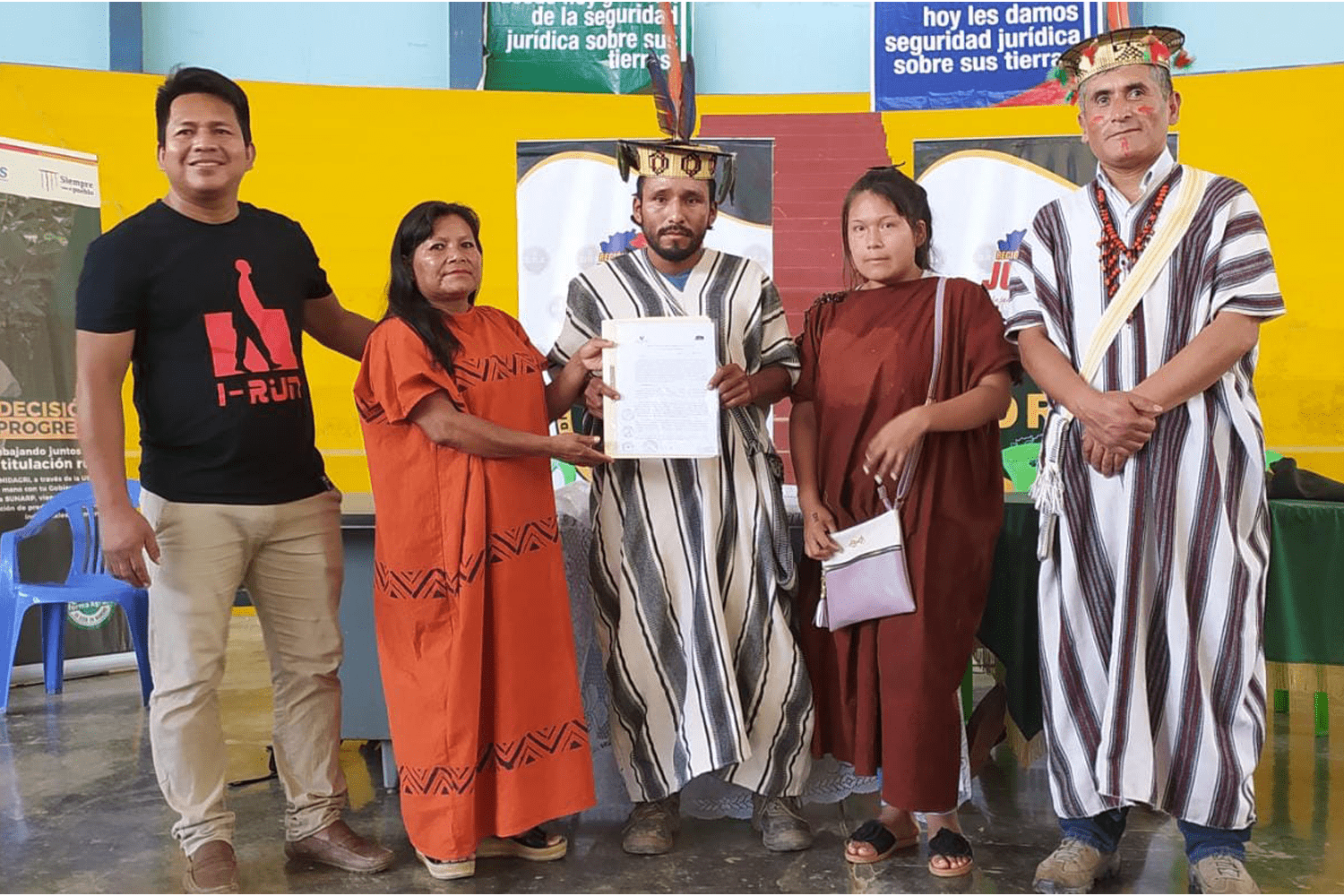
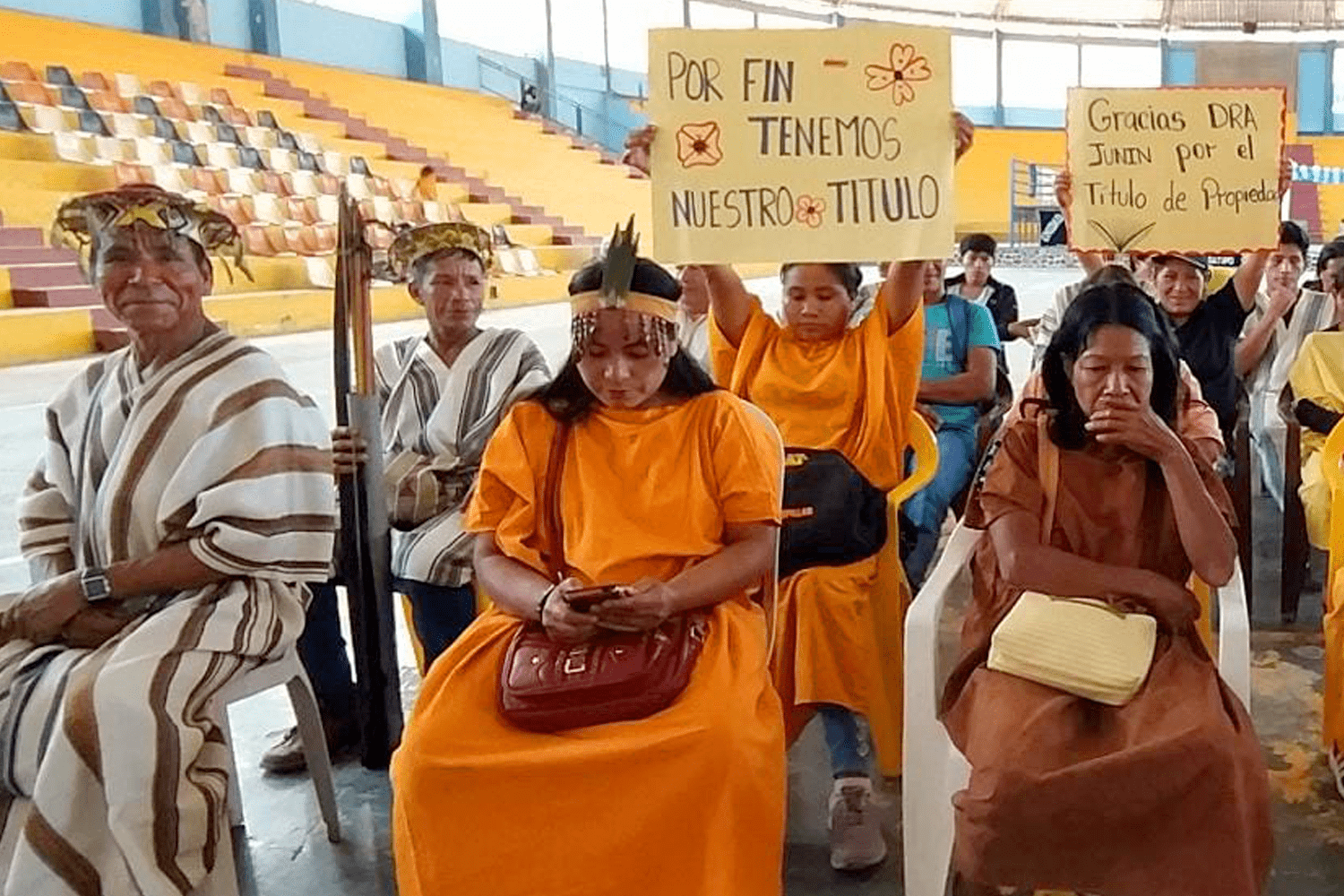
Through a symbolic ceremony, the Asháninka communities received their land titles and official recognition resolutions, which will allow them to freely exercise their rights over their traditional territories, thereby strengthening their identity, customs, and traditions. In this regard, Miguel Guimaraes, vice president of AIDESEP, noted that “This achievement provides legal certainty and allows us to continue working for the food security of the communities.».
This event took place within the framework of project “Support for the Implementation of the National Strategy on Forests and Climate Change of Peru (ENBCC) – Phase III”, funded by the Inter-American Development Bank (IDB), through the Forest Carbon Cooperative Facility Readiness Fund (FCF). One of the project's components seeks to contribute in the pending titling processes of native and peasant communities, in accordance with current regulations.
The project brings together collaborative and coordinated work between the PNCBMCC, AIDESEP, the Regional Directorate of Agriculture of the Regional Government of Junín and Profonanpe, based on IDB financing. In this process, AIDESEP acts as coordinator and administrator of the funds directly, with advice from PNCBMCC and ProfonANPE, for the development of field and office work, as well as the administrative management to achieve the title and recognition from 25 native communities in Amazonas, San Martín, Ucayali, Junín, Loreto and Madre de Dios.
As a result of this collaboration, fieldwork by interdisciplinary technical teams has been completed in 25 native communities. This work included georeferencing, demarcation, agro-ecological and physiographic assessment, soil analysis, and other related activities. Furthermore, the necessary procedures were carried out with the respective Regional Directorates of Agriculture, in coordination with the regional federations of AIDESEP, based on inter-institutional agreements and collaboration between the State and the representative authorities of the indigenous peoples.