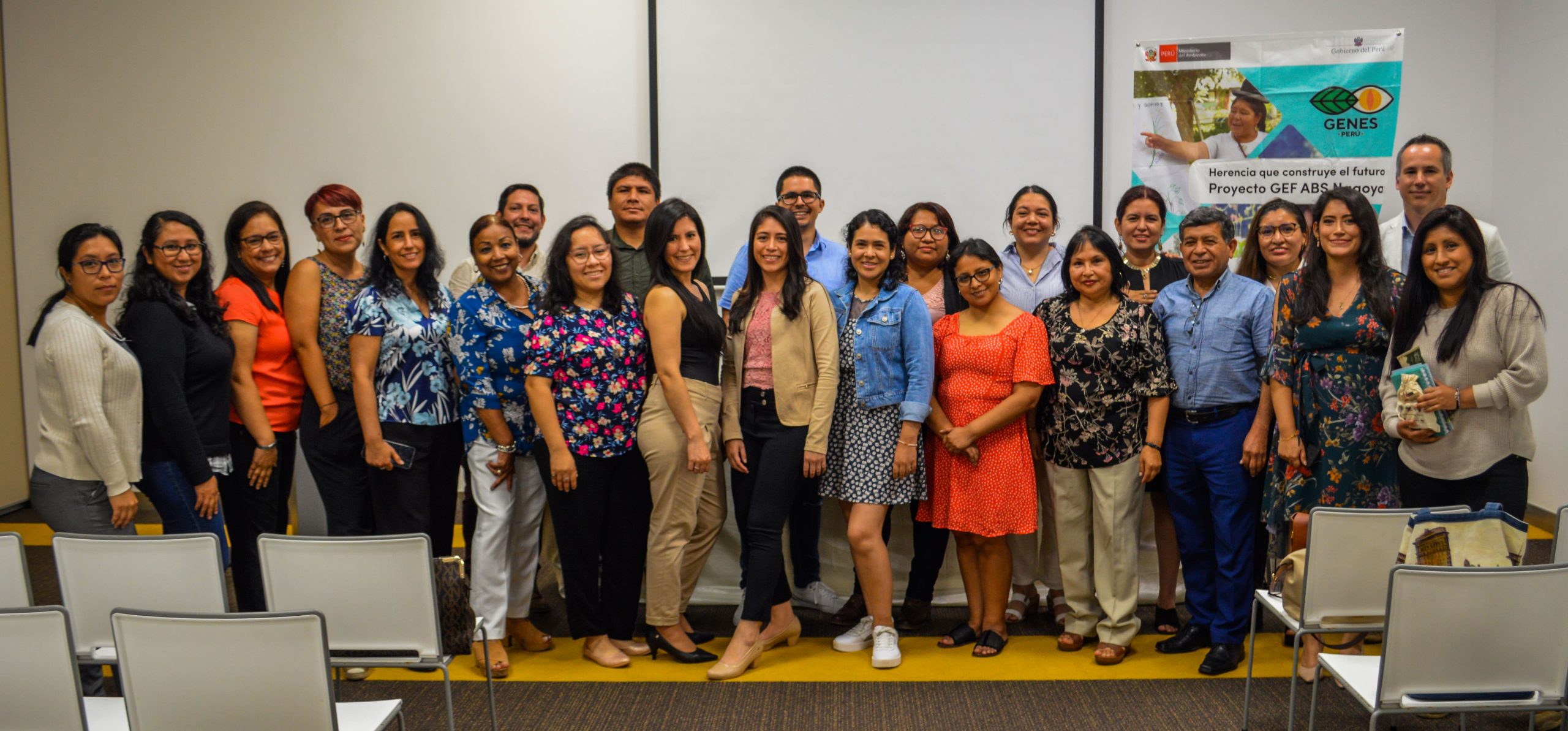
After 4 years of operation, the GEF ABS Nagoya project closes its cycle, presenting important advances as part of the process of effective implementation of the Nagoya Protocol, an international mechanism that aims to promote the fair and equitable participation of indigenous peoples and the scientific community in the benefits arising from the utilization of genetic resources, taking into account the rights over such resources and technologies.
In Peru, the project began operations in 2018 and was executed by the Ministry of the Environment, implemented by the UN Environment Programme, financed by the Global Environment Facility – GEF, and administered by Profonanpe, Peru's environmental fund.
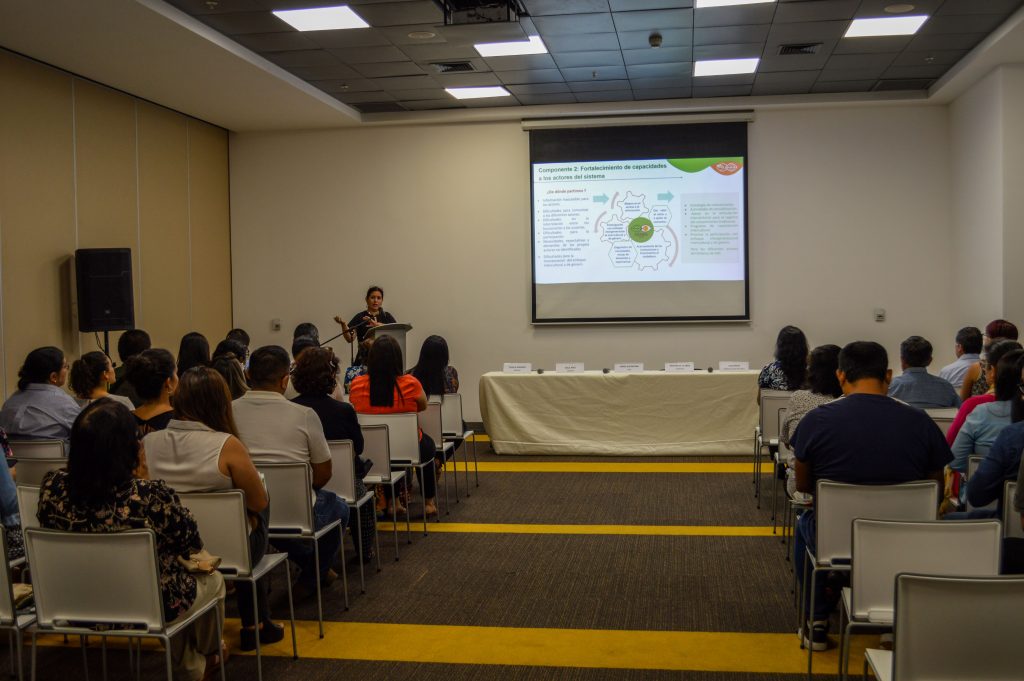
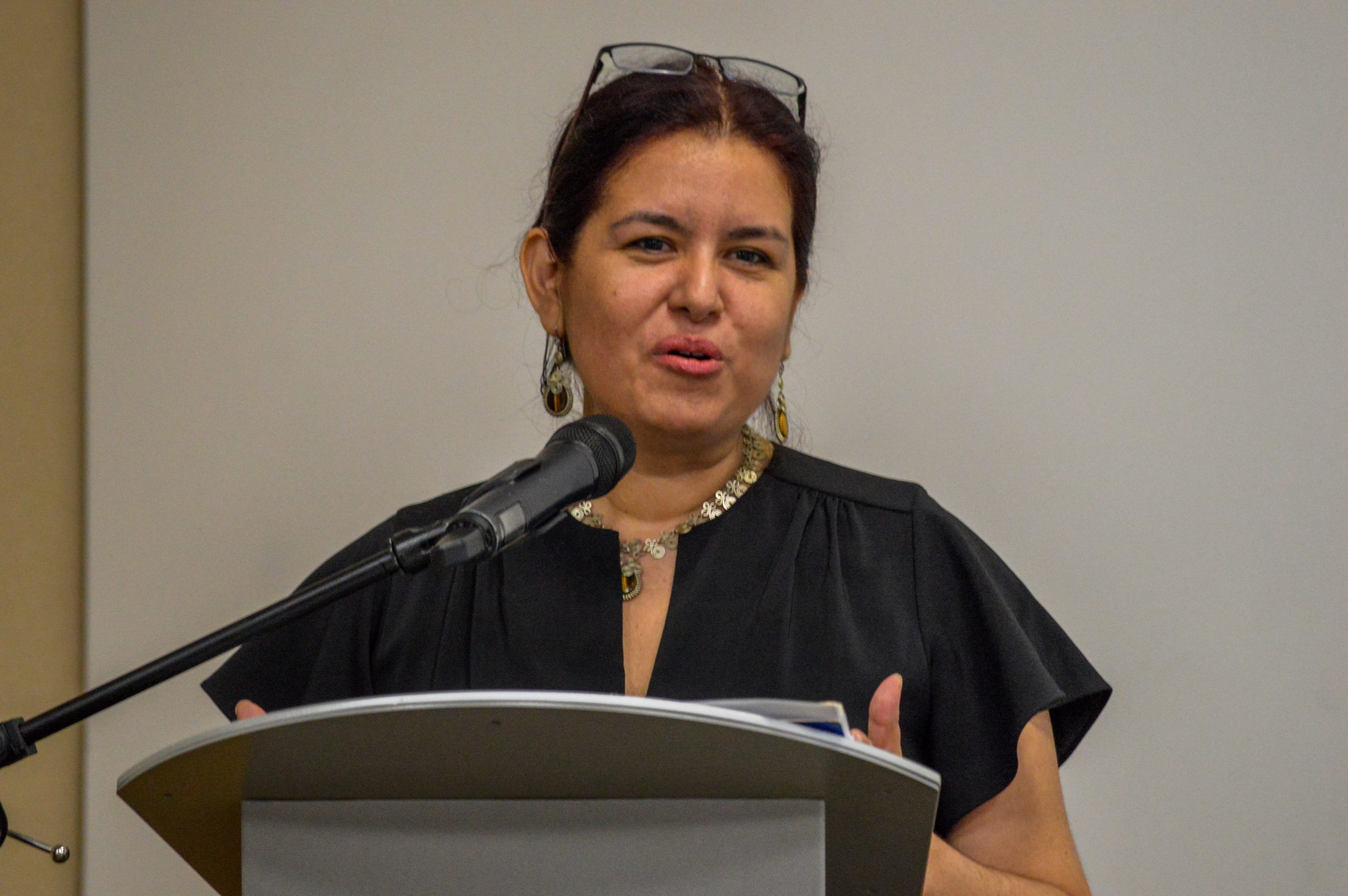
During the closing activity, Karina Ramírez, National Coordinator of the GEF ABS Nagoya project, highlighted the 3 components implemented by the project: the operation of an ABS system (access and benefit-sharing), the strengthening of capacities of the actors in this system and the promotion of the development of pilot projects that contribute to the conservation and sustainable use of biological diversity in the country.
“Having a new regulatory framework for Peru shows us that change is possible. Its implementation and practical application, the recommendations of national authorities, companies, and users, as well as the new national and international scenarios, demonstrate that from the perspective of change management and adaptive management, improvements can be proposed at both the national and regional levels to achieve a path that ensures the viability of the ABS,” highlighted Karina Ramírez.
Today, Peru has a functioning ABS system that, through a regulatory framework, has reduced management processes to 60 business days. Furthermore, processes and procedures have been unified, and inter-institutional work among the relevant authorities—the Ministry of the Environment, the Ministry of Production, SERNANP, INIA, SERFOR, and INDECOPI—has been coordinated.
Capacity building with indigenous communities and peoples
With an intercultural, gender and intergenerational approach, the project developed activitiesAwareness-raising activities on the Nagoya Protocol with the different actors of the ABS System. In this respect, the participation of the public sector (34%), academia (25%), indigenous or native peoples' organizations (21%), the general public (17%) and the private sector (3%) was achieved.
The report also highlights the development of the intercultural training program “We Are Heritage Building the Future,” validated by 294 representatives and/or associates from 13 Indigenous Peoples' and peasant communities' organizations in approximately 24 regions of the country. To achieve effective results, the program prioritized building new knowledge based on the communities' existing knowledge and incorporating cultural mediation in their native languages. The GEF ABS Nagoya project culminated in two replication workshops, led by the same community participants.
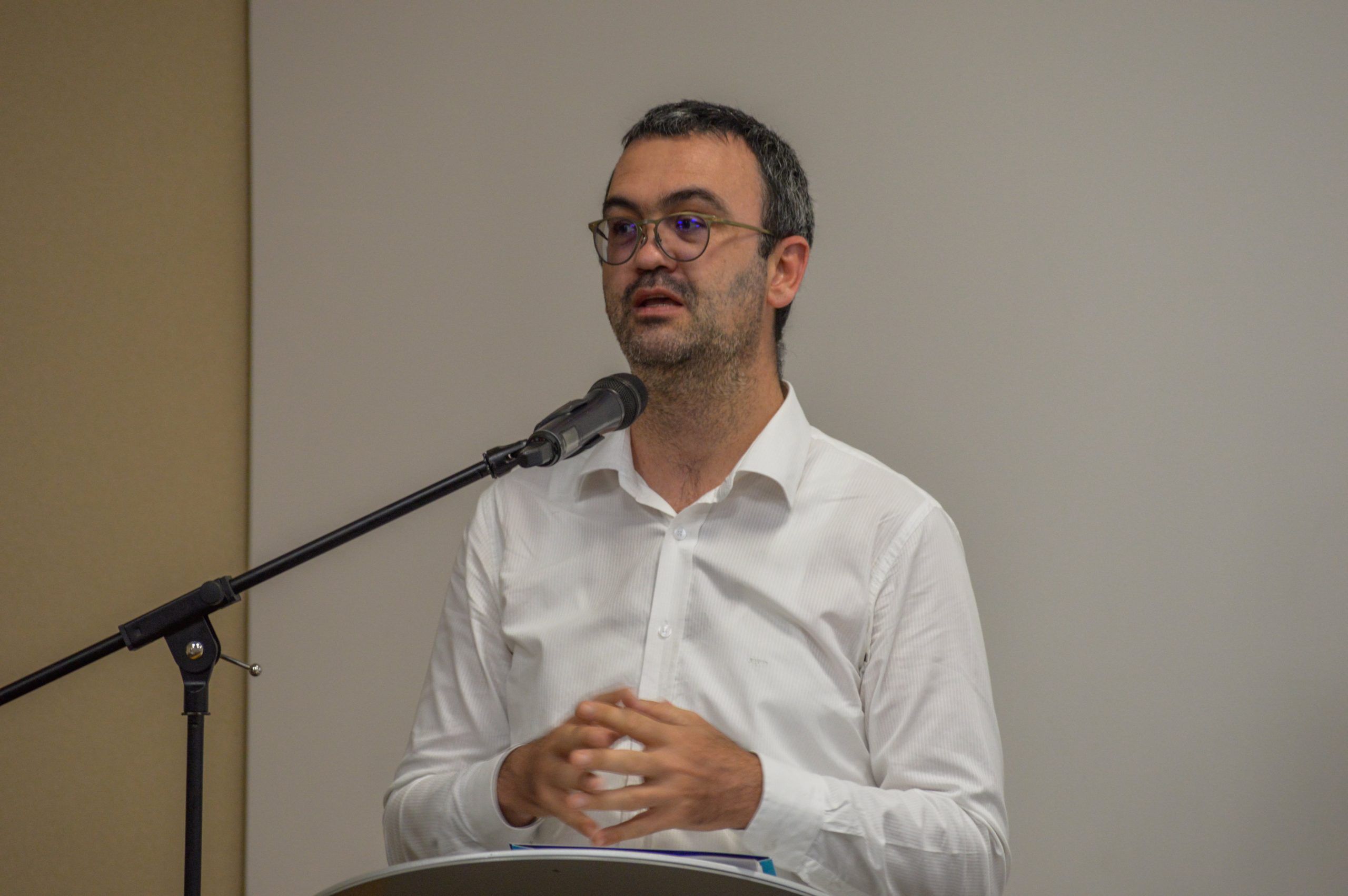
“In this initiative, it is important to highlight the role of indigenous and native peoples, because their active participation has been a vehicle through which their traditional knowledge and wisdom have been linked to the use of biological resources. The intercultural component allows us to listen to them, bring that learning, amplify their voice and experiences; and thus reduce the distance that often exists between the knowledge of the communities and academia, in order to value it and bring greater shared benefits,” highlighted Anton Willems, executive director of Profonanpe, during his welcoming remarks.
Pilot projects for the sustainable use of biological resources
As a result of the implementation of the Nagoya Protocol, since 2020 there has been an increase in Internationally Recognized Certificates of Compliance (IRCCs), documents that ensure compliance with national standards, prior informed consent, and mutually agreed-upon conditions for benefit-sharing arising from the utilization of genetic resources. This has allowed Peru to rank 5th out of 138 countries worldwide in the issuance of these certificates.
Through inter-institutional collaboration and the technical support provided by the project to national authorities, contracts for the commercial use of cultivated species have been issued. These are national permits that authorize researchers and companies to access genetic resources. Five contracts were issued and signed by INIA, three with Peruvian universities and one with a company. A contract for the commercial use of wild species is currently being negotiated through SERFOR.
José Álvarez, Director General of Biodiversity at the Ministry of the Environment, highlighted the change that came with the implementation of the project: “We had a very serious problem because Peru’s genetic wealth was hidden away, not being used for the benefit of the country. We had very bureaucratic regulations that made it difficult for researchers to obtain permits. Today this has changed, and we face the challenge of making genetic diversity an instrument for scientific development and social inclusion.”
About the GEF ABS Nagoya Project
This initiative is funded by the Global Environment Facility (GEF) and implemented by the Ministry of the Environment, UN Environment, and the Profonanpe administration. Its objective is to strengthen national capacities for the effective implementation of access regimes for genetic resources and traditional knowledge in accordance with the Nagoya Protocol, thereby contributing to biodiversity conservation and the well-being of people in the country. For more information, visit their website.