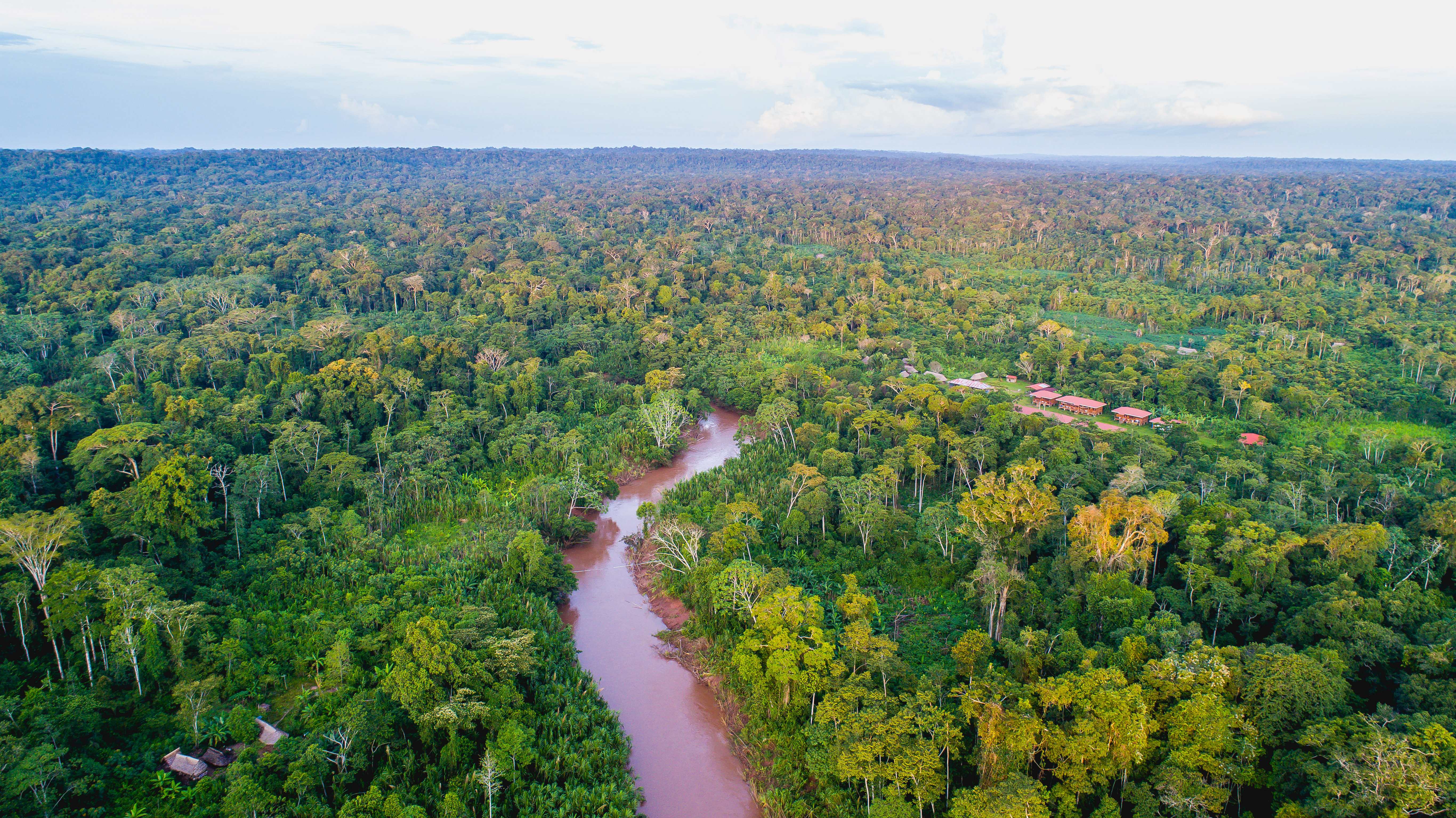
The sun is relentless in Mórrope, a district in the Lambayeque region, where a desert ecosystem predominates, characterized by dry forests and plants that thrive in seemingly adverse conditions. These features make the district unique, as do the species of flora and fauna that inhabit it.
The carob tree is one of the best-known examples in the region because it grows in dry ecosystems like those found on the country's northern coast. This tree has many uses that northern families have employed since ancient times. The hardness of its wood makes it suitable for construction, and its fruit, the carob pod, is used to strengthen the immune system thanks to its high nutritional value.
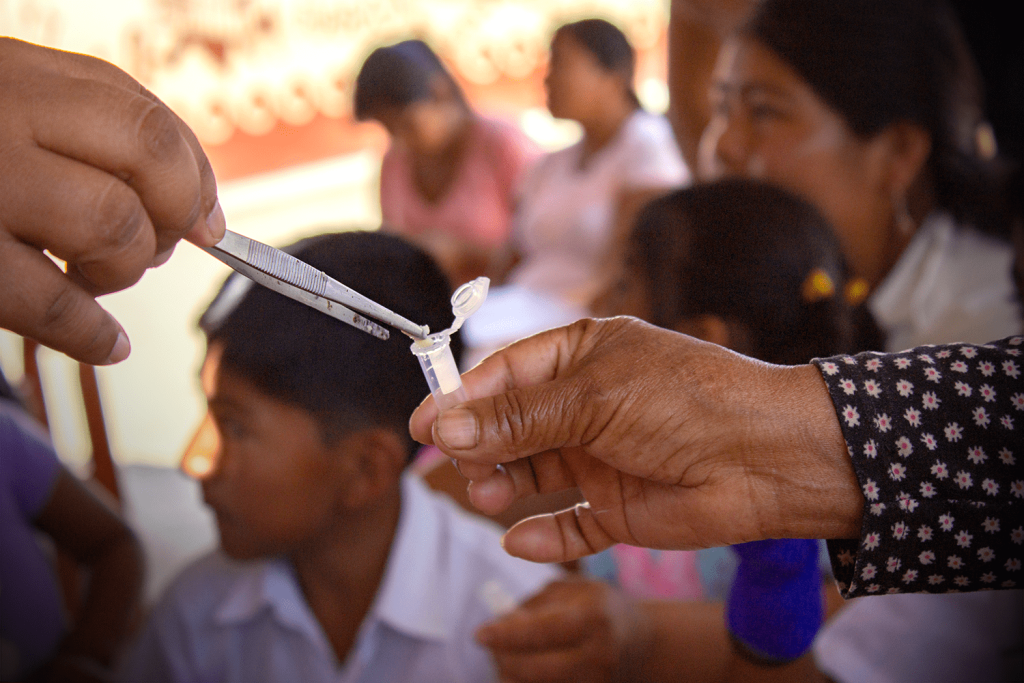
Families in the district have known the value of these plants to their community for many years, but they were unaware of the importance of the genetic richness they carry; however, today, science takes advantage of this knowledge and uses the properties of the plants for pharmaceutical development; but how can scientific advancement be promoted without disregarding the wisdom that communities have regarding their biodiversity?
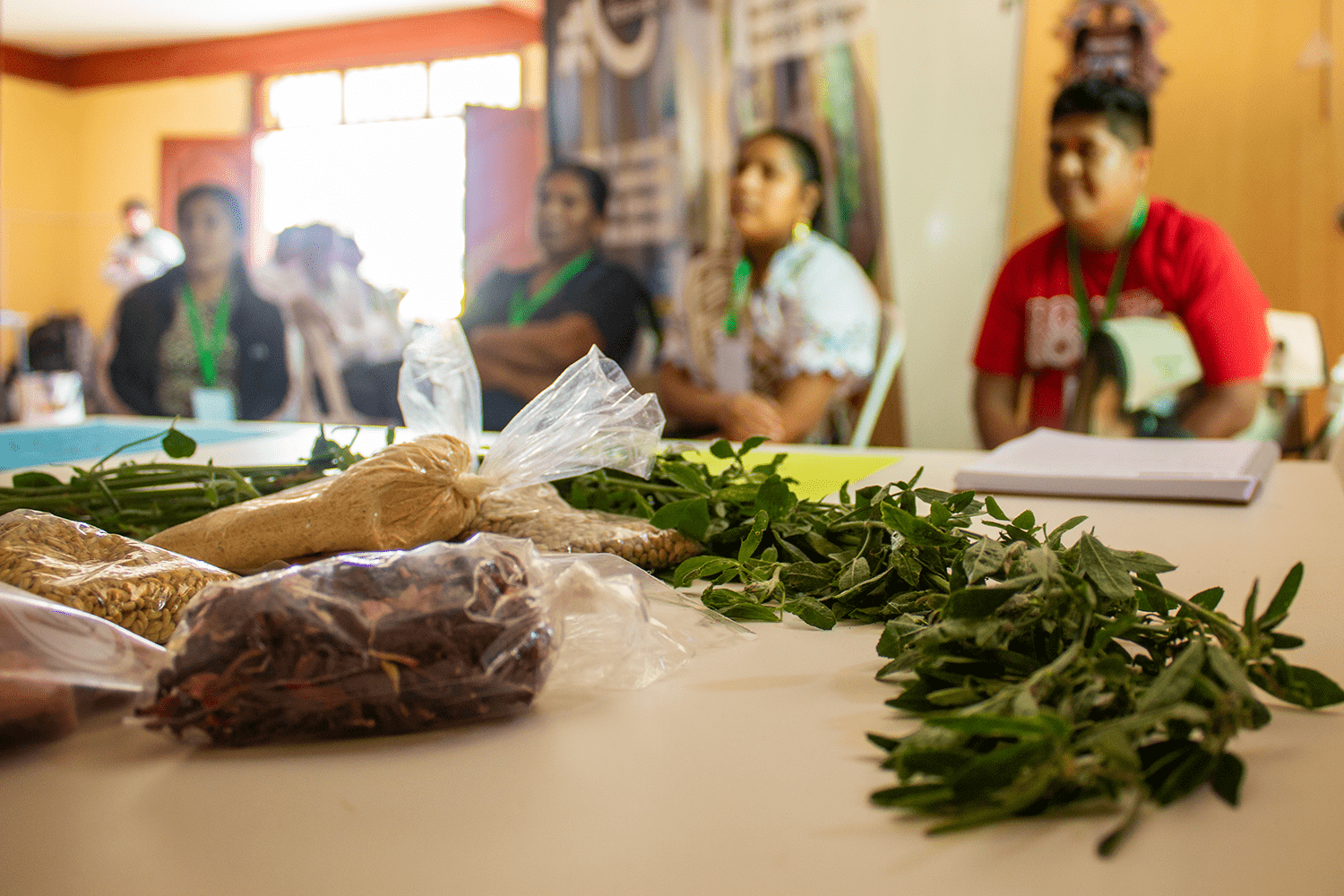
A protocol that rescues ancestral knowledge.
The inhabitants of the San Pedro de Mórrope Peasant Community remember a time when native cotton was on the verge of disappearing from their area: “Due to a ban on the cultivation of native cotton, this plant began to vanish. In 2002, we set out to recover the seeds in the irrigation ditches and farmers' plots, and we replanted to reclaim our identity,” says Juan Sandoval, former president of the community and now a technical advisor who helps to revitalize the ancestral knowledge of his fellow community members.
While native cotton is used by the community for textile production, its genetic potential for health remains unknown. In this regard, the knowledge that the inhabitants of Mórrope possess regarding the cultivation and uses of this plant could contribute to advancing scientific research.
Therefore, since 2014, Peru has been implementing the Nagoya Protocol, an international agreement that contributes to the conservation and sustainable use of biological resources; and, in turn, allows the countries that apply it to generate the necessary legal framework that considers the use of genetic resources, the associated ancestral knowledge and that the benefits of these are applied in a fair and equitable manner among the parties.
“Many communities are unaware of the existence of this protocol; therefore, participating in this workshop has been important, because it allows us to protect our resources and value our Muchik identity. Today we reconnect with who we are, and that is extremely important,” Juan concludes.
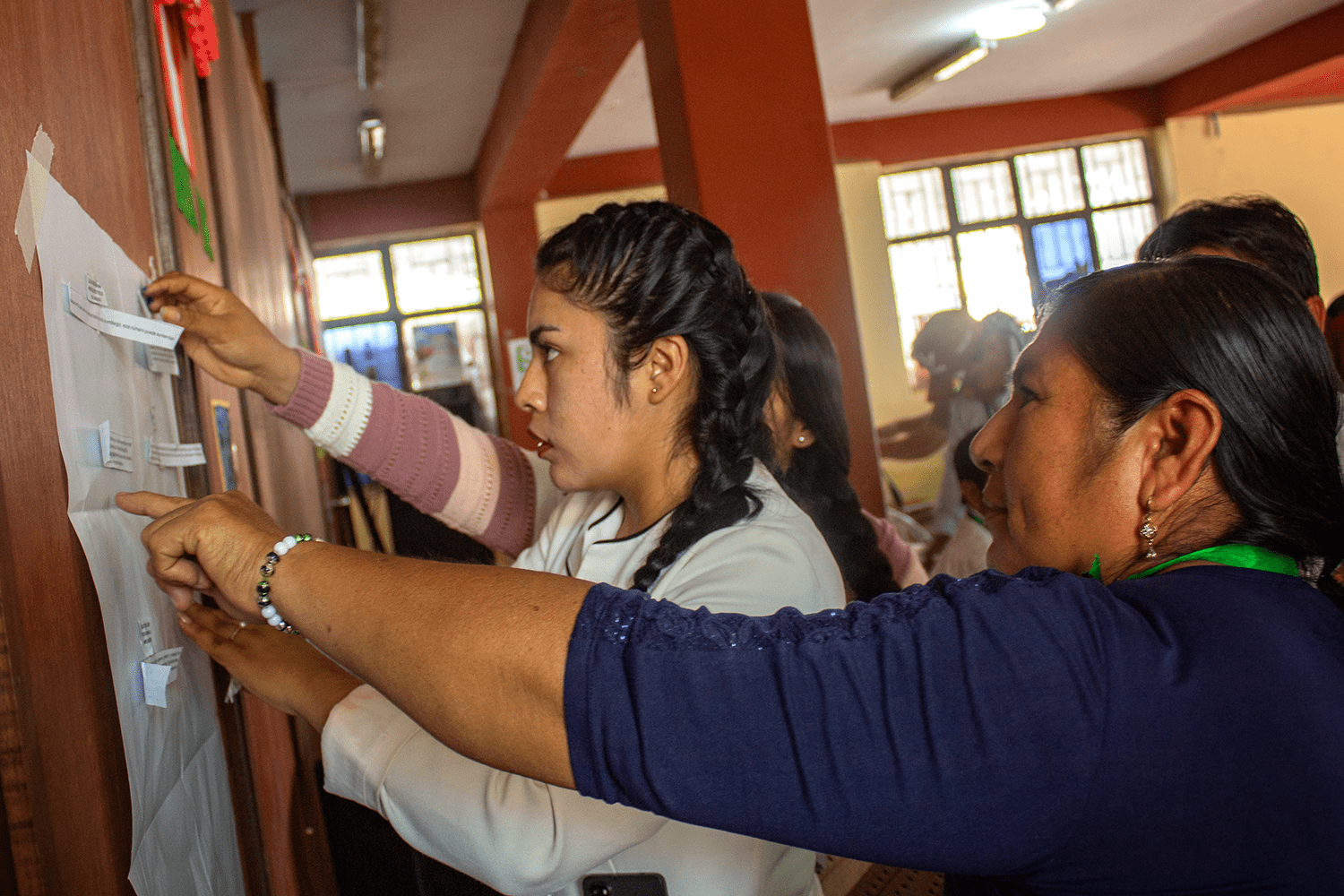
Children: the legacy that preserves biological resources.
While developing training programs for adults, the project realized an undeniable truth: To increase women's participation (a necessary component of the project), it was essential to involve their children. This led to the creation of the "ABCs of ABS" workshops for boys and girls, which add value to the implementation process and ensure the continuity of this knowledge within the communities themselves.
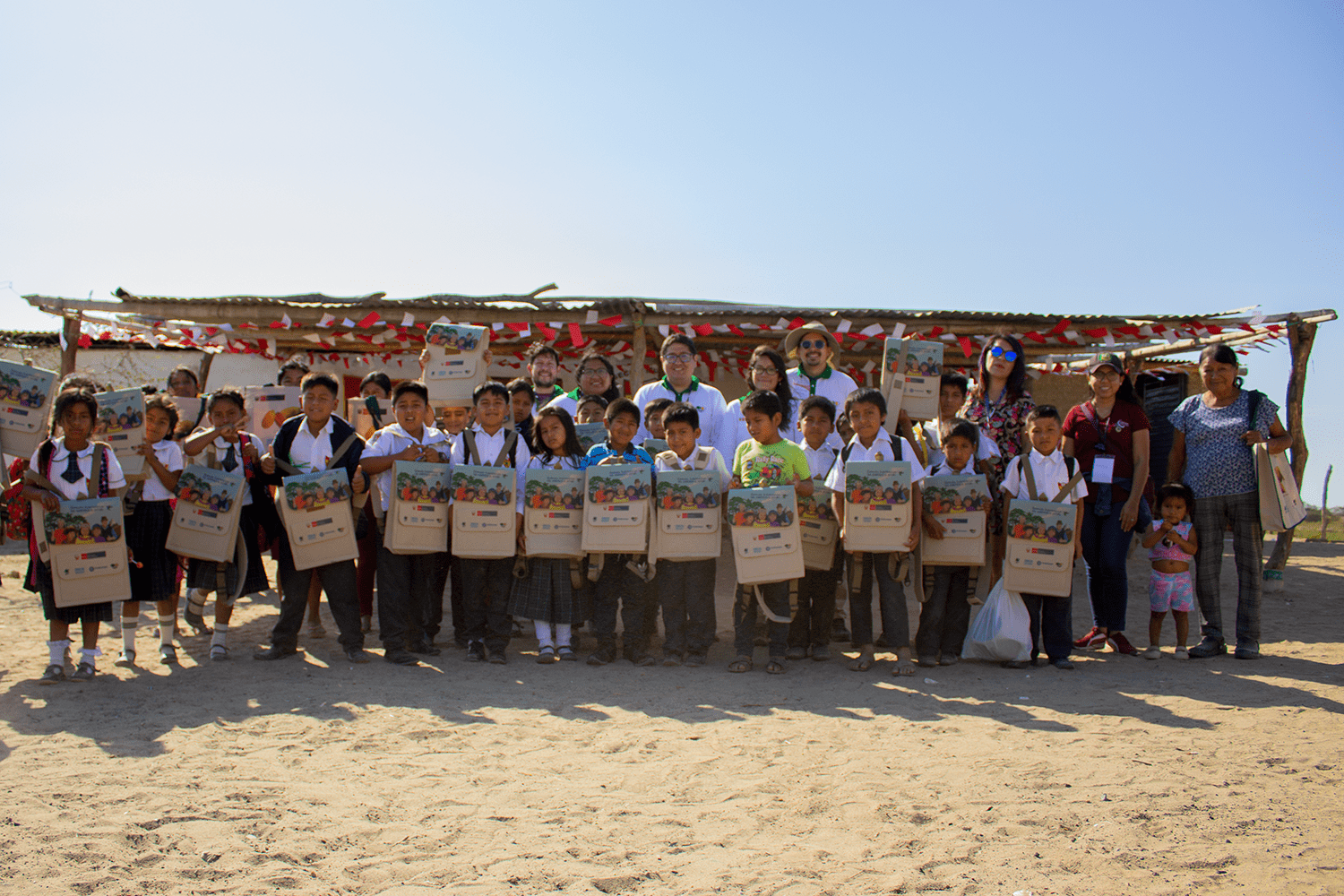
In the hamlet of Sequiones, in Mórrope, 25 children and 17 parents from the Monteverde Community Management Educational Institution benefited from the workshop. This multi-grade school (with only one classroom) brings together boys and girls between the ages of 6 and 13, belonging to six grades of primary school. This teaching format arose from the initiative of the hamlet itself, due to the lack of schools in the area and the economic difficulties faced by its residents.
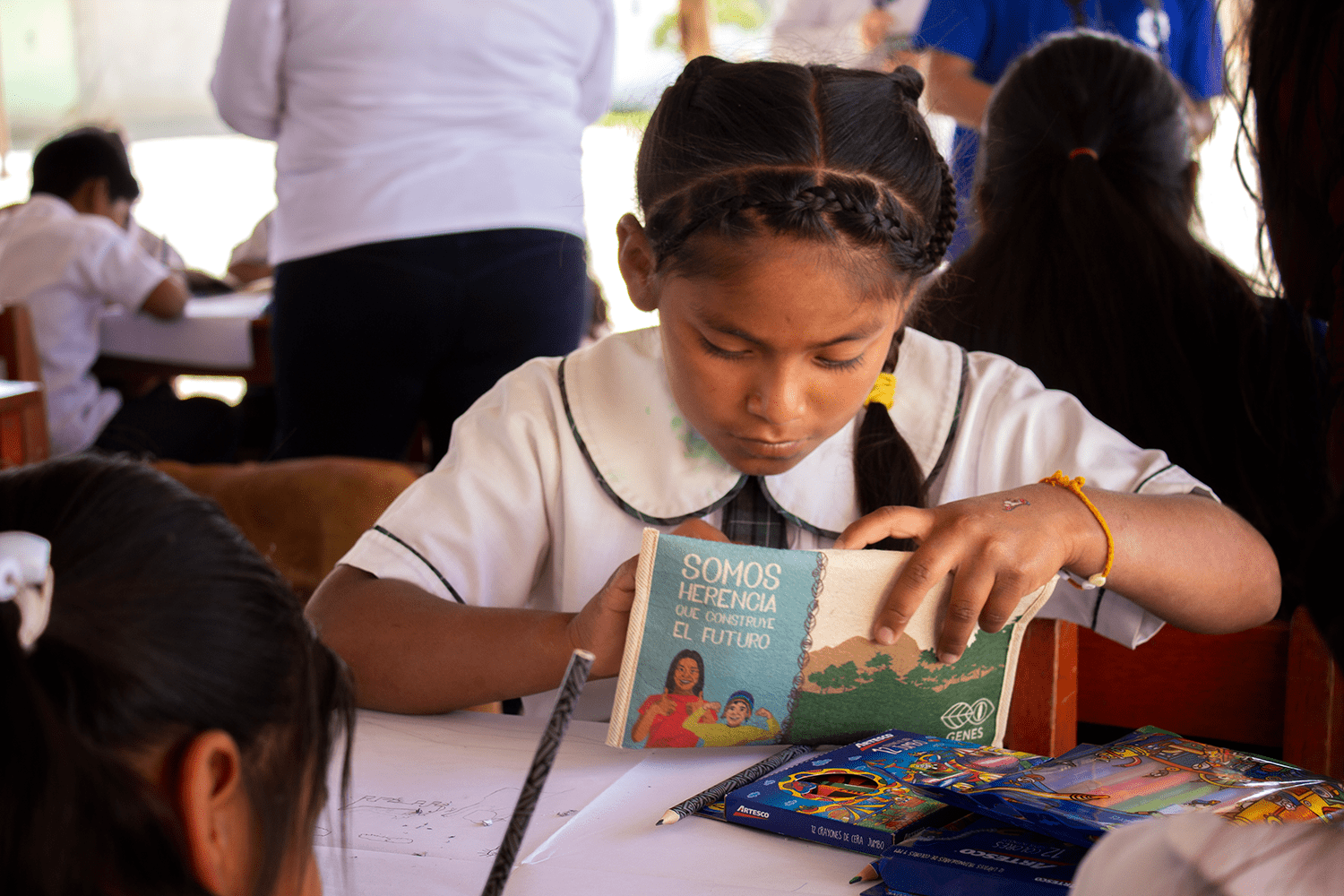

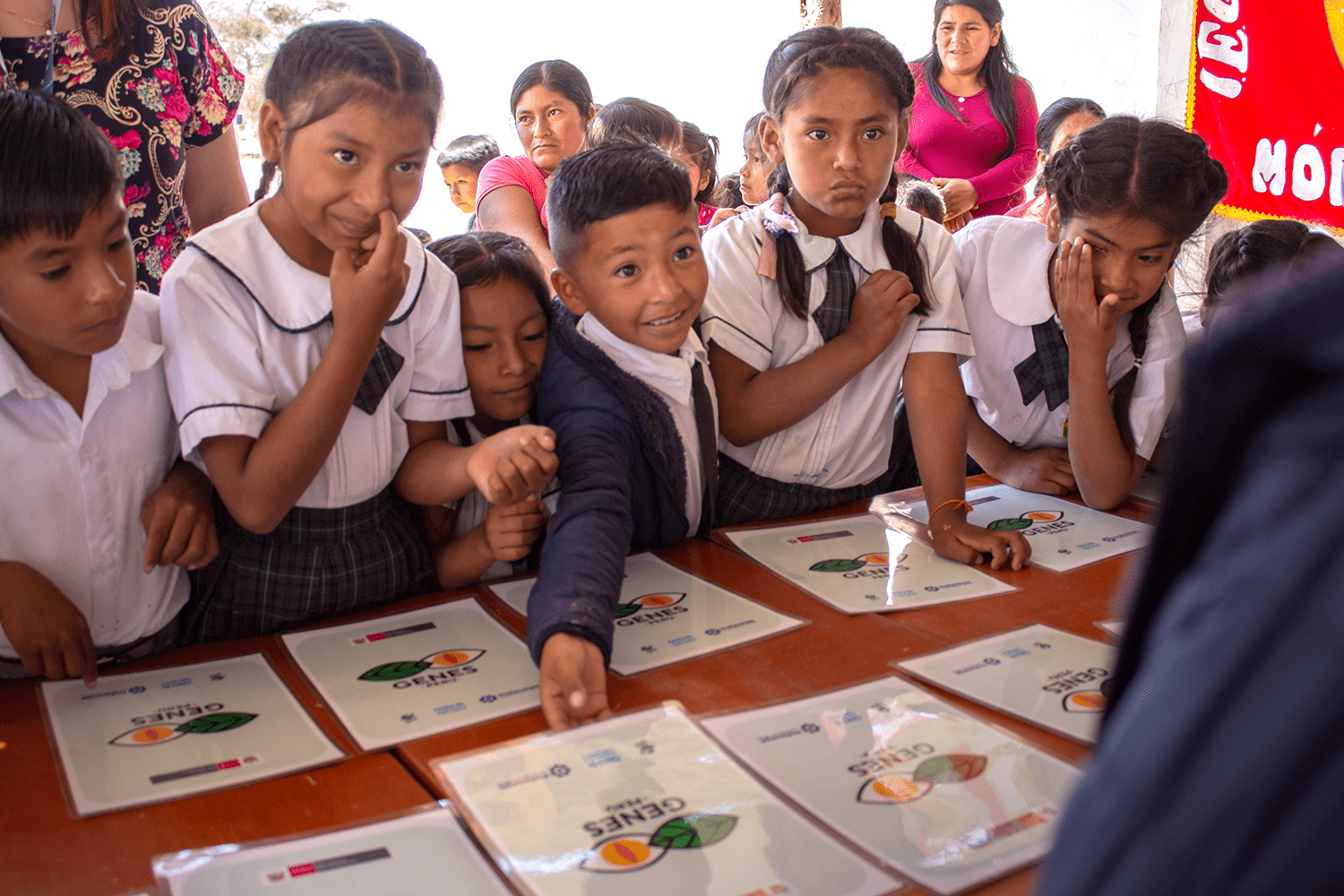

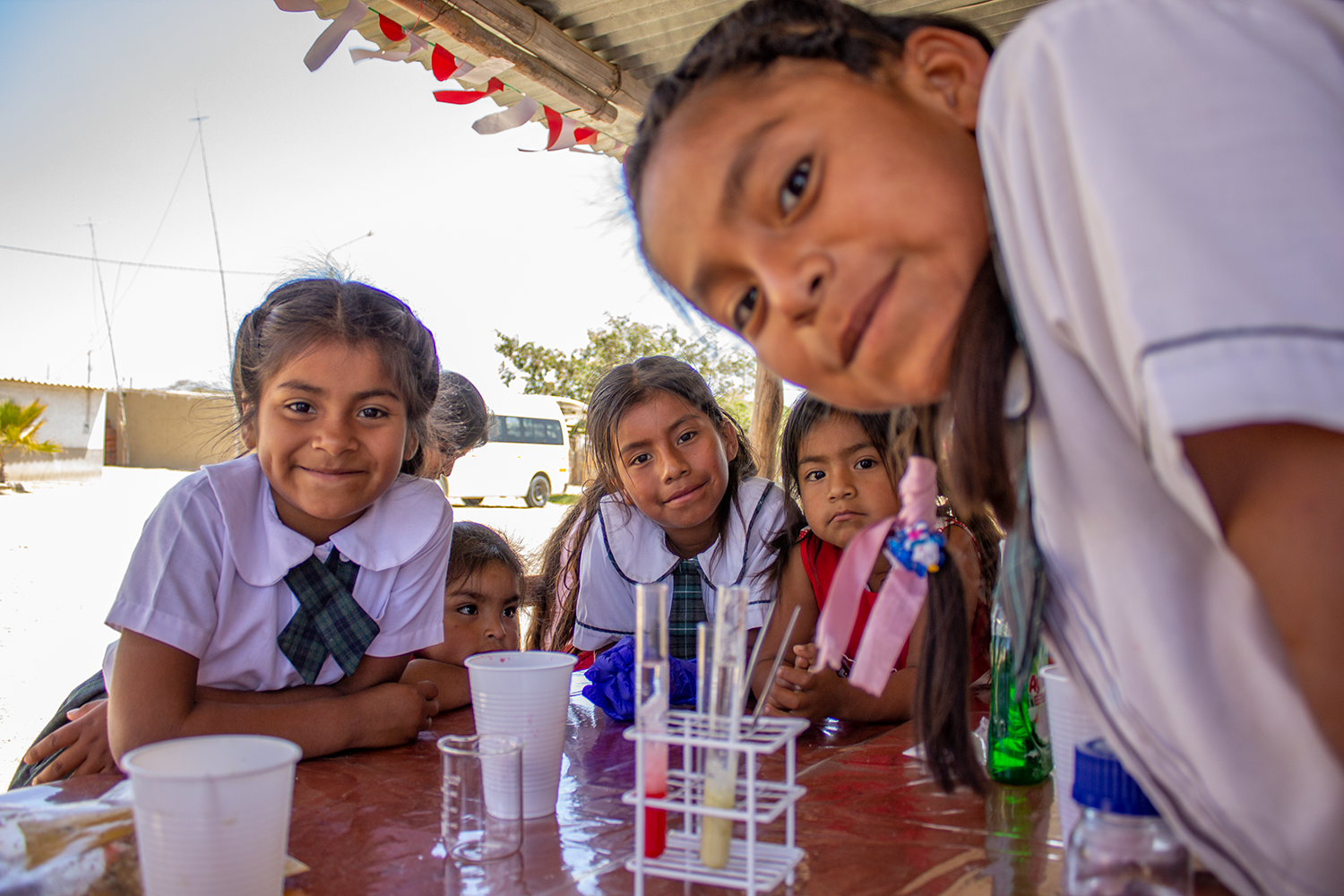
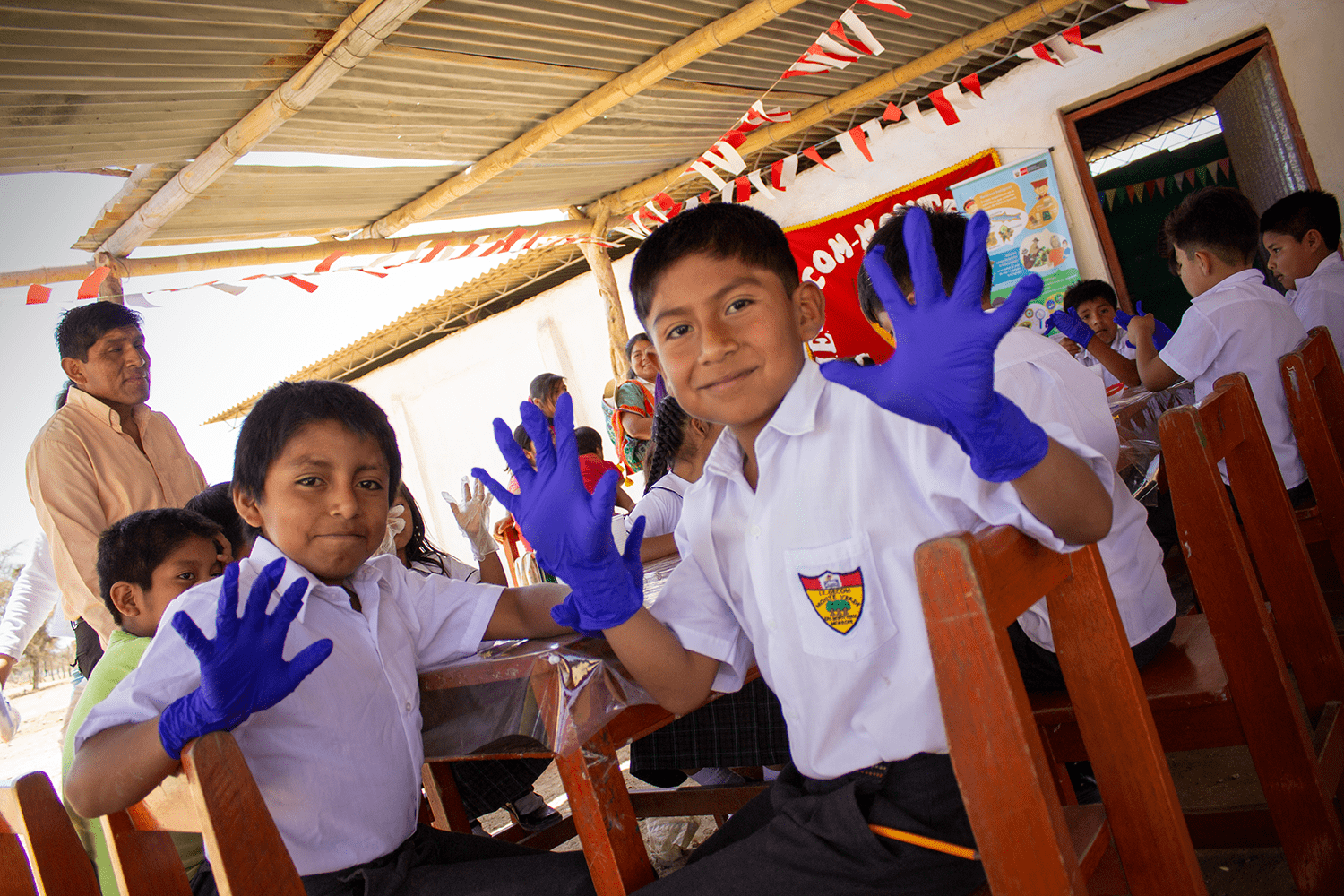
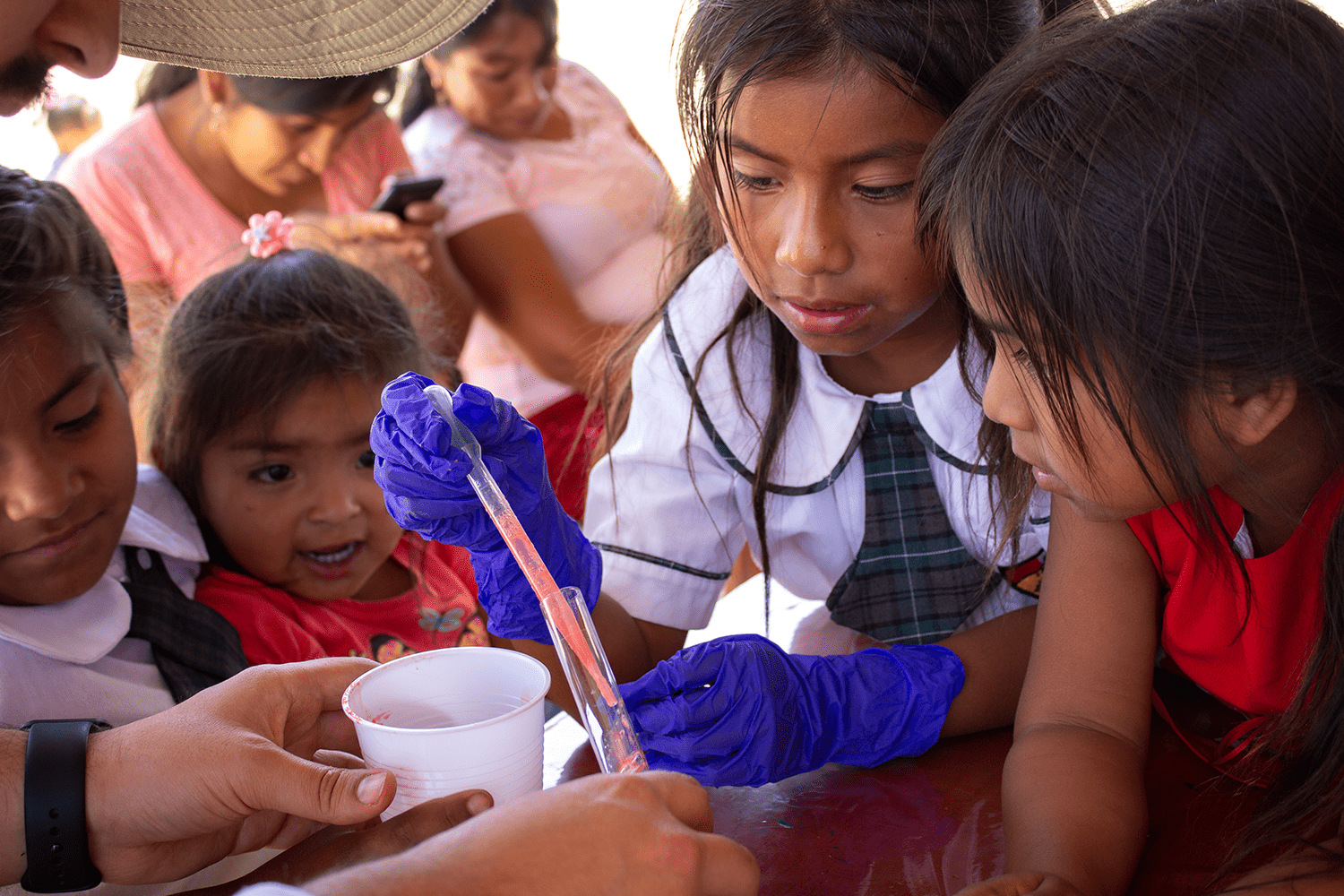
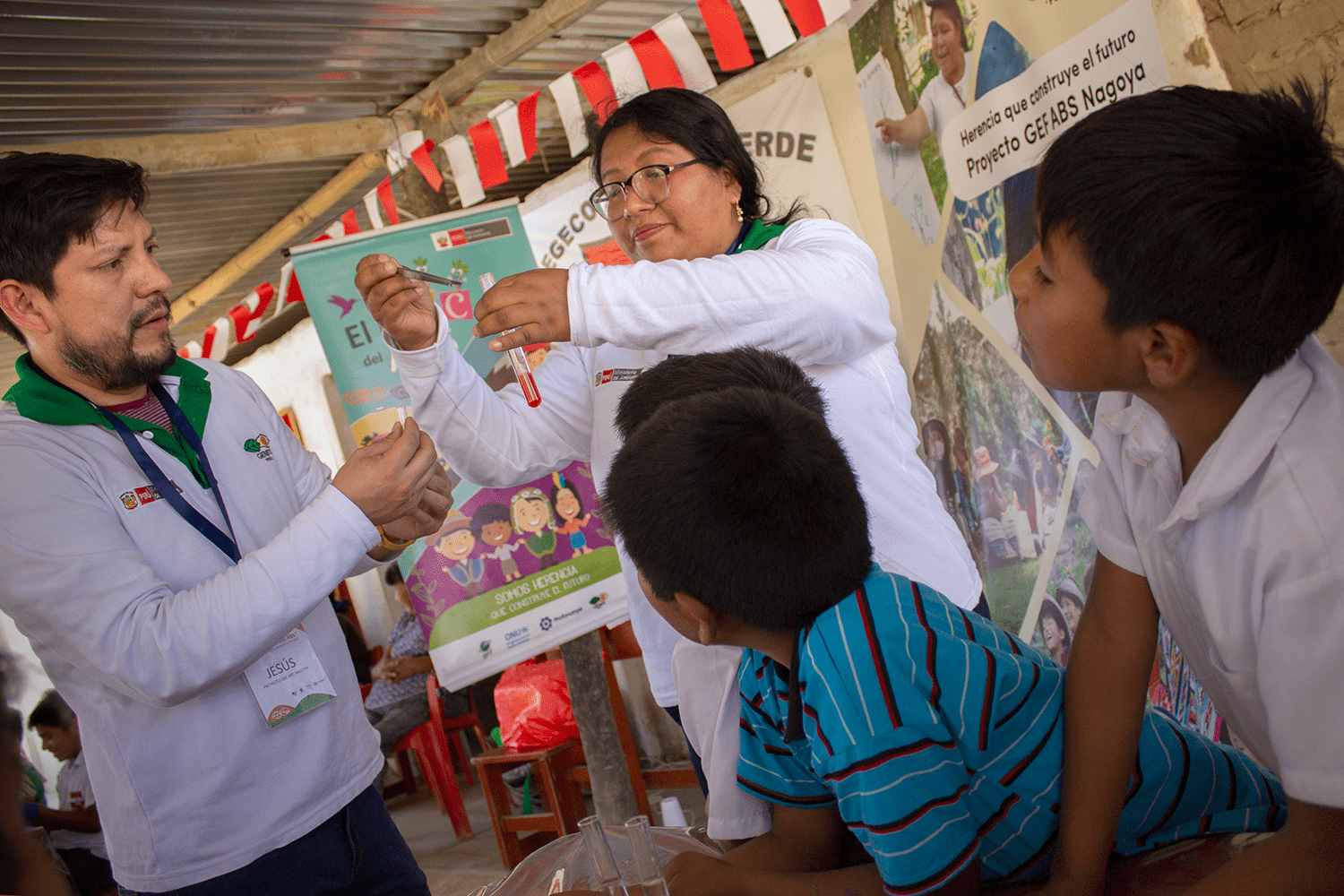
“The ABCs of ABS” is an educational experience that invites children and their parents to learn about the richness of the natural resources of their district and to value the traditional knowledge of their families regarding these resources.
The workshop “The ABCs of ABS” allowed parents and children to remember the biodiversity of their area and the benefits they obtain from them: the carob tree, vichayo, molle and chilco are some of the plants that they have known and used for years to relieve their ailments.
«My dad plants rue in the field, which is used for stomach aches. He learned from his parents how to cultivate and use it,» says Blanca, 7, who, along with her classmates, participated in different activities to revalue their biodiversity, appreciate their families’ knowledge of the flora of their region, and learn that each of these carries valuable genetic resources that can contribute to science in the future.
For now, the community of Mórrope continues to share information about the Nagoya Protocol, because they know that science doesn't stand still, and with this progress, they want to be ready to contribute and actively participate in this journey. Just as with the wisdom about the plants of their region, the knowledge they acquired about the Nagoya Protocol will continue to be passed down from generation to generation, because when the adults are gone, it will be the younger ones who carry on the legacy and become the heritage that builds the future.
About the GEF ABS Nagoya Project
This initiative is funded by the Global Environment Facility (GEF) and implemented by the Ministry of the Environment, UN Environment, and the Profonanpe administration. Its objective is to strengthen national capacities for the effective implementation of access regimes for genetic resources and traditional knowledge in accordance with the Nagoya Protocol, thereby contributing to biodiversity conservation and the well-being of people in the country. For more information, visit their website. Web page.