Profonanpe News

12/12/2022

Together with the Maynas Productive Innovation and Technological Transfer Center, training was provided to artisanal fishermen from Musa Karusha and San Fernando

60 artisanal fishermen from the Kachizpani and Katinbaschi associations received training and technical assistance in fish conservation and primary processing.

With the aim of strengthening the members of the artisanal fishing associations Katinbaschi and Kachizpani in conservation and processing techniques of fishery resources, Profonanpe and the CITE Productivo Maynas organized training that culminated in a visit to the headquarters of the latter in Iquitos, within the framework of the actions of the PNIPA Fishing Subprojects, managed by both associations as part of the Datem Wetlands Project.
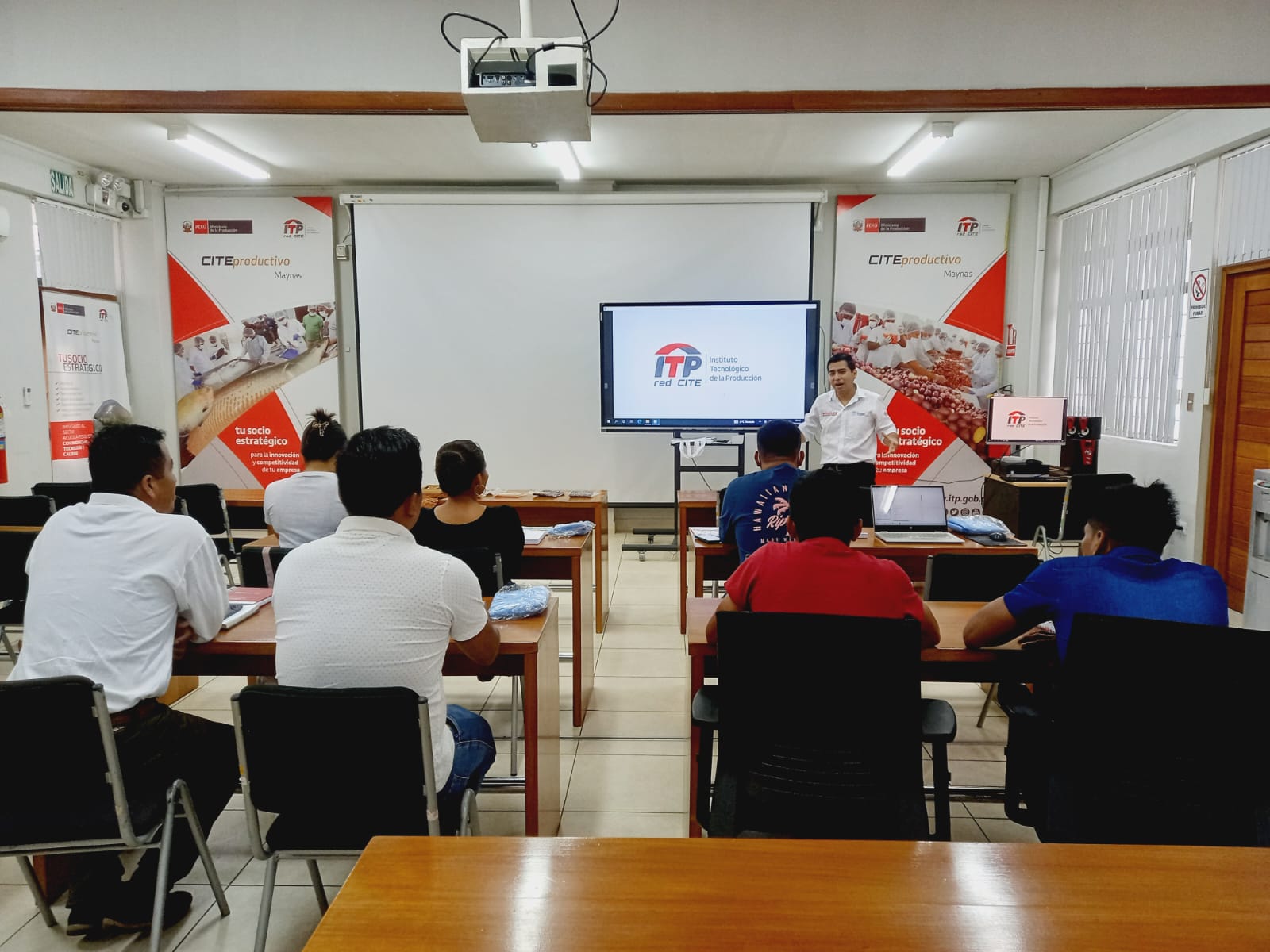
 

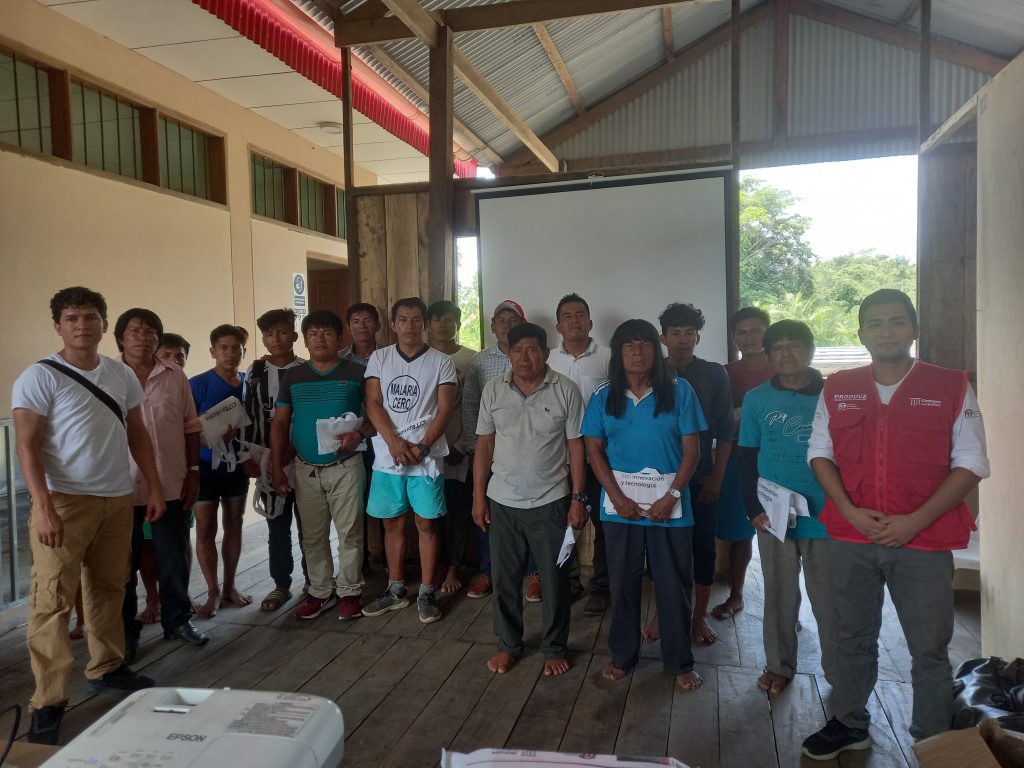
Las juntas directivas las asociaciones de pescadores artesanales Kandozi Katinbaschi y Kachizpani durante la pasantia en Iquitos a cargo del CITE Productivo Maynas.
The boards of directors of the artisanal fishing associations Kandozi Katinbaschi and Kachizpani during the internship in Iquitos in charge of the CITE Productivo Maynas.


During the four days of training, artisanal fishermen from this area of the Datem del Marañón province in Loreto were able to strengthen their skills to generate added value to the fishing resource, improve primary processing and strengthen filleting practices aimed at the types of conservation of the main hydrobiological resources used from the Huitoyacu and Musa Karusha lake system.
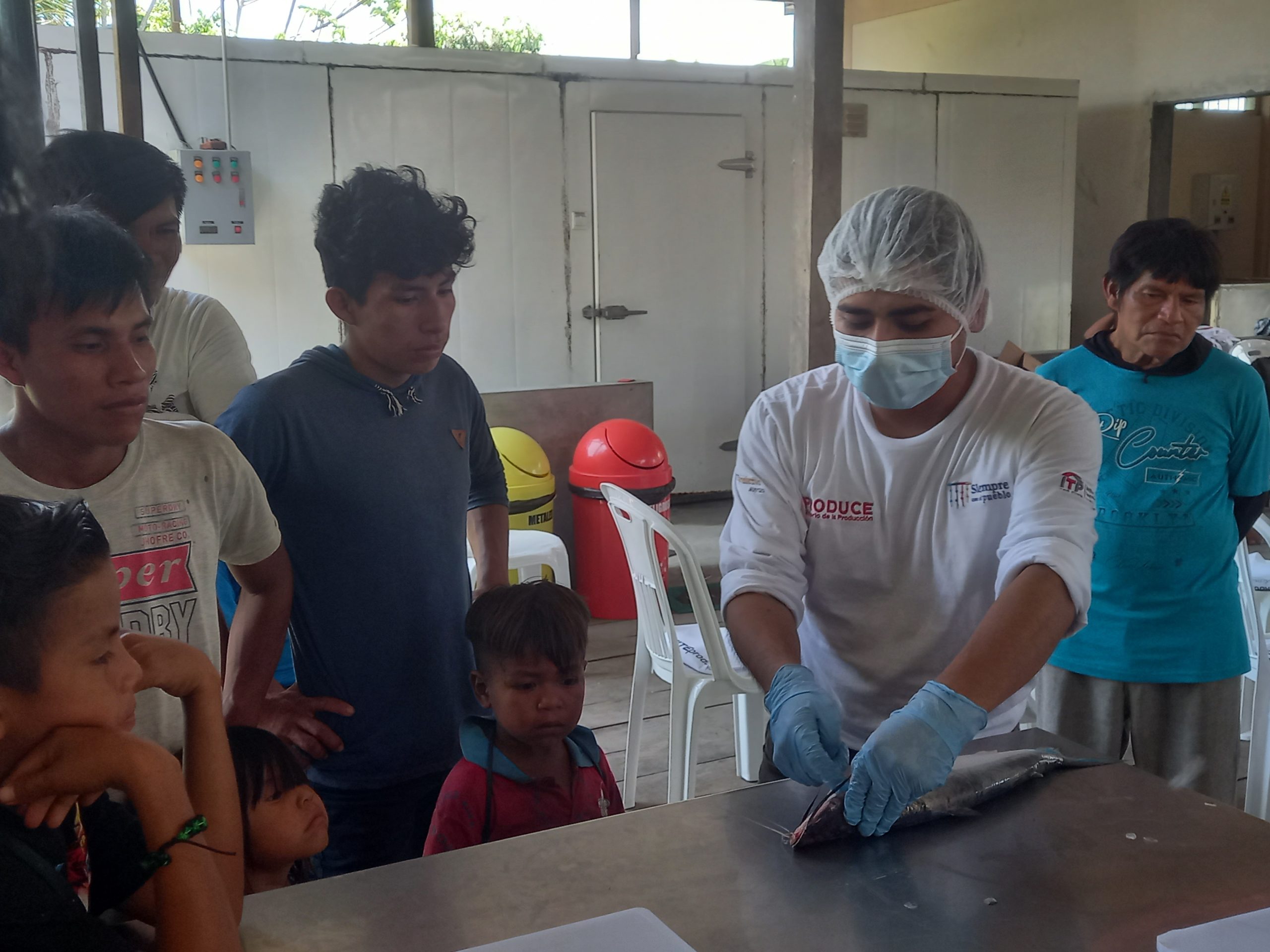
 

Integrantes de la Comunidad Musa Karusha recibieron un curso a cargo del CITE Productivo Maynas en las instalaciones de la asociación Katinbaschi.
Members of the Musa Karusha Community received a course from the CITE Productivo Maynas at the facilities of the Katinbaschi association.


In participatory sessions within the communities themselves, with technical support from the CITE Productivo Maynas, families from Musa Karusha and San Fernando were able to enhance their skills in the handling and marketing of artisanal fresh fish. As is well known, artisanal fishing is an essential activity for the local economy, involving both men and women, so the training was aimed at everyone involved in the production chain. 
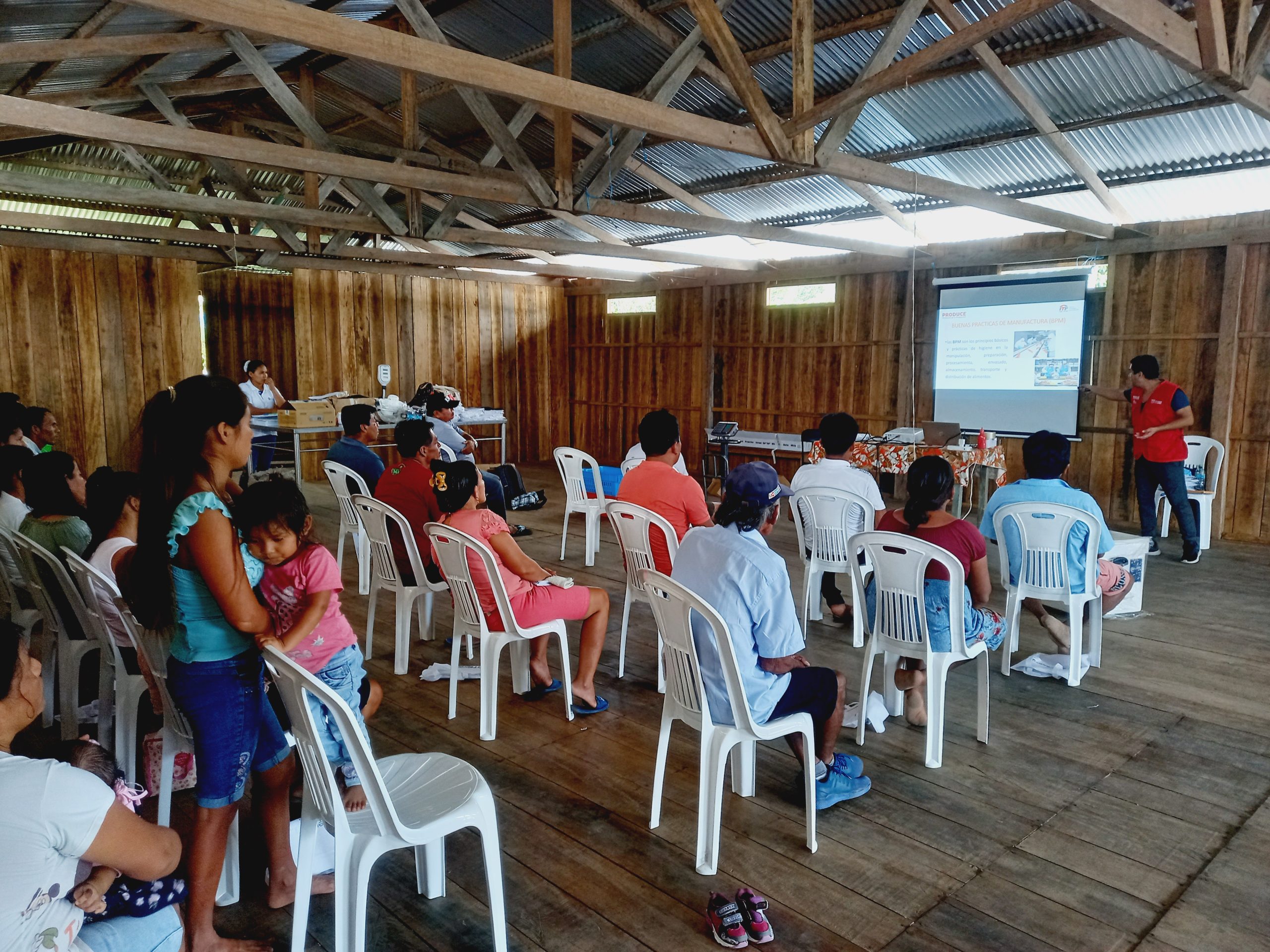
 

Una parte del curso dictado por el CITE Productivo Maynas, en el marco del PNIPA, fue relizado en la asociación Kachizpani de la Comunidad Nativa San Fernando.
Part of the course taught by the CITE Productivo Maynas, within the framework of the PNIPA, was carried out in the Kachizpani association of the San Fernando Native Community.


The workshop culminated with a two-day visit to the CITE Maynas facilities in Iquitos, where technical experts shared their knowledge in the primary processing of fish and the main Kandozi leaders of artisanal fishing were able to strengthen their technological capacities for its conservation, a permanent challenge due to the high temperatures of the area.
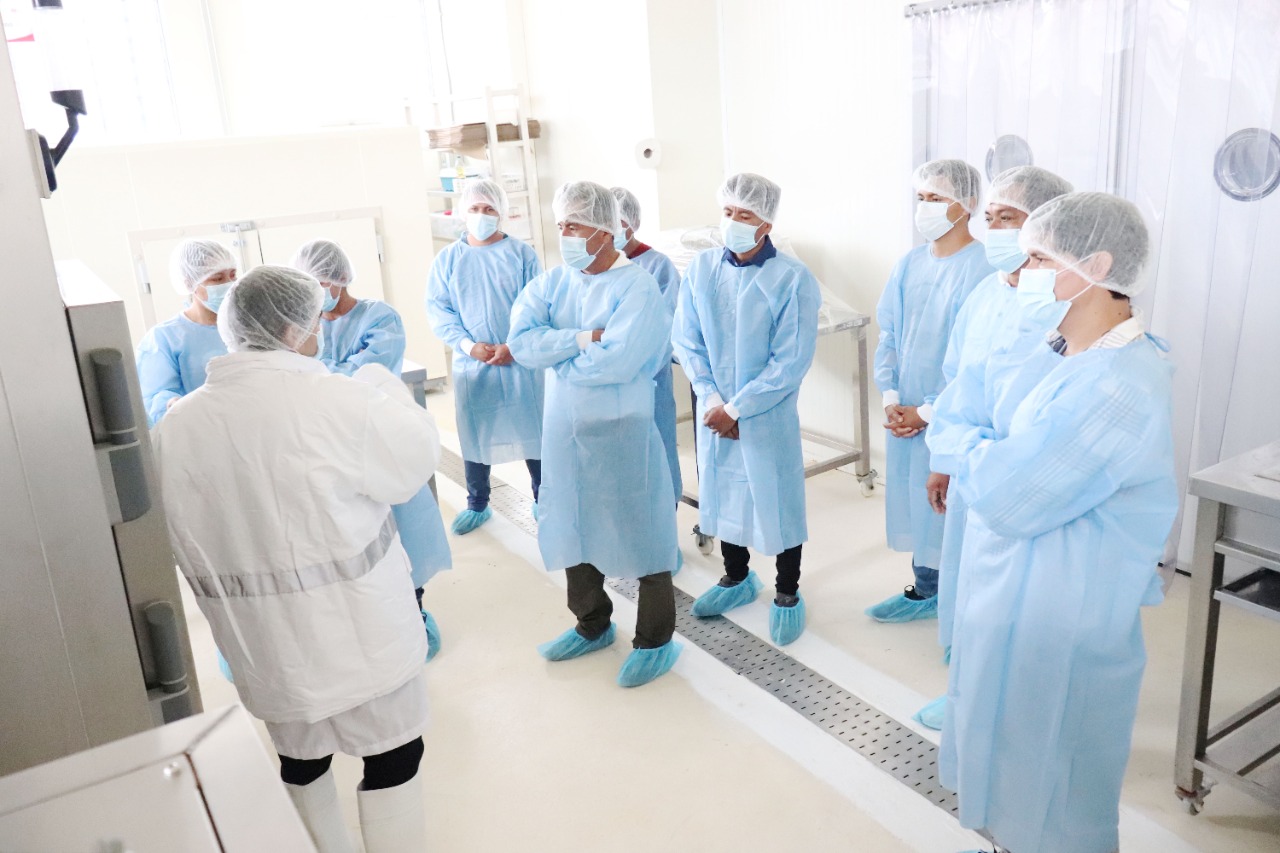
 

Intagrantes de las comunidades Musa Karusha y San Fernando visitaron las intalaciones del CITE Productivo Maynas como parte de la pasantía.
Members of the Musa Karusha and San Fernando communities visited the CITE Productivo Maynas facilities as part of the internship.


This training is the result of work carried out within the framework of the Datem Wetlands Project, through which important partnerships have been established for the management and support of artisanal fishing in the Pastaza corridor of the Amazon. In this regard, the Maynas Productive Innovation and Technology Center (CITE Productivo Maynas), based in Iquitos, has become a strategic partner providing support for technology transfer in the fishing sector.
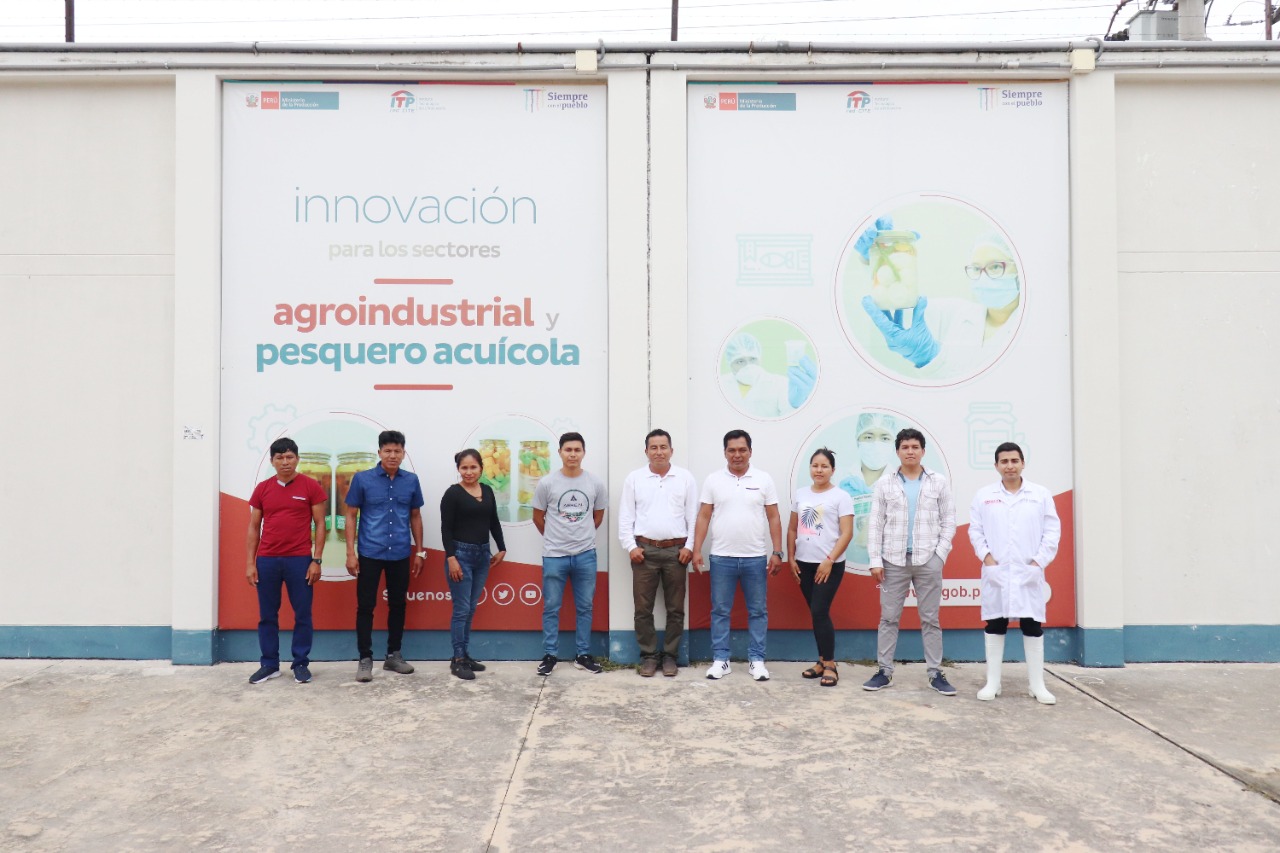
 

Miembros de las comunidades Musa Karusha y San Fernando realizaron una pasantía de 4 días en las instalaciones del CITE Productivo Maynas, en Iquitos.
Members of the Musa Karusha and San Fernando communities completed a 4-day internship at the CITE Productivo Maynas facilities in Iquitos.


About the Datem Wetlands Project:

The Datem Wetlands Project seeks to improve the resilience capacities of indigenous communities living in wetland ecosystems rich in carbon reserves in the Datem del Marañón province, Loreto; as well as improve their livelihoods and reduce greenhouse gas emissions caused by deforestation.

Comunicaciones

Communications

You might be interested in

2026, News

08/04/2026

Comunidades indígenas fortalecen sus ingresos a través de la bioeconomía comunitaria

2026, News

08/04/2026

Acceso directo de organizaciones indígenas al financiamiento climático para la conservación de sus territorios

2026, News

07/04/2026

Survey records 44 bird species in the high-Andean ecosystems of Suitucancha

2026, News

06/04/2026

“Fruits of the Amazon”: More than US$1 million allocated to finance sustainable businesses in the Peruvian rainforest

2026, News

01/04/2026

Peru secures US$1,443,37.5 million in funding to conserve the Peruvian Amazon

2026, News

01/04/2026

New environmental financing opportunities in April