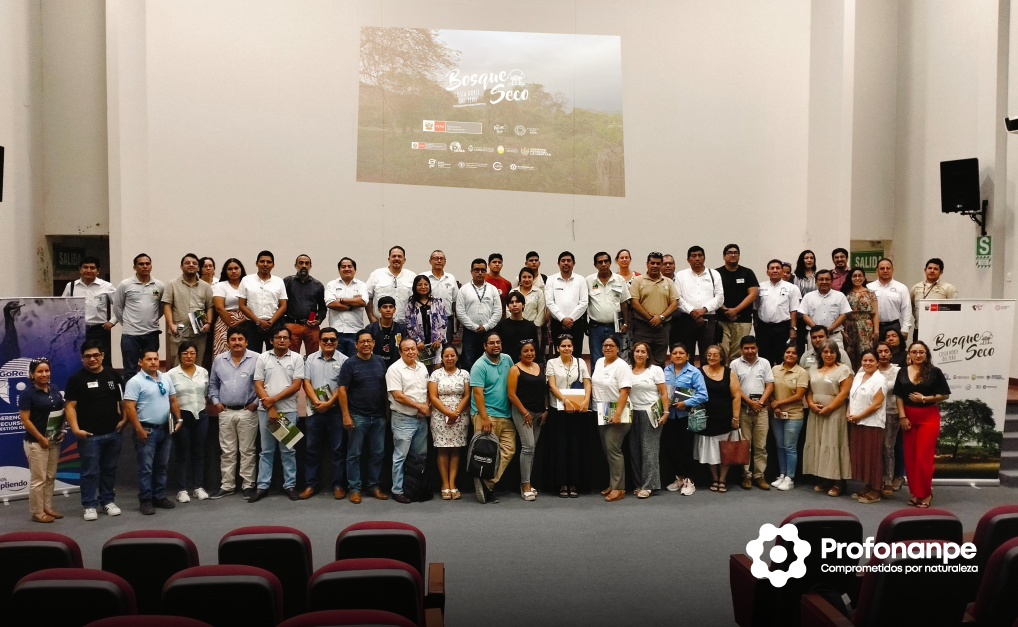
On March 20 and 21, technical assistance workshops on investment projects related to biodiversity were held in the city of Piura, with the aim of providing regional governments with essential knowledge about ecosystems, species, and public investment in biodiversity. These activities aim to strengthen the technical and operational capacities of public officials, promoting project development and closing sectoral gaps. Additionally, synergies will be established for future technical support from the General Directorate of Biological Diversity (DGDB) of the Ministry of the Environment to subnational governments in areas within its jurisdiction.
During these workshops, the importance of public investment in biodiversity conservation was highlighted. Yuri Beraun Baca, Wildlife Management Specialist at the Ministry of the Environment, explained key concepts regarding threatened wildlife species, emphasizing that public investment priorities focus on two main aspects: species recovery and the restoration of ecosystem services. He cited the example of the White-winged Guans, which inhabit dry forests, and whose situation has been successfully addressed. “The emblematic example we aim to achieve is what is happening with the White-winged Guans. Just a little less than 10 years ago, the white-winged guan was downgraded globally from ‘critically endangered’ to ‘endangered’ precisely because of the amount of effort at the regional level by researchers, companies, private citizens, and national agreements.”
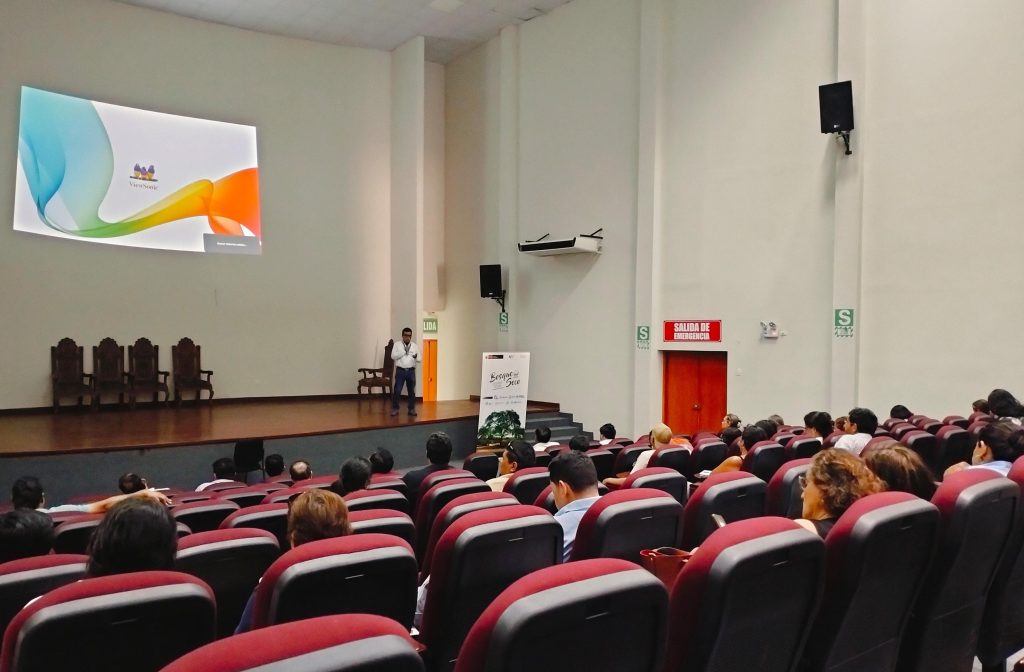
For his part, Harol Gutiérrez Peralta, a CITES Flora Specialist at the General Directorate of Biological Diversity of the Ministry of the Environment, discussed key concepts regarding plant species and the restoration of forest ecosystems for public investment, emphasizing the importance of identifying the native species present in these areas. This is crucial to ensuring that reforestation efforts do not negatively impact existing flora, thereby promoting their harmonious coexistence. He also emphasized the need to promote species diversity in the areas where restoration projects are implemented, ensuring the long-term resilience and health of the ecosystems involved.
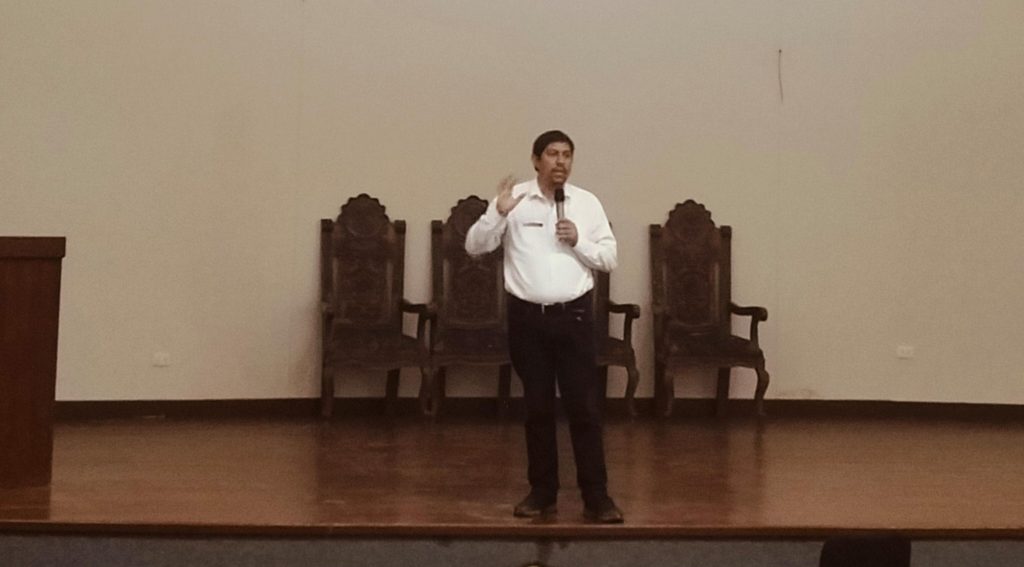
Finally, José Martín Ricaldi Maita, an Investment Specialist from the Ministry of the Environment, participated in the session by providing guidelines for the development of investment projects focused on ecosystem types, species, and support for the sustainable use of biodiversity. Likewise, together with the team from the Regional Government of Piura, practical group exercises were conducted to identify and design strategies for implementing sustainable investment projects.
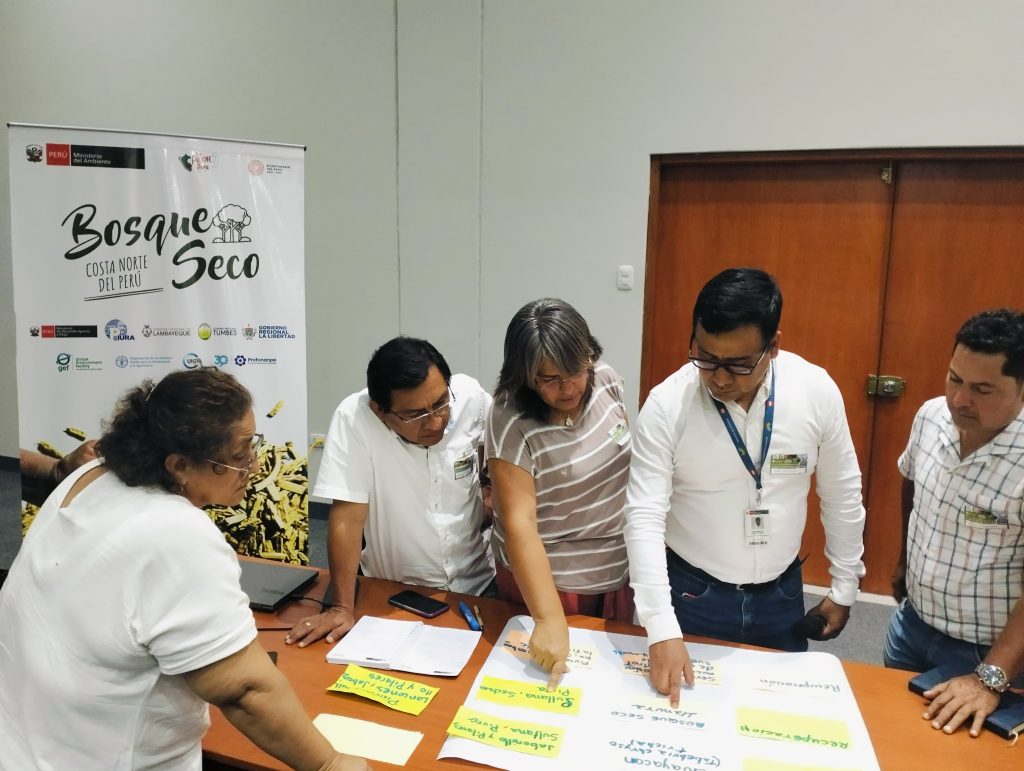
The conservation of plant and animal species is essential because of their ecological role and their function as indicators of ecosystem health, as well as their sociocultural importance to local communities. It is necessary to address these emerging and potential threats through effective coordination among institutions and proper project management that realistically incorporates costs and benefits. These workshops have served to raise awareness of the importance of public investment in species conservation and the need for specific interventions to achieve positive results.
About the project “Dry Forest of the Northern Coast of Peru”.”
Dry forest ecosystems are crucial for climate change adaptation and mitigation, as they harbor great biological diversity and provide essential ecosystem services for local communities.
The “Dry Forest of the Northern Coast of Peru” project is an initiative financed by the Global Environment Facility (GEF) and executed by the Ministry of the Environment. It is supported by the Ministry of Agrarian Development and Irrigation, FAO, IUCN and Profonanpe. Learn more Learn more here.