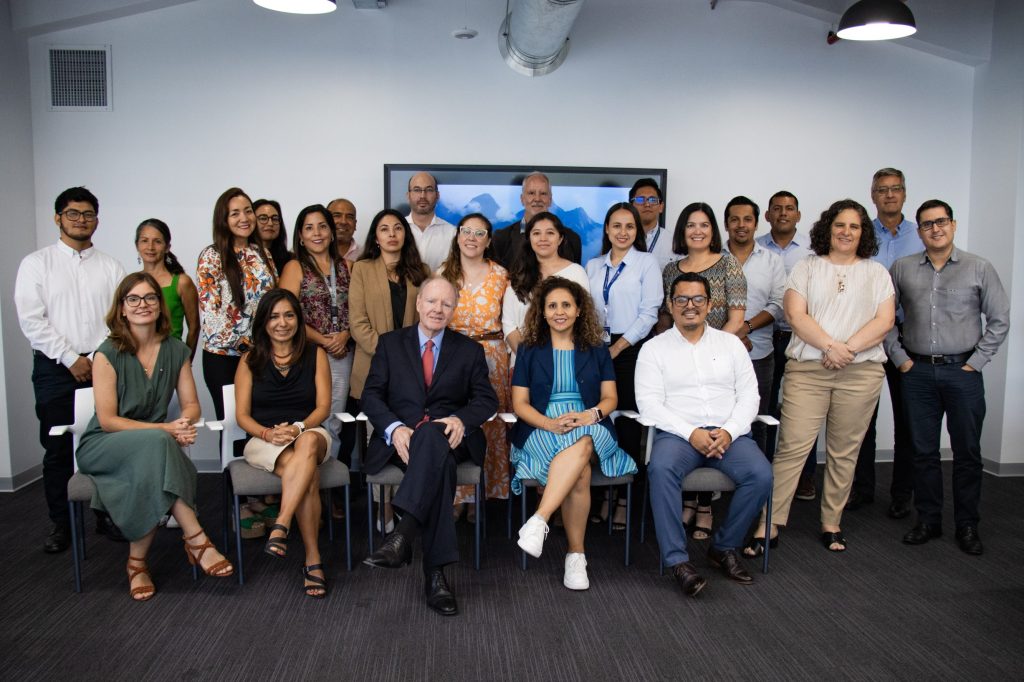
On Tuesday, March 12, the “ABC REDD+ Projects” workshop was held, bringing together private-sector stakeholders and embassy representatives to delve deeper into projects for Reducing Emissions from Deforestation and Forest Degradation (REDD+) and explore opportunities in the voluntary carbon market. During the event, a practical overview of the “Core Carbon Principles” was provided, and the Ministry of the Environment’s Carbon Footprint was presented, during which experiences regarding the implementation of corporate sustainability strategies were shared.
Milagros Sandoval, Director General of Climate Change and Desertification at the Ministry of the Environment, gave an introduction to the Ministry’s REDD+ projects and the regulations governing the country’s carbon markets, as well as the importance of forest conservation in mitigating climate change.
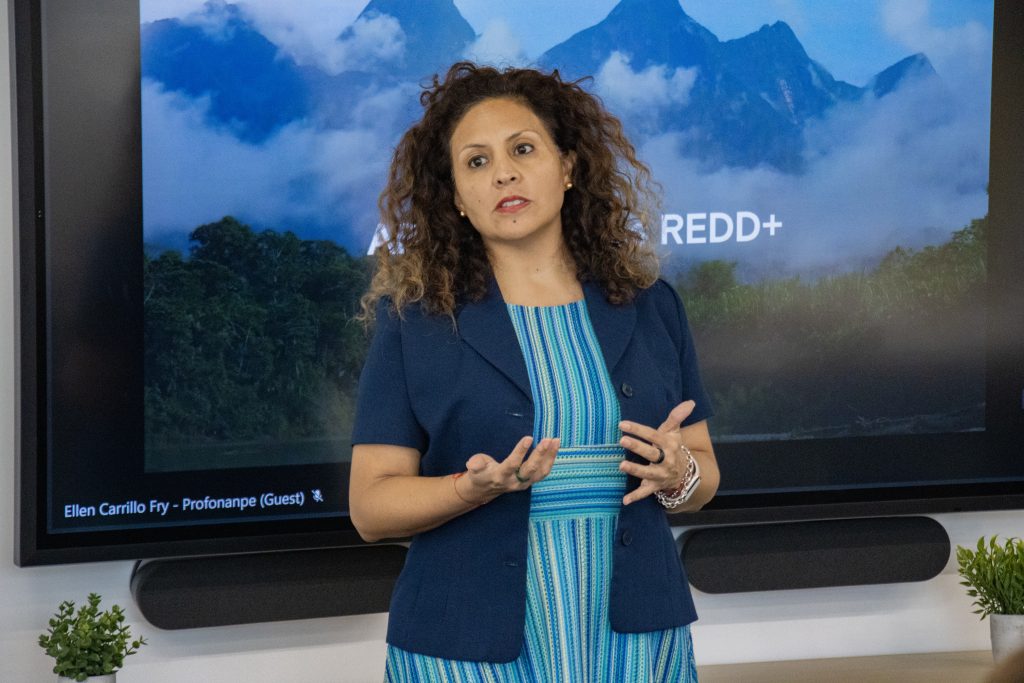
Building on the above, Carlos Fernández, Representative of the General Directorate of Climate Change at the Ministry of the Environment, highlighted the importance of the National Strategy on Forests and Climate Change, as well as the REDD+ Safeguards and Forest Cover Monitoring, as pillars for the successful implementation of REDD+. He also highlighted how REDD+ projects benefit local communities by providing economic opportunities, food security, and climate resilience, using innovation and technology to effectively combat deforestation while fulfilling international commitments.
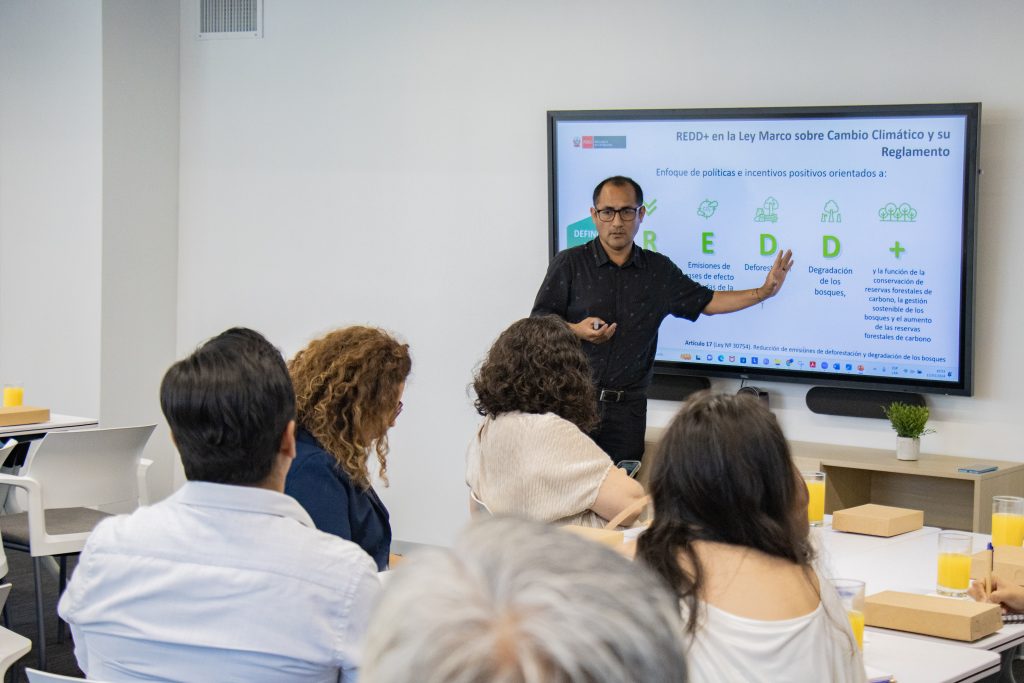
Stefanie Delgado, Director of Investment Portfolio Management at Profonanpe, and Víctor Vera, CEO of Pachamama, focused their presentation on the characteristics of integrity and quality in the voluntary carbon market, highlighting the importance of ensuring the credibility and effectiveness of the carbon credits generated, as well as knowing and understanding the various guidelines established at the international level. “These new integrity principles, the Core Carbon Principles (CCPs), are being integrated into the main international standards currently in force. The expectation is that credits issued with this seal in the future will achieve a higher value in the voluntary market,”Stefanie emphasized.
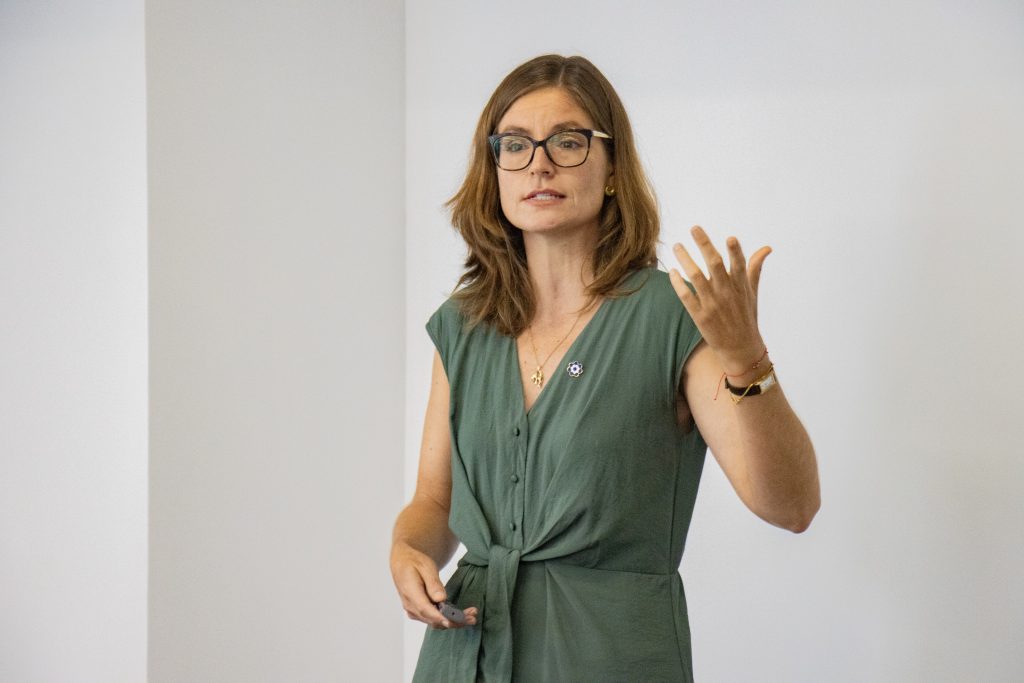
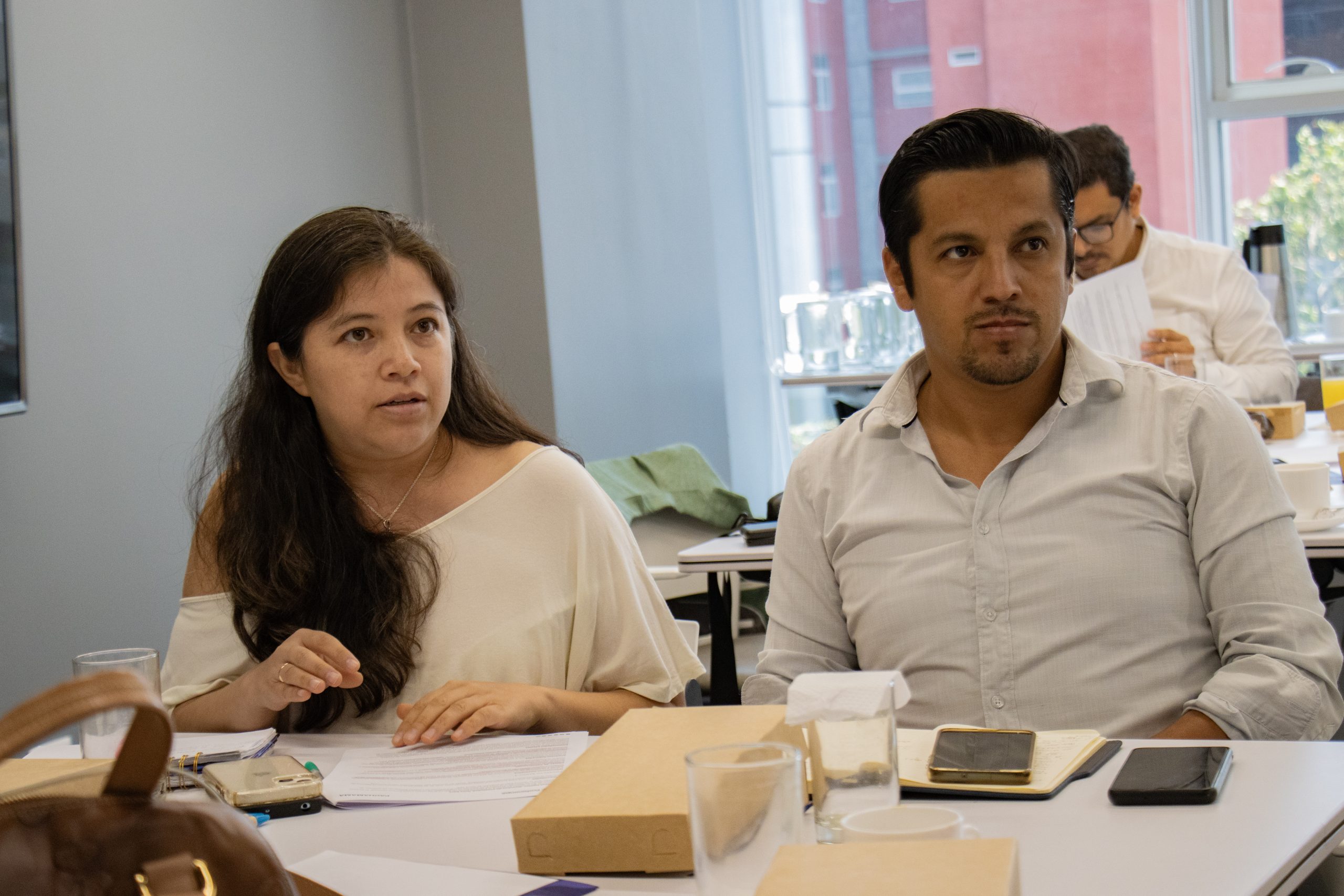
An opportunity for dialogue was also created, where, through an interactive exercise, participants were able to evaluate investments in REDD+ projects using a business case study.
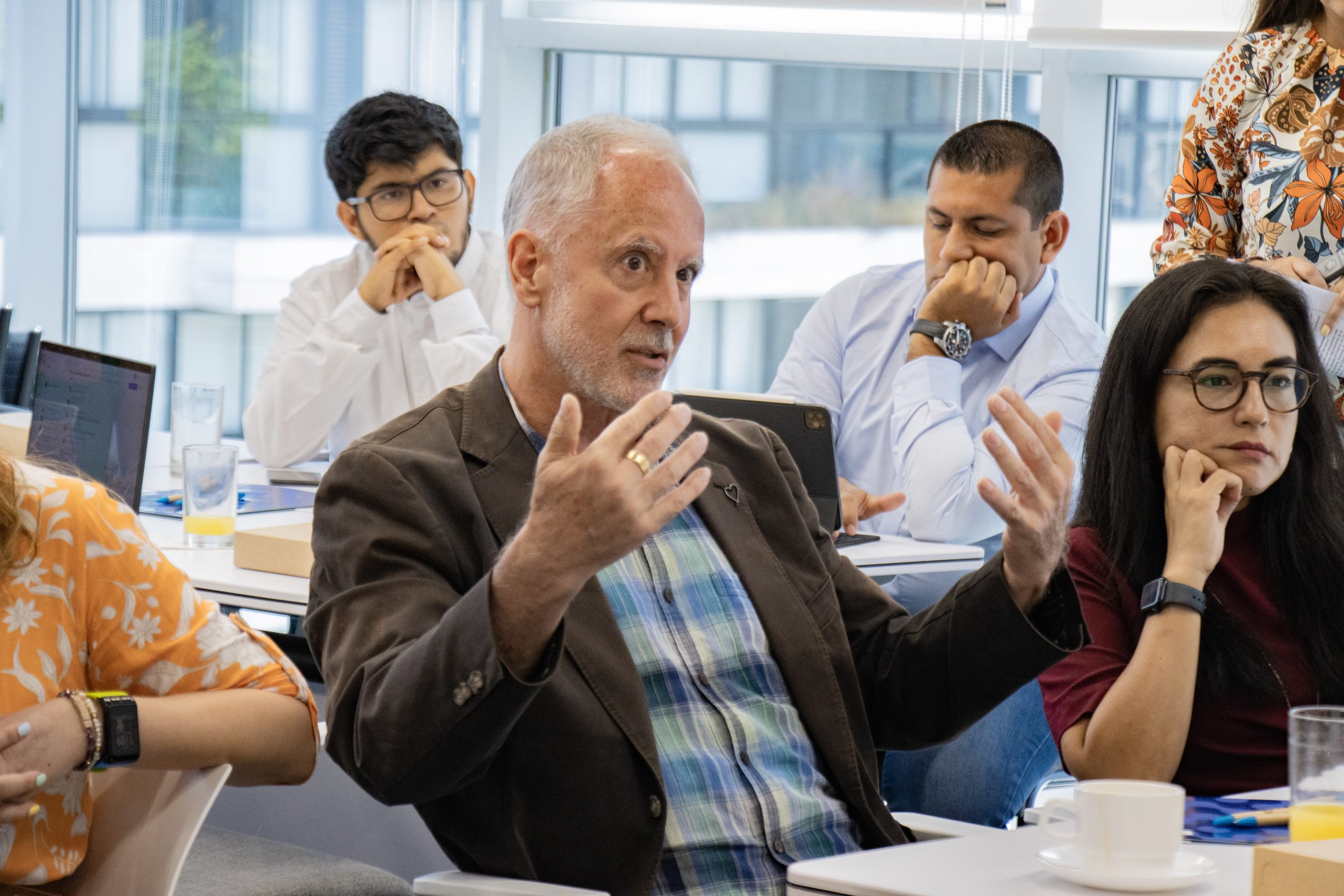
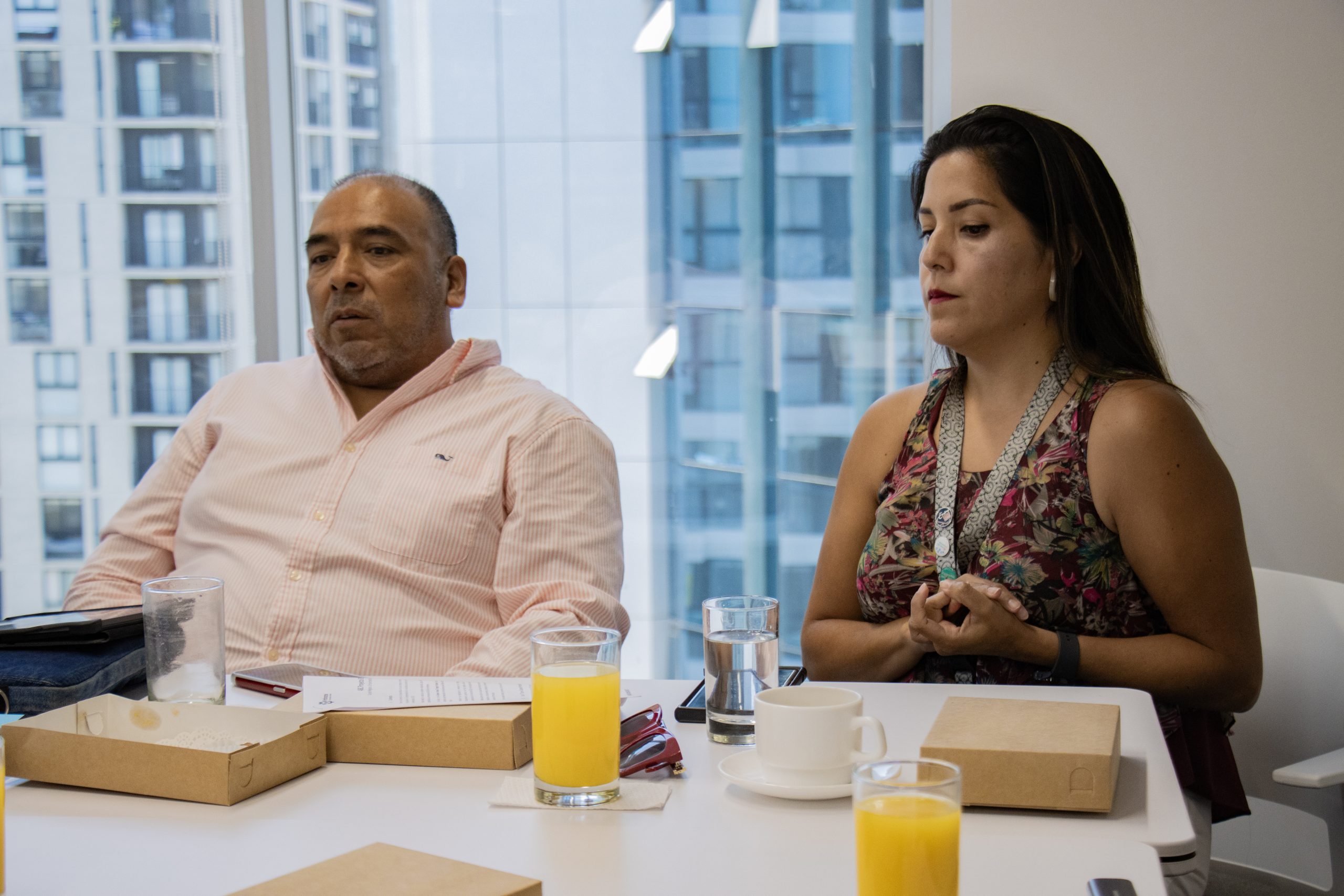
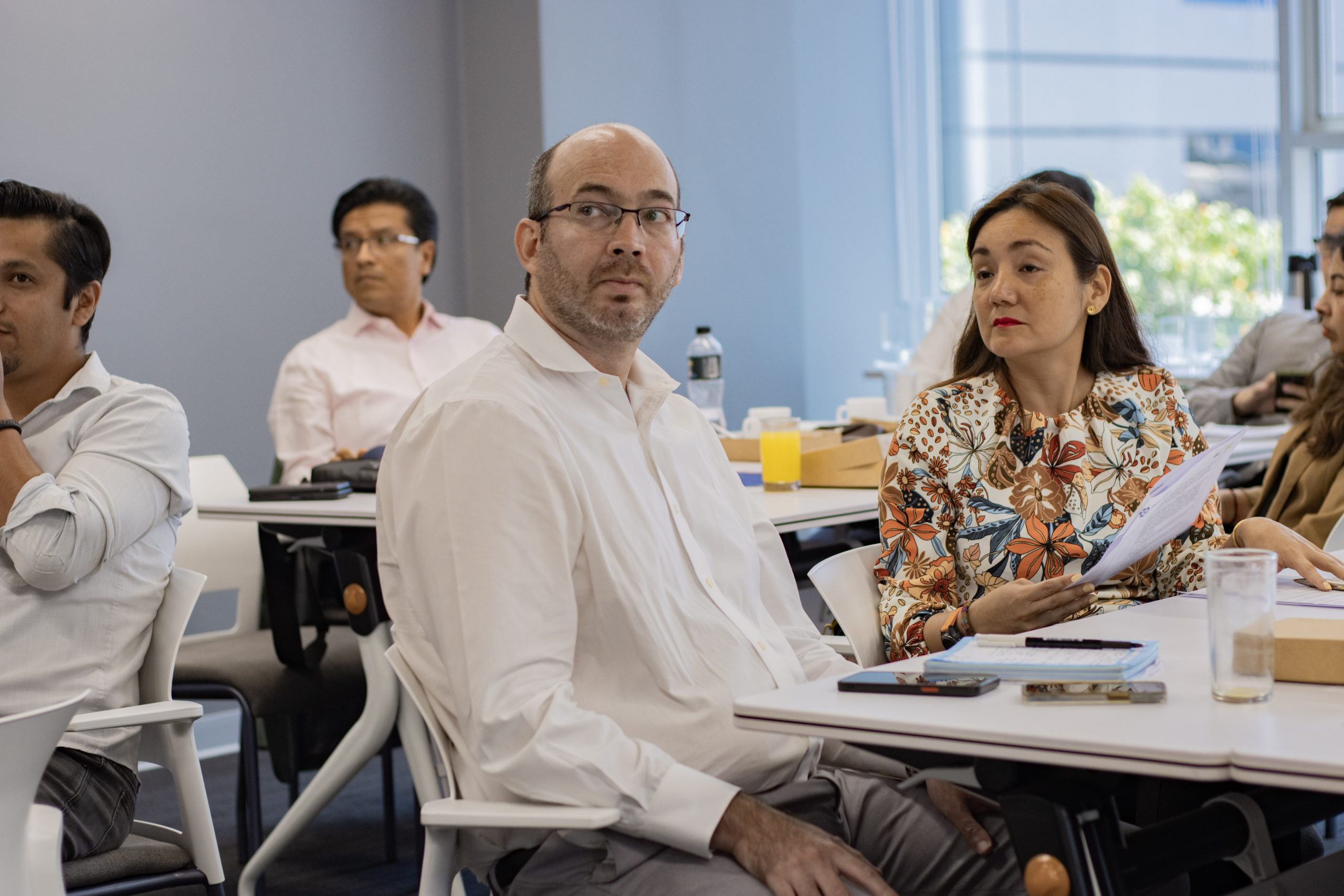
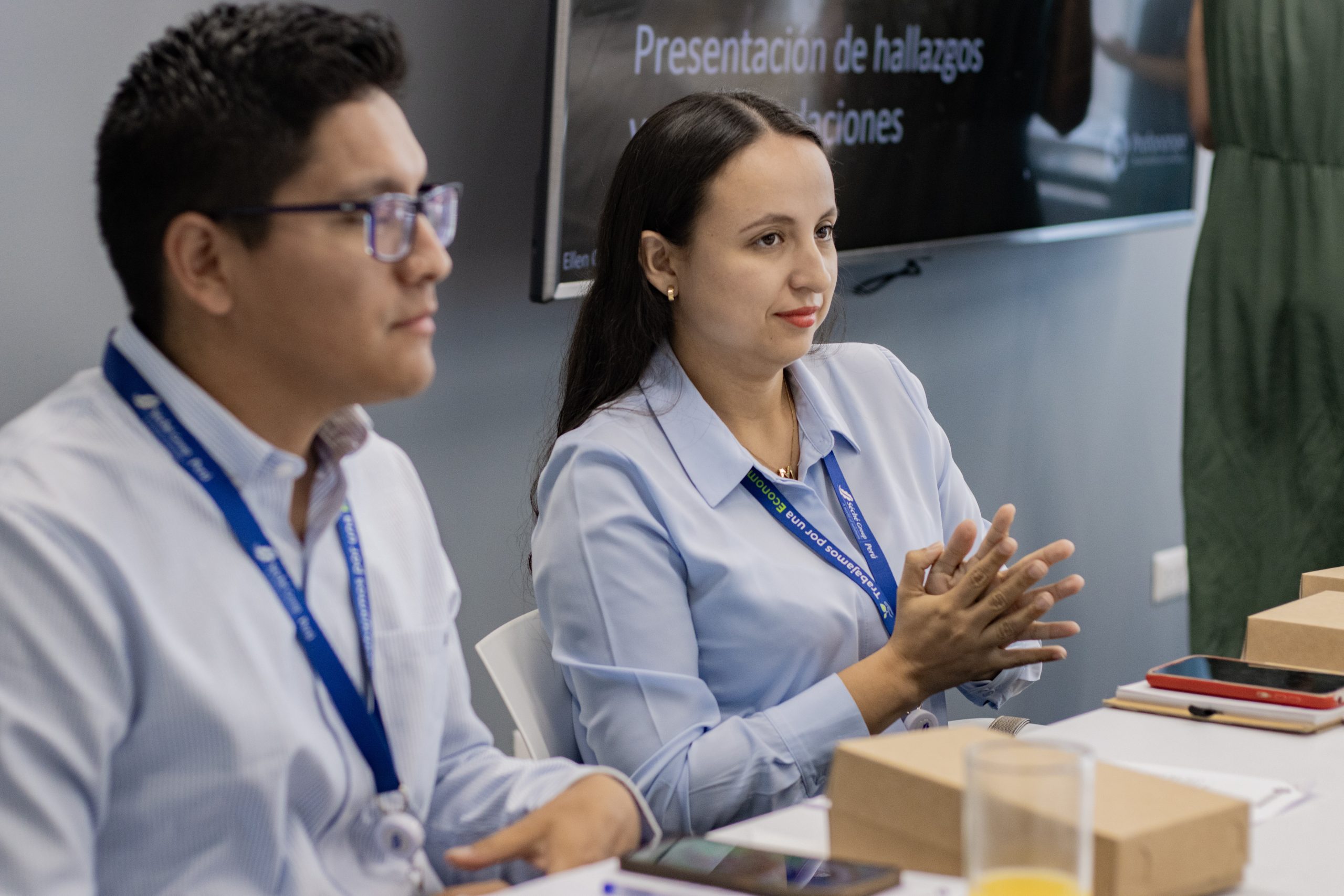
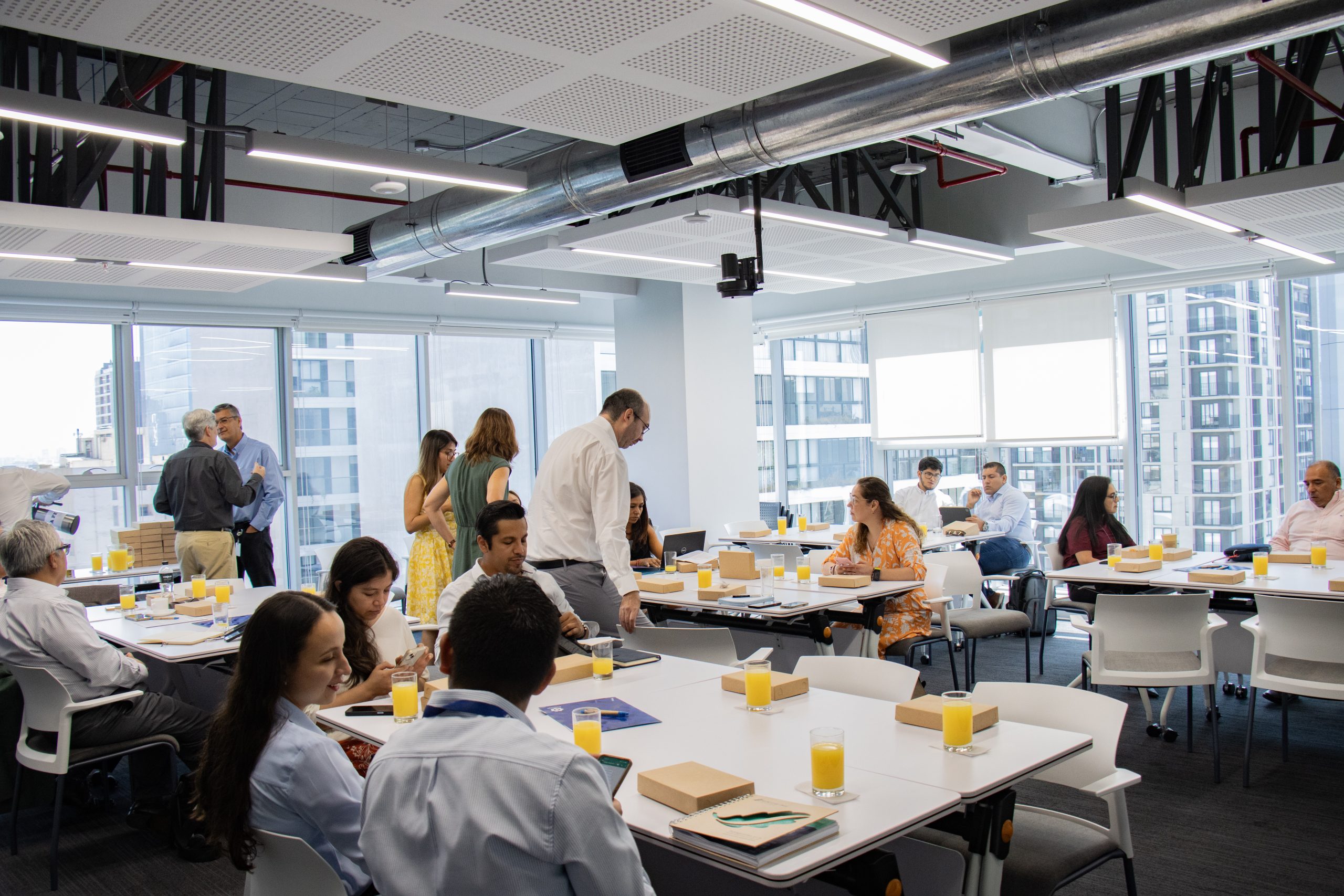
The event concluded with a panel discussion on practical experiences in implementing “La Huella de Carbono,” a tool developed by the Ministry of the Environment that recognizes effective measurement and management of carbon emissions. The panel was moderated by Milagros Sandoval, alongside Thomas Duncan, President of the Business Sustainability Commission of the Lima Chamber of Commerce, and David García, Environmental Strategy Manager at Credicorp. Both experts shared perspectives and best practices on measuring and managing the carbon footprint in the business sector, highlighting the importance of environmental responsibility in corporate decision-making.
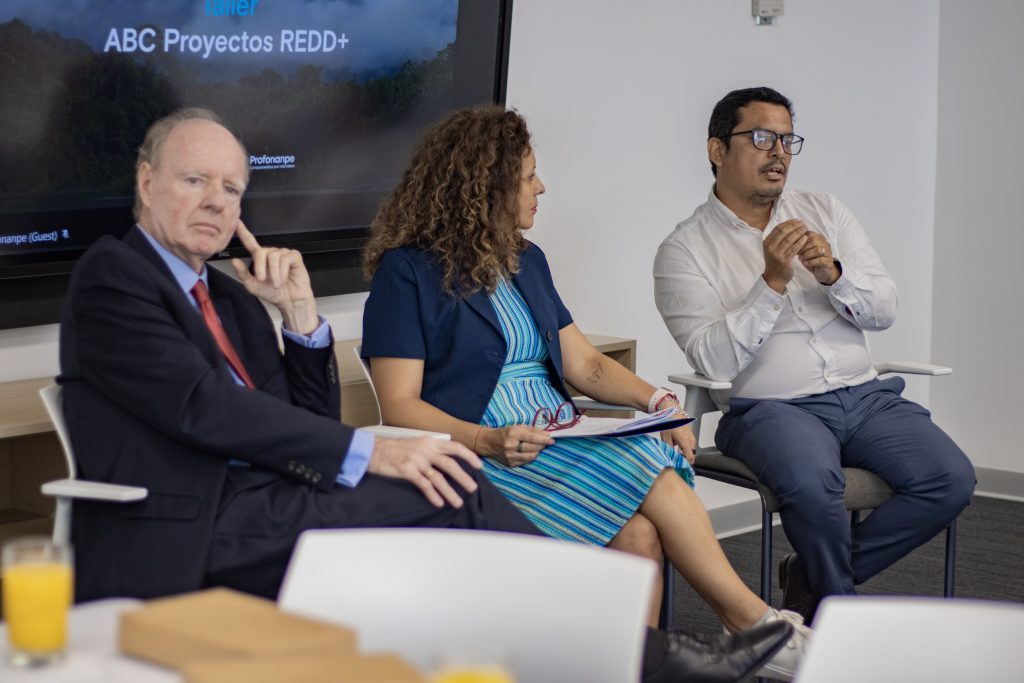
The “ABC REDD+ Projects” workshop provided a unique opportunity to introduce the private sector to the opportunities and challenges of the voluntary carbon market, in partnership with environmental funds and government institutions, in the fight against climate change and the conservation of natural resources.