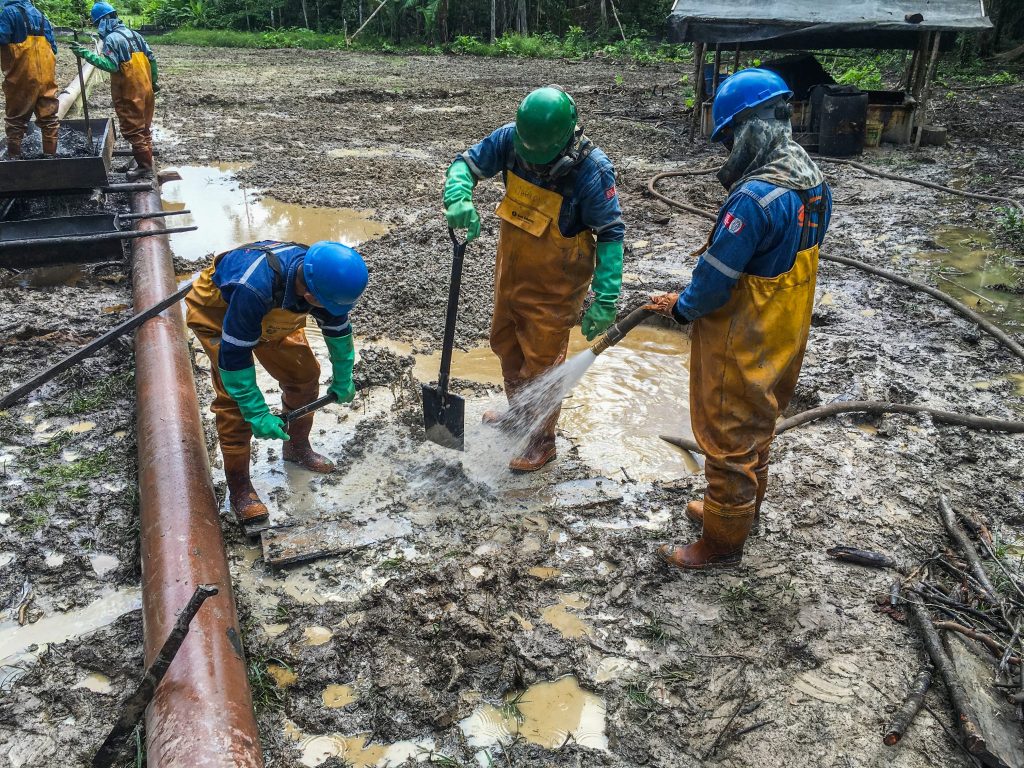
If we look closely at this region, spills resulting from hydrocarbon activities are frequent; however, they often go unnoticed due to the remoteness and difficult access to the area.
Given this scenario, what is being done to recover our Amazon?
In 2015, the Peruvian State created the Contingency Fund for Environmental Remediation. For the first time, resources were allocated to remediate environmental liabilities that merit priority and exceptional attention from the State in the Tigre, Pastaza, Corrientes and Marañón basins, the most important oil exploitation area in our country.
The Contingency Fund, whose technical, administrative and financial secretariat is provided by Profonanpe, Peru’s environmental fund, has developed more than 30 rehabilitation plans for 32 impacted areas prioritized by the Board of Directors, a governance mechanism made up of government entities and federations.
The rehabilitation plans were submitted to the Ministry of Energy and Mines (Minem), the institution in charge of reviewing them, and received more than 4,800 observations. Since 2020, Profonanpe has been working with consultants to resolve nearly 4,000 observations, which has led to the approval of the first 14 rehabilitation plans: 12 in the Corrientes basin, 1 in the Tigre basin and 1 in the Pastaza basin.
The previous step to remedy
Once the remediation plans have been approved, the next step is to prepare the detailed engineering, that is, to gather all the information required to define what is required for the future execution of the remediation process.
At the last meeting of the Board of Directors, Profonanpe was given the task of negotiating with the consulting firm to prepare detailed engineering for eight sites in the Corrientes Basin. These must be accessible by river and land, taking into account that some routes that allow access to other impacted sites are in poor condition and their maintenance and repair depends exclusively on PeruPetro.
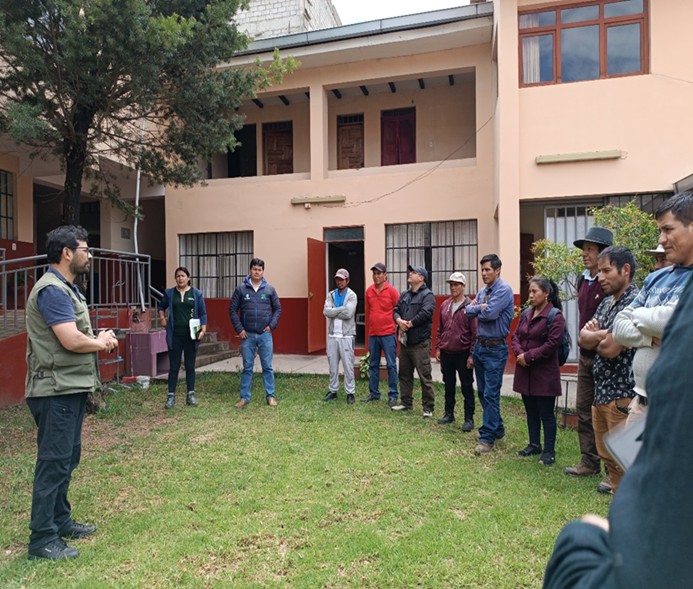
Profonanpe is working hard to get the remediation done; however, the process can take a long time because it is important to coordinate with different stakeholders: federations, native communities, ministries, consulting firms, among others.
It is important to note that Profonanpe is working in areas impacted more than 50 years ago. The current regulations state that the companies in charge of hydrocarbon exploration and exploitation are responsible for the contamination that is now occurring.