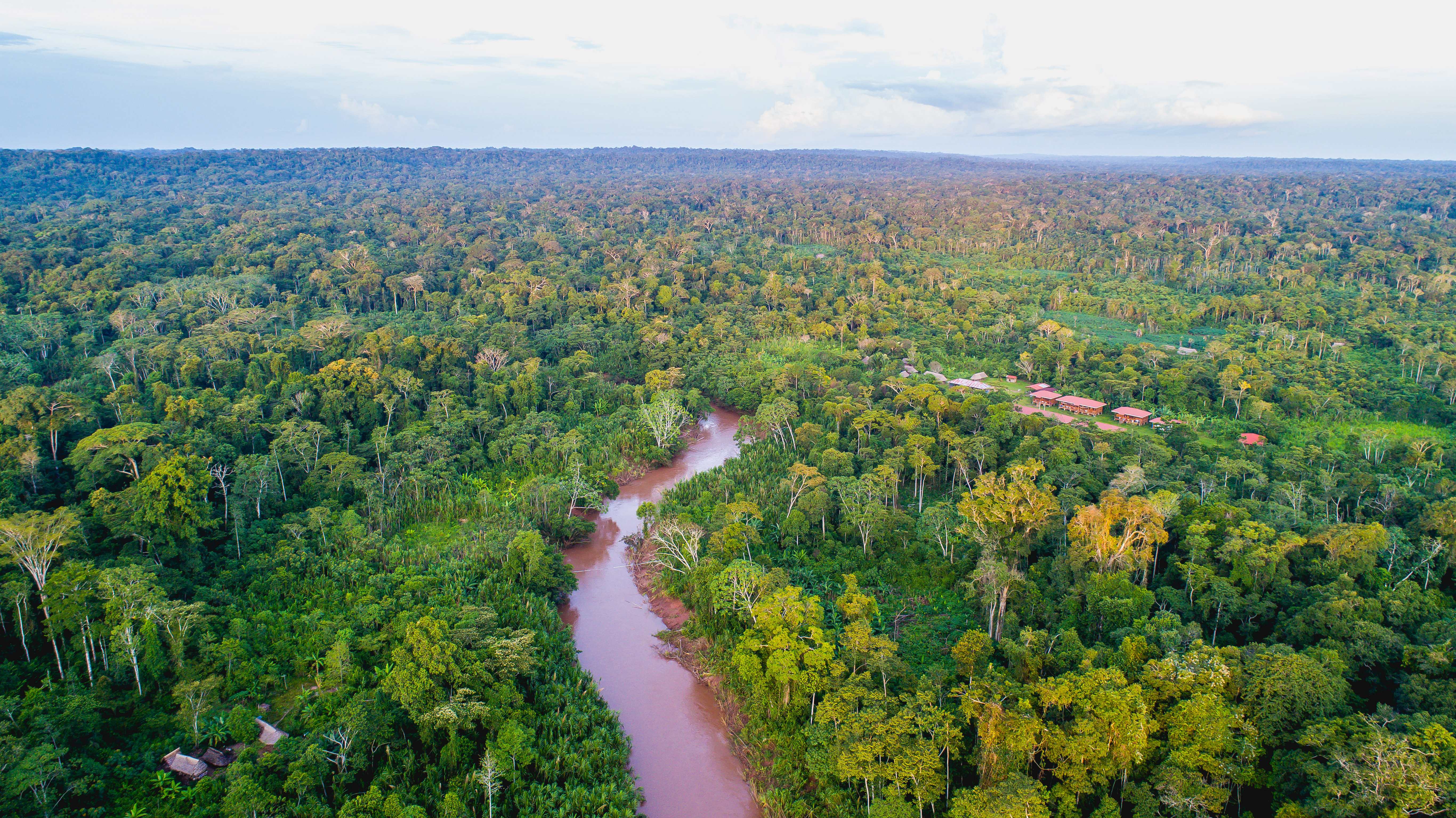
For the first time in the country, authorization has been granted through a contract for access to our genetic resources for research and trade purposes, based on maca and yacon, two species of native biodiversity; this in strict compliance with the guidelines of the Nagoya Protocol and the Common Regime of Access to Genetic Resources, established in Decision 391 of the Andean Community.
According to Karina Ramírez, coordinator of the GEF ABS Nagoya Project of the Ministry of the Environment (Minam), these two authorizations represent an achievement for the country, as it will be a national and international benchmark, highlighting our extensive biodiversity and participating in its benefits and conservation.
This highlights the national efforts to advance the implementation of the Nagoya Protocol, sending a message to companies and institutions interested in the potential use of genetic resources and derivatives of our native species. “Peru is improving and standardizing processes and procedures to provide predictability, clarity, and legal certainty for our genetic resources through a national access system that is being strengthened,” said the coordinator.
The Ministry of the Environment (Minam) is the governing body for access to genetic resources and is responsible for the implementation of the Nagoya Protocol in Peru, and promotes the knowledge, conservation and enhancement of the components of biodiversity, in this case through innovation and development.
Contribution from academia
One of the organizations involved in the implementation of the Nagoya Protocol is the National Institute of Agricultural Innovation (INIA), as the authority in charge of the administration and execution of access to genetic resources of cultivated and domesticated species.
This institution awarded the first two commercial access contracts to the Peruvian University Cayetano Heredia (UPCH), for the research and development of therapeutic products based on the properties of maca and Peruvian yacon.
The access contracts were awarded for the project “Elaboration of sachets of a combination of Maca and Yacon extracts: chemical and biological evaluation”, which will investigate properties of these Peruvian species, in order to identify properties for the treatment of diseases.
In addition, the contract was awarded for the project “Efforts for the development of drugs from medicinal plants: Maca”, which seeks to obtain standardized extracts of this plant to improve different physiological and pathological aspects.
In this regard, Geraldine Espinoza, from the UPCH Office of Technology Transfer and Intellectual Property, indicated that these contracts reaffirm the commitment to complying with research, development, and innovation regulations, setting a precedent. “This encourages other research centers to study and take advantage of the properties of the genetic resources offered by our rich biodiversity, whether for commercial or non-commercial purposes,” she added.
For his part, Jesús Caldas, Director General of Agricultural Innovation Management at INIA, stated that these contracts demonstrate the installed technical capacity for the implementation of legal frameworks related to access to genetic resources and the fair and equitable distribution of benefits in Peru.
The Fact:
– Through the GEF ABS Nagoya Project “Effective implementation of the regime of access and benefit-sharing and traditional knowledge in Peru in accordance with the GEF ABS Nagoya Protocol”, technical and legal assistance is provided for access and fair and equitable participation of the benefits derived from the use of our genetic resources, in accordance with international frameworks.
– Researchers, academia, as well as cosmetic, pharmaceutical, food, bioremediation companies, among others, are key players in offering nature-based solutions through the use of Peruvian biodiversity.