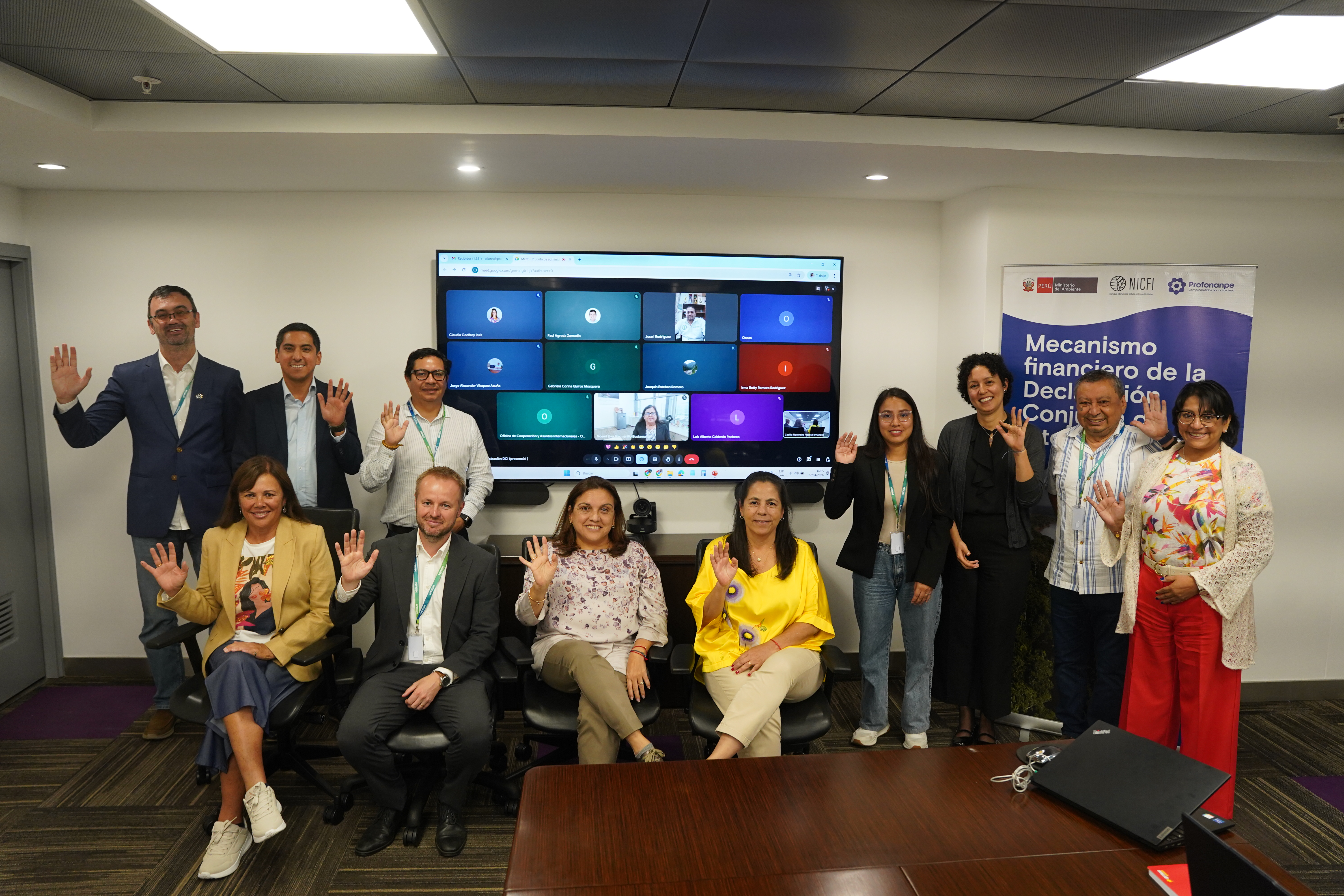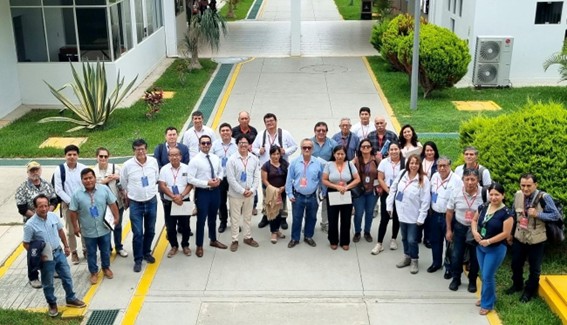
Within the framework of the project “Adaptation to the impacts of climate change on the Peruvian coastal marine ecosystem and its fisheries”, last Tuesday the 9th, the talk “Study of socio-ecological vulnerability to climate change of artisanal fishing communities of the province"Talara's beginning," which was attended by Dr. Borja González Reguero.
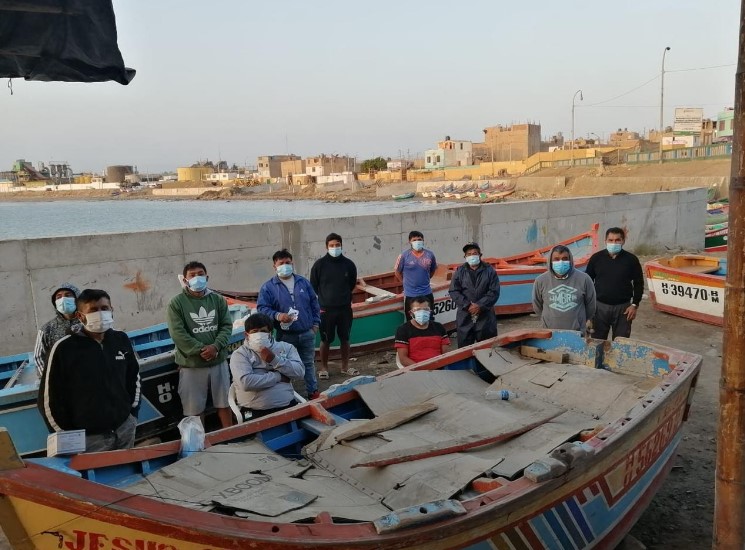
During the event, participants explored in depth the work that Imarpe, the Adaptation Fund, the Ministry of Production, and Profonanpe have been carrying out over the past year. They also conducted a socioeconomic and ecological vulnerability analysis of artisanal fishing communities in the province of Talara in the context of climate change. These communities are especially vulnerable due to the effects of climate change on species, as well as the limited diversification of their productive activities, which makes fishing their primary source of income. This can lead to difficulties in meeting basic needs and social problems such as migration.
Based on this premise, it is argued that there is a direct and indirect relationship between changes occurring in the ocean, changes in its subsystems, and the communities that use these ecosystem resources. This leads to the quantification of socio-ecological vulnerability, which provides a scientific basis for sound decision-making by local governments, as well as for the implementation of new adaptation measures in the study areas. In this process, several difficulties have been identified in the fishing sector, which have possibly been exacerbated by the health crisis.
In response, several tasks remain to be undertaken, primarily related to strengthening the technical and productive capacities of the communities, improving landing infrastructure, and developing sustainable management plans that allow for constant monitoring and tracking of indicators. Furthermore, due to the pandemic, fishers have been unable to carry out their work regularly, resulting in a decrease in their income. Currently, we are still hoping that the situation caused by COVID-19 will not worsen, allowing for the strengthening of the technical and management capacities of coastal communities.