Photo: River Wolf
Photo credits: PNY Headquarters
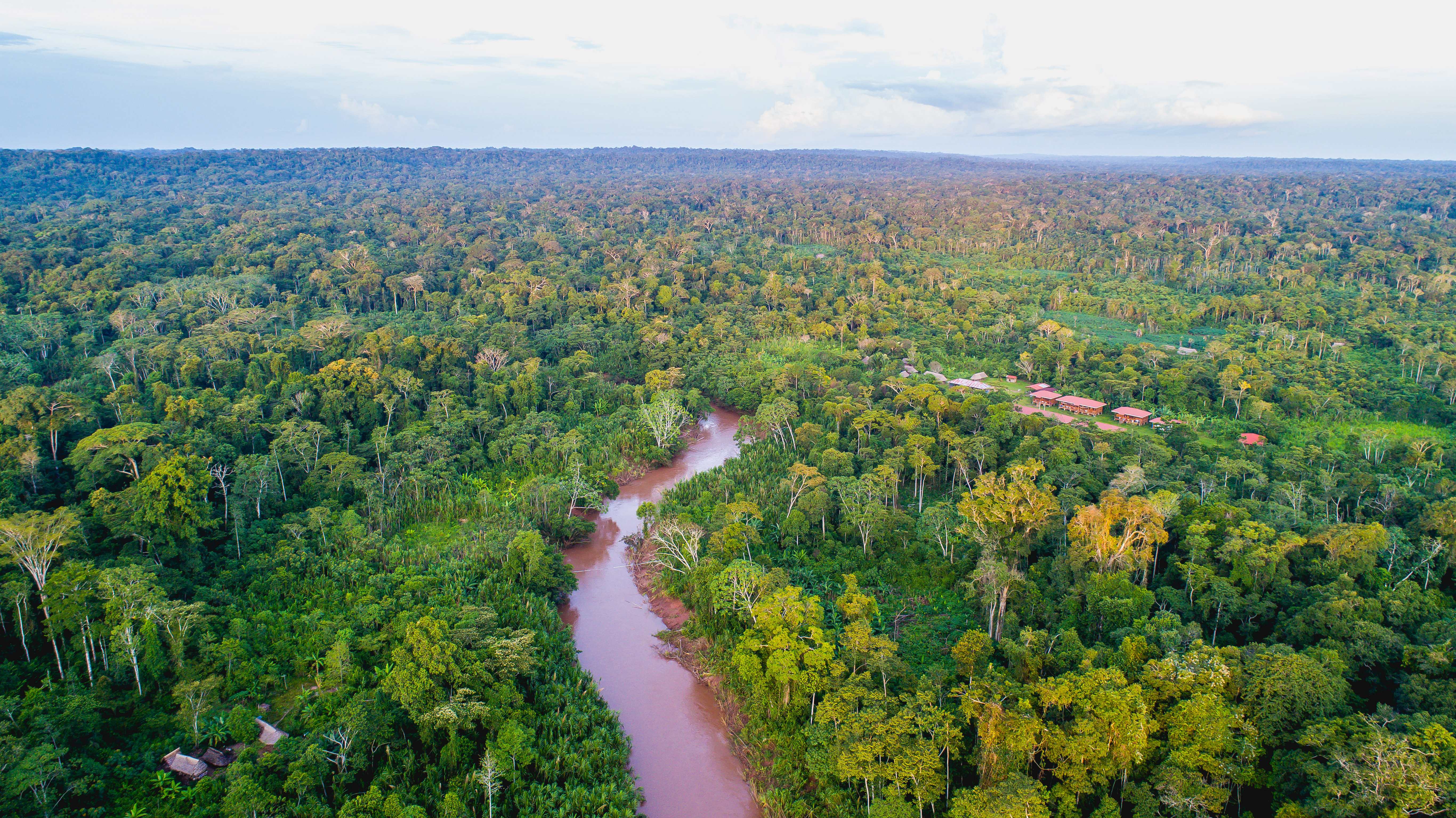
An indicator species is an organism whose presence, absence, or abundance reflects the health of an ecosystem. Currently, Yaguas National Park (PNY), located in Loreto, is in good condition, with 1001% of its territory conserved and free from human activity. This result has been achieved within the framework of the project "Bases for the Effective Management of Yaguas National Park," funded by the Andes Amazon Fund and implemented by the PNY Management Office. Profonanpe is part of the project, providing technical assistance and support in monitoring and achieving its objectives.
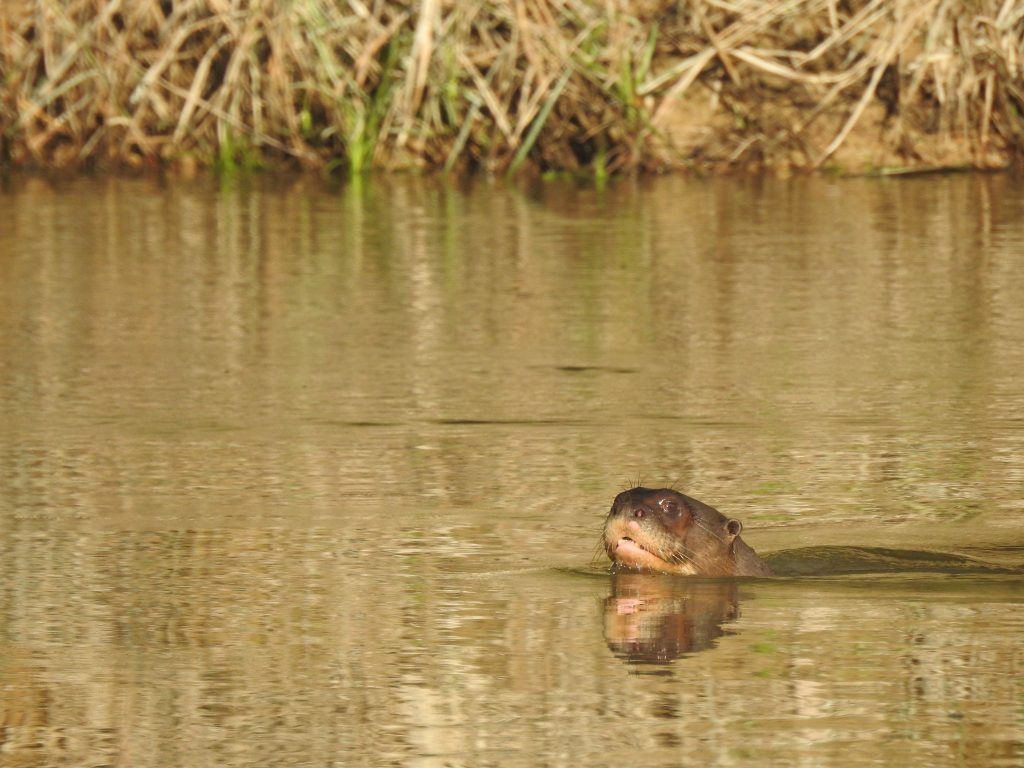
Since 2018, the Management has strengthened its monitoring and control activities through overflights, community surveillance, and special patrols, which has been conducive to the repopulation of various species that are now indicators of good conservation status. Among the indicator species of the good conservation status of this Protected Natural Area (PNA) are the paiche, the arowana, the harpy eagle, the woolly monkey, macaws, the white-lipped peccary, the jaguar, the giant otter, the manatee, and the white-headed guan.
The paiche and the arowana suffer intense fishing pressure due to their high economic value; however, their populations are recovering in Yasuní National Park (PNY). Furthermore, along with the manatee and giant river otter, they are considered indicator species for the conservation of this protected natural area because their presence indicates the good quality of the aquatic ecosystems. Years ago, illegal mining was practiced in the Yaguas River, and it was not possible to spot these species.
Another conservation indicator species is the harpy eagle, a large bird that is usually threatened due to habitat loss. However, it currently inhabits the forests of Yasuní National Park (PNY). The woolly monkey, due to hunting pressure both inside and outside the PNY, is no longer sighted near communities; however, park rangers report that they are frequently observed within the protected area because they are no longer hunted by the illegal loggers who used to carry out their illicit activities there.
It is also possible to spot macaws, which are good indicators of forest quality since they are usually only found in undisturbed habitats like those in Yasuní National Park (PNY). In addition, the white-lipped peccary is another species whose population has increased. This is perhaps the Amazonian mammal most hunted for its meat; however, it is within and outside PNY that it has the highest number of sightings. PNY is a breeding ground for this species, and when it disperses into territories near the Park, it is used for subsistence by the 26 native communities that live in the surrounding area.
Another indicator species of good conservation status is the jaguar, which is often threatened for its skin and fangs, used as aphrodisiacs in Asian countries. Furthermore, the jaguar is considered an umbrella species, as its protection in Yasuní National Park (PNY) helps conserve other species such as the white-lipped peccary, agouti, paca, tapir, and deer, among others, on which it feeds.
The white-headed guan, as well as other game birds, are highly valued for their meat, suffering great hunting pressure in the forests they inhabit; currently their presence only occurs in areas in good conservation status such as the PNY and they are important seed dispersers.
Finally, community monitoring also plays a vital role in mitigating threats to this protected natural area. Together with community monitors from 16 native communities that have Conservation Agreements and live within the area of influence of Yasuní National Park (PNY), joint monitoring and control efforts are carried out. These efforts serve as the first line of defense against threats that could affect the Park, thus contributing to the repopulation of wildlife. With this project, we can say that we are moving towards a sustainable development model that involves species conservation and the strengthening of the institutions and leaders involved in their care.