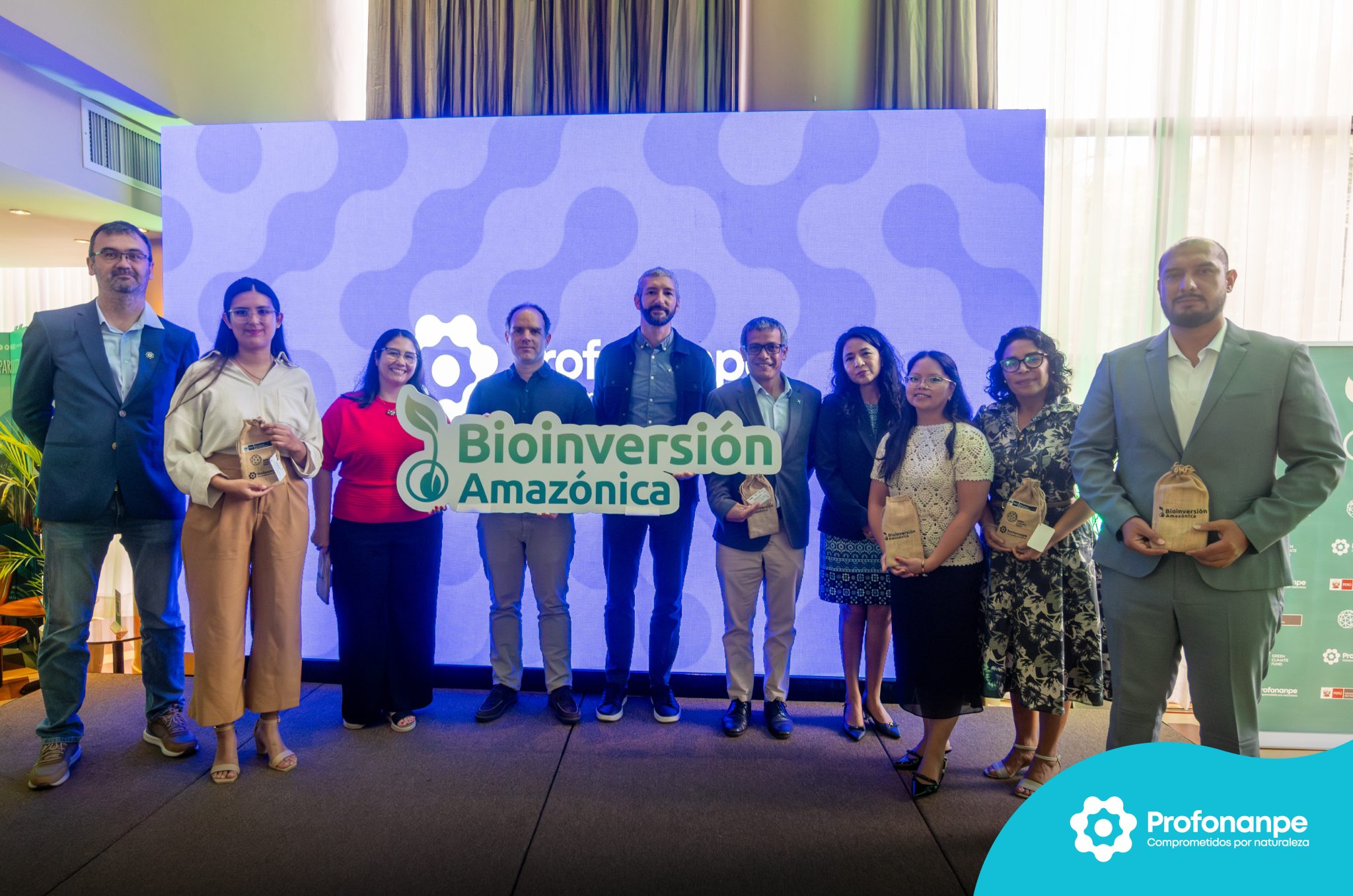

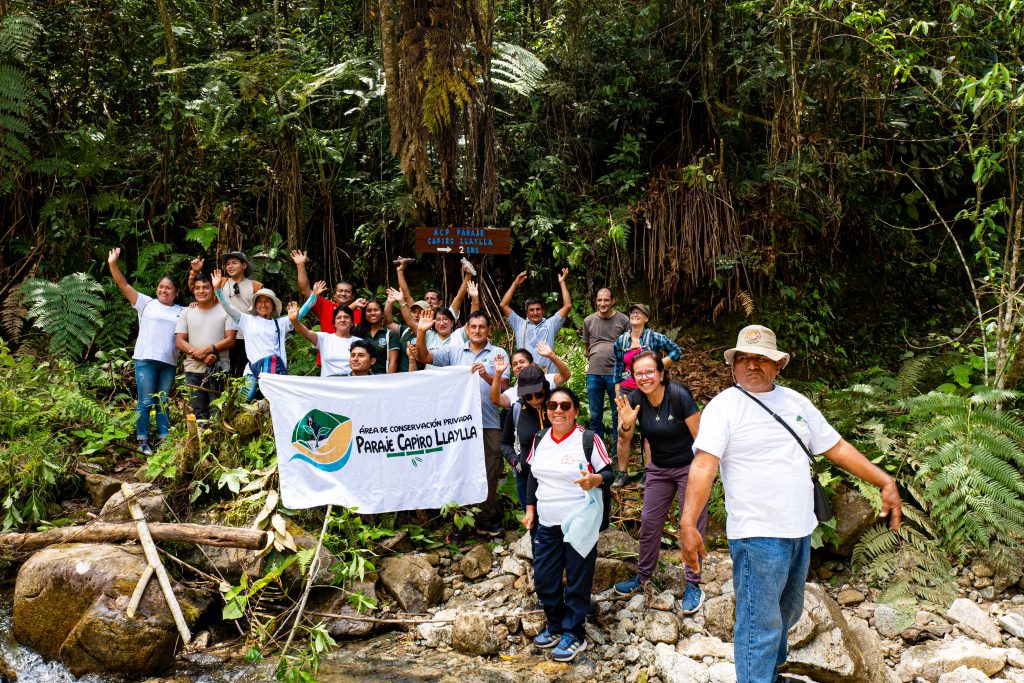
The Tropical Forests Competitive Fund announced the 19 winning initiatives of the 2025-1 call for proposals, submitted by native communities, associations, cooperatives, women’s organizations, local NGOs, and small businesses in the southern Amazon located in Madre de Dios, Satipo (Junín), Atalaya and Purús (Ucayali), Carabaya and Sandia (Puno), Cusco, and Apurímac.
A key aspect of this call for proposals is that the funds come from a financial mechanism called Debt for Nature Swaps. This mechanism, through an agreement between countries, allows existing external debt to be exchanged for nature conservation actions. In this specific case, the resources are allocated to the conservation of tropical forests in the Peruvian Amazon under the Tropical Forest Conservation and Coral Reef Act (TFCCA), approved by the United States government. From a total fund of US$20 million to be channeled over the next ten to twelve years, 10.7 million soles in non-reimbursable funds will be allocated to the 19 winning initiatives in this first call for proposals.
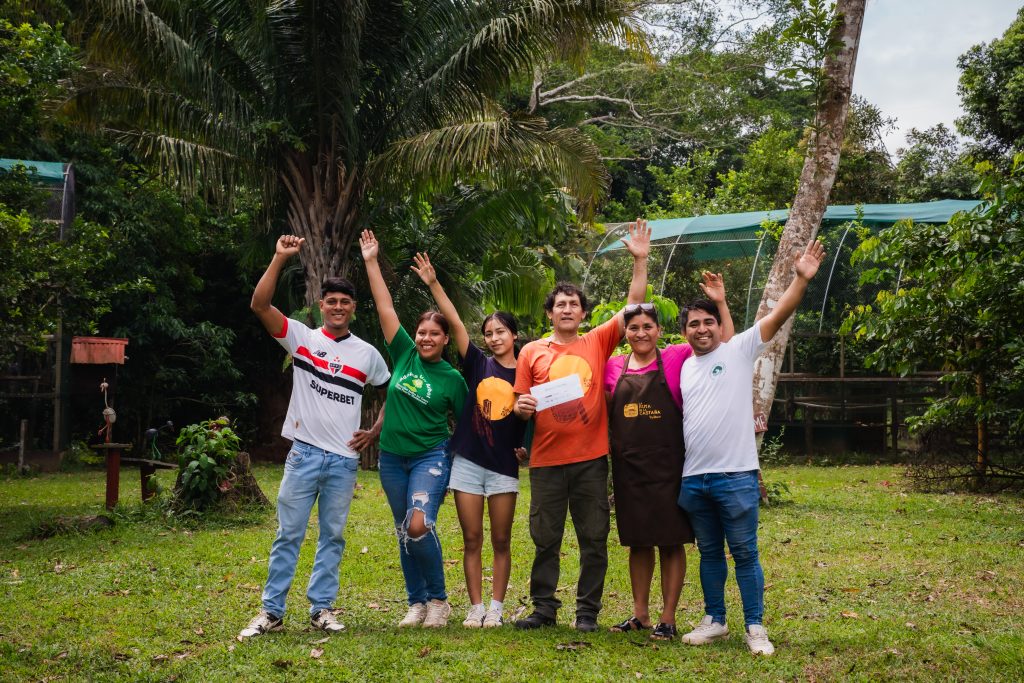
One of the winning projects in Madre de Dios is “The Chestnut Route: a sustainable economic alternative that makes conservation profitable by revaluing the chestnut culture and its protagonists (the chestnut growers of the Tambopata National Reserve and Bahuaja Sonene Park)” by Shiwi.
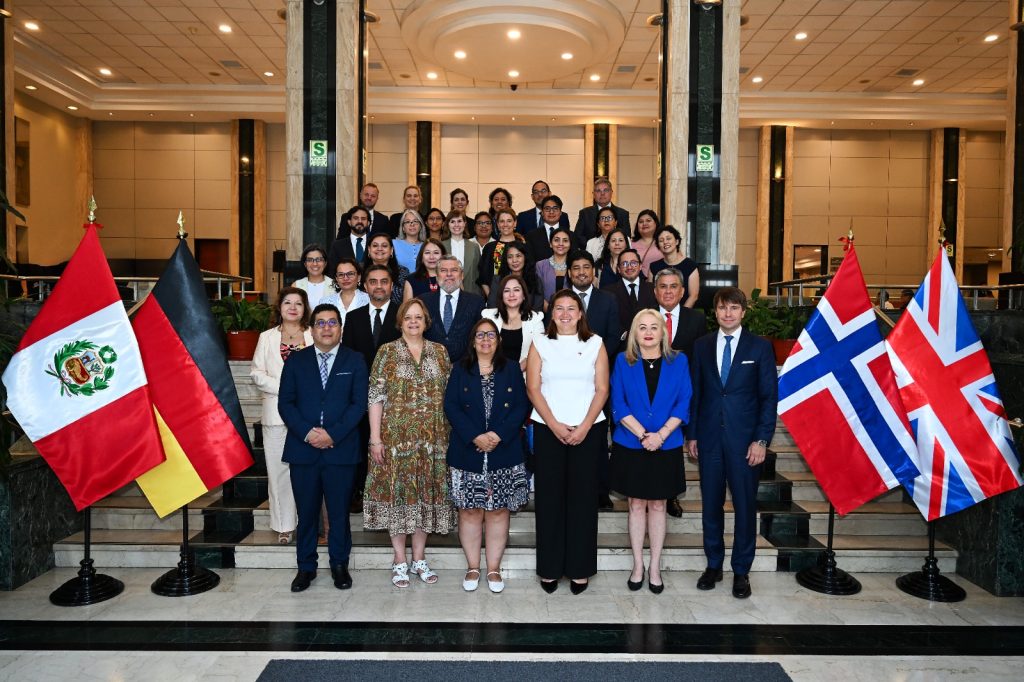
The relevance of this mechanism also lies in its governance. A Supervisory Committee ensures the proper implementation of resources and is composed of the Peruvian Ministry of the Environment, the National Service of Natural Areas Protected by the State (SERNANP), the United States Government, and international organizations such as Conservation International (CI), World Wildlife Fund (WWF), Wildlife Conservation Society (WCS), and The Nature Conservancy (TNC). Profonanpe is the administrator of the countervalue fund and grants.
This year, there has been strong participation by women, who lead or promote nearly 50% of the selected initiatives. Many of them lead projects involving chestnuts, coffee, and innovative ventures, demonstrating their central role in the local economy and in caring for the land.
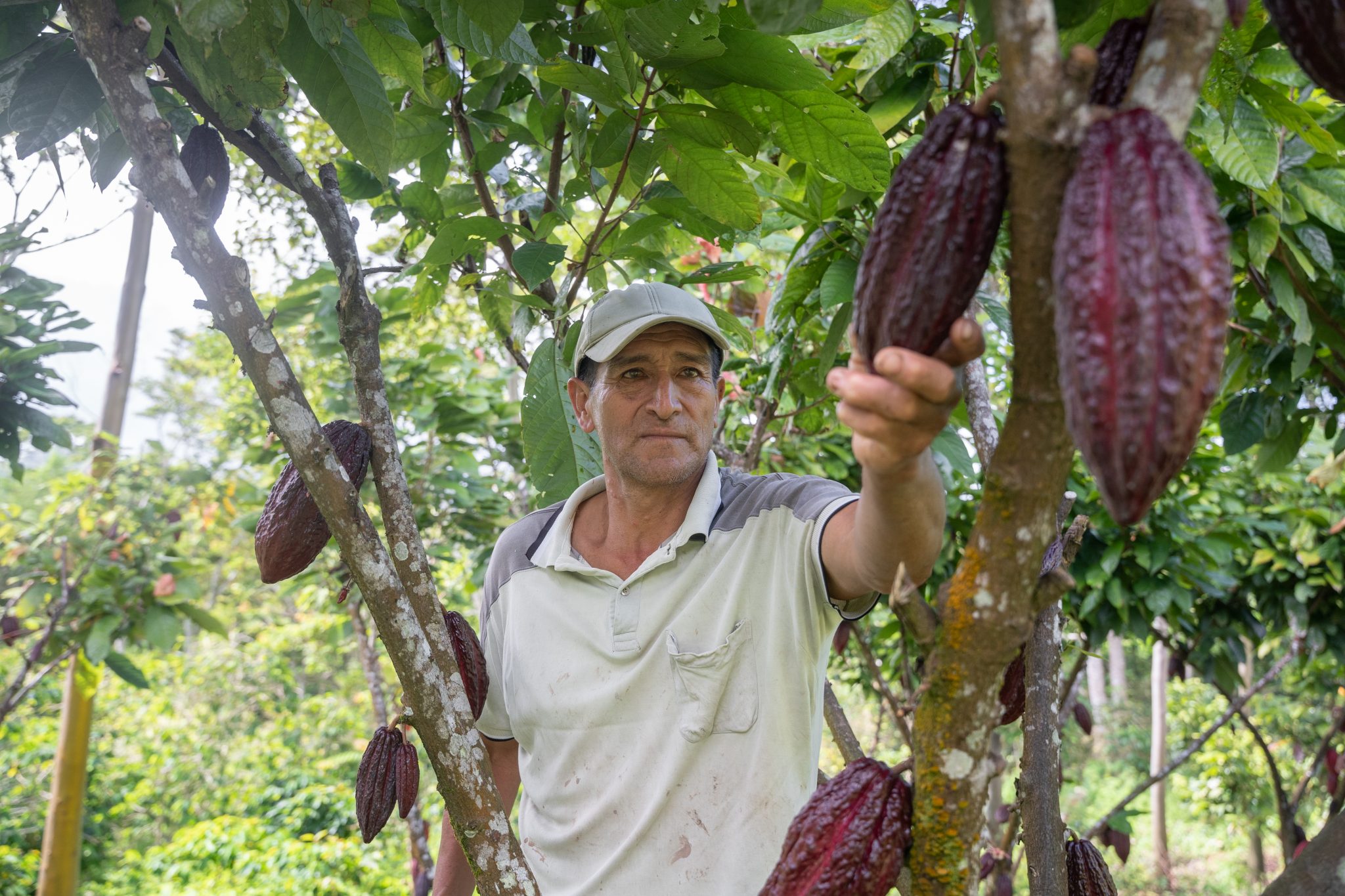
In this first edition, Madre de Dios stood out with 9 of the 19 selected initiatives, most of which focused on activities such as chestnuts, cocoa, experiential tourism, and other forest products that generate income in a responsible manner. This result reaffirms the region’s dynamism and its commitment to the sustainable use of its resources.
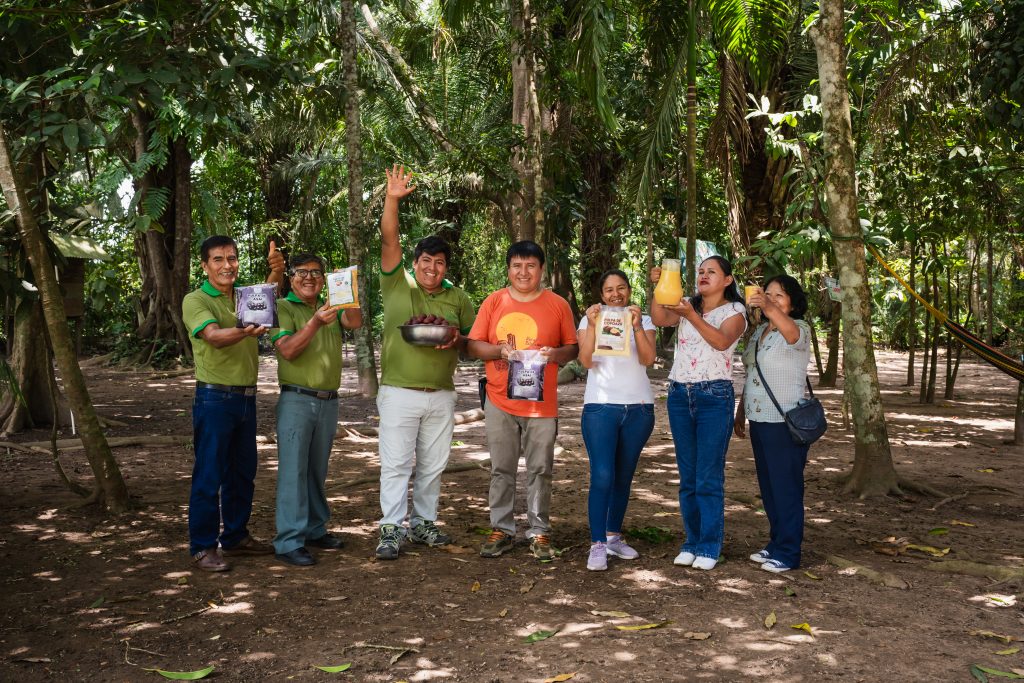
The San Juan Palm Growers Association will implement the project “Implementation of green technology with an intelligent monorail system to improve the collection and sustainable use of palm fruits” in Madre de Dios.
Together, the winning proposals show that communities are committed to economic alternatives that protect the forest while strengthening families’ economies. Most of these initiatives are aimed at strengthening sustainable enterprises, including chestnut processing, coffee production, new bio-businesses, tourism, and other activities that allow people to live off the forest without damaging it.
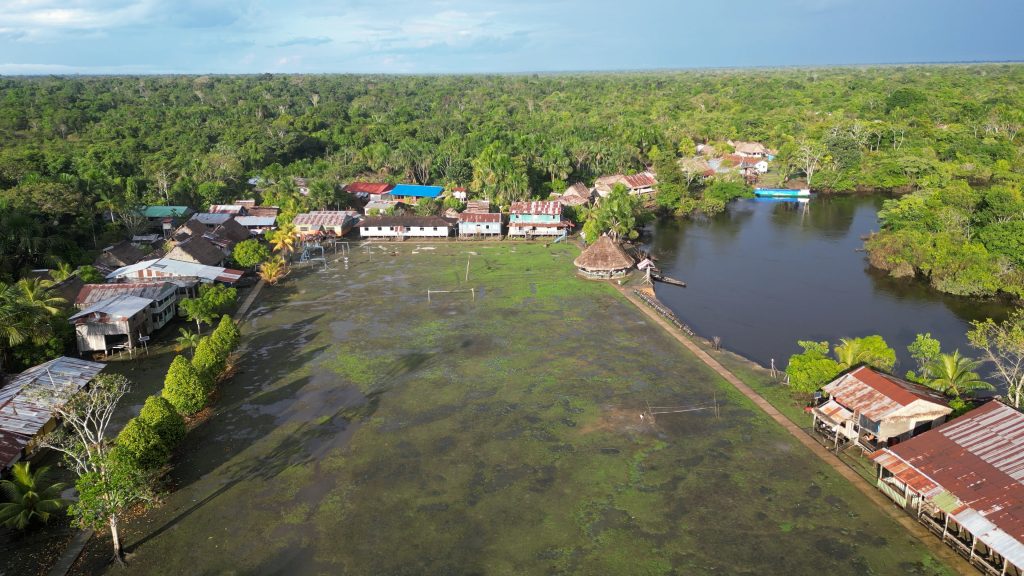
Likewise, five of the winning projects belong to indigenous or native peoples, reaffirming the value of ancestral knowledge and community organization in forest protection. Among these cases, two initiatives in Ucayali stand out, led by the Inkare Native Community and CORPIAA, which have a long history of responsible management of their territories.
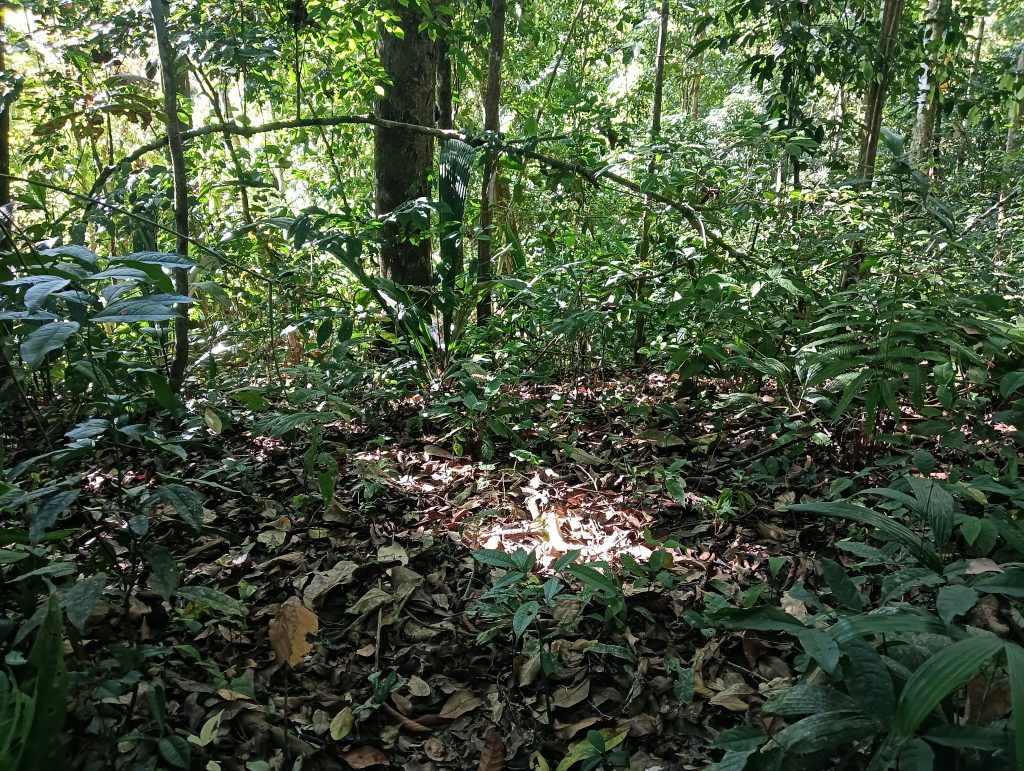
The results of the 2025-1 call for proposals show that the Southern Amazon continues to move forward with projects that combine community effort, women’s leadership, indigenous work, and new economic opportunities that depend directly on the good health of the forest. Each initiative is concrete proof that it is possible to conserve nature while improving the quality of life of Amazonian families.
The Tropical Forests competitive fund thus reaffirms its commitment to protecting Amazonian ecosystems, gender equality, and strengthening local communities.