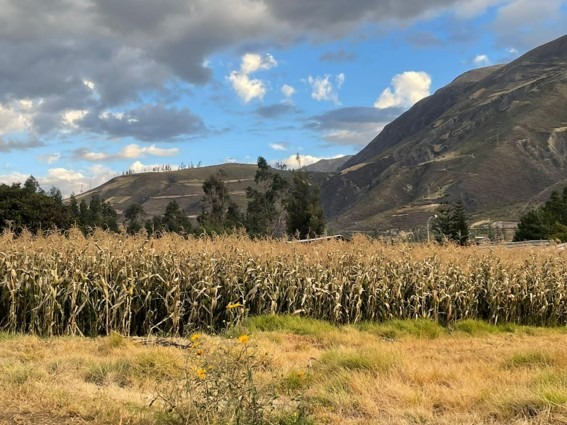
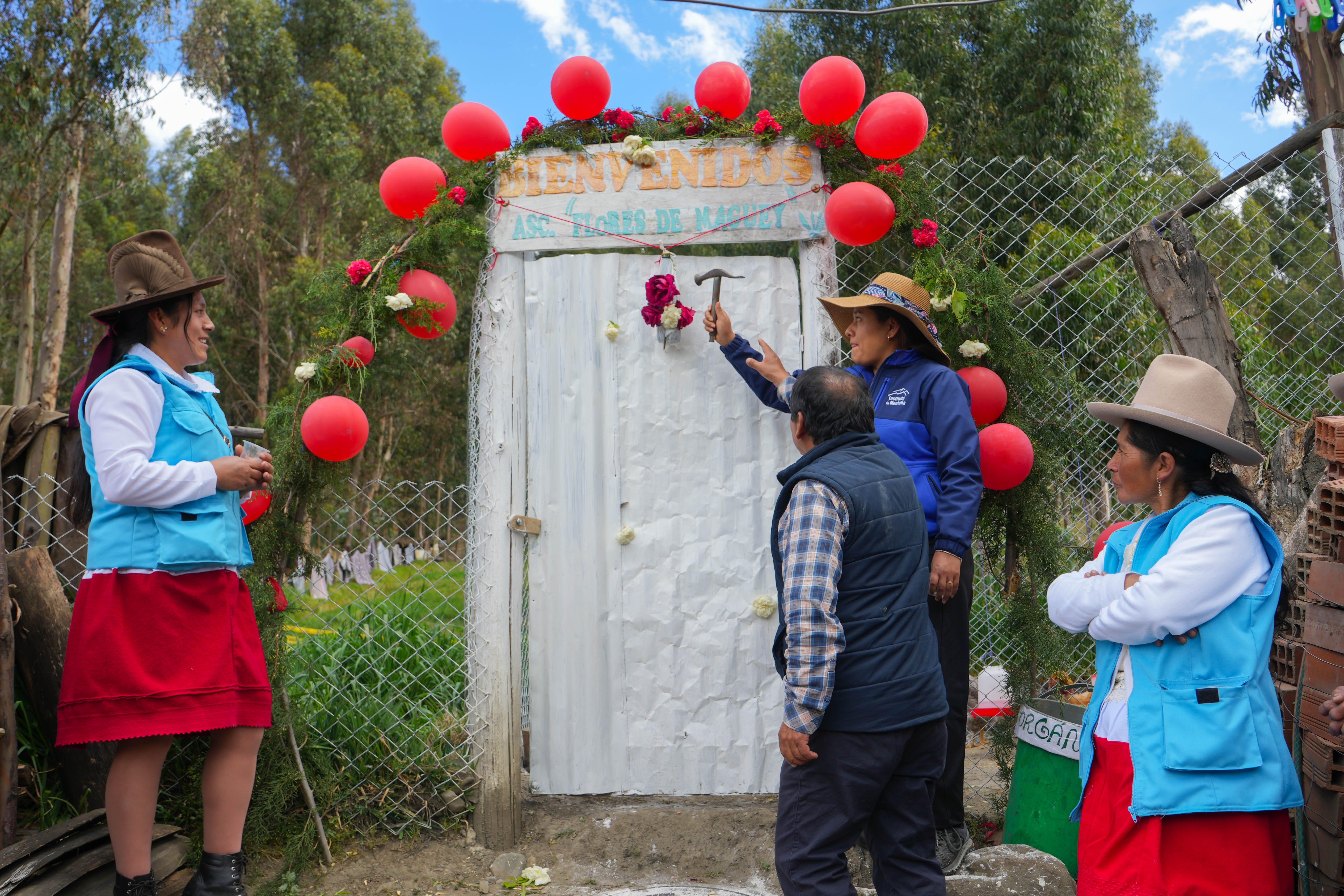
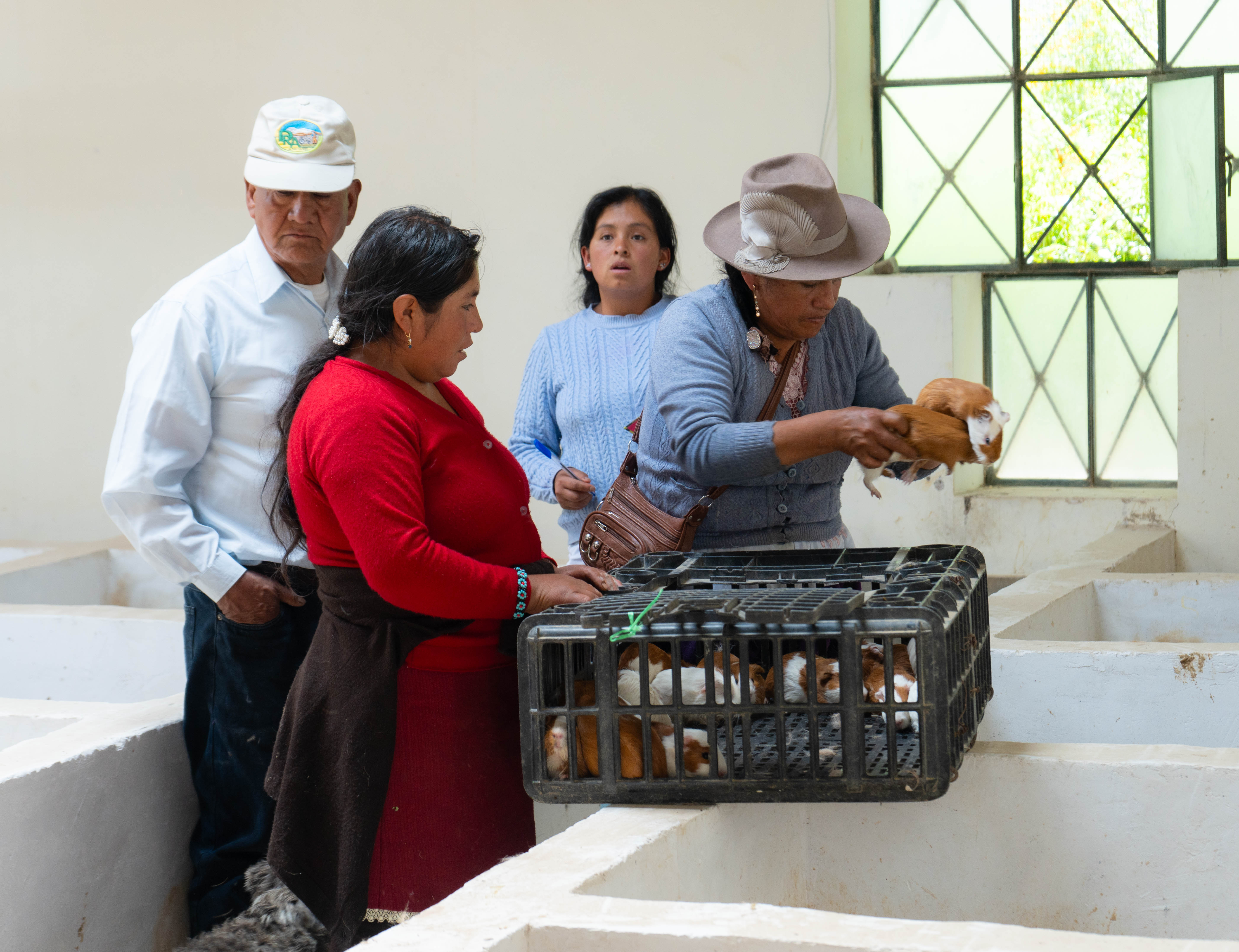
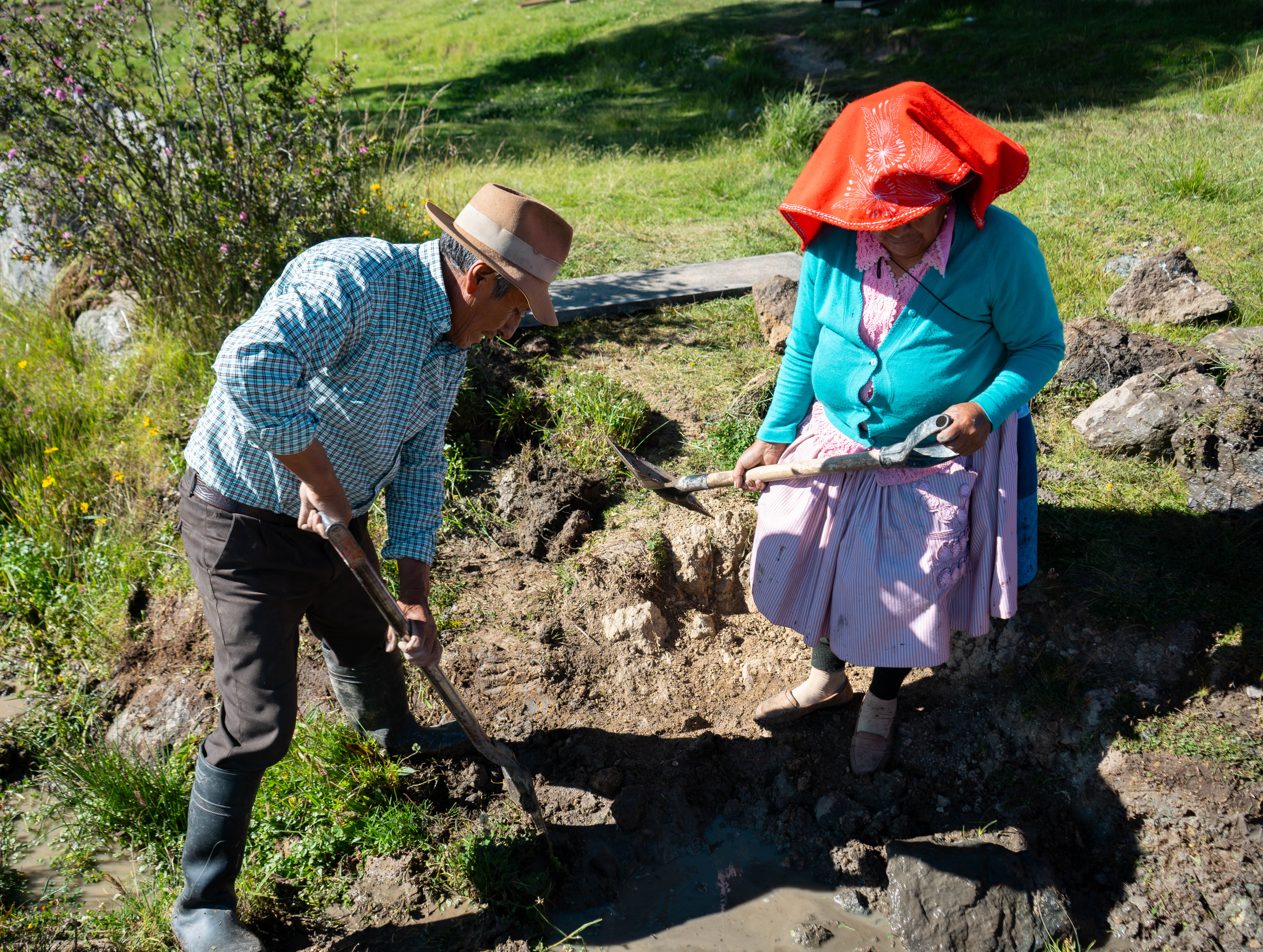
The fund was created with an ambitious goal: to improve the livelihoods of families living above 3,500 meters above sea level and protect the ecosystems that sustain their economy, their culture and their future. To this end, it is committed to local initiatives that combine ancestral knowledge, productive innovation and Ecosystem-based Adaptation measures in a territory that is highly vulnerable to water scarcity, degradation of pastures and changes in climate cycles.
During the first call, 12 districts of Arequipa were prioritized and 22 proposals were received. After a technical accompaniment process of several months, seven initiatives made it to the final stage and will receive a total funding of S/. 3 million. These proposals will be developed in strategic areas such as the Salinas y Aguada Blanca National Reserve, its buffer zone and the Cotahuasi Sub-basin Landscape Reserve, where the climate impact is already tangible for hundreds of families.
Each winning initiative reflects the organizational capacity of the region's communities. In Cotahuasi, forty-three families from the Quillunza Association of Organic Agricultural Producers will conserve native crops such as quinoa and tarwi, which are essential for coping with climate variability and protecting their food security. In Choco, the Asociación de Criadores de Alpacas y Llamas - ASCALLA will recover qochas, conserve bofedales and strengthen water availability; a key effort in an area facing increasing water stress.
In San Antonio de Chuca, twenty-three families from the Arotaña Joccamayo Association will strengthen vicuña conservation and the sustainable use of vicuña fiber within the Salinas y Aguada Blanca National Reserve, contributing to one of the most representative chains in the region. In San Juan de Tarucani, the farming community will implement measures to conserve their water sources and protect alpaca and vicuña breeding, a central activity for their family economy.

Photo: Profonanpe
The district of Yanque brings together three initiatives that stand out for their community leadership. The Joya del Colca Association, made up of twenty-three families and led by women, will promote alpaca breeding and handicraft production to strengthen their economic autonomy. The Chalhuanca Kollawas Women's Association will improve pasture management, strengthen hydrological monitoring and train its members in sustainable practices. At the same time, the Colca Camel Association, which has a business plan approved by Agroideas, will implement actions to regenerate pastures and wetlands and reduce offspring mortality, thus contributing to boosting the alpaca chain.
The Puna Competitive Fund is part of the Puna Project. Resilient Puna implemented by Profonananpe, Peru's environmental fund. Its objective is to identify, finance and accompany local initiatives that support adaptation to climate change in high Andean communities. During the four years of its implementation, it seeks to finance 127 local initiatives, restore or conserve more than twenty-three thousand hectares, directly benefit more than thirty-one thousand people and invest close to fifteen million euros.
It has three financing modalities aimed at community organizations, productive associations, cooperatives and small producers that need to invest in measures to adapt to climate change. This flexibility makes it possible to cater to different levels of organizational and productive maturity, with subsidies ranging from four hundred thousand soles for rural communities to eight hundred thousand soles for community enterprises and micro-enterprises with consolidated chains.
The Puna Competitive Fund is part of the Resilient Puna project, a multisectoral initiative supported by the Ministry of Agrarian Development and Irrigation (Midagri), the National Service of Natural Areas Protected by the State (Sernanp), the Ministry of the Environment (Minam), Profonanpe, the Peruvian Environmental Fund, the German Development Cooperation (GIZ), the Mountain Institute, with financing from the Green Climate Fund and the governments of Germany and Canada.
For more information and access to the application guidelines, please visit the following web site Web page.