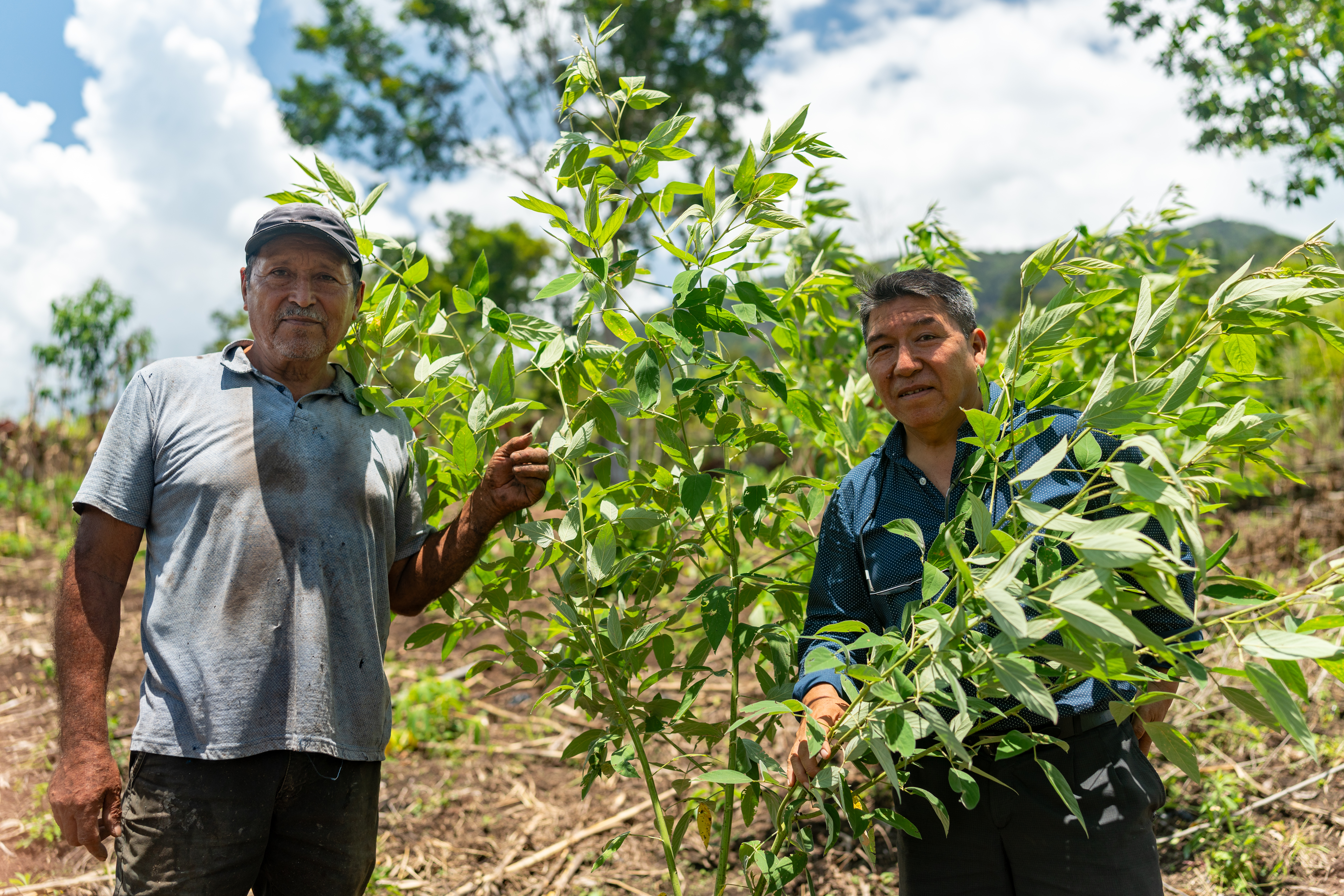
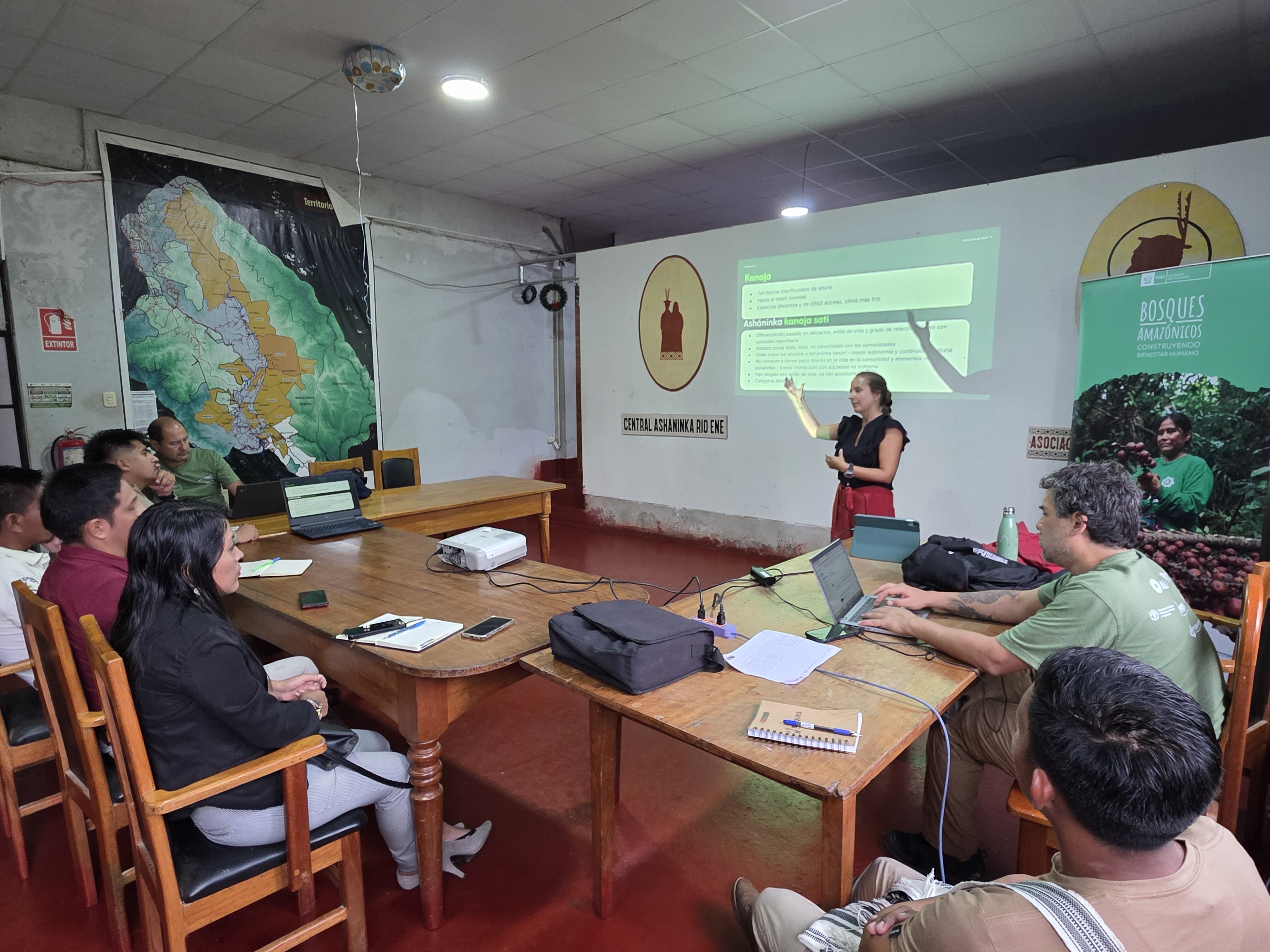
More than 60 men and women from three rural communities of the proposed San Cristóbal de Pucutá - Menkori Regional Conservation Area (RCA) were equipped and trained in forest fire prevention and control, as part of the efforts to strengthen the local response to one of the main environmental threats to the region.
The theoretical and practical workshops were aimed at the community forestry brigades of Santa Rosa de Toldopampa, Huánuco and Santa Rosa de Runatullo, key Quechua communities in the protection of the headwaters that supply water to the valleys of Satipo, Chanchamayo and Perené.
The training was led by the team of forest fighters from the Pui Pui Protected Forest - SERNANP, and organized in conjunction with the Regional Management of Natural Resources and Environmental Management (GRRNGA) of the Regional Government of Junín and Yunkawasi. The Central Sierra ATFFS of SERFOR and the PAIS Program also participated.
Community brigades: guardians and spokespersons for prevention
According to the Junín Region's Forest Fire Prevention and Disaster Risk Reduction Plan (2024-2030), most of the fires recorded in the region are of human origin, linked to grass burning and agricultural expansion. These practices have affected more than 16,000 hectares in recent years, including the nearby provinces where the proposed RCA San Cristóbal de Pucutá - Menkori is located.

The theoretical sessions were also aimed at community leaders and authorities.
© Ely Candia | Yunkawasi
Therefore, these local strengthening spaces not only seek to train forest brigades as emergency response agents, but also to consolidate them as spokespersons for prevention, capable of disseminating safe and sustainable practices in their communities to prevent fires and protect the territories of life that sustain the biodiversity and livelihoods of the region.
Action and learning from the territory
During the training, the community members learned about fire behavior, terrain evaluation, identification of safe zones and direct and indirect control strategies, applying practical containment and suffocation maneuvers in the field.
In addition, specialized equipment and tools, such as vests, boots, helmets, pulaski axes, gorguis and fire brigades, were donated thanks to the Conserva Aves Initiative, through Profonanpe, to strengthen the capacity for action of the community forestry brigades.

The field practices were led and supervised by the park ranger trainers.
of the Pui Pui Protected Forest - Sernanp.
©Ely Candia | Yunkawasi
Consolidating the process of setting up the RCA proposal
This activity also seeks to enhance local participation and leadership in the advancement of the RCA San Cristóbal de Pucutá - Menkori proposal, generating spaces where communities, institutions and partners work together for a sustainable development model that promotes local benefits and ensures the conservation of natural resources.
Currently, the proposal is in the third stage of its establishment process, a phase in which agreements with local stakeholders are being consolidated and the foundations are being laid for future participatory co-management.
This initiative seeks to legally protect around 60,000 hectares and is led by the Regional Government of Junín, with technical and financial support from Yunkawasi, Rainforest Trust, Andes Amazon Fund, the Conserve Birds Initiative, through its leading partners in Peru, Profonanpe and Ecoan.