Photo: Nicolas Quendez, Sernanp
After several months of halted tourism activities in Protected Natural Areas (PNAs) – such as Machu Picchu, Paracas, and Pacaya Samiria – due to the Covid-19 pandemic, some of these areas have begun a gradual reopening, and this process is expected to continue in the coming months. This will allow the PNAs to mitigate the economic losses caused by the health emergency and resume their environmental education programs and the work they were doing to provide natural spaces for visitors, activities that were underway before the pandemic.
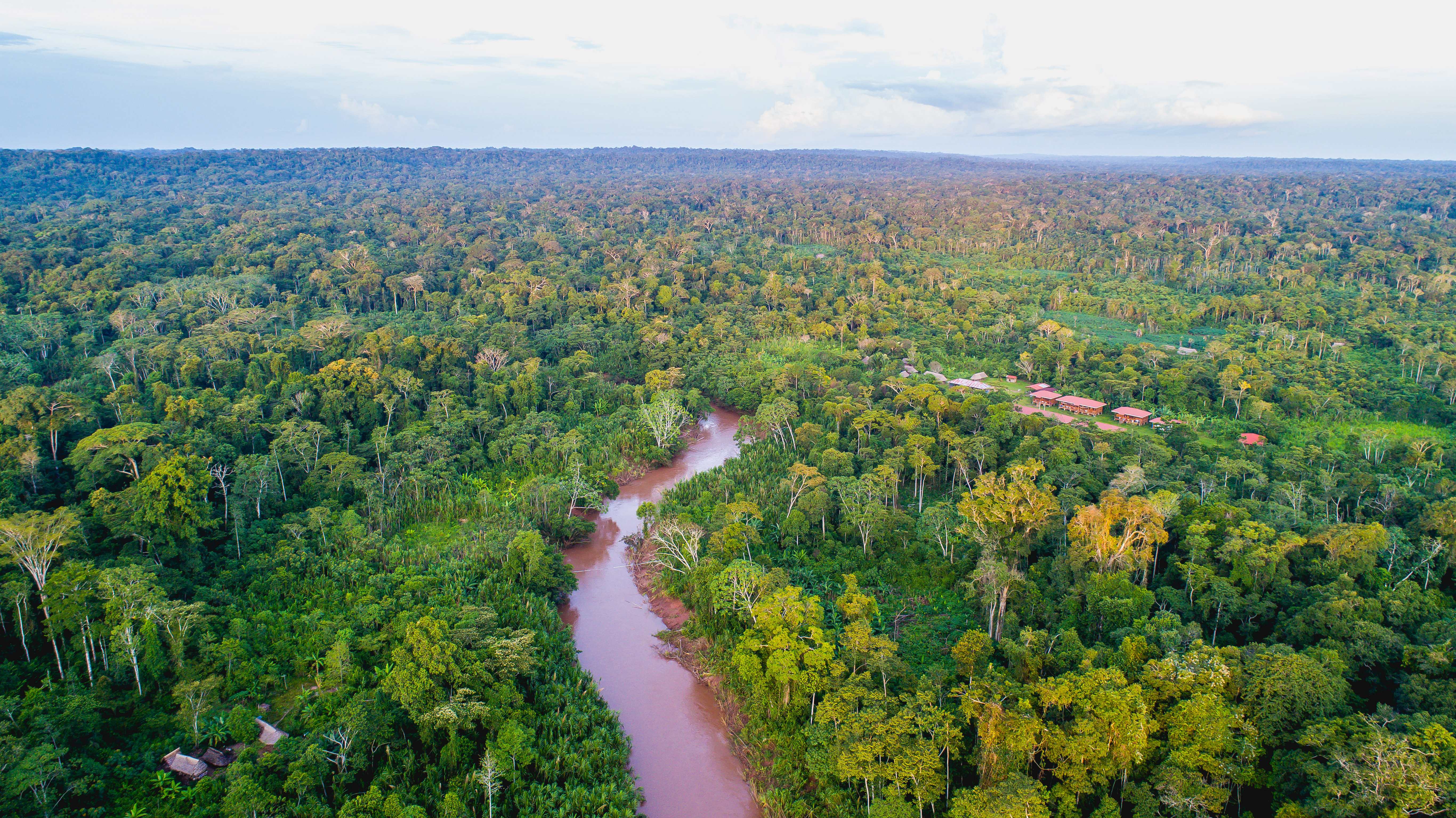
One of these areas is Yanachaga Chemillén National Park (PNYCh), located in Oxapampa, where intensive work has been underway in recent weeks to implement the biosafety protocol for its reopening to the public. Likewise, all necessary measures for the prevention and detection of potential cases of the novel coronavirus have been deployed at tourist facilities. It is important to mention that the park rangers of PNYCh face this new challenge with optimism and strength and are eager to work with the public again for the conservation of the protected natural areas.
Salomé Antezano, head of the PNYCh and part of the team at the National Service of Natural Protected Areas (Sernanp), tells us that before the pandemic, conservation efforts were coordinated between specialist staff and park rangers, allowing for active participation in meetings convened by both management and other key public and private partners for the effective management of the protected area. One of the activities she most regrets having to abandon is the environmental education program, which was regularly conducted with children and young students. He explains that the pandemic has meant that they have had to find new ways to carry out some actions virtually, and they continue in that challenge to this day, since they also cannot solve all the problems or difficulties directly in the field, as they did in times before the pandemic.
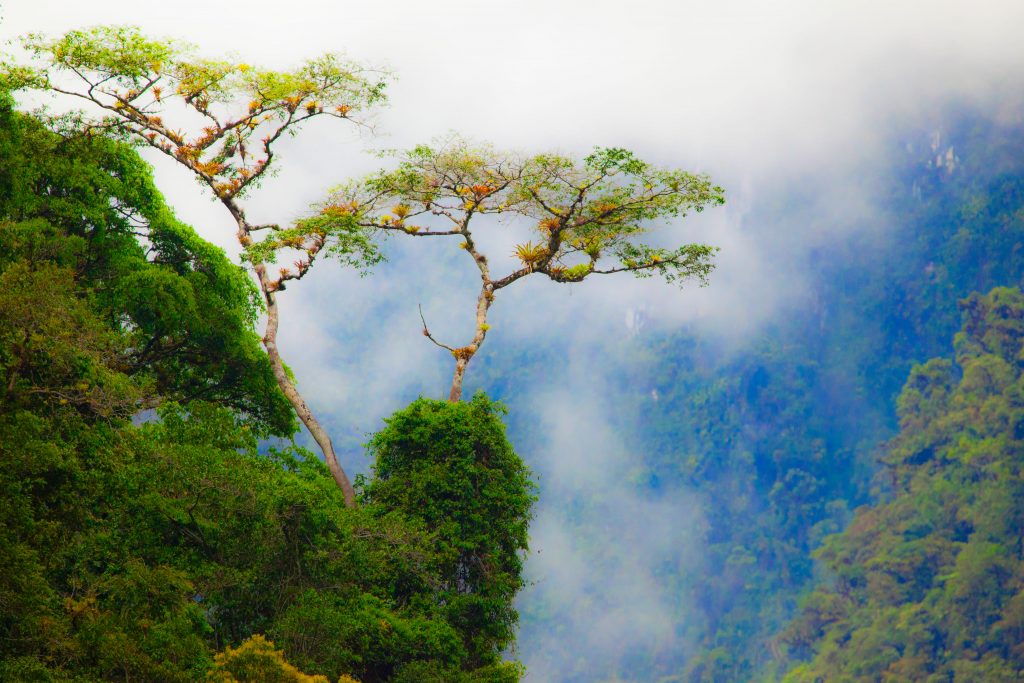
Salomé highlights the work of the park rangers, who were always at their posts, patrolling, monitoring flora and fauna, and carrying out activities for tourism development in the designated tourist and recreational areas of the PNYCh (National Park of Yasuní). Before the pandemic, tourist visits were on the rise: the average annual growth over the last five years was 141%. The San Alberto and Huampal areas were the most popular due to their proximity to the city of Oxapampa and their high bird diversity. Visitors could observe birds and native flora, primarily orchids and trees such as red cedar, diablo fuerte, walnut, and ulcumano, among others, as well as beautiful landscapes of lowland and highland rainforest ecosystems.
In this context, on Friday, October 16, the San Alberto tourist zone of the PNYCh was officially opened to the public for the development of tourism activities, with the presence and coordination of representatives from the Regional Directorate of Tourism (DIRCETUR) Pasco, the Provincial Municipality of Oxapampa, tour operators and other partners.; Complying with all biosafety and disinfection protocols to prevent and mitigate the effects of the pandemic. With great excitement, Salomé notes that the first visitors to the protected natural area were young people from Lima, who longed for an encounter with nature after more than seven months of being confined to their homes.
It is expected that the number of visitors will gradually increase in the coming months. Salomé asserts that this is an opportunity to focus her work and influence collective awareness, since "the ultimate goal of the conservation and protection of protected natural areas is to ensure the continued existence of humanity." And you, have you decided to visit the PNYCh yet?