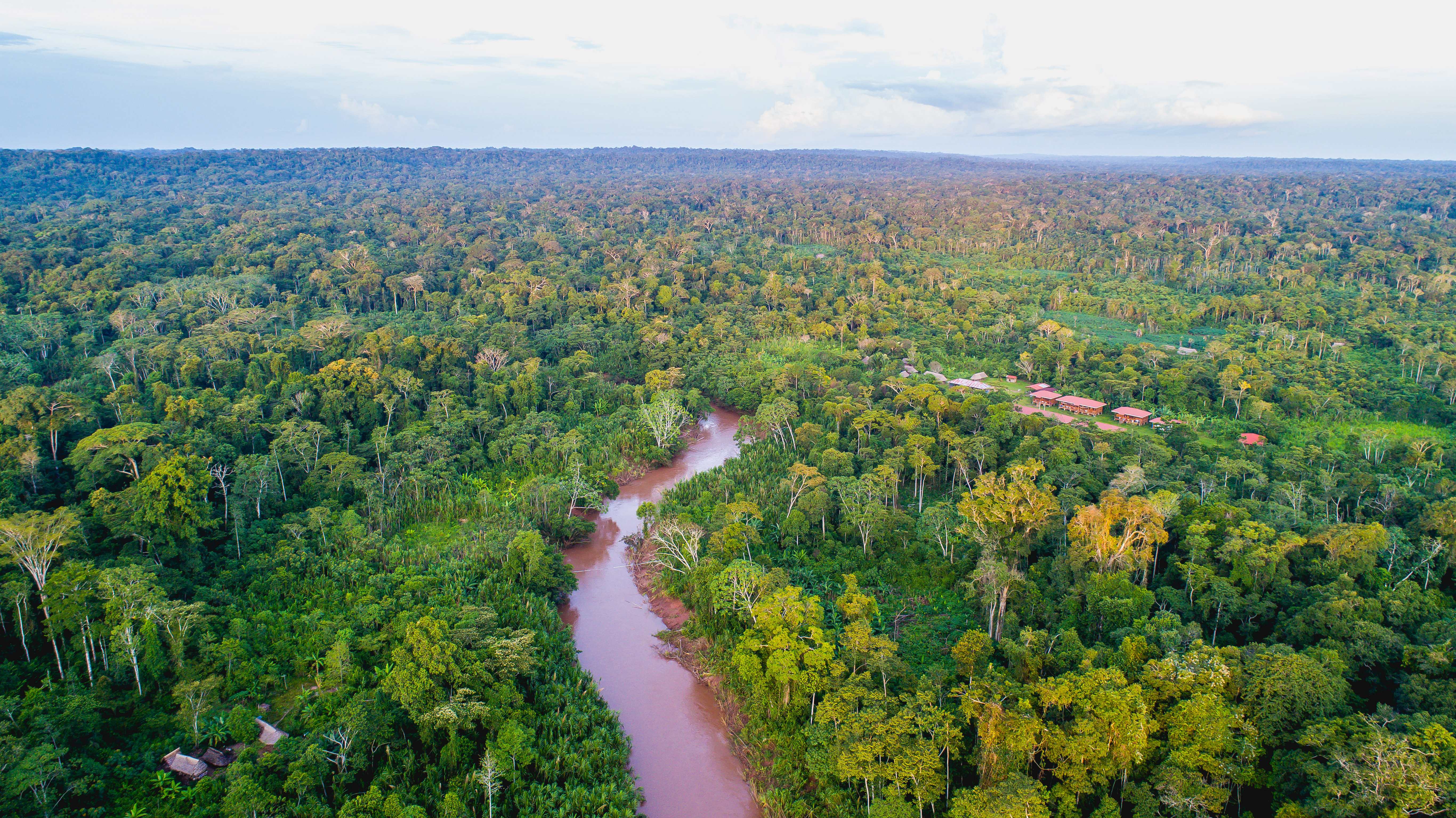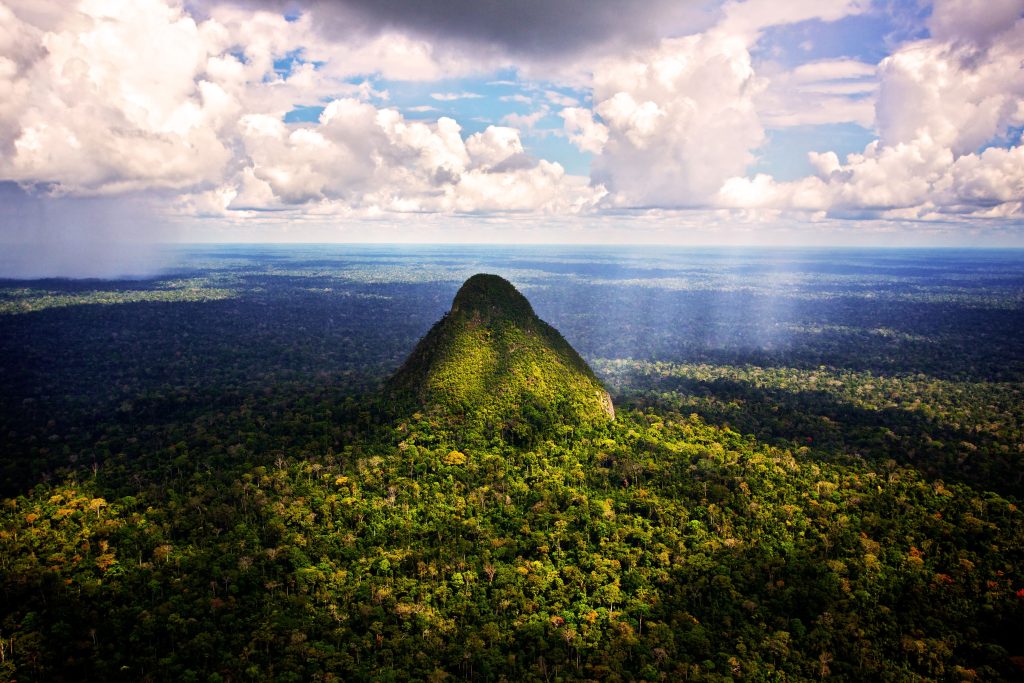
The Natural Heritage of Peru (PdP) is the first long-term conservation initiative that aims to contribute to the effective management of Peru's Protected Natural Areas (ANP). This commitment is led by the Peruvian government through the Ministry of the Environment and the National Service of Natural Protected Areas (Sernanp).
In the context of its fourth anniversary, outstanding achievements were presented that have contributed to the effective management of 38 protected natural areas in the Peruvian Amazon, which are key conservation spaces that provide ecosystem services to populations and are the habitat of thousands of species of flora and fauna, many of them endemic.
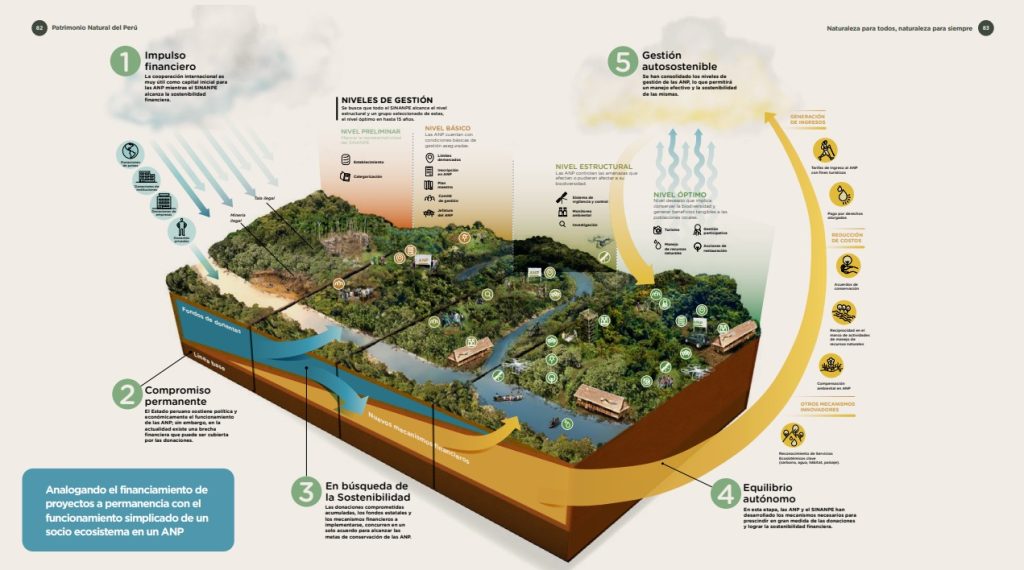
As part of the financial leverage actions in their initial phase, It highlights the incorporation of international resources from The Global Environment Facility (GEF), World Wide Fund for Nature (WWF), and the Andes Amazon Fund; these financial vehicles, as well as debt swap operations and multilateral donations, made it possible to lay the foundations for the initiative and ensure long-term financing.
“Securing funding to ensure the financial sustainability of the country’s protected natural areas has been the initial challenge. Today, we are also considering how to implement the financing. In four years, we have managed to improve resource utilization by 281% through the improvement of internal processes and by designing a unique financial model for the national context, thus conserving our natural heritage,” highlighted Luis Alfaro, Coordinator of the Natural Heritage Initiative of Peru.
PdP begins its implementation with $70 million, which are channeled by Profonanpe, the environmental fund of Peru that, in conjunction with Sernanp, seeks to ensure that interventions go beyond the borders of the ANP, to generate direct positive impacts on the population and attract more private investment.
FROM THE MODEL TO THE FIELD: ARTICULATED WORK WITH COMMUNITIES
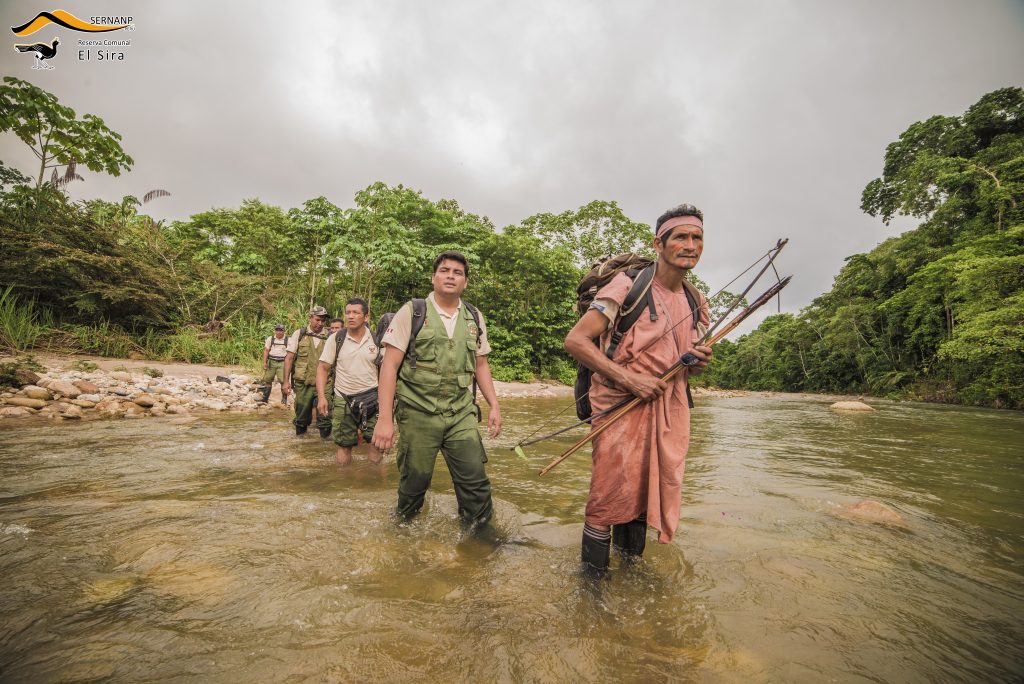
As part of its design, Natural Heritage of Peru also seeks to establish the enabling conditions for the development of sustainable projects and initiatives that benefit the communities living within protected natural areas. It is within this framework that a new approach was designed, aligned with current trends in protected natural area conservation, improving effective management processes at the supervisory level through the development of operational plans, monitoring of enabling conditions, and tracking of progress in each plan.
Luis Alfaro highlights: “By 2023, the working conditions of the 38 protected natural areas that make up the Amazon biome have been strengthened. Of these, 19 natural areas already have current and updated Master Plans, which guide their conservation actions and coordinated work with actors such as regional governments and local populations.”
Additionally, 18 protected natural areas already have at least 801% of their boundaries demarcated. This action allows for the monitoring of potential threats or impacts that may occur within these areas. As is known, the main threats in the Amazon are associated with illegal mining, wildlife trafficking, and illegal land occupation.
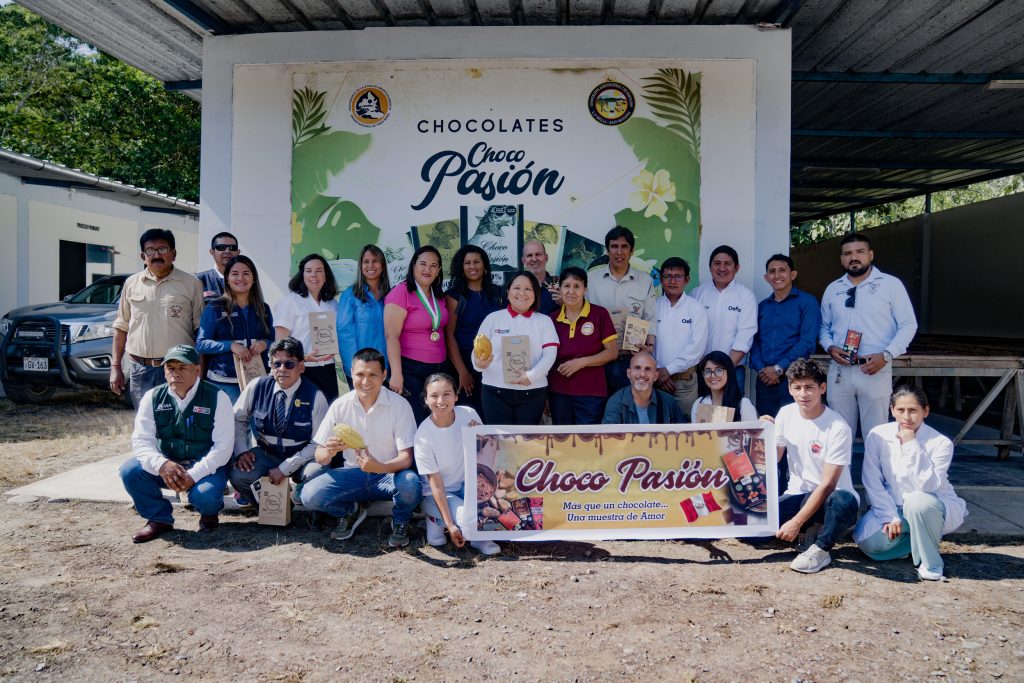
In the PdP approach, it is important to involve local communities in the conservation of protected natural areas. Strengthening the enabling conditions of local management allows for the promotion of sustainable actions and initiatives that engage the populations living within these protected areas. Currently, this initiative has established active Management Committees in 19 protected natural areas, enabling local communities to participate in their conservation.
Peru's Natural Heritage program represents a unique model with a historic opportunity for Peru, especially in the context of the climate emergency. Four years ago, the process began to ensure the financial sustainability of protected natural areas, which will help mitigate the effects of climate change in the country.
ON THE NATURAL HERITAGE OF PERU
The Natural Heritage of Peru initiative seeks to consolidate effective management in 38 protected natural areas of the Amazon biome, representing approximately 17 million hectares conserved in Peru, generating the enabling conditions for such management (2019-2029) and ensuring its financial sustainability in perpetuity.
The initiative is being implemented by the Ministry of the Environment and the National Service of Natural Protected Areas (SERNANP). It is funded by the Global Environment Facility (GEF), the World Wide Fund for Nature (WWF), and the Andes Amazon Fund; and managed administratively by Profonanpe.