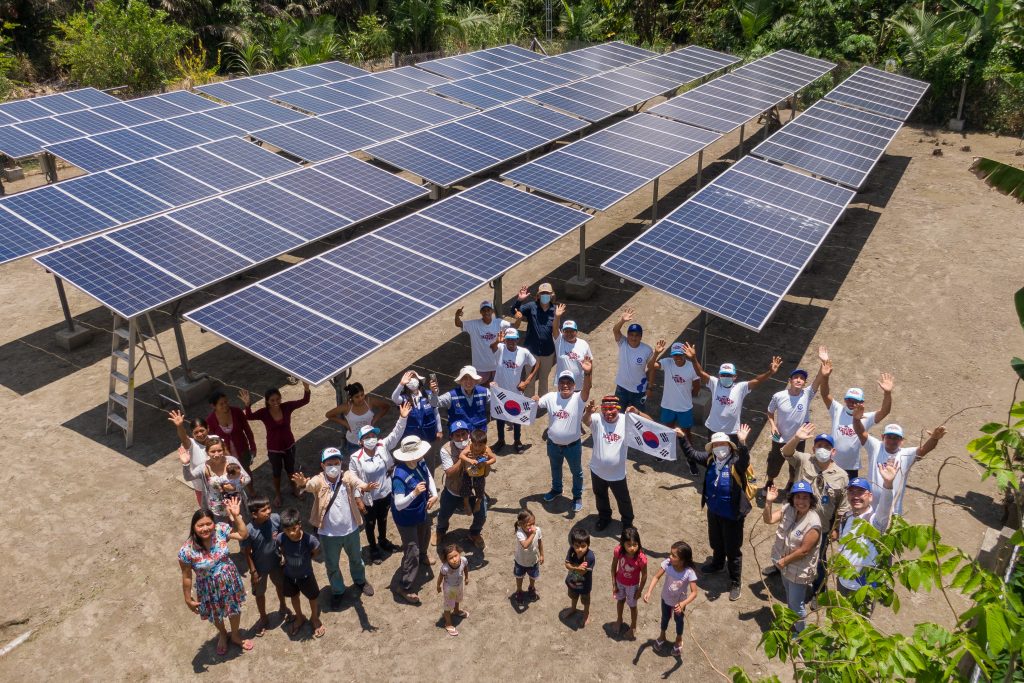
Last Tuesday, September 28, a delegation from the Korea International Cooperation Agency KOICA – led by its Director Lee Jung Wook – and the Profonanpe team, headed by Anton Willems, were present at the inauguration of the ice plants in the communities of San Fernando and Musa Karusha, which have been operating for a couple of months.
These two ice plants operate using solar energy provided by 240 photovoltaic panels and initially began operations in February of this year. However, it was in May that the installation of solar-powered ice production plants allowed the fishermen of San Fernando and Musa Karusha to maintain the cold chain, enabling them to preserve and transport fresh fish. Previously, they transported blocks of ice from Yurimaguas, but these did not arrive intact due to the high temperatures.
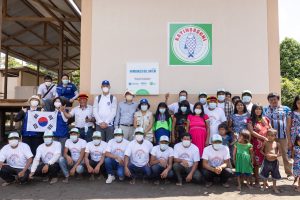
On Tuesday morning, the community of San Fernando and the Profonanpe team working in that community gave a warm welcome to the Korean delegation, who saw for the first time the ice plant that they helped to finance as part of the cooperation between Koica, Green Climate Fund and Profonanpe, within the framework of the Datem Wetlands Project.
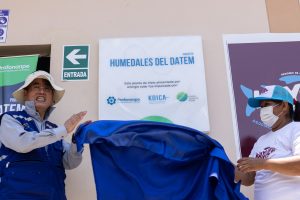
The community was present throughout the event, and after Guillermo Yumbato, Vice President of ORKAHUIT, spoke about the importance of these plants for preserving fresh fish and the community's sustainable development, the directors of KOICA and PROFONANPE also addressed the attendees to share the impact of the work carried out by their teams, in collaboration with the local fishermen. The unveiling of the plaque was accompanied by children, who performed a lively traditional dance directed by their teacher, Ida Yumbato.
In the community of Musa Karusha, the reception was equally warm and featured the notable participation of Balbina Sundi Akumbari, leader of the Charapi Women's Association, who together with Gunter Yandari, President of the Katinbaschi Artisanal Fishermen's Association and Daniel Simon, President of the Autonomous Government of the Kandoshi Nation, led and actively participated in the unveiling of the plaque.
To reduce the effects of greenhouse gases, ice production is powered by solar energy captured by these panels. The water used for ice undergoes a purification process, where it is filtered through a carbon filter, making it suitable for human consumption. With half a ton of ice produced every eight hours, families can preserve up to half a ton of fish. This fish is stored in insulated boxes, which are then transported by boat.
In San Fernando, 86 fishermen benefit, while in Musa Karusha the figure reaches 120. The installation of the ice plant, which responds to the objective of producing quality chilled fish, allows the beneficiary families to have access to a more competitive market, while ensuring the sustainability of the hydrobiological resources of the area.
It is hoped that in the coming months, coordinated international cooperation and collaborative work will continue to have a positive impact on the lives of the beneficiary indigenous communities and on the sustainable use of the Datem del Marañón wetland ecosystems.
About the Datem Wetlands Project
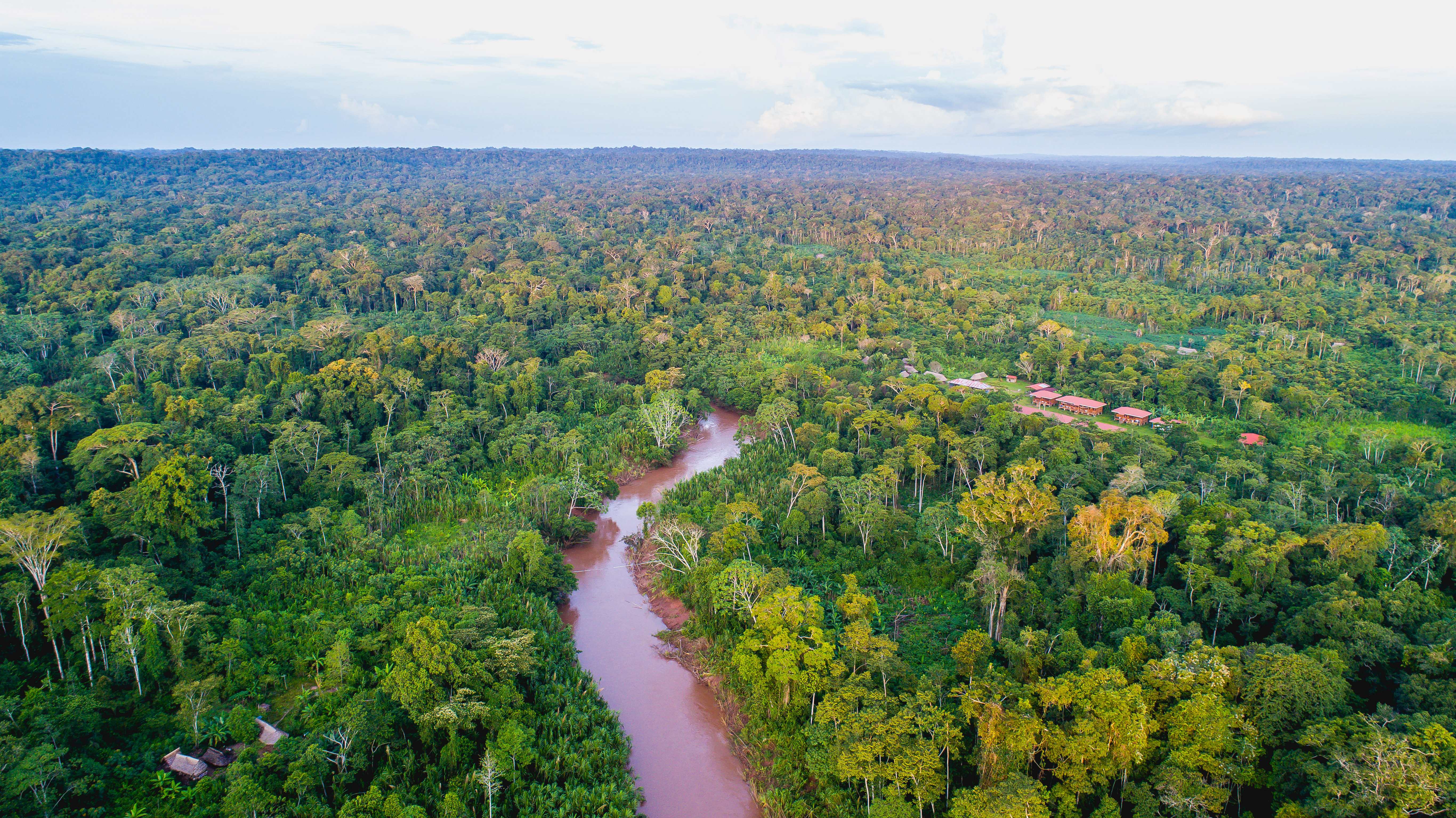
The Datem Wetlands Project seeks to improve the resilience capacities of indigenous communities living in wetland ecosystems rich in carbon reserves in the Datem del Marañón province, Loreto; as well as improve their livelihoods and reduce greenhouse gas emissions caused by deforestation.
Later, the directors of Koica and Profonanpe also shared with the community and discussed the importance of the ice plants and the efforts made for the benefit of the families in the area.