The national project was launched on November 25th. “Building human well-being and resilience in Amazonian forests through the valorization of biodiversity for food security and biobusinesses, in a context of climate change” (ASL2). This project arises as part of the second phase of the regional program Amazon Sustainable Landscapes (ASL1), financed by the Global Environment Facility (GEF) and implemented in Brazil, Colombia and Peru between 2016 and 2022, and which now incorporates Ecuador, Bolivia, Guyana and Suriname.
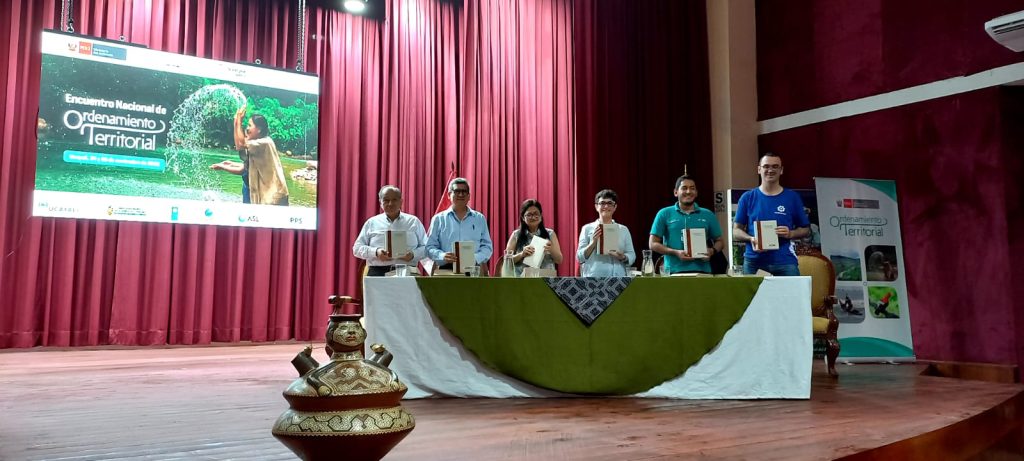
In a ceremony held as part of the National Territorial Planning Meeting, which took place at the National Intercultural University of the Amazon in Pucallpa, representatives of the regional governments of Ucayali, Loreto and Junín, along with representatives of MINAM, FAO and Profonanpe, made effective the signing of this project that aims to promote the conservation of healthy, functional and resilient forests and wetlands to climate change, maintaining important carbon reserves, thus avoiding greenhouse gas emissions and generating sustainable and resilient local livelihoods.
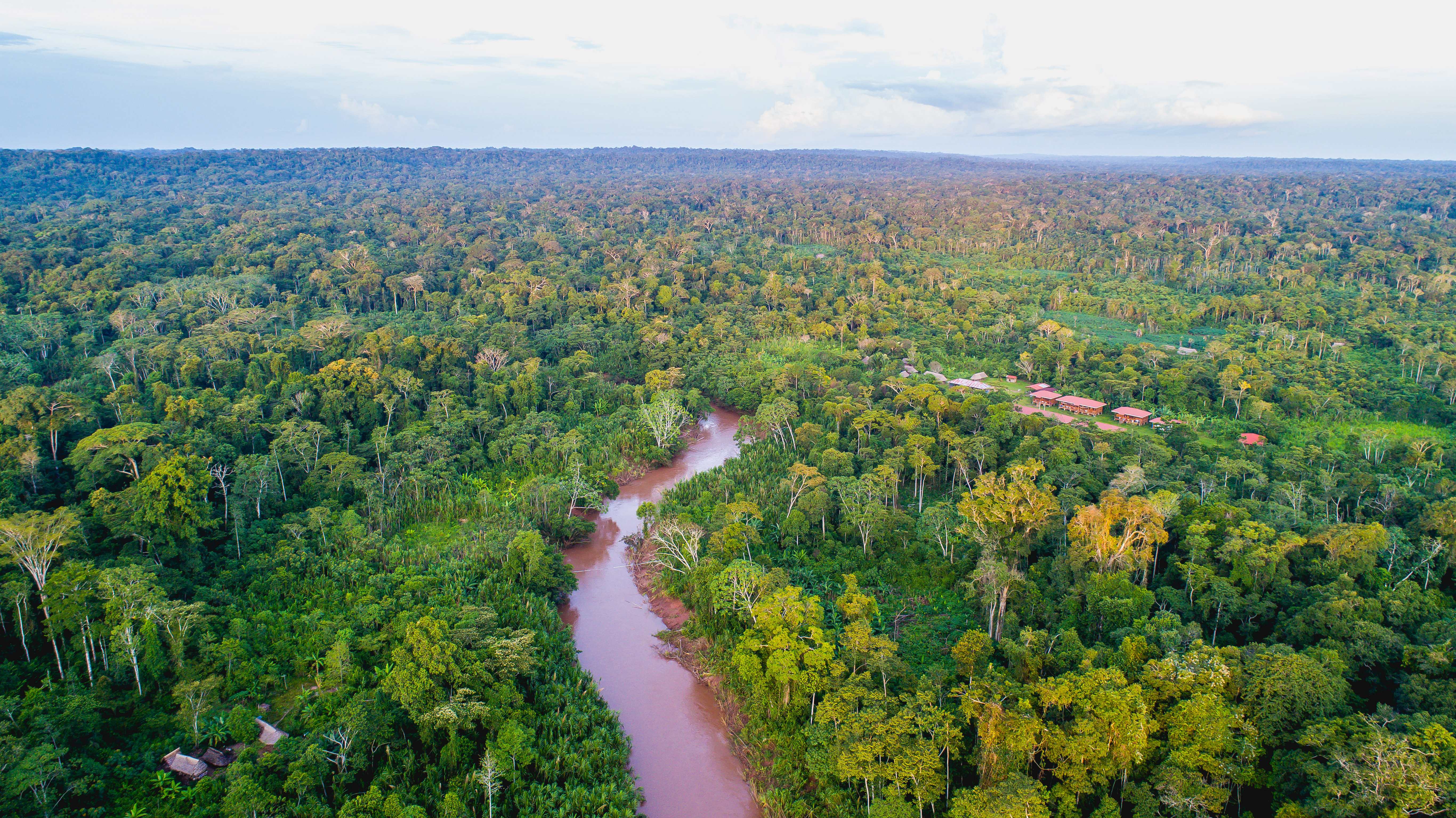
This initiative has a total budget of over US$140 million, of which US$15.6 million is financed by the GEF (Global Environment Facility). It will run for five years and will operate under four components in two intervention areas: the Alto Ucayali-Inuya landscape, located in the provinces of Atalaya (Ucayali) and Satipo (Junín), and the Tigre-Marañón landscape, located in the province of Loreto Nauta (Loreto).
Profonanpe, as the project's operational partner, has been selected to support the Ministry of the Environment in the co-execution of activities. Its primary responsibility will be ensuring the project's sound technical, administrative, and financial management, as well as the proper implementation of standards and procedures. Profonanpe will also be responsible for implementing project governance, managing and monitoring the proper use of resources, and managing risks and ensuring compliance with environmental, social, and gender safeguards. All of this will allow us to see the expected results over the five-year project implementation period, building human well-being and resilience in the Amazon rainforest by leveraging biodiversity for food security and bio-businesses based on standing forests.
Technical specifications:
Total project amount: USD 140,160,559.46
- GEF donation: USD 15,599,083
- Co-financing from public and private entities: USD 124,561,476.46
(in donations, public investment or in kind)