Resilient Fishing It seeks to have a positive impact on fishing communities in Peru and thus build adaptation measures against climate change, making them less vulnerable.
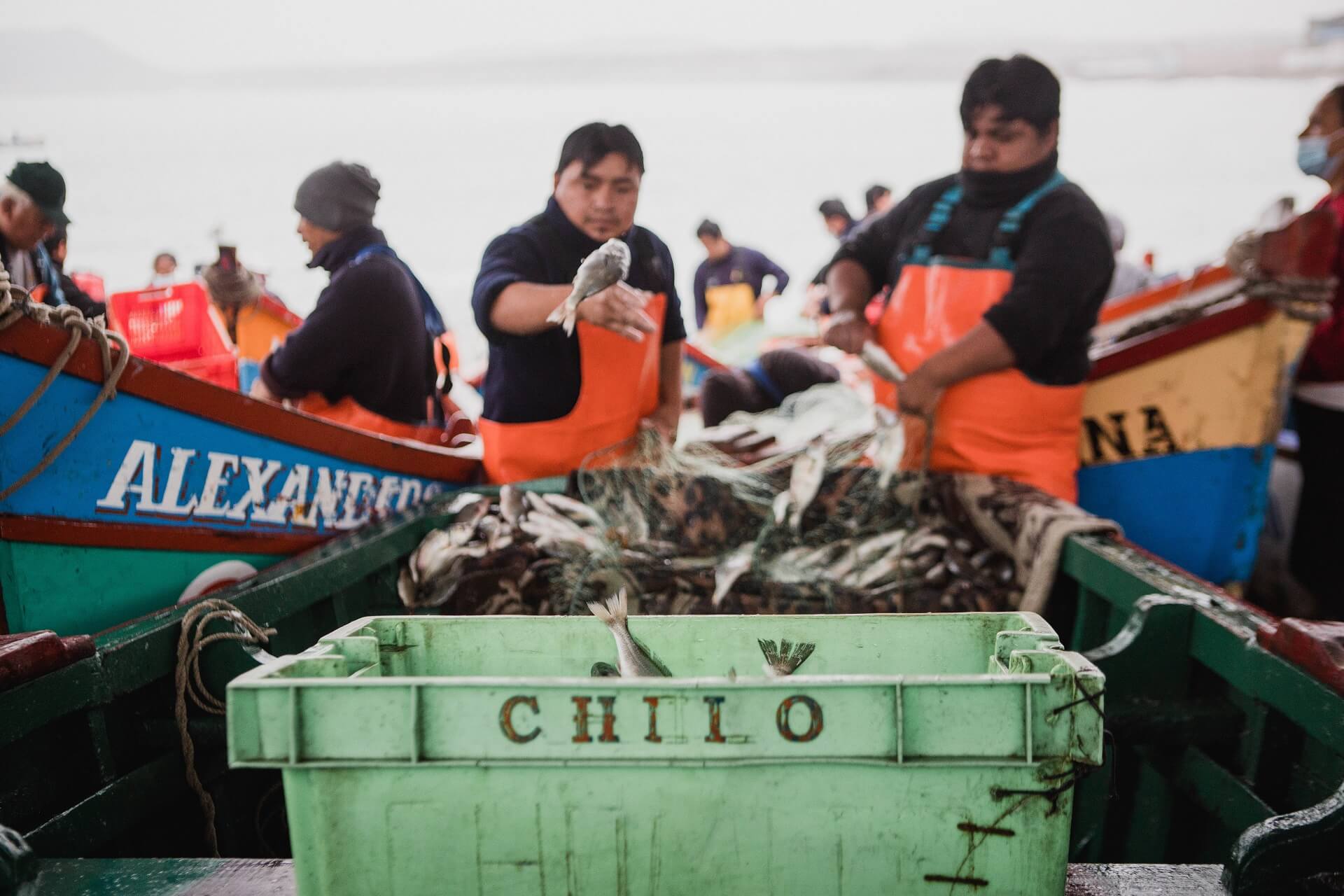
Artisanal fishing
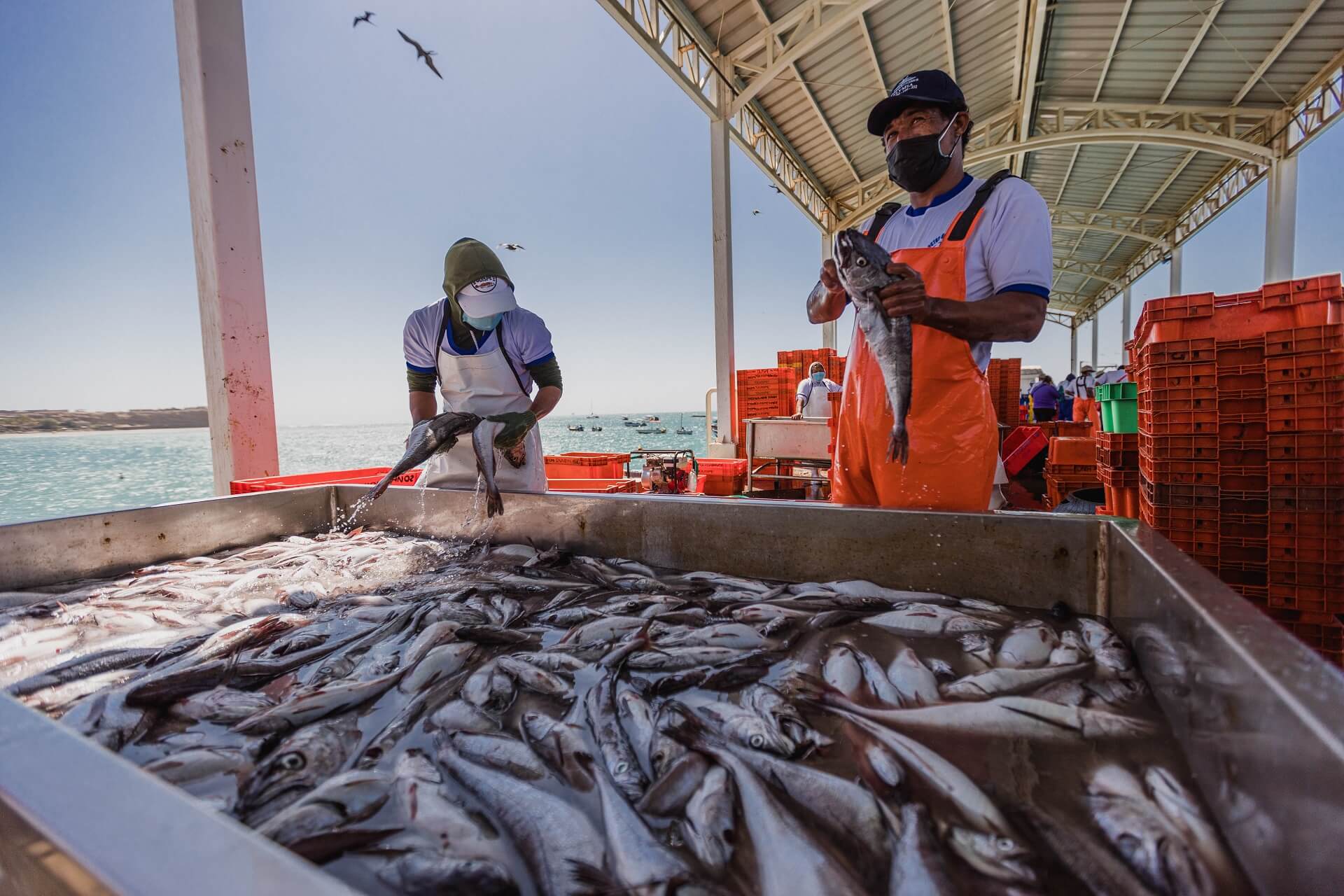
Facilitate new technologies to improve ancestral artisanal fishing techniques.
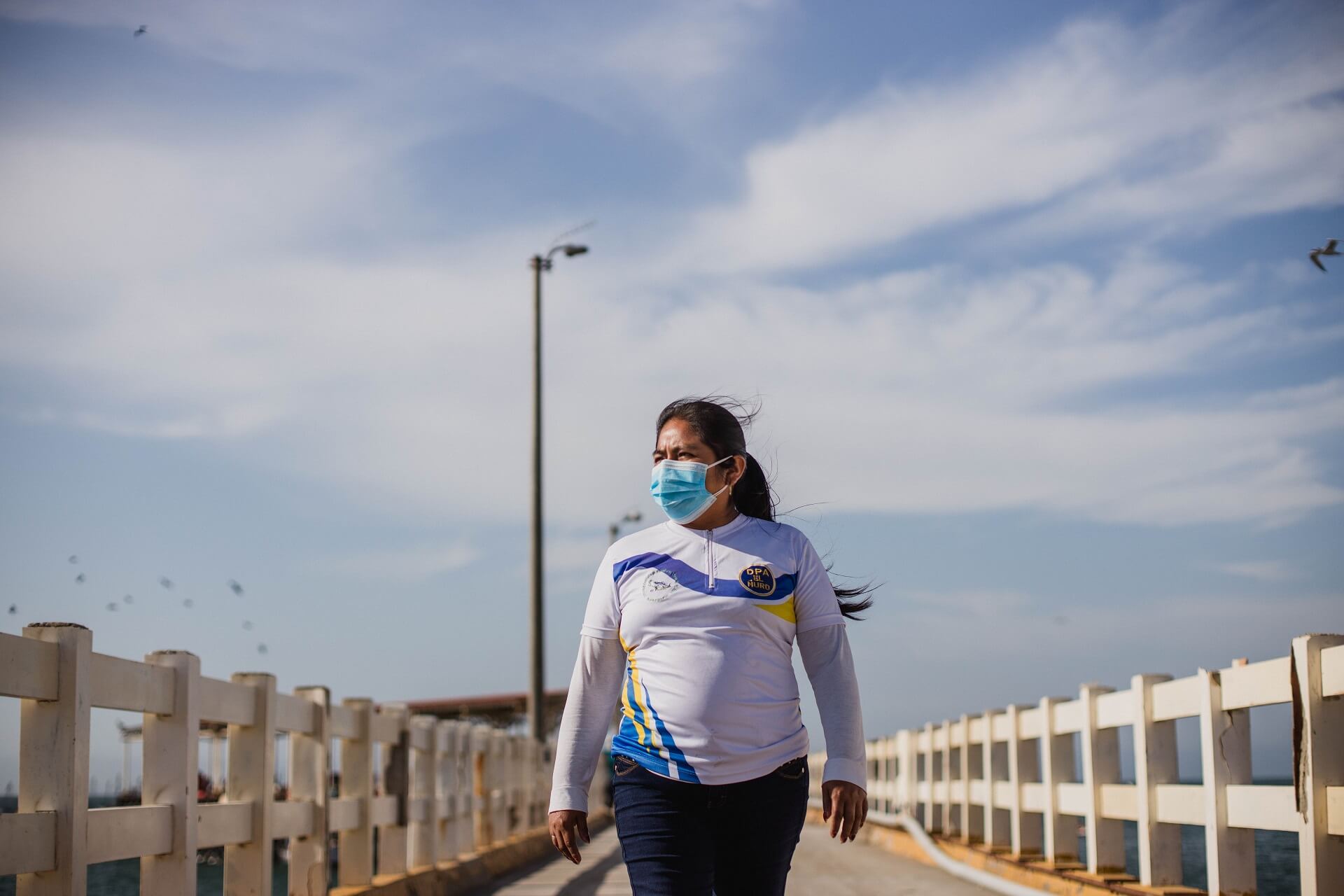
Women's empowerment
Promote the participation of women in new spaces linked to artisanal fishing.
New businesses
Promote the technical and productive capacities of fishing coves to venture into new economic activities.
Technological development
Expand oceanographic data collection capacity with new technological tools such as gliders and state-of-the-art equipment.
In the fishing communities of our country, a silent battle is being waged: resisting the impacts of climate change. Resilient Fishing explores this situation, the stories of its protagonists, and the work being done to protect our fisheries.
Ubaldo, artisanal fishing and climate change
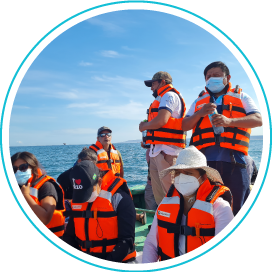
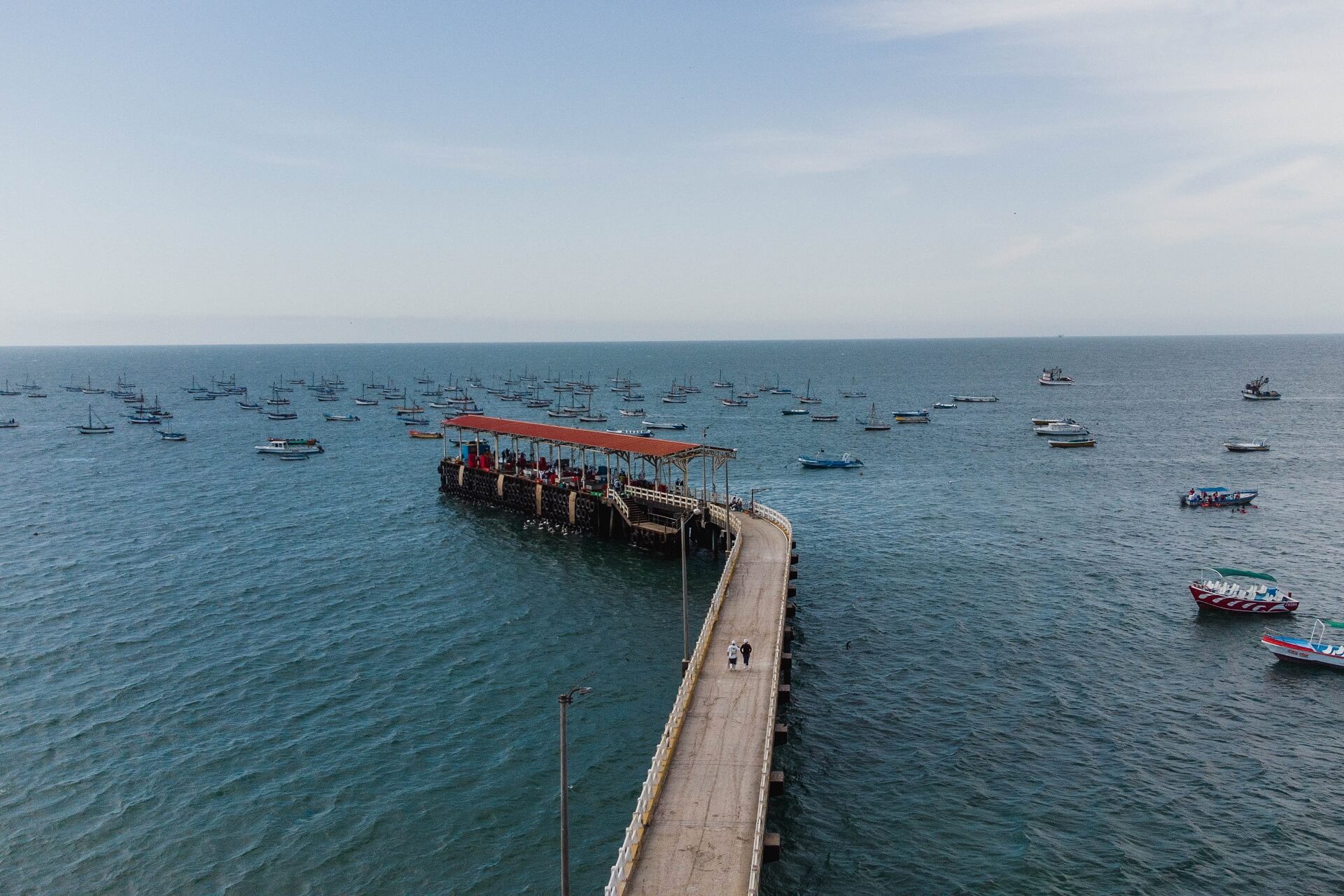
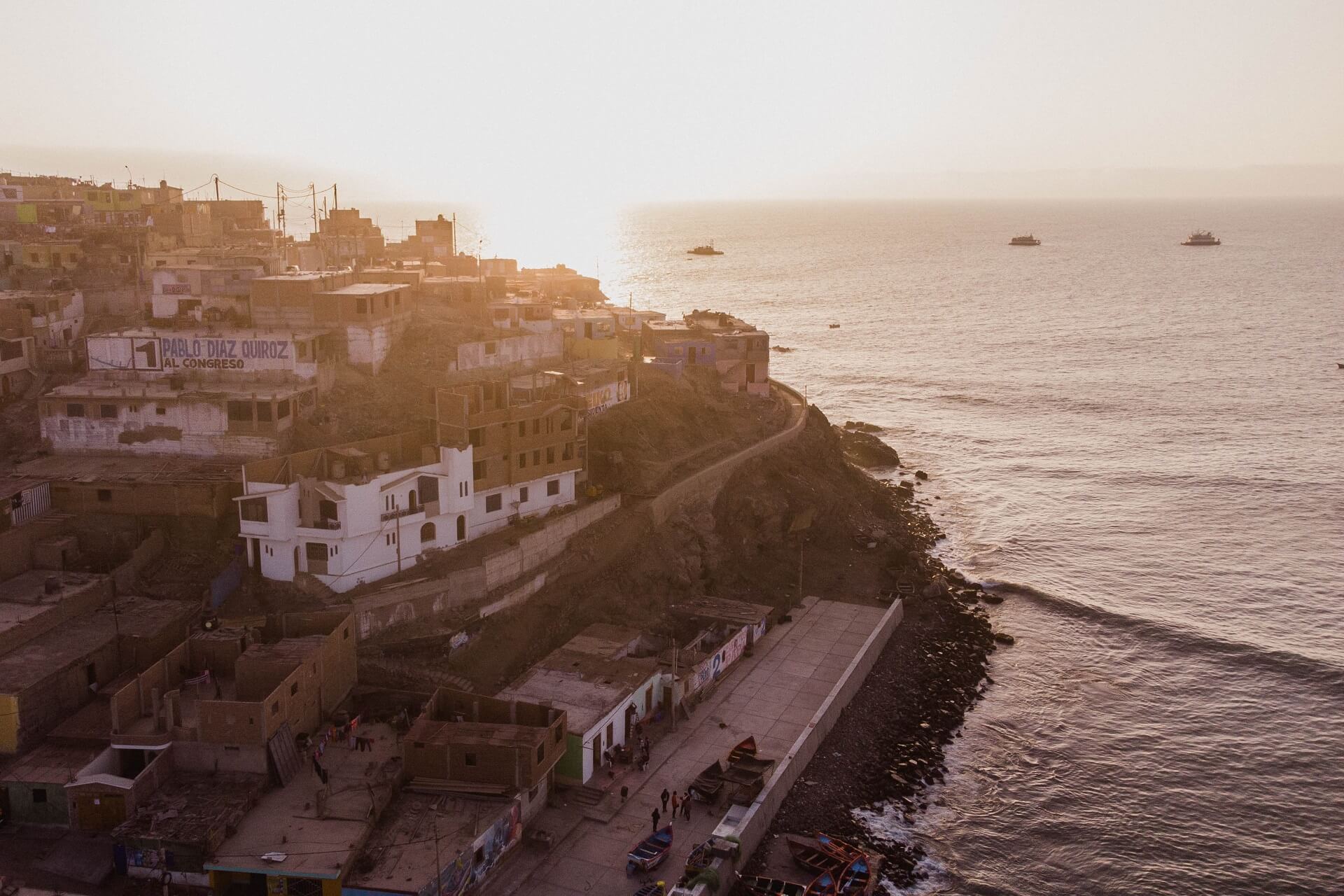
Ubaldo Tume is one of the hundreds of artisanal fishermen who go out to sea from the cove of Cabo Blanco, Piura. Currently, they all face a major problem in common: climate change and its impact on the marine ecosystem.
Women of the Sea
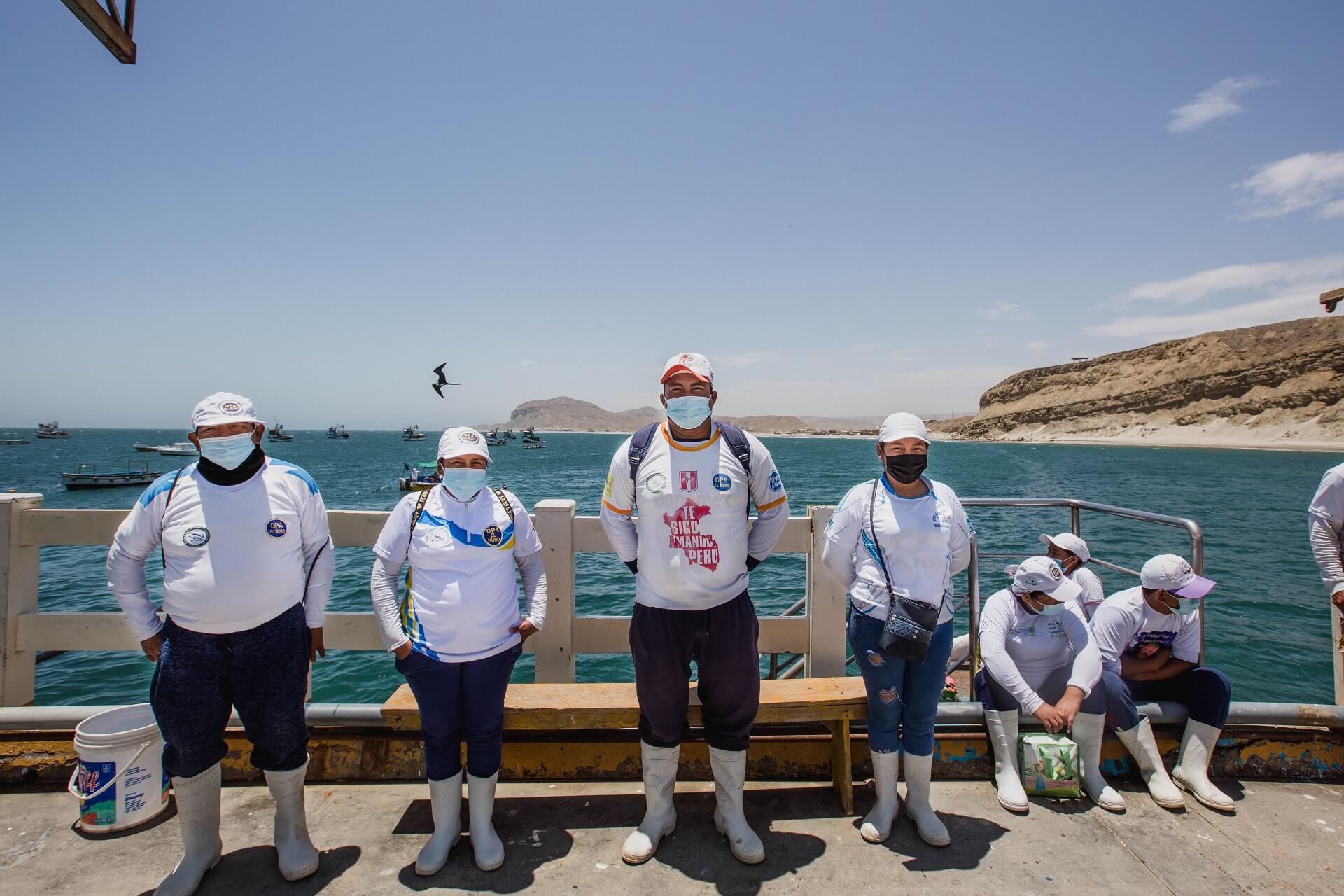
Fishing was traditionally a man's occupation, and the coves of Cabo Blanco, Órganos, and El Ñuro were no exception. For decades, women took care of the home, while their husbands, brothers, or sons went out to sea to earn a living.
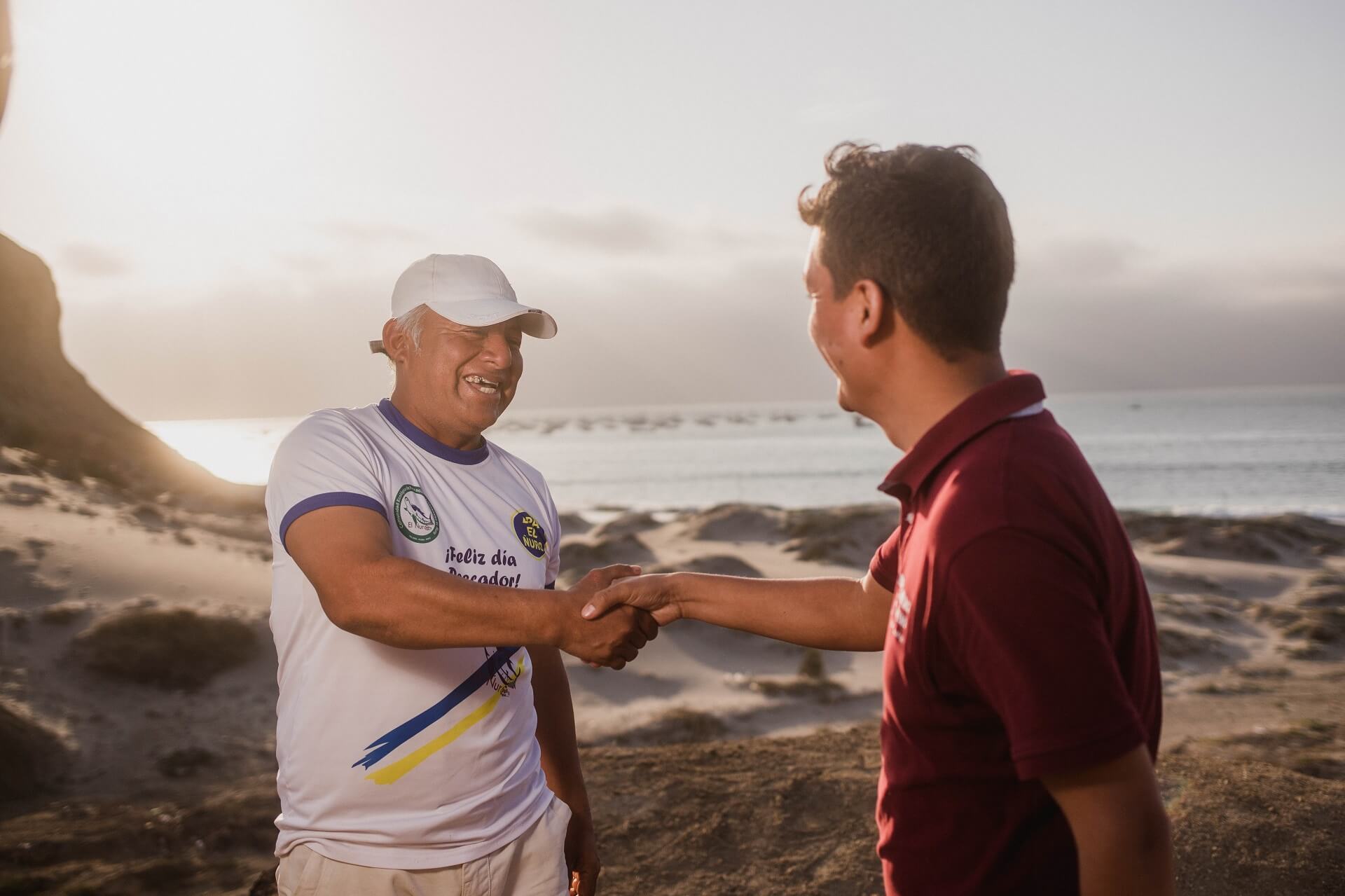
Tourism in El Ñuro
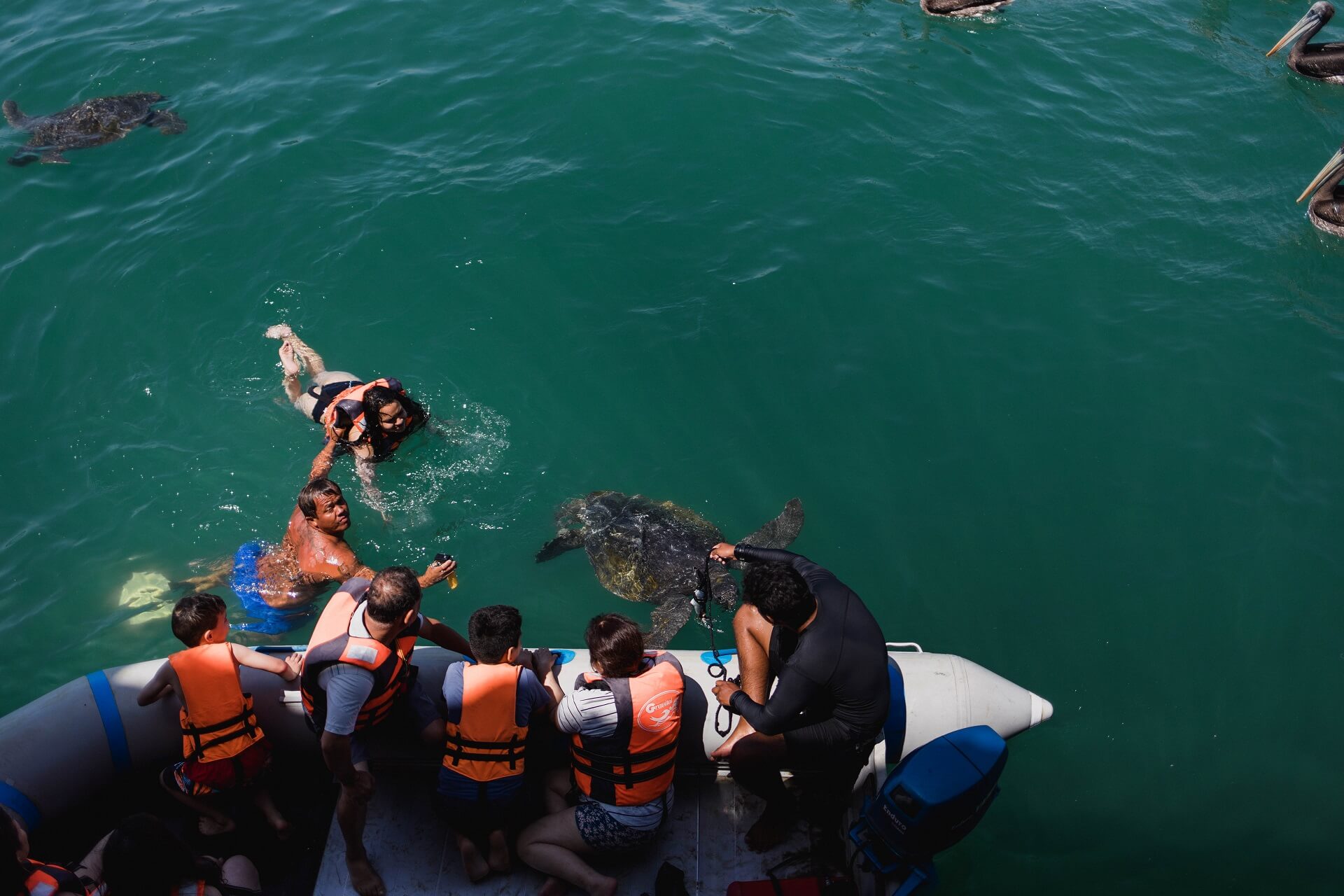
Discover El Ñuro, a cove located in Los Órganos, Piura, which for decades has sustained its economy thanks to fishing, but today is reinventing itself with new economic activities such as experiential tourism; and together with the marine coastal adaptation project promoted by Profonanpe, with the financing of the Adaptation Fund, they invite you to discover these new experiences.
APPROVED SPECIFICATIONS
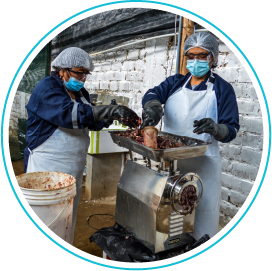
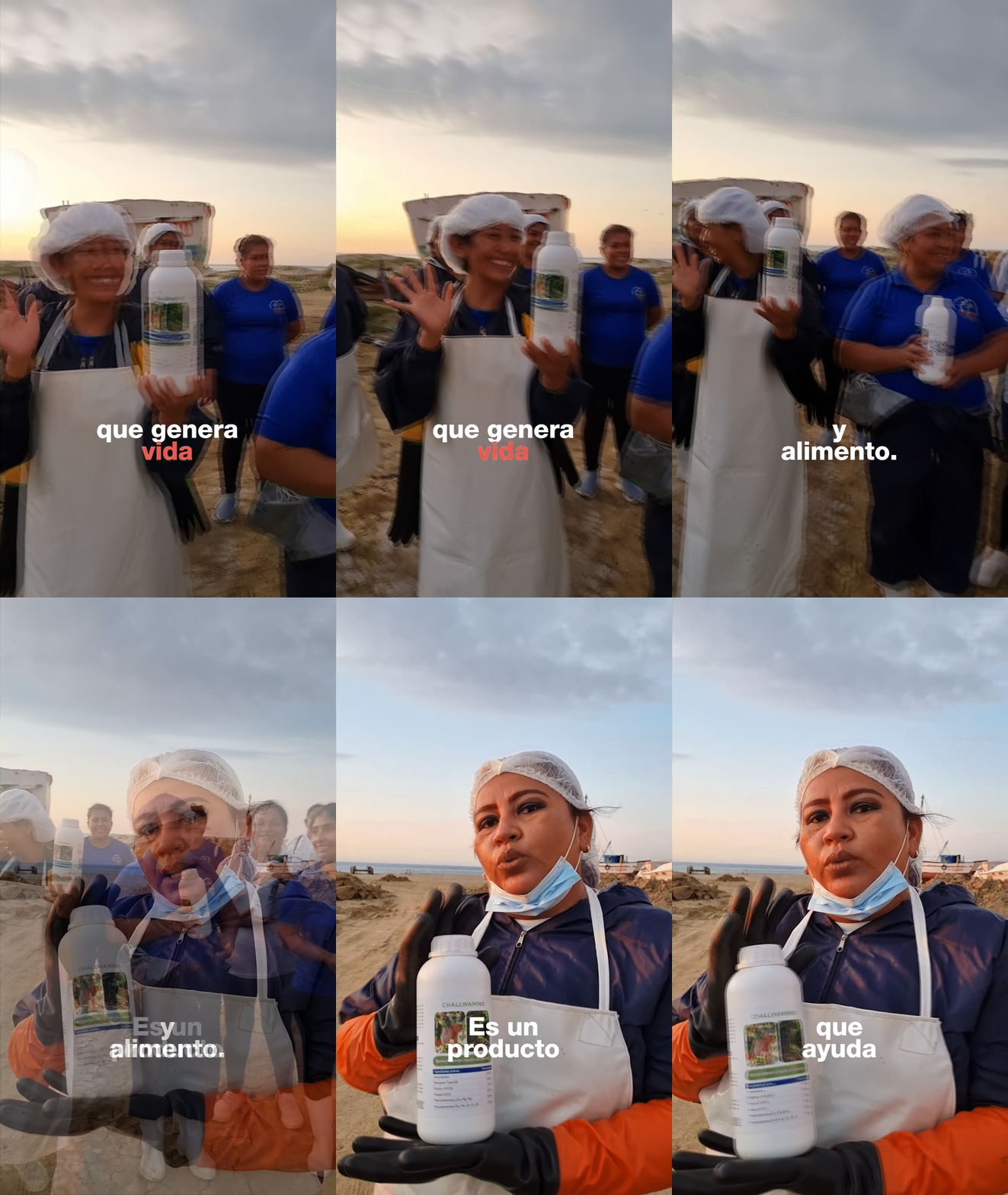
On the coast of the La Caleta de Carquín district, these enterprising women found an efficient way to transform fish waste into biofertilizers perfect for agriculture and gardening.
Ocean Little Wolves Adventure
In the Lobitos district of Piura, the Chapilliquén family is exploring new ways to offer sustainable tourism through artisanal fishing as a unique experience with the sea.
Weaving a sustainable future
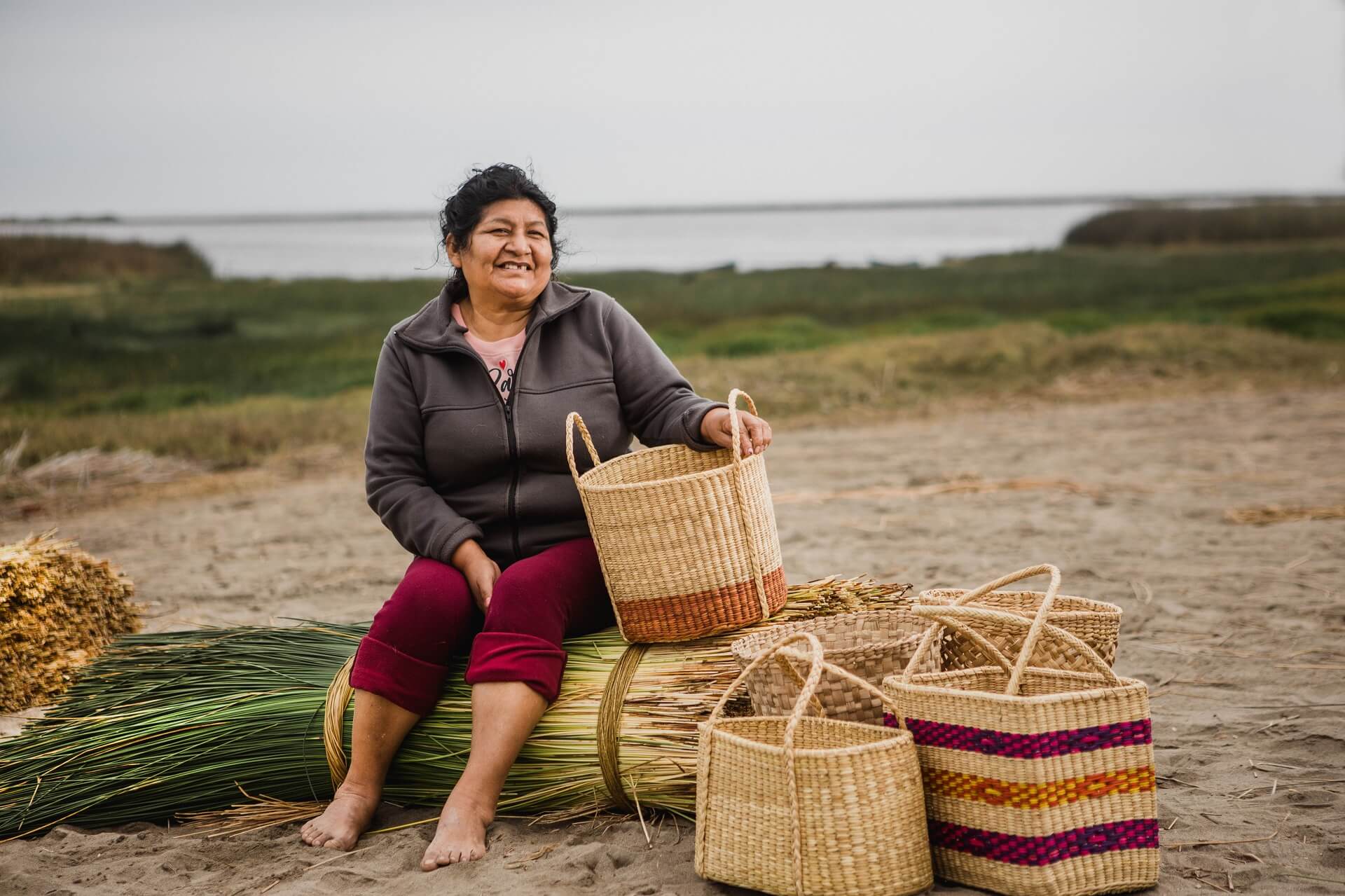
In the La Caleta district of Carquín, the Association of Women Artisans of Medio Mundo (AMARTEMM) manufactures beautiful accessories and furniture with vegetable reeds, protecting and caring for this species in their locality.
Biofertilizers in Los Órganos and El Ñuro
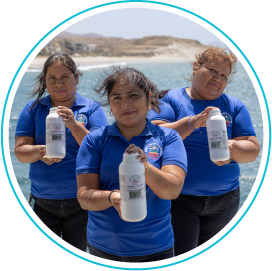
The districts of El Ñuro and Los Órganos, in Piura, are home to two women's associations that transform fish waste into fertilizers ideal for agricultural activity.
Mother-of-Pearl Cape Blanco
It is an association of women artisans located in Los Órganos, Piura, who make beautiful accessories and furniture with vegetable reeds, protecting and caring for this species in their locality.
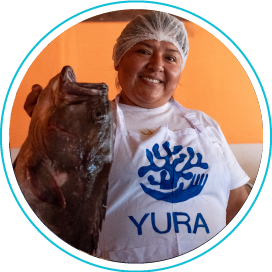
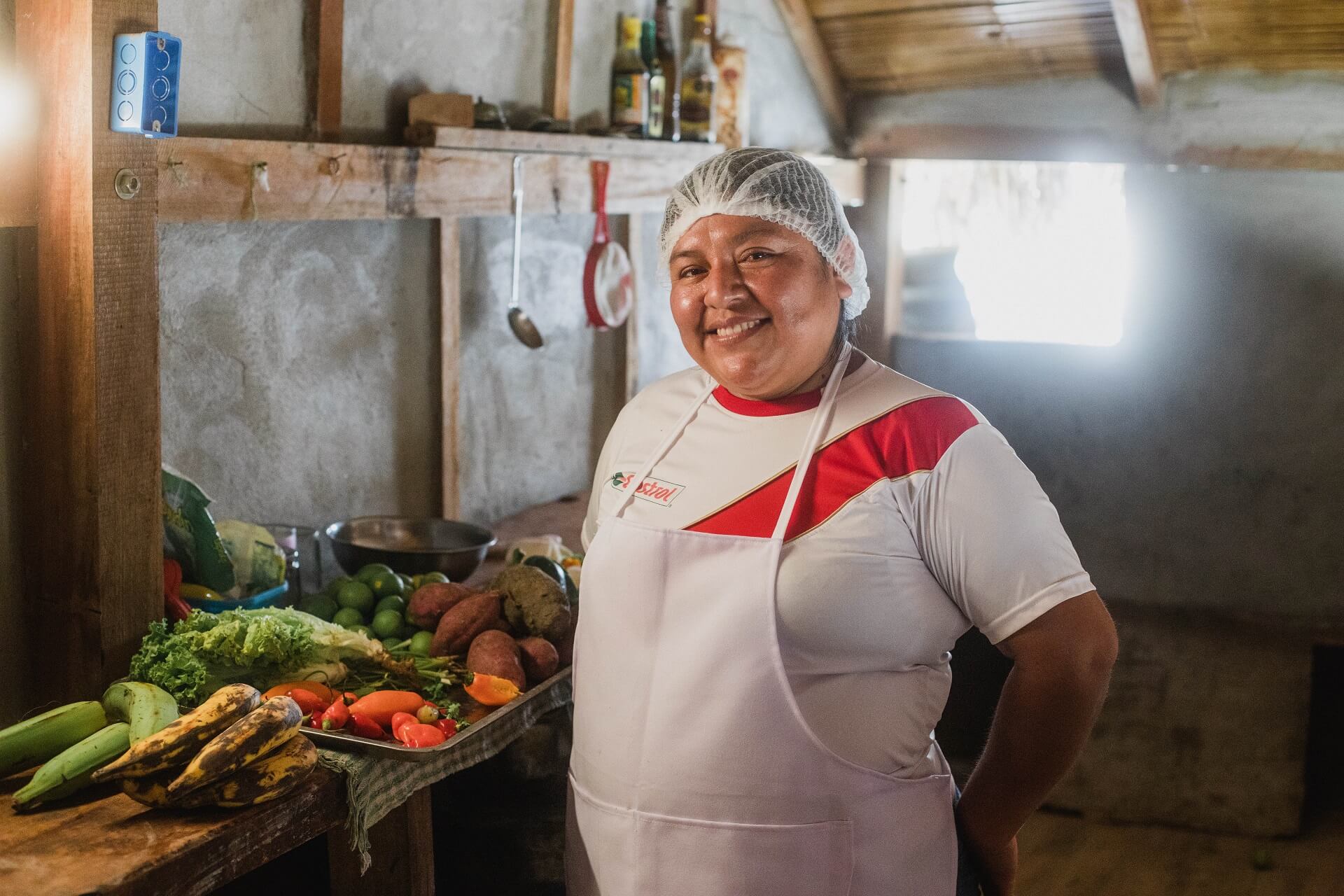
Yura Gastronomy
If you go to El Ñuro, you have to experience Yura's gastronomy, an initiative driven by women from the fishing communities of Máncora who are adapting to climate change.
Our challenge
01
Resilient Fishing was born in two of the fishing communities most vulnerable to the impacts of climate change: the pilot area of Máncora, and the pilot area of Huacho.
02
The Peruvian sea has some of the most productive fisheries in the world, obtaining almost 10% of the world's fish catch. This is due to the physical and chemical characteristics of its coastal upwelling.
03
It is estimated that Peru is among the eight countries most vulnerable to the impacts of climate change about fishing.
04
In the context of global warming, a 2°C increase in maximum temperature and a 20% increase in precipitation variability by 2050 would generate a loss of 20% in the country with respect to the potential GDP in that year.
05
Resilient Fishing works in sustainable fishing, oyster farming, aquaponics, gastronomy, crafts, sustainable tourism, biofertilizer production and more.
06
The main goal is reduce the vulnerability of fishing communities to the impacts of climate change and the resources hydrobiological resources under a series of strategic actions.
01
Resilient Fishing was born in two of the fishing communities most vulnerable to the impacts of climate change: the pilot area of Máncora, and the pilot area of Huacho.
02
The Peruvian sea has some of the most productive fisheries in the world, obtaining almost 10% of the world's fish catch. This is due to the physical and chemical characteristics of its coastal upwelling.
03
It is estimated that Peru is among the eight countries most vulnerable to the impacts of climate change about fishing.
04
In the context of global warming, a 2°C increase in maximum temperature and a 20% increase in precipitation variability by 2050 would generate a loss of 20% in the country with respect to the potential GDP in that year.
05
Resilient Fishing works in sustainable fishing, oyster farming, aquaponics, gastronomy, crafts, sustainable tourism, biofertilizer production and more.
06
The main goal is reducing the vulnerability of fishing communities to the impacts of climate change and the hydrobiological resources under a series of strategic actions.
Previous
Next
Our achievements
Resilient Fishing has allowed us to reach out to communities through vulnerability assessments of the pilot areas, as well as ecological risk assessments to develop intervention measures and thus lessen the impact of climate change.
3 Gliders have been acquired (autonomous underwater vehicles) to help us with the recording of oceanographic variables and thus add this technology to the research and predictions of the impacts of climate change in fishing areas.
We succeeded in strengthening the gender focus in the pilot communities with the participation of women in activities related to ecotourism, business management, tour guiding, bioproduct production, handicraft production and sales, aquaculture, and more
We have developed productive activities with the communities fishing in order to contribute to the formalization process of artisanal fishing associations in the pilot areas of Máncora and Huacho.
We managed to increase the income of artisanal fishermen thanks to traceability and the use of technologywhich allows for an increase in the quality and value of the fish, bringing with it greater employment through the processing and marketing of the products.
We develop programs to educate and enhance topics related to formalization and management of regulations and fishing such as knowledge of minimum sizes, legally protected species, time limits, responsible fishing commitments and strengthening the regulatory framework of the "Regional Committees for the Surveillance of Artisanal Fishing".