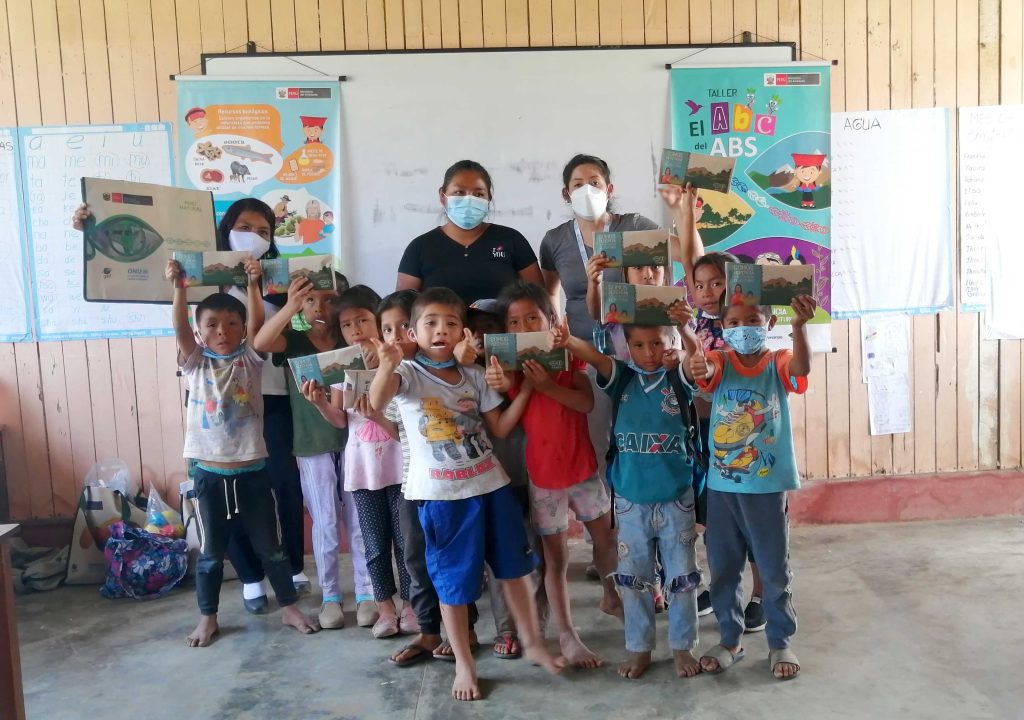
More than 230 girls, boys and adolescents from four regions of the country are learning to use the ancestral knowledge of their respective communities to conserve the native species of our biodiversity.
This is made possible thanks to the "ABC of ABS" initiative, which is promoted by Ministry of the Environment (Minam) Since 2021, through the GEF-ABS-Nagoya project, in Amazonas, Loreto, Moquegua and San Martín. (ABS stands for Access and benefit-sharing).
José Álvarez, Director General of Biological Diversity for that sector, reported that, through the use of didactic and playful techniques, the participants also learn the importance of valuing such learning that is transmitted from generation to generation in their communities and families.
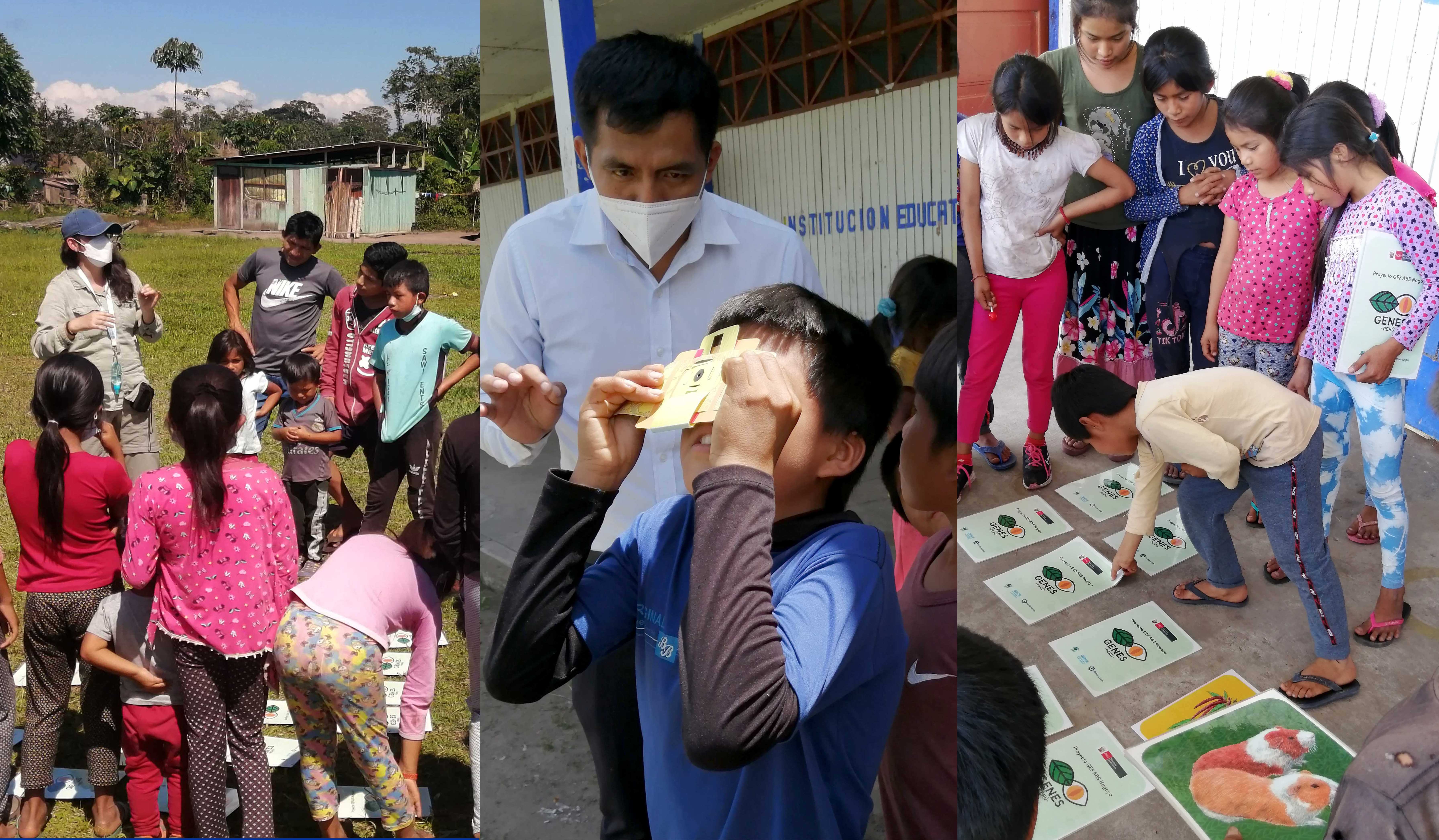
She also announced that a new workshop will be held next October for three communities in the Amazonas region to raise awareness about the importance of valuing our flora and fauna. “These workshops promote the conservation and sustainable use of natural resources and the protection of associated traditional knowledge, in accordance with the Nagoya Protocol, fostering the well-being of the people,” she added.
This non-formal educational experience encourages the appreciation of traditional knowledge associated with genetic resources, for a future fair and equitable sharing of the benefits derived from their use.
The fact:
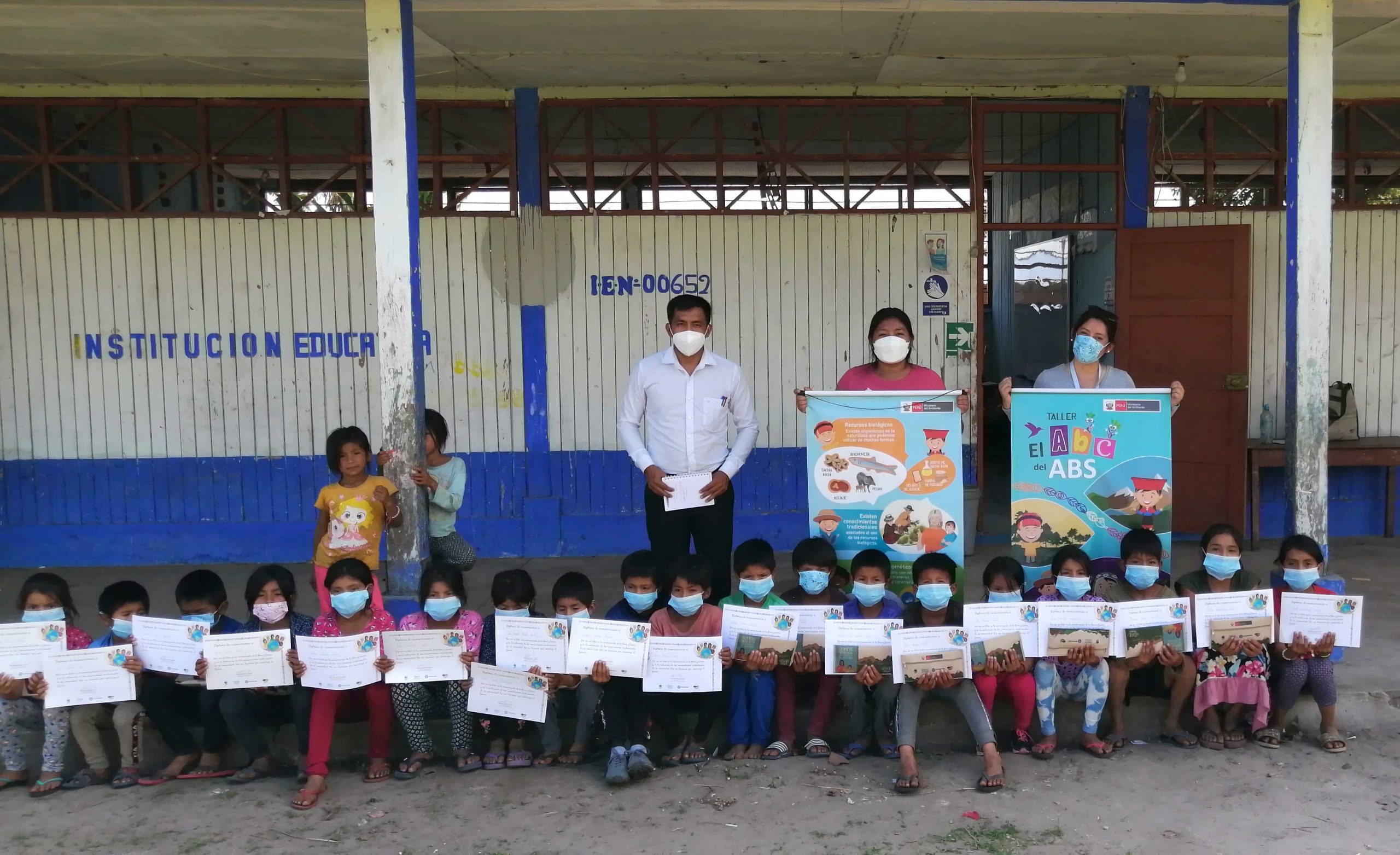
In the last workshop held in August, 86 children from four bilingual intercultural education institutions in the native communities of San Rafael, Morroyacu, Sawi Entsa, and Nueva Vida, in the San Martín region, participated. The sessions were conducted in the Awajún language.
About the GEF-ABS-Nagoya Project
This project, funded by the Global Environment Facility (GEF) and implemented by the Ministry of the Environment, Profonanpe and UN Environment, It aims to strengthen national capacities for the effective implementation of access regimes to genetic resources and traditional knowledge in accordance with the Nagoya Protocol and thus contribute to the conservation of biodiversity and the well-being of people in the country.