





A land with purpose


Conserve in situ and sustainably use globally important agrobiodiversity (ABD) through the preservation of traditional farming systems, integrated management of forests, land resources and the maintenance of ecosystem services.

The potential of the Andean region

Peru is recognized among the five most megadiverse countries in the world

84

life zones

Peru possesses in its regions the richest sources of biodiversity, tradition and culture.

6,990

msnm

have fostered landscapes and ecosystems of high biodiversity and endemism

184

native domesticated plant species

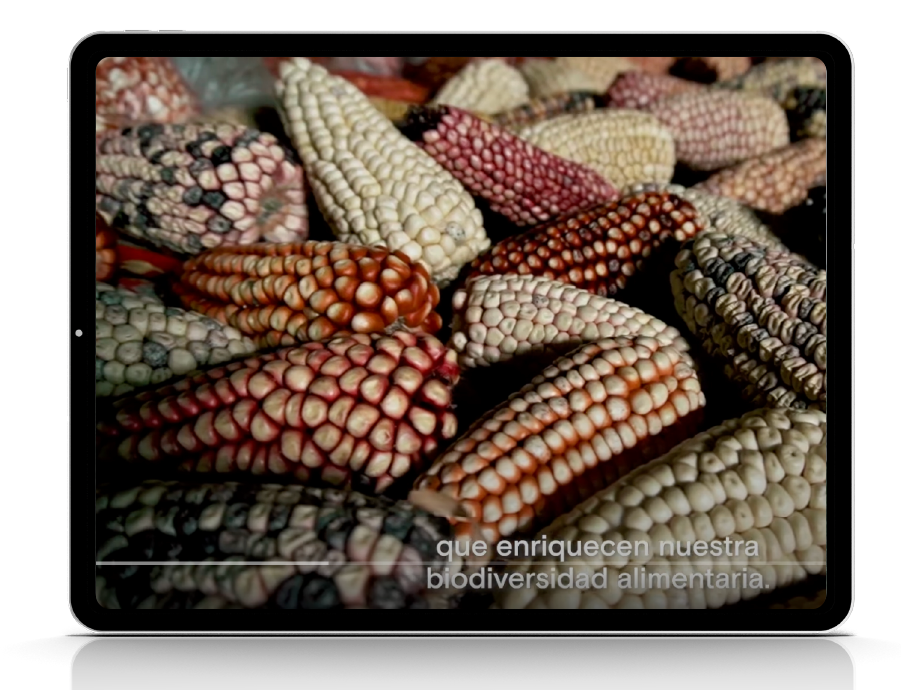
Among them are two of the most important in the world: the potato and corn

Major achievements of the project

41,029

hectares

under conservation agreements with 20 farming communities

11,185

families
peasant women

They apply management practices to conserve agrobiodiversity.

45

recovered local species

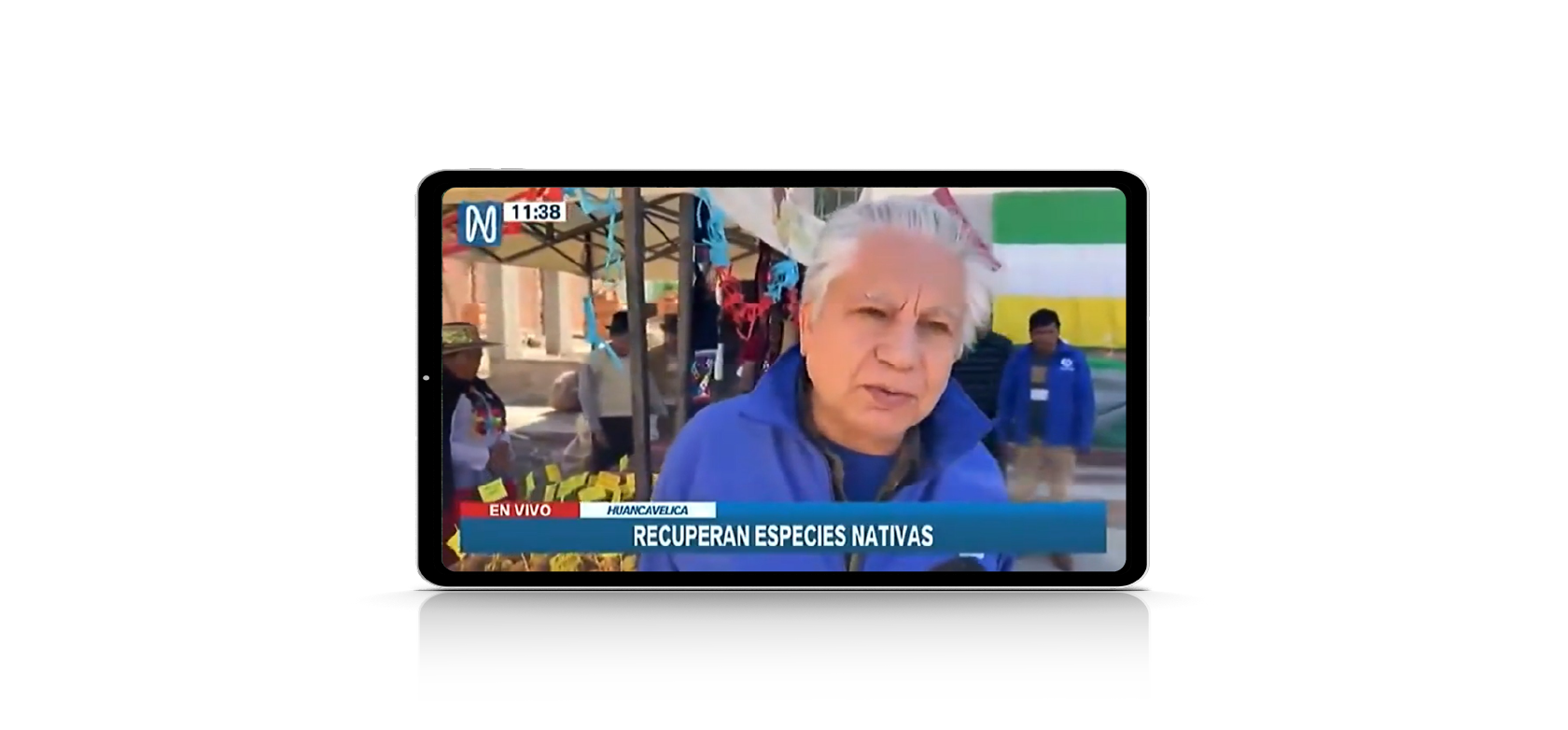
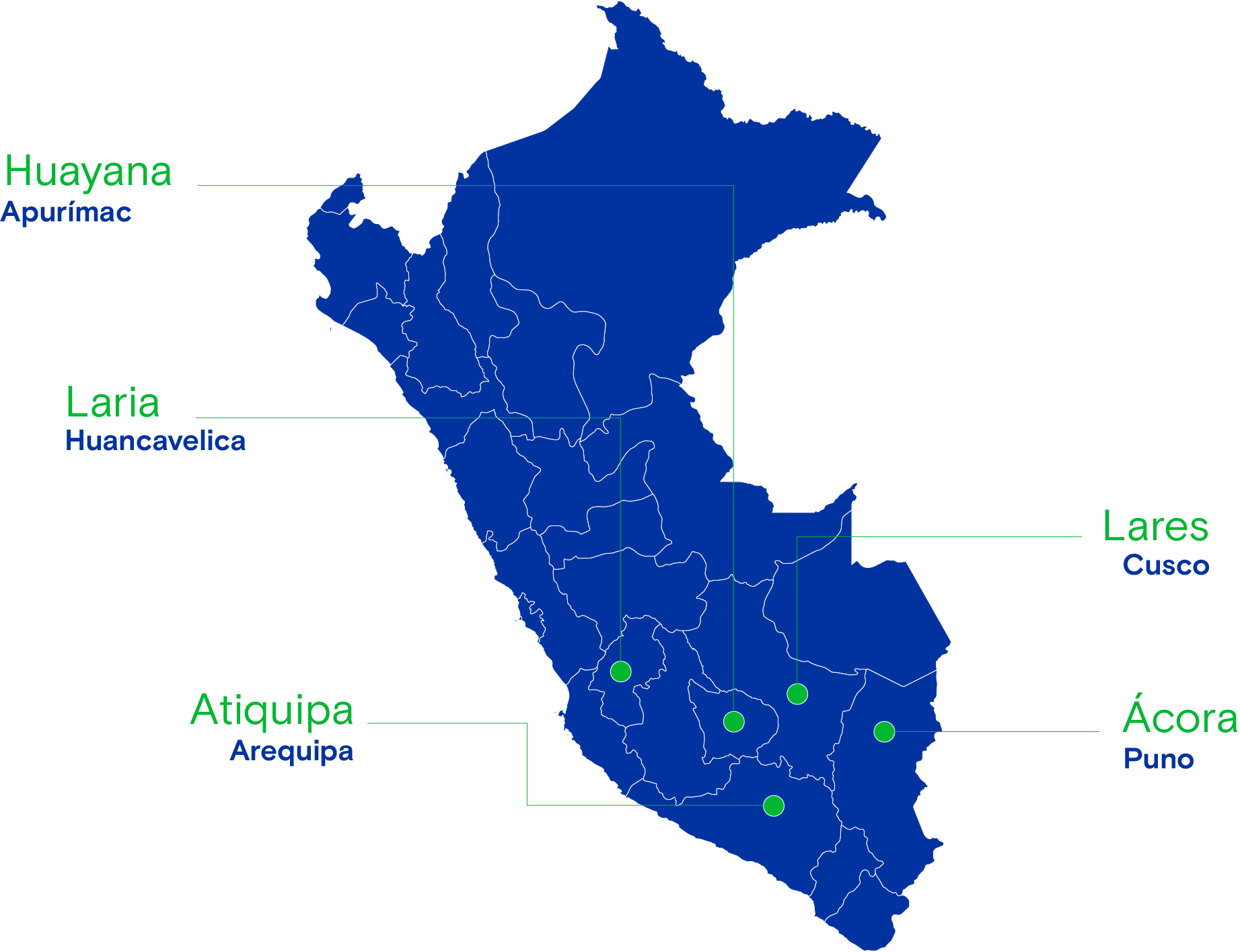
such as potatoes, quinoa, cañihua, maca, among others in the regions of Cusco, Puno, Apurímac and Huancavelica

Learn more about the world's largest agricultural heritage site

The return of the seeds

Muhu Kutichiy 

In this documentary, discover the testimonies of the Peruvian conservationists who worked together on the project for the recovery of agrobiodiversity products.


Ancestral knowledge for conservation

Peruvian farmers have achieved, through thousands of years of experimentation and accumulation of knowledge, a production and adaptation of agricultural species and varieties that constitute a very valuable genetic heritage for all humanity.

Andean agriculture is one of the best examples of how the traditional knowledge of farmers has allowed them to adapt to their environment for more than 5,000 years.


These areas retain much of the ancestral traditional agricultural technologies, which have allowed local communities to meet their food needs despite the strong influence of Western agriculture that is eroding many of their ancient traditions.

The pillars of agrobiodiversity conservation

This project promotes a landscape approach to conservation, which ensures not only crop agrobiodiversity itself, but also traditional systems that encompass the entire landscape, in which crops are managed by local people, are maintained, and threats that affect the landscape scale are addressed. 

This is in accordance with the agrobiodiversity zone model provided by Peruvian legislation, which generally correspond to the principles of GIAHS (Globally Important Agricultural Heritage Systems) and SIPAN (Important National Agricultural Heritage Systems).

Promote markets for crops and products of agrobiodiversity.
This increases the attractiveness of its maintenance for farmers.
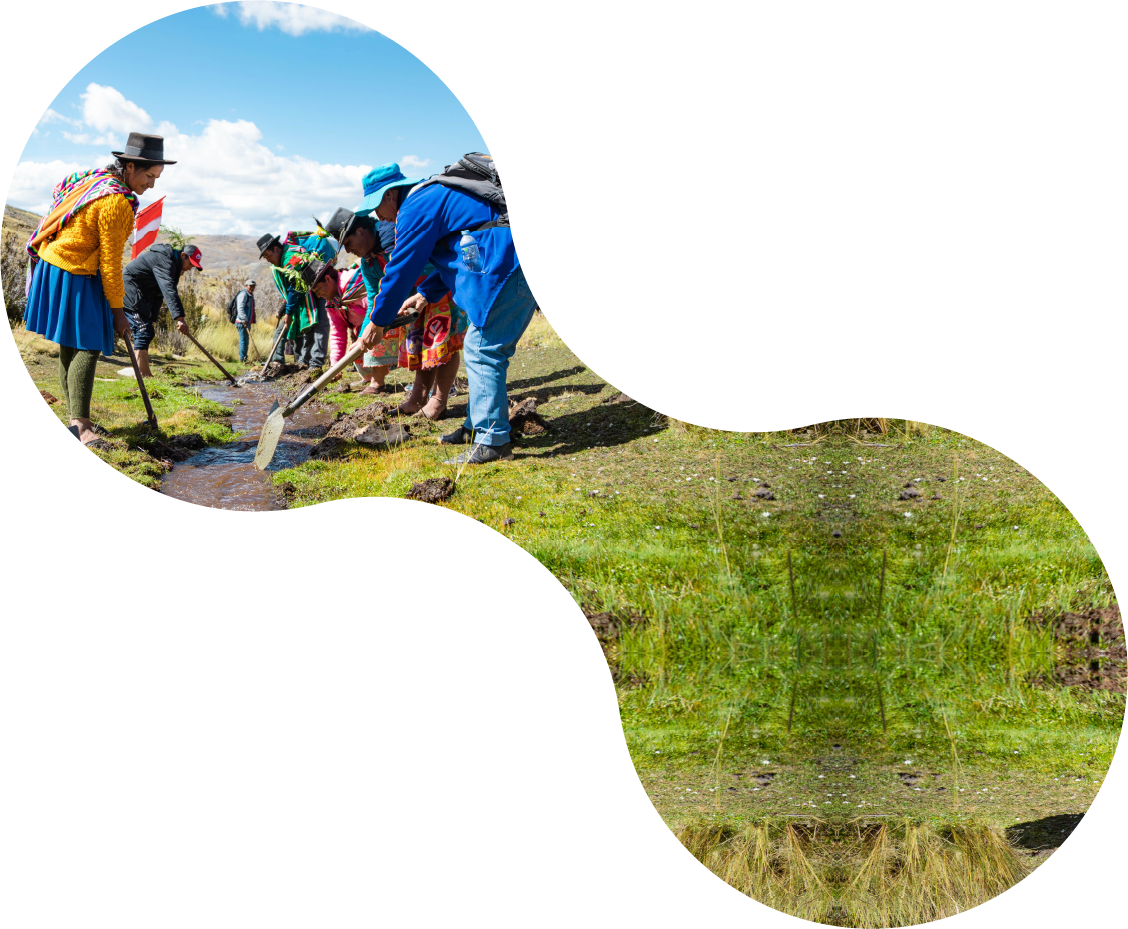
Strengthen farmers' capacities for the management and conservation of agrobiodiversity in response to changing pressures, and restore landscapes that provide ecosystem services on which agrobiodiversity management systems depend.
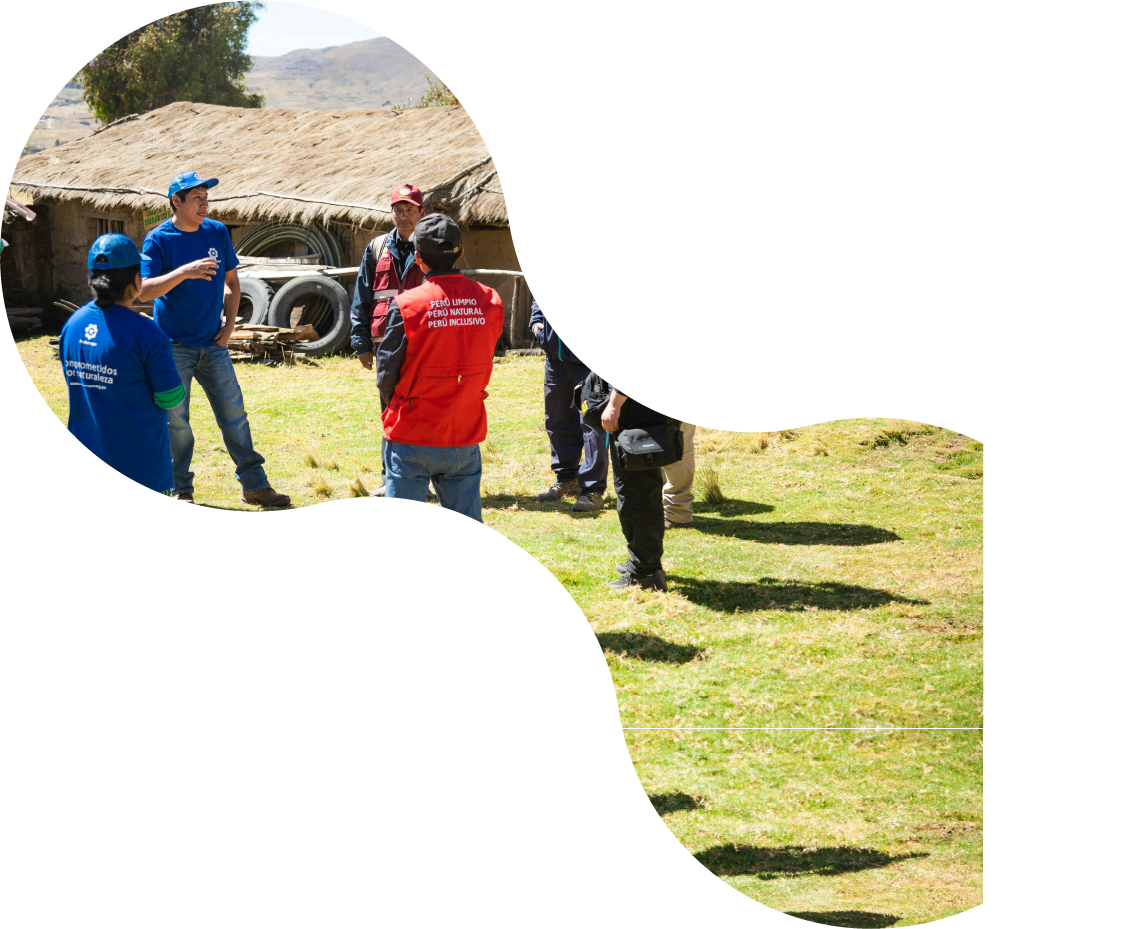
To ensure an enabling environment of inter-institutional coordination, institutional capacities and public awareness to support the proposed model of agrobiodiversity conservation.
Most farmers

Participants are almost exclusively indigenous, 

of the Quechua and Aymara ethnic groups.

Our ancient treasures

Peru possesses in its regions the richest sources of biodiversity, tradition and culture.

Prioritized native crops and species

In 13 districts of 5 localities, which are mostly part of river basins, native crops and species were prioritized, organized in production systems and ancestral knowledge.

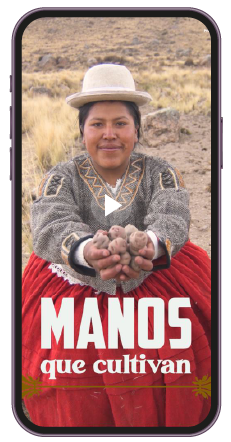
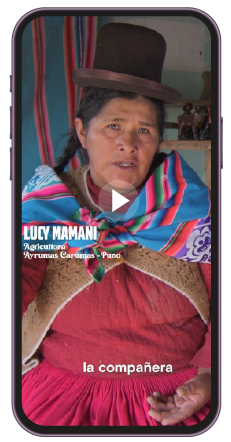
Hands that cultivate

Knowledge and talent that leave a mark

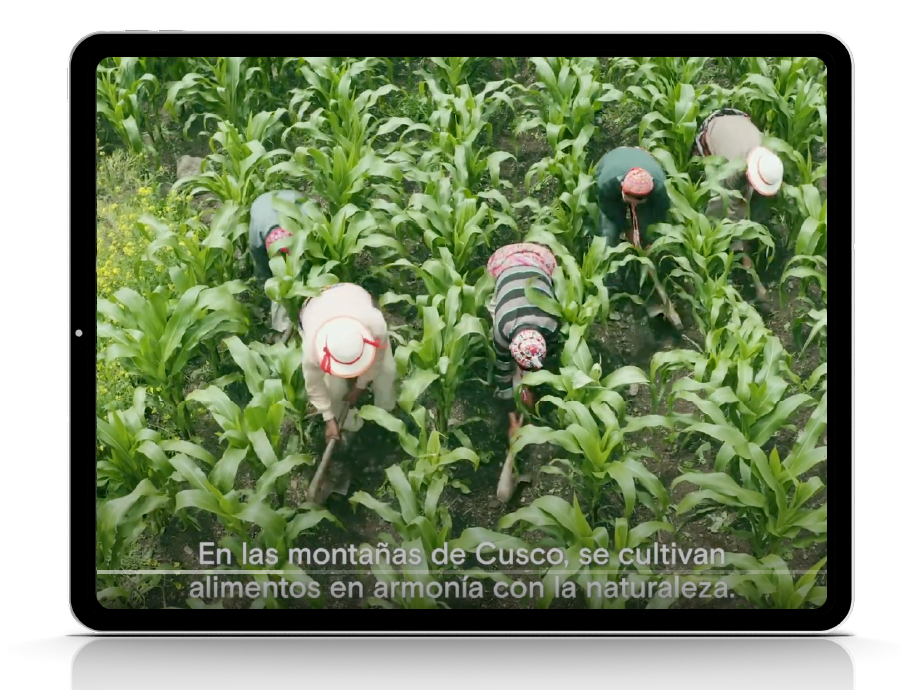
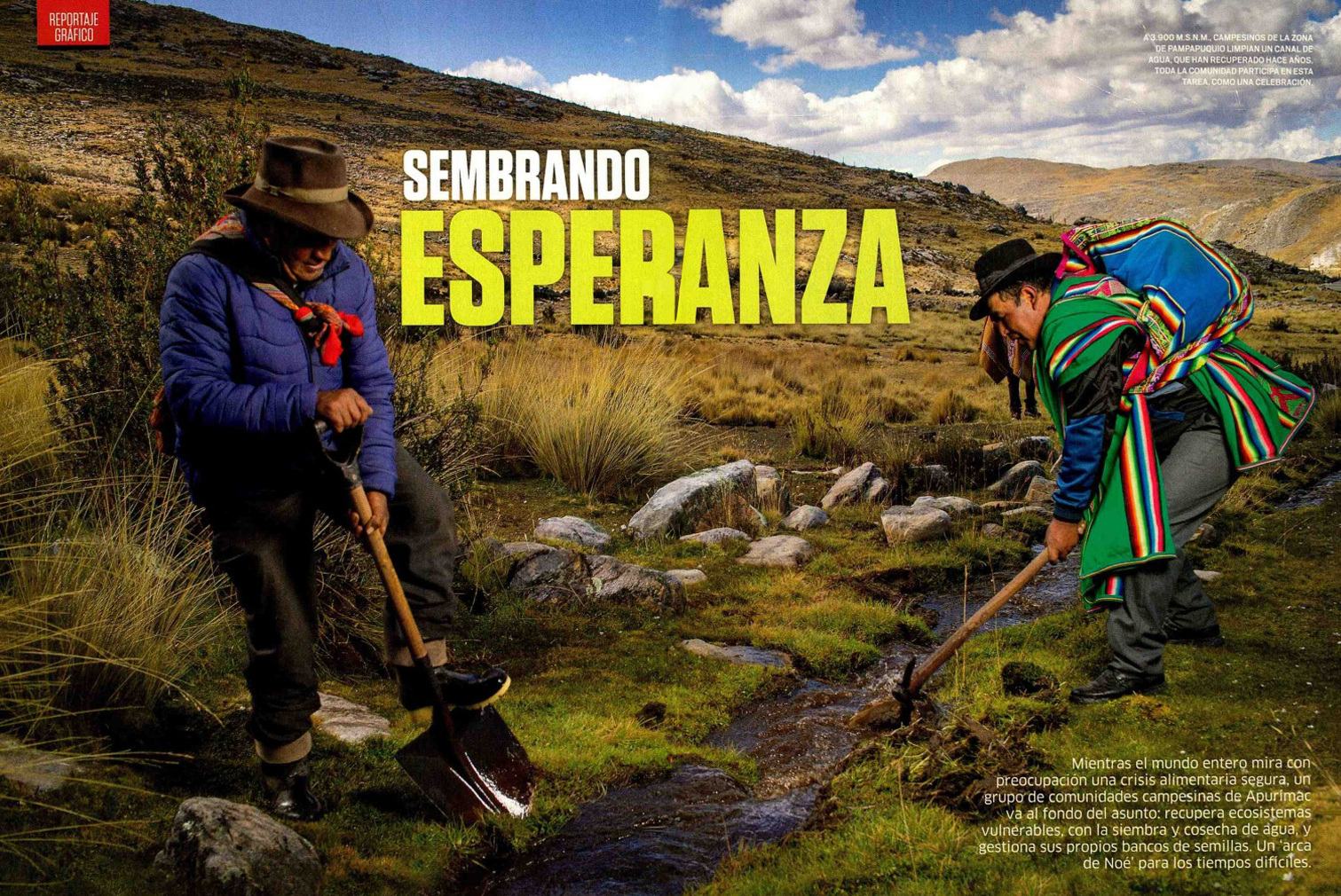
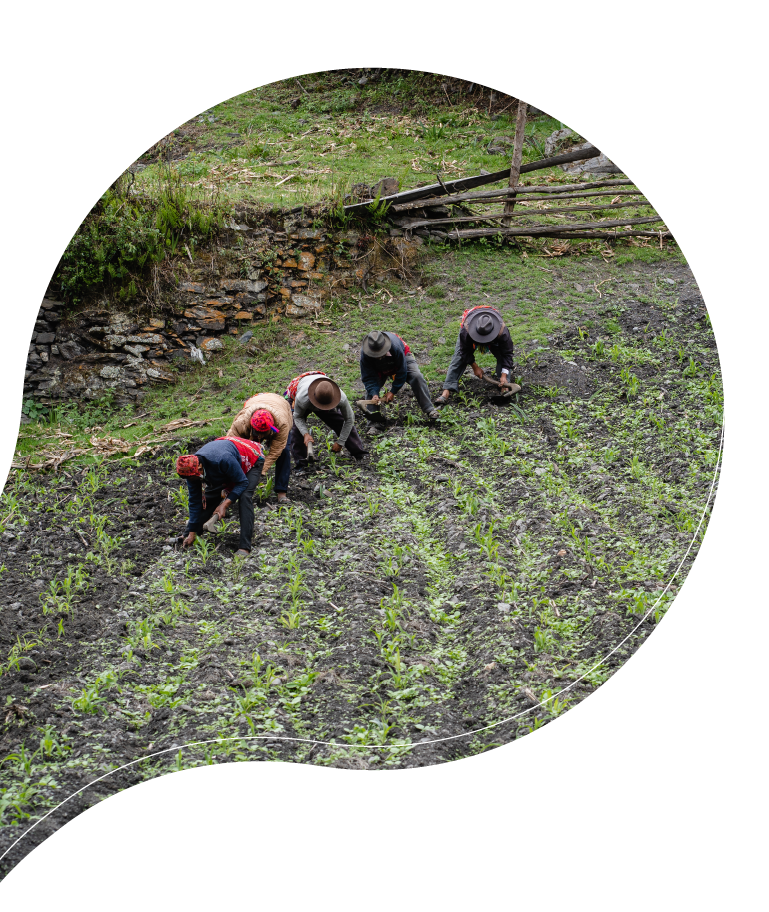
In the community of Cachín, located in Cusco, planting and harvesting are done using ancestral knowledge, built on the biodiversity of the Andes over thousands of years.

In the Andes, knowledge and wisdom are built, preserved, and transmitted that allow us to cultivate food for Peruvian tables to this day.

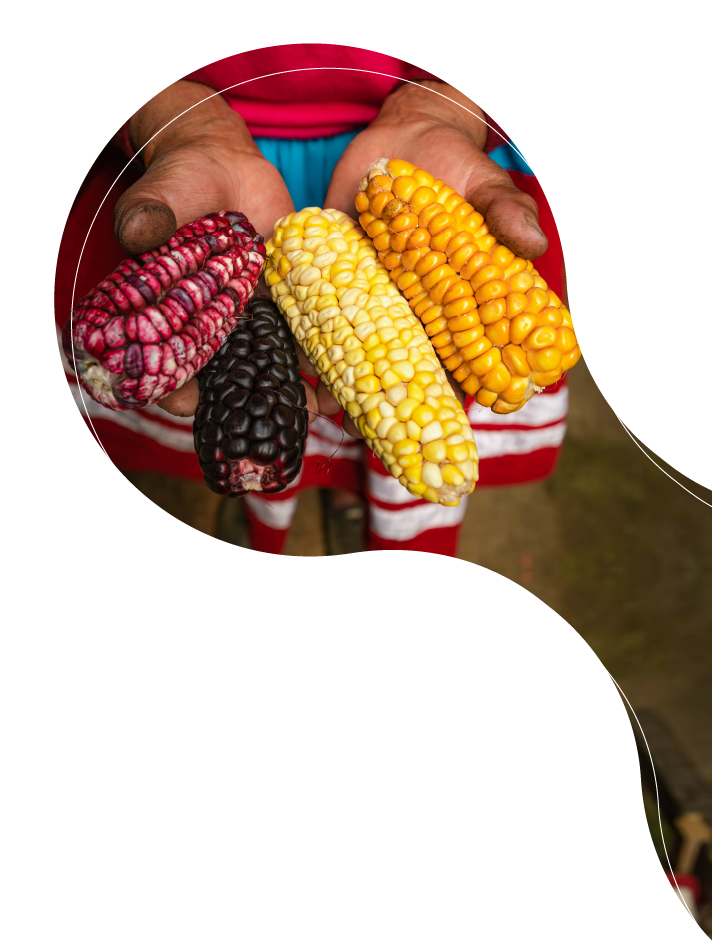
In the peasant communities of Ccachín and Choquecancha, in Cusco, unique species of corn are planted thanks to the climatic and geographical diversity of the Andes.

Discover Peruvian agrobiodiversity

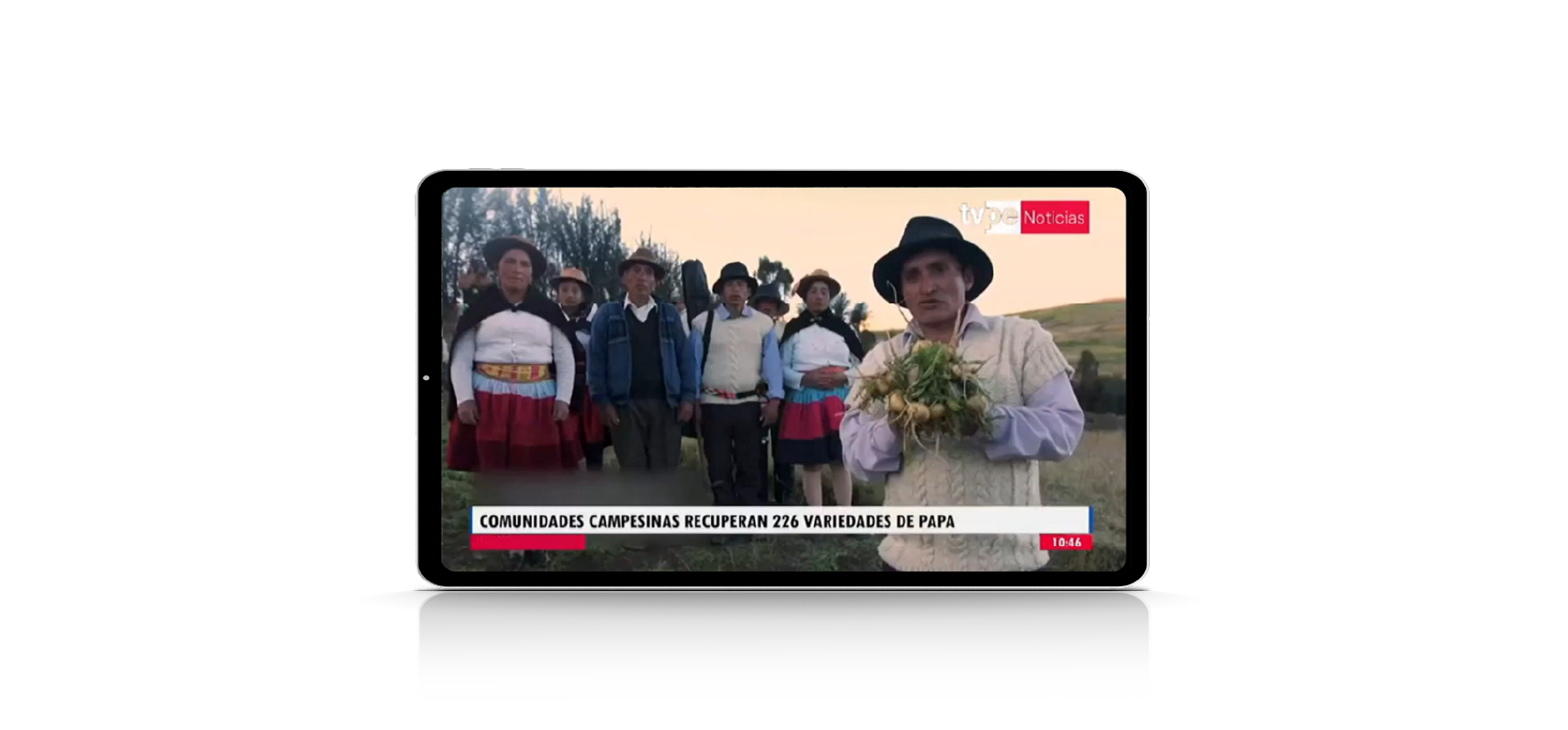
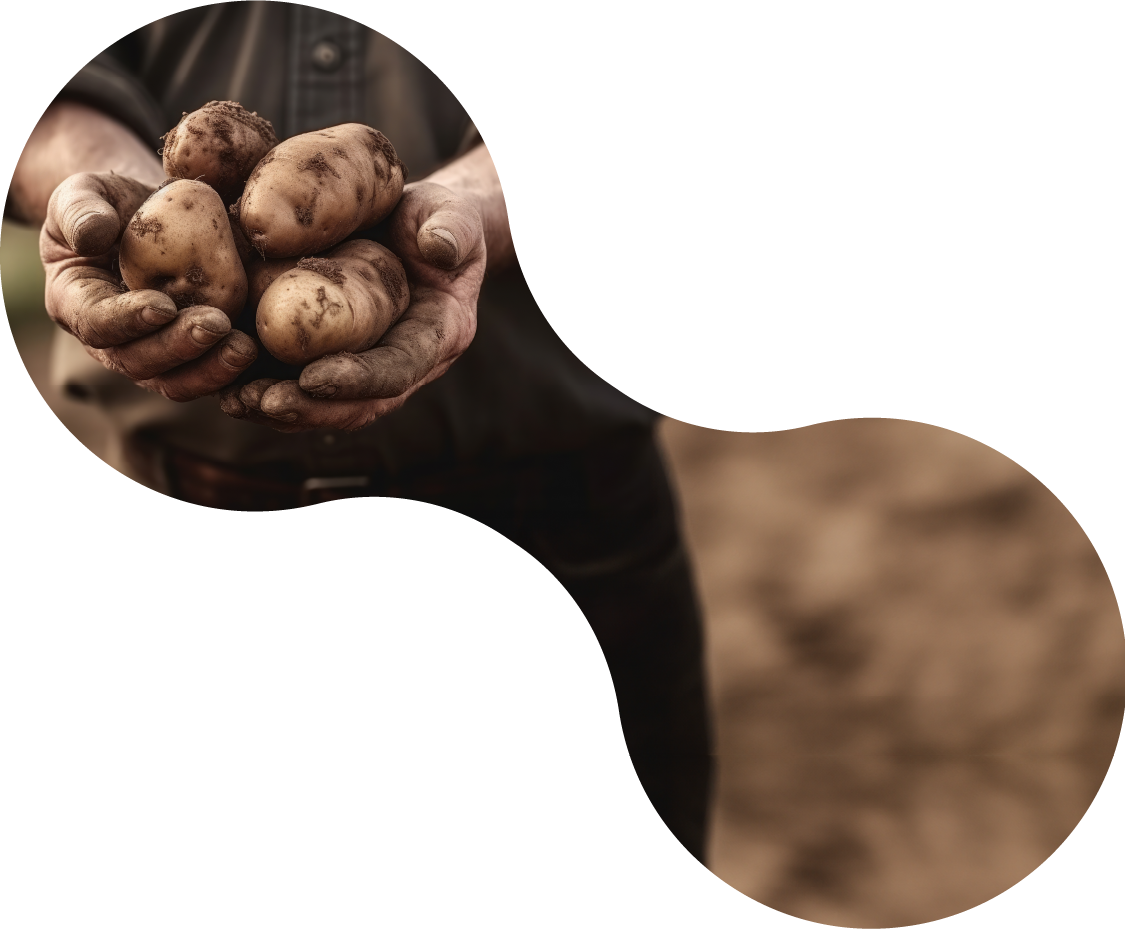
We present to you Víctor Rojas, who, thanks to his ancestral knowledge, preserves different varieties of potatoes, a heritage of our nation.

He is one of the 1,500 farmers in Apurímac. His work helps feed Peru.

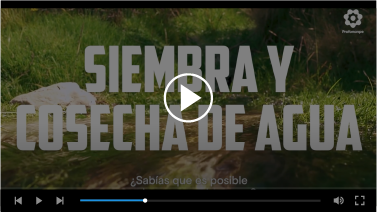
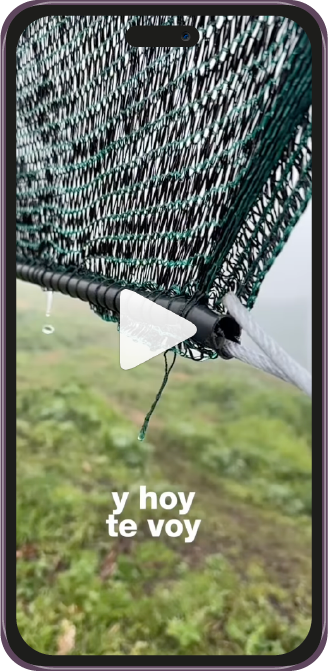
In the headwaters of the Chicha River micro-basin, Percy Vargas and his community recover water to store it in a reservoir and then distribute it to their community.

This is knowledge that the #ManosQueCultivan have practiced in high Andean areas of Peru for thousands of years.

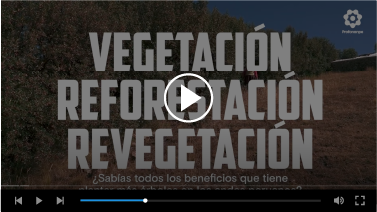
Through reforestation and revegetation, Marisol Pedrasa obtains multiple benefits, such as protecting herself from low temperatures, preserving her crops and caring for her livestock.

The application of agroforestry systems is knowledge that has been applied for centuries and with which they conserve and rescue ancient foods from our agrobiodiversity.

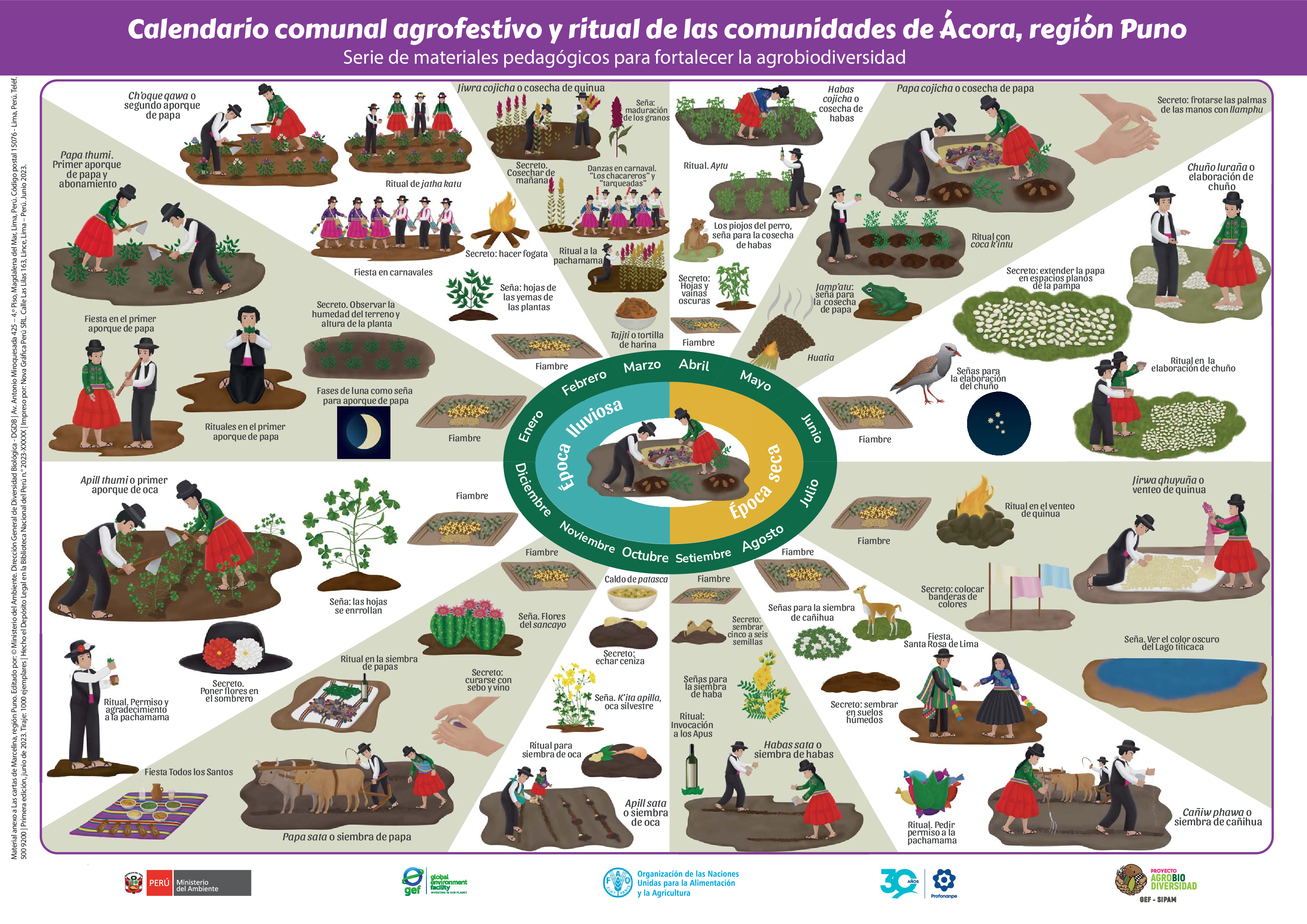
Get to know the community of Ácora

Discover Agrobio Peru

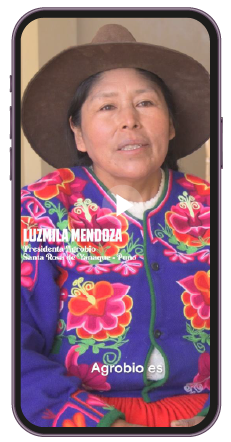
Farmers from Cusco, Huancavelica, Puno and Apurímac contribute to the country's food security. 

Preserve ancestral knowledge

Discover how in Ácora they begin their planting work while maintaining ancestral traditions.

Learn about seed banks

Farmers preserve agricultural species and ensure the conservation of agrobiodiversity. 

Renata Flores in Atiquipa

Creating life in the middle of the desert

Catching water from the sky

From the sea to the Andes in just 20 minutes

Did you know about the Tara tree?

Ancestral knowledge that transcends time

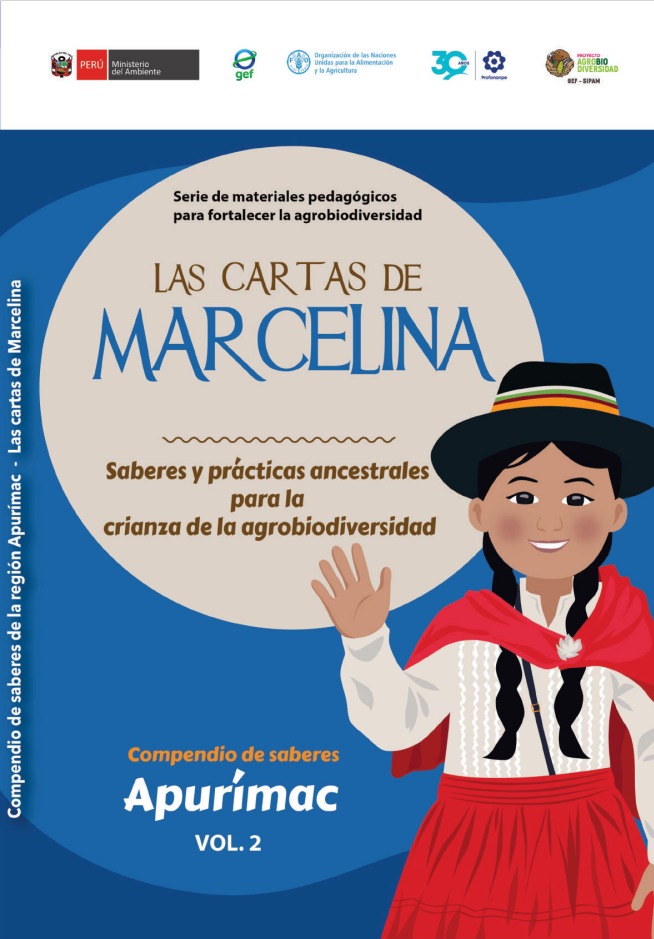
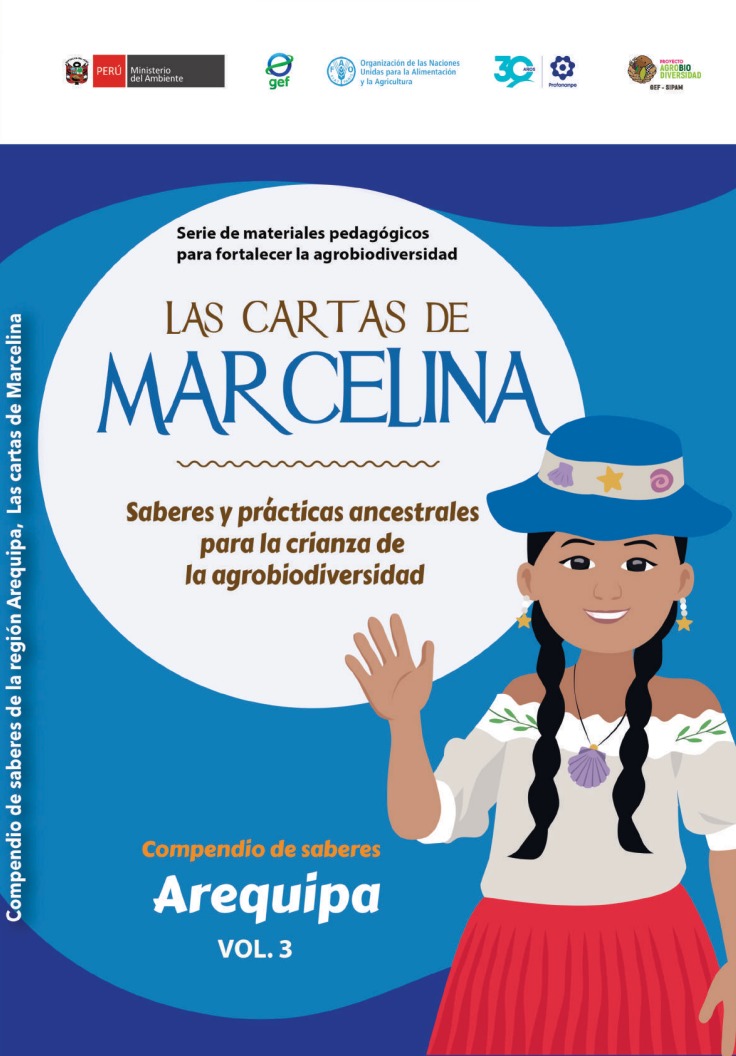
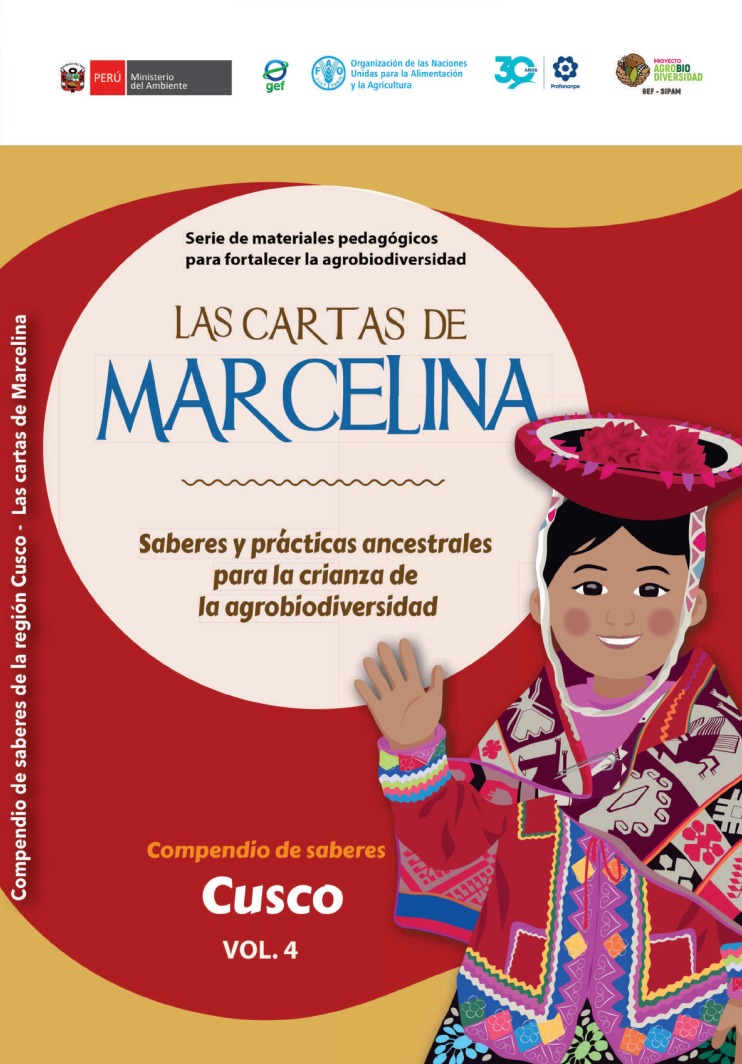
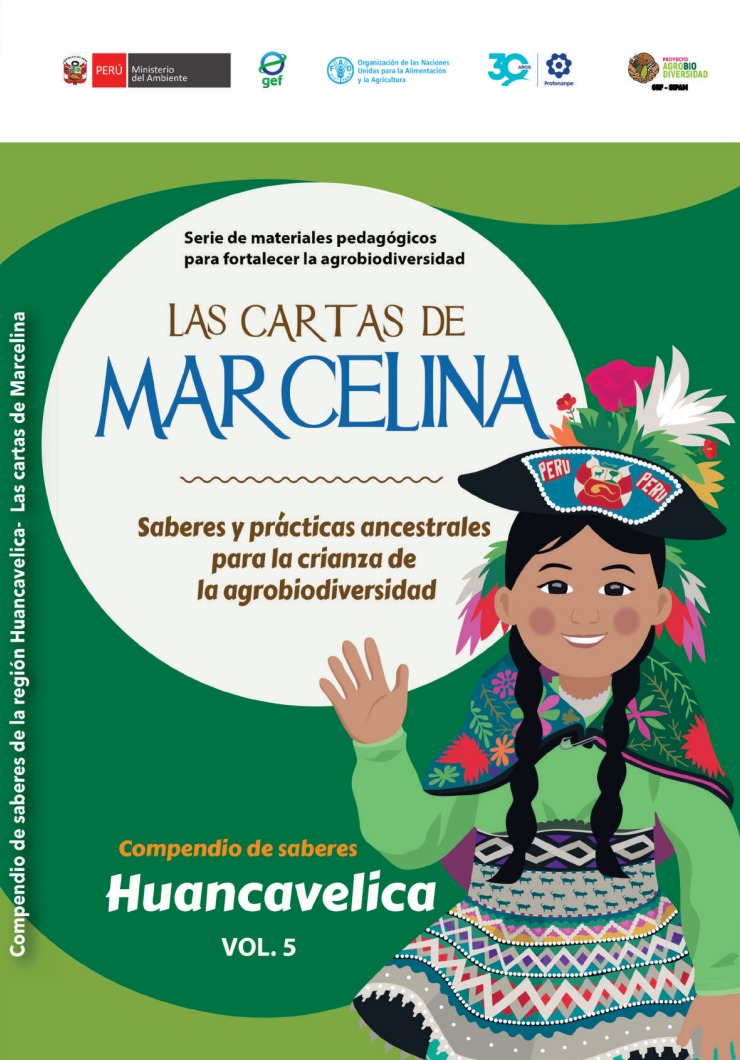
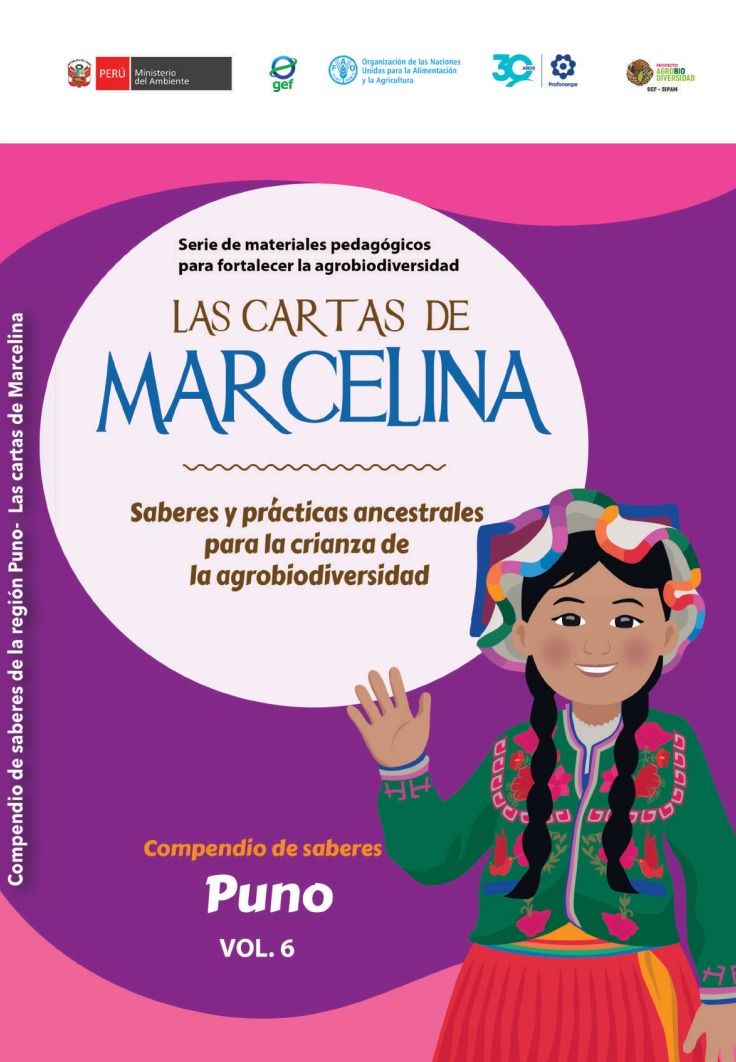
Marcelina's Letters

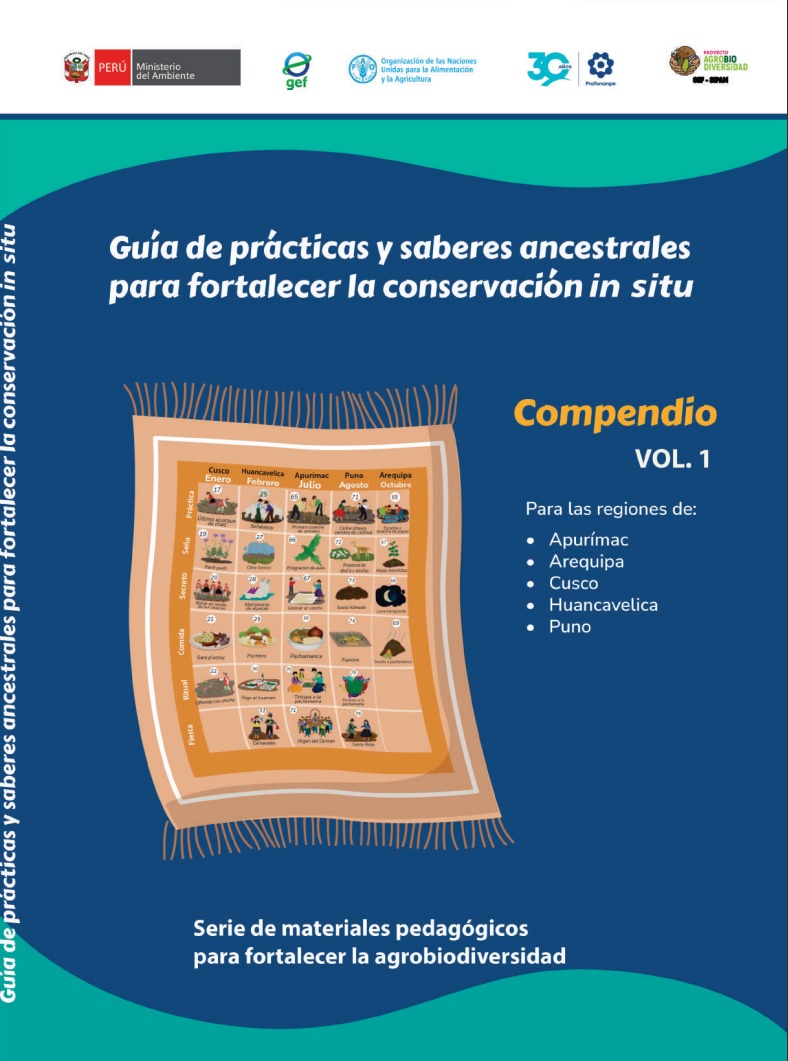
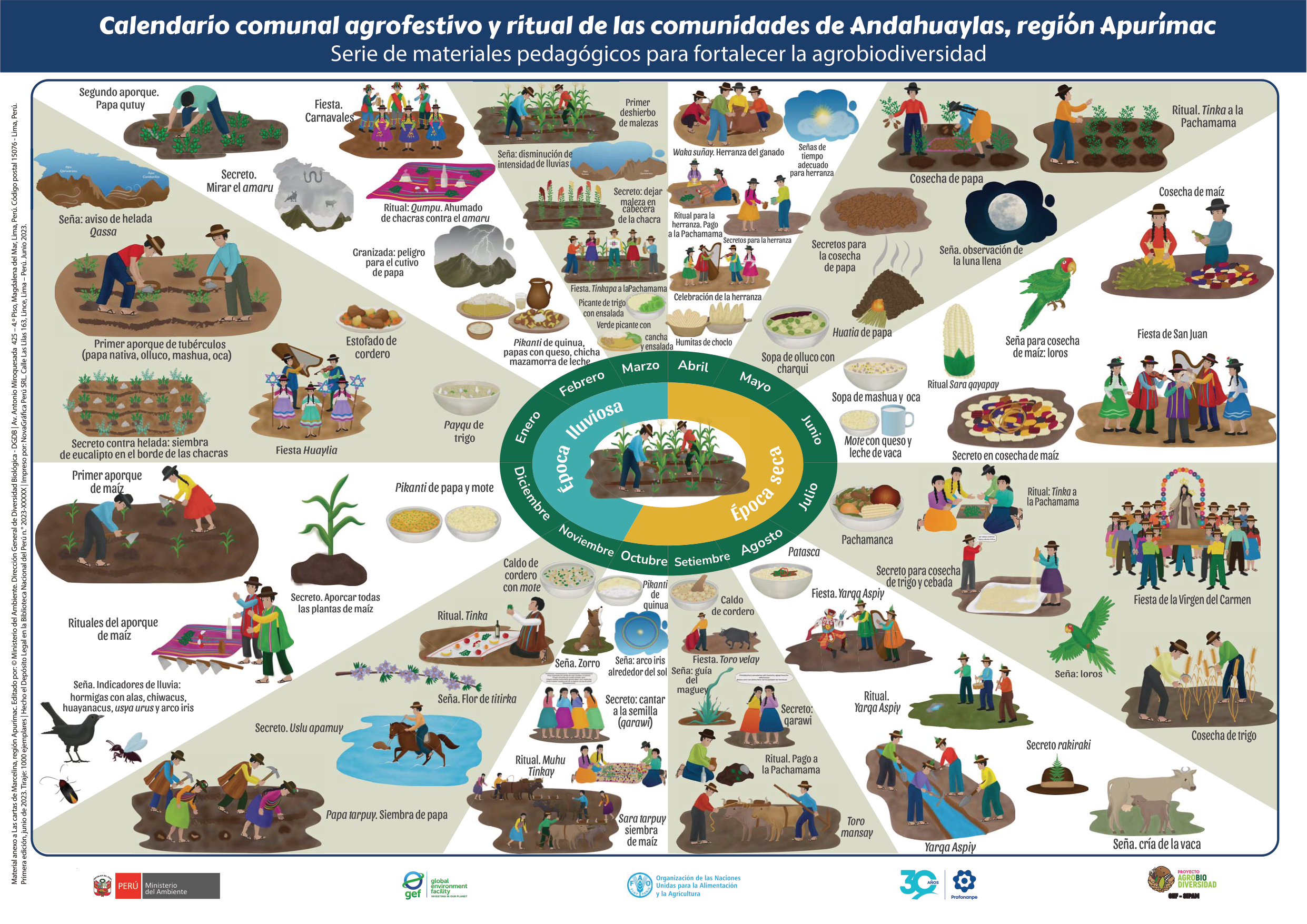
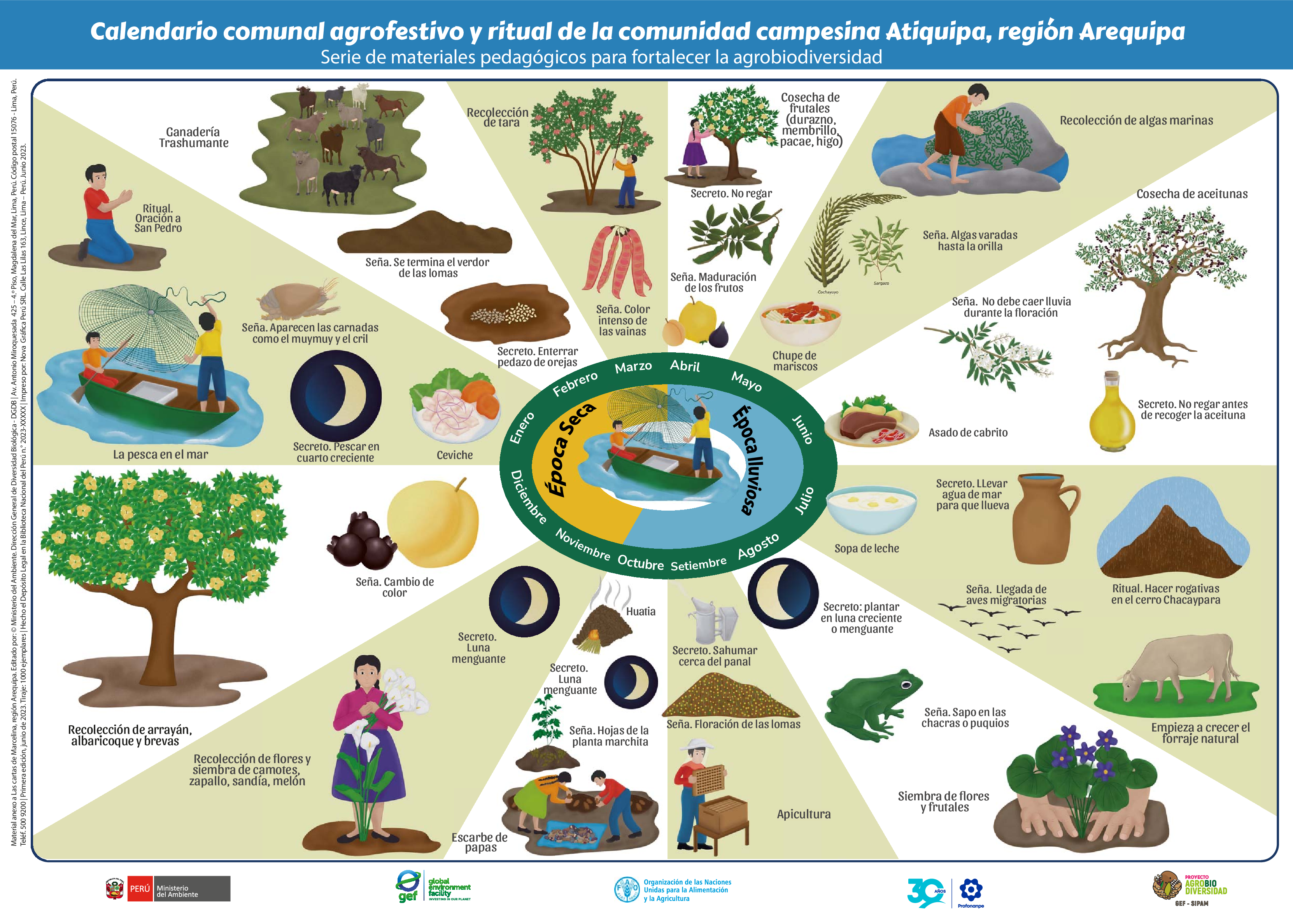
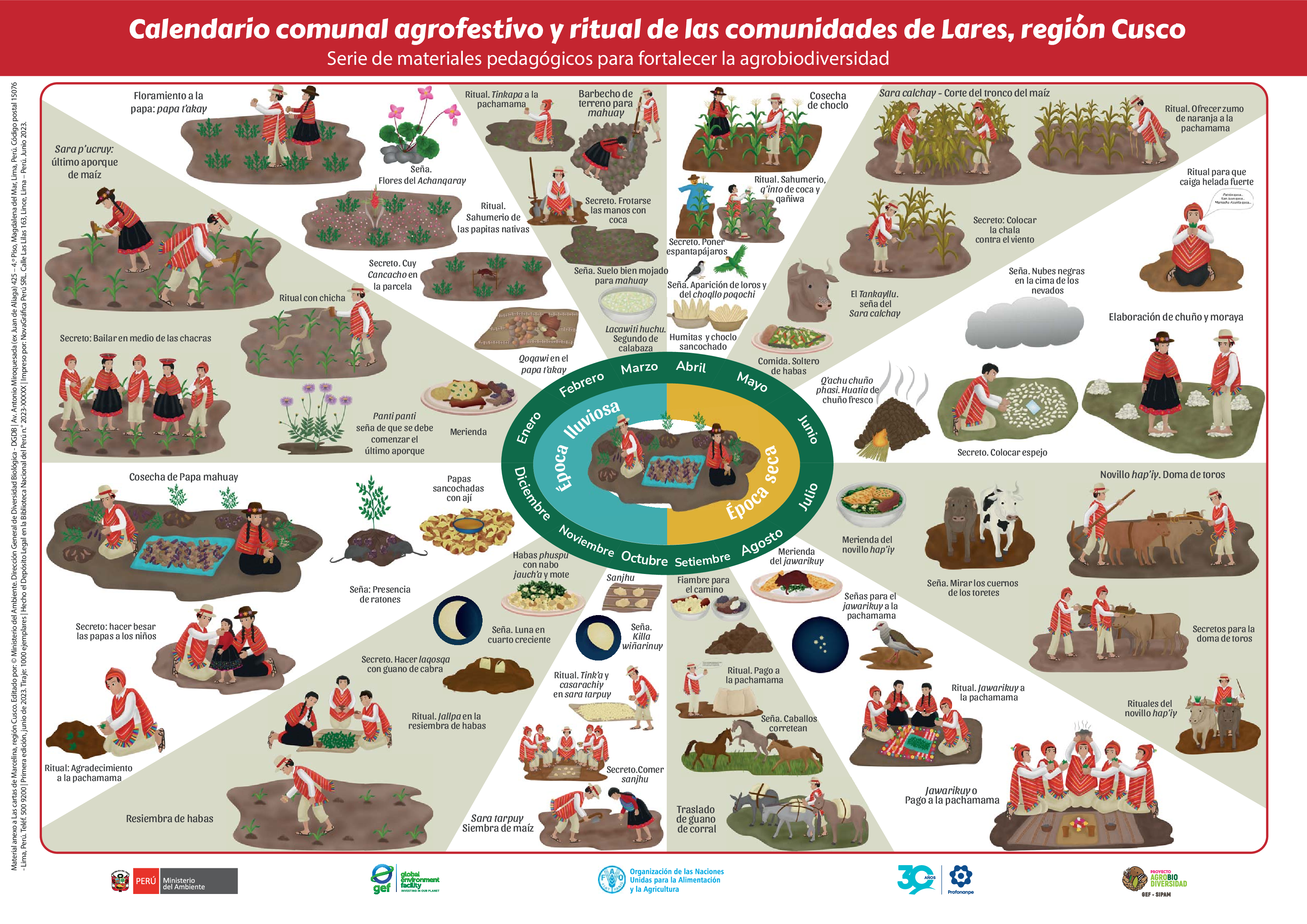
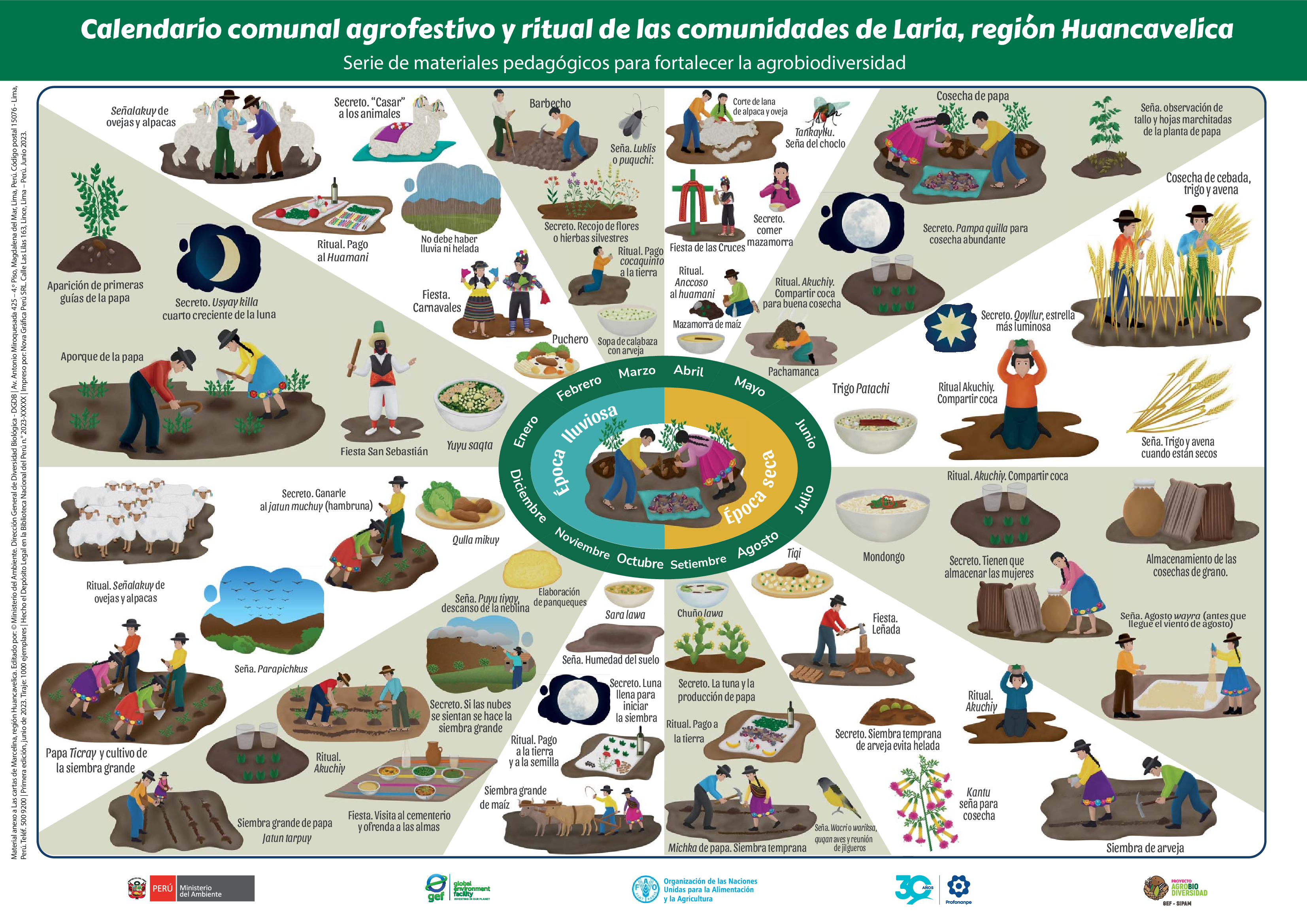
Communal Agricultural Festival Calendar