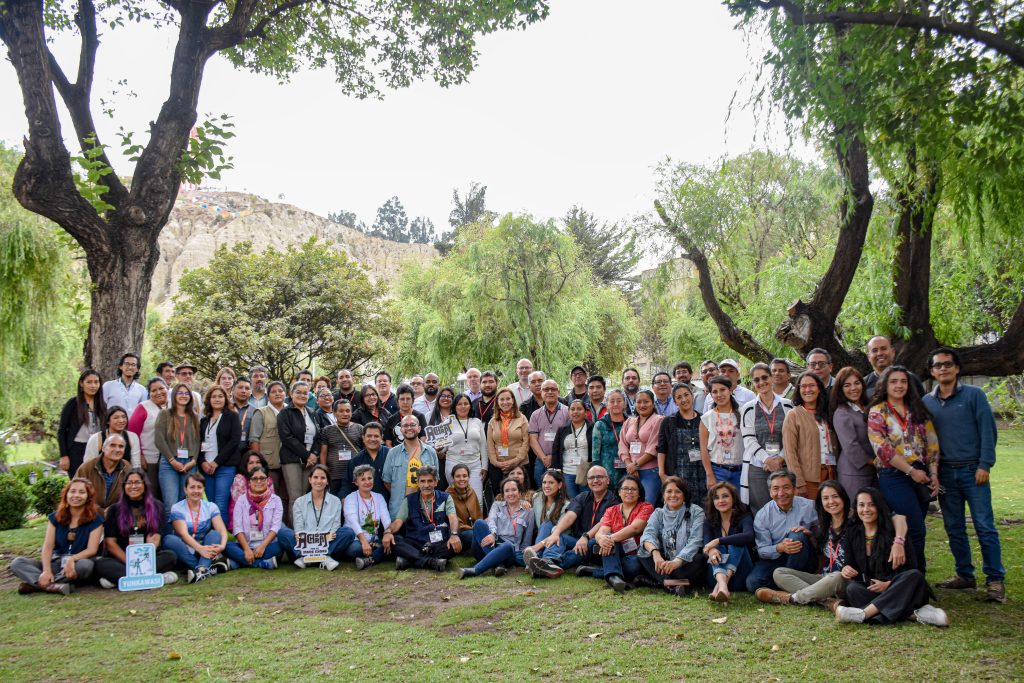
On November 14, 15, and 16, the Mid-Term Evaluation (MTE) of Phase III of the Critical Ecosystem Partnership Fund (CEPF) investment was held in the Tropical Andes Hotspot in La Paz. The event brought together 70 project representatives from Peru, Colombia, and Bolivia.
Also present were authorities from the National Service of Protected Areas (SERNAP) of Bolivia, representatives from CEPF, Conservation International, the Inter-American Development Bank (IDB), and the Embassy of Japan, providing a vital space to share achievements, challenges, and lessons learned.
During these three days, participants immersed themselves in group work dynamics, fostering interaction between projects from different countries. This collaboration allowed for a deeper understanding of the diverse realities that each initiative faces in their respective Key Biodiversity Areas (KBAs).
One of the highlights of the event was the agreements reached by the Bolivian Network of Trails and Connectivity with 3 partners for inter-institutional cooperation and the development of joint activities: the Association for the Conservation of Bolivian Birds, the Voluntary Conservation Network of Amazonas (Red AMA) and CODESPA.
A crucial point was the opportunity for partners to evaluate the performance of the Regional Implementation Team (RIT) and CEPF itself. The mechanisms used during project implementation were discussed, with the aim of extracting valuable lessons that could inform future investments.
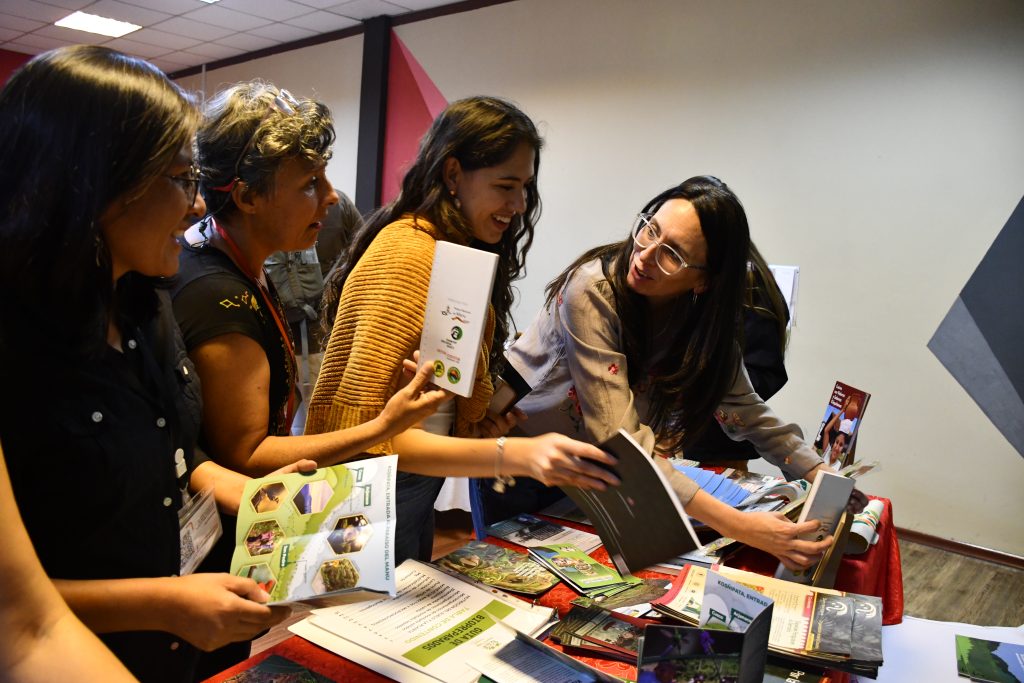
In addition, the projects had the opportunity to participate in a pleasant and entertaining mini-fair, which allowed them to show their peers the products they have generated from their initiatives.
A valuable hotspot
Among the most prominent themes throughout the event were the gender perspective, working with young people and generational change, as well as intercultural work and the projects' contributions to society. Olivier Langrand, CEO of CEPF, praised the unique biodiversity of the Tropical Andes Hotspot and highlighted the positive impact of the projects across the three investment phases.
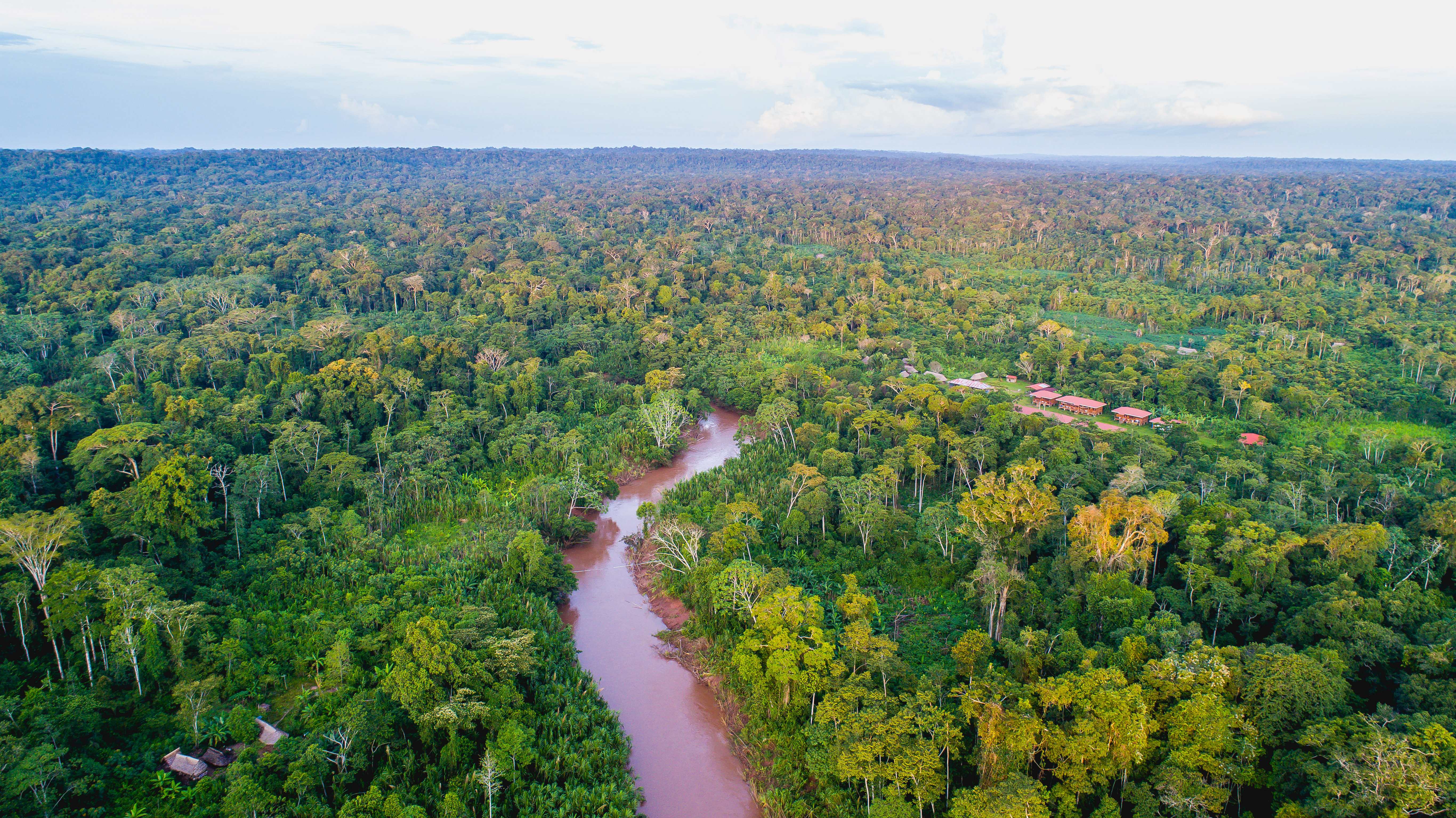
“We have invested quite a bit here and we hope to continue investing in the future, as the Tropical Andes is one of the most biodiverse hotspots in the world,” he said.
For her part, Michele Zador, portfolio director for the Tropical Andes Hotspot, emphasized the high priority of this hotspot due to its rich biodiversity and the threats it faces. «The work of our partners has made the Tropical Andes one of the strongest hotspots that CEPF is working on,» she noted.
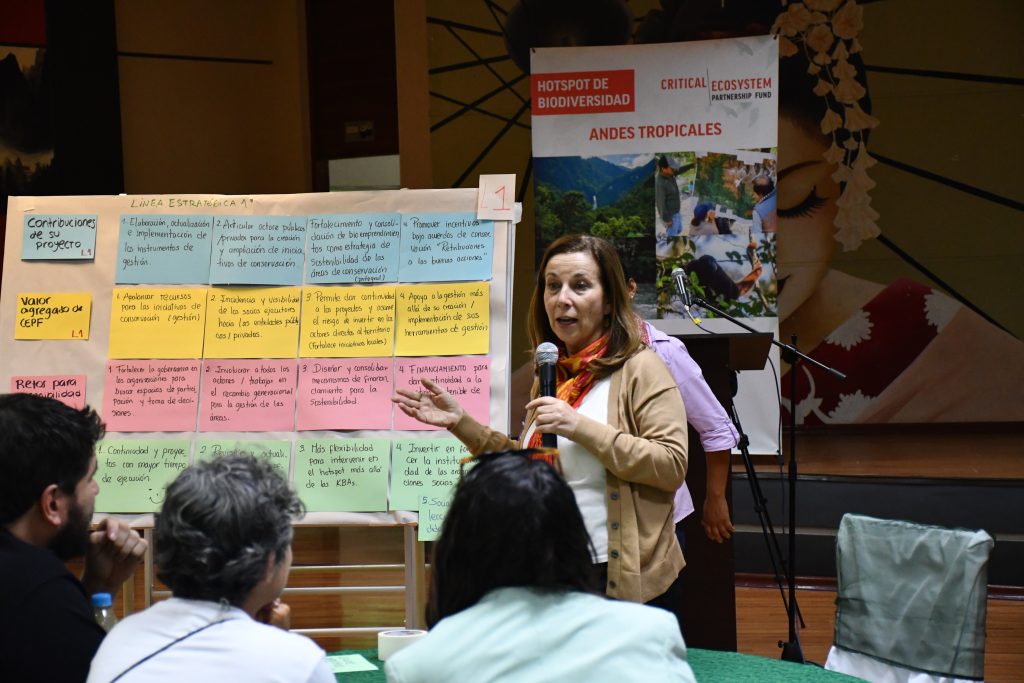
Representatives of the organizations that make up the RIT, Marco Terán, executive director of ACEAA; Alberto Galán, executive director of the Natural Heritage Fund; and Omar Corilloclla, director of monitoring and evaluation of Profonanpe, also recognized the importance of events like this.
According to the representatives, the interactions between partners allow for the strengthening of ties between projects that, although executed in different parts of the hotspot, may have similarities and find possible solutions based on the experiences of others.
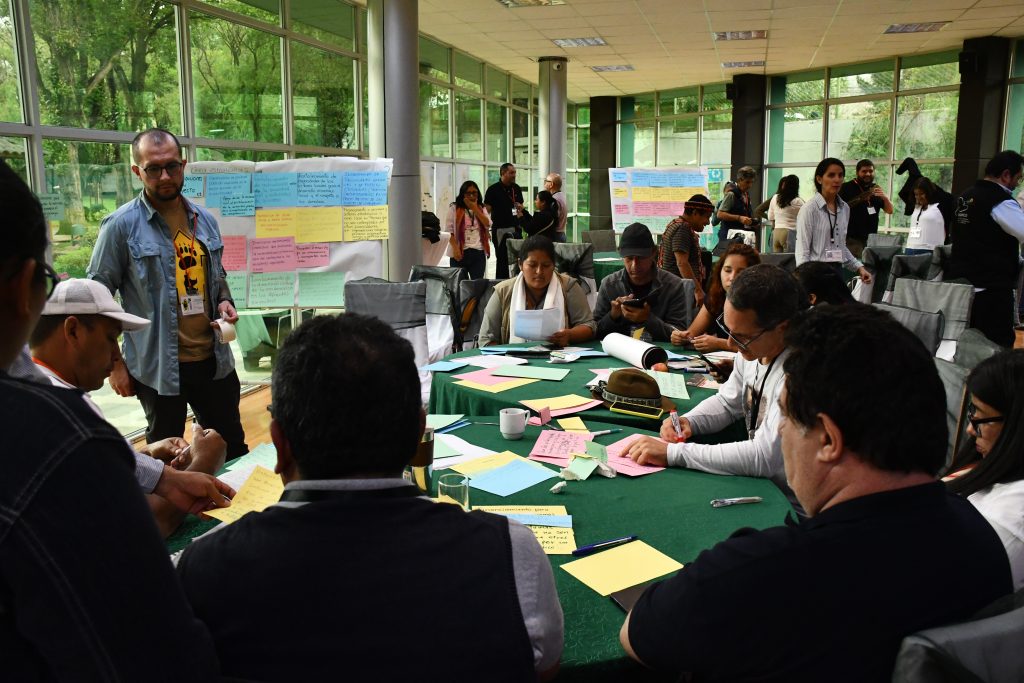
The event was organized by RIT, which includes Profonanpe, the Natural Heritage Fund, Amazon Conservation – ACEAA, CEPF and had the support of the CODESPA Foundation.
Undoubtedly, the EMT not only consolidated the progress of ongoing projects, but also laid the groundwork for future alliances and collaborations within the Tropical Andes Hotspot, thus reaffirming the joint commitment to its conservation.