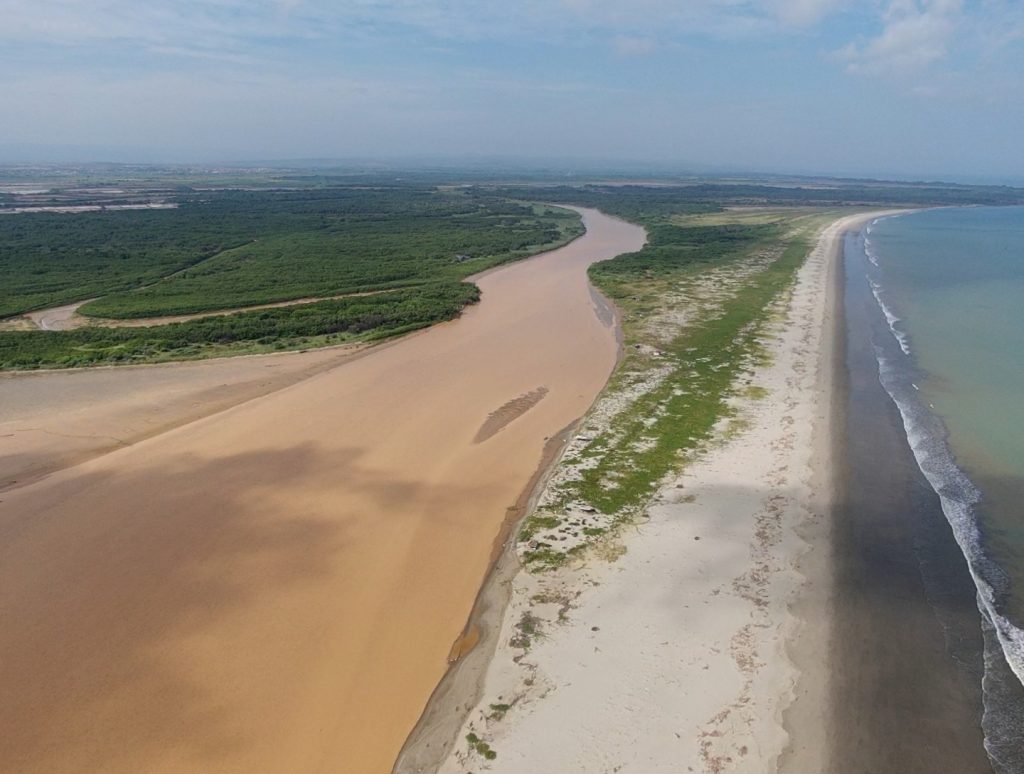

In this global context, Peru is already showing critical signs: the country ranks among the 32 countries with the highest water stress on the planet and third in Latin America and the Caribbean, according to the World Resources Institute’s new Aqueduct 4.0 Water Risk Atlas (2024). In departments such as Lima and Ica, water stress reaches extremely high levels, evidence of a latent crisis.
Given this scenario, the private sector is beginning to take on a strategic role. One of the most solid examples is that of cbc Peru, PepsiCo’s exclusive bottling company, which was recognized with the 2025 Water Responsible Company Seal for the results obtained through the Public Investment Seedbed program, implemented in partnership with Aquafondo, the Lima and Callao Water Fund. This initiative strengthens the capacities of community and municipal leaders in the Santa Eulalia River sub-basin to formulate public investment projects focused on sustainable water management and the protection of water ecosystems through natural infrastructure.
Since 2015, cbc Peru has incorporated water sustainability as part of its corporate strategy. With production plants in Sullana (Piura) and Huachipa (Lima), the company decided to commit to protecting and recovering the natural water sources that supply the cities where it operates. In the north of the country, it has maintained an alliance with the Piura Regional Water Fund (FORASAN) since 2015, and in Lima, it has been part of Aquafondo since 2022.
“When we talk about sustainability, there is often doubt as to whether it is real or simply rhetoric, but for us it is part of our business model,” said Analí Huamancayo Bernedo, Corporate Affairs Manager at cbc Peru. “Committing to water resources means committing to the sustainability of our own business.”
The company has implemented various measures to contribute to water conservation, such as water harvesting and planting projects that help reduce water stress in Lima. It has Zero Waste to Landfill certification, which guarantees that more than 99% of the operational waste from its two plants does not end up in landfills. However, the commitment does not stop at internal operations: investing in nature-based solutions is now a strategic pillar of its sustainability.
The Public Investment Seedbed, developed in Lima since 2021, is one of the clearest results of this strategy. Through a participatory approach, community leaders and local authorities formulate proposals that are transformed into technical data sheets registered in Invierte.pe, the national system that allows public resources to be channeled to execute investment projects. In this way, communities can access sustainable financing that ensures the conservation of strategic ecosystems and strengthens the water security of the basin.
In 2024 alone, the program trained 99 leaders from Chaclla and Chauca Callahuanca, tripling the initial goal and validating 19 project ideas with a potential mobilization of more than S/3 million for Lima and Callao.
“Water funds have a return. It is not a philanthropic act, it is not just talk: it is an investment that safeguards the most valuable resource we have. Sustainability is not something that happens outside the company, it is part of how we manage our business,” emphasizes Huamancayo.
This is evidenced by measurable results: since 2021, they have impacted 308 community leaders and officials from nine local governments, promoting 101 project ideas valued at more than S/ 74.9 million. Nineteen of these initiatives are in the technical file phase, and one has already been approved for implementation by the Sierra Azul Fund in Huachupampa, with an approximate investment of USD 80,000.
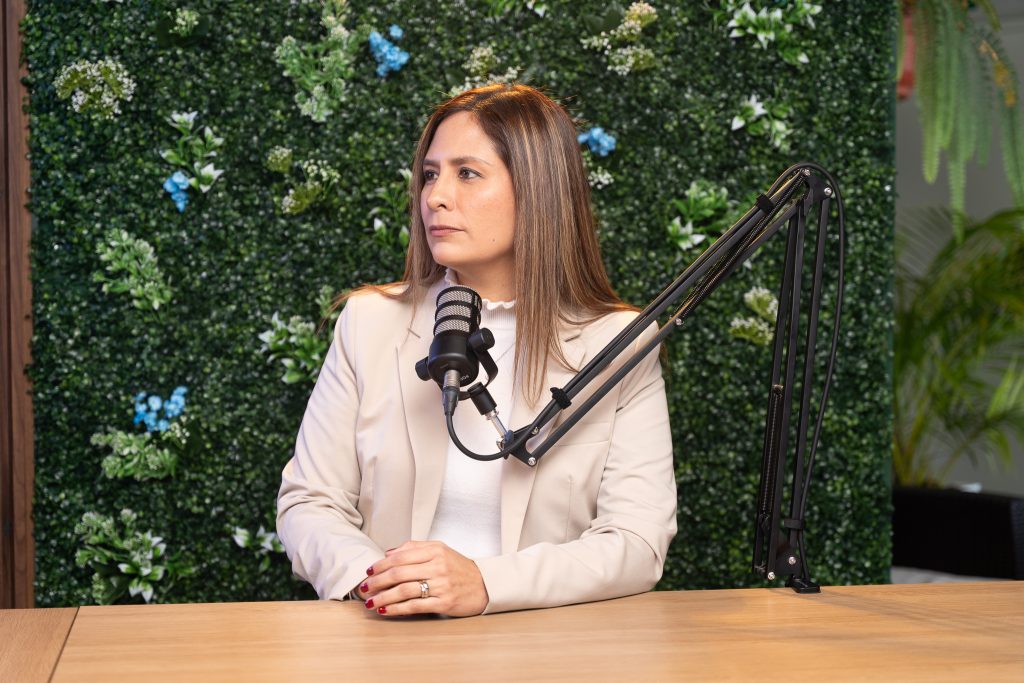
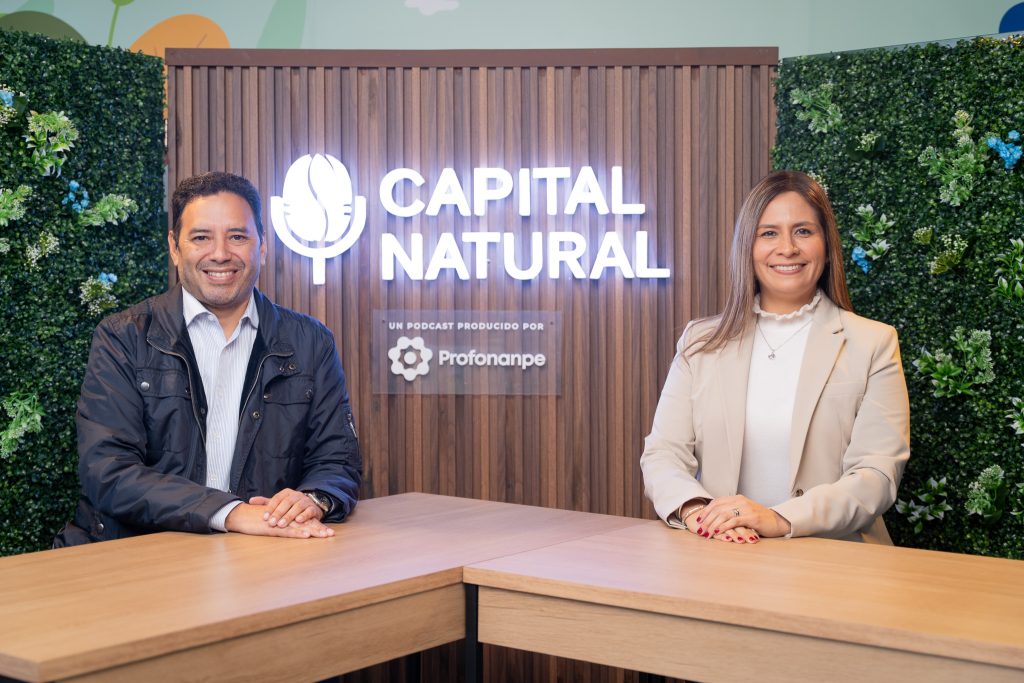
The Capital Natural episode emphasizes that natural infrastructure is key to the well-being of communities and productive sustainability.
During the conversation on the Capital Natural podcast, Christian Bueno, manager of Profonanpe’s Water Resources Program, complemented this view by highlighting the role of public-private coordination: “Our work at Profonanpe focuses on putting watersheds at the center of decision-making. We are mobilizing resources and capacities so that Watershed Councils, regional governments, and private actors have viable, financeable projects that are aligned with Water Resource Management Plans. Collaboration with cbc is key to amplifying this vision and positioning natural infrastructure as the foundation for community well-being and the sustainability of productive activities.”
The episode is part of Capital Natural, a Profonanpe space that highlights experiences that demonstrate how investing in nature can generate real and sustainable impacts. You can watch it at this link.
With this case, cbc Peru reaffirms its commitment to a business model that integrates sustainability, investment, and long-term water security, demonstrating that nature-based solutions can transform communities and strengthen the country’s resilience.