Around 770 schoolchildren from 20 educational institutions in the districts of Laria, Lares and Ácora, in the regions of Huancavelica, Cusco and Puno, respectively, benefited from the products of our agrobiodiversity that were included in the National School Feeding Program Qali Warma, (PNAEQW), during the year 2021.
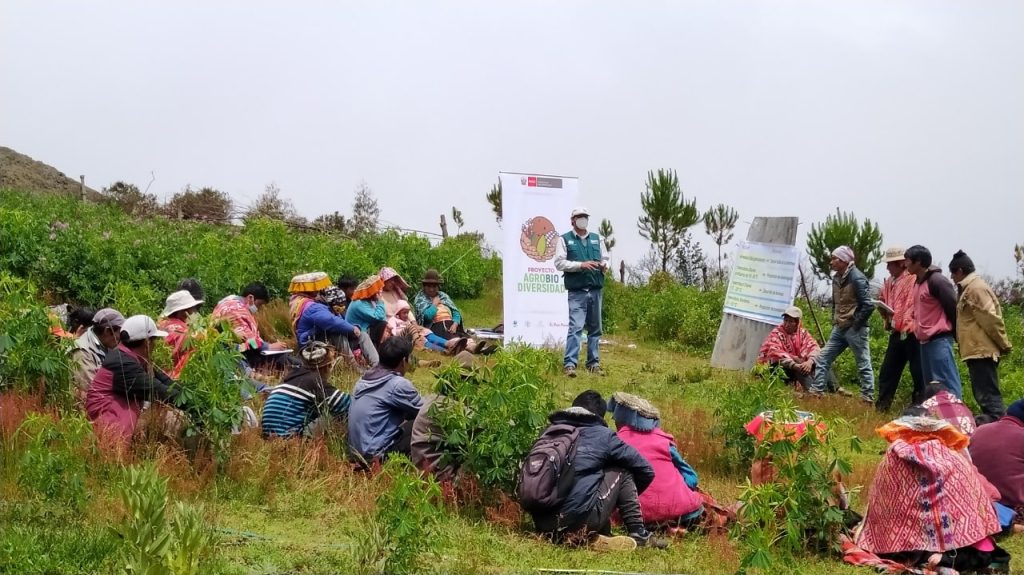
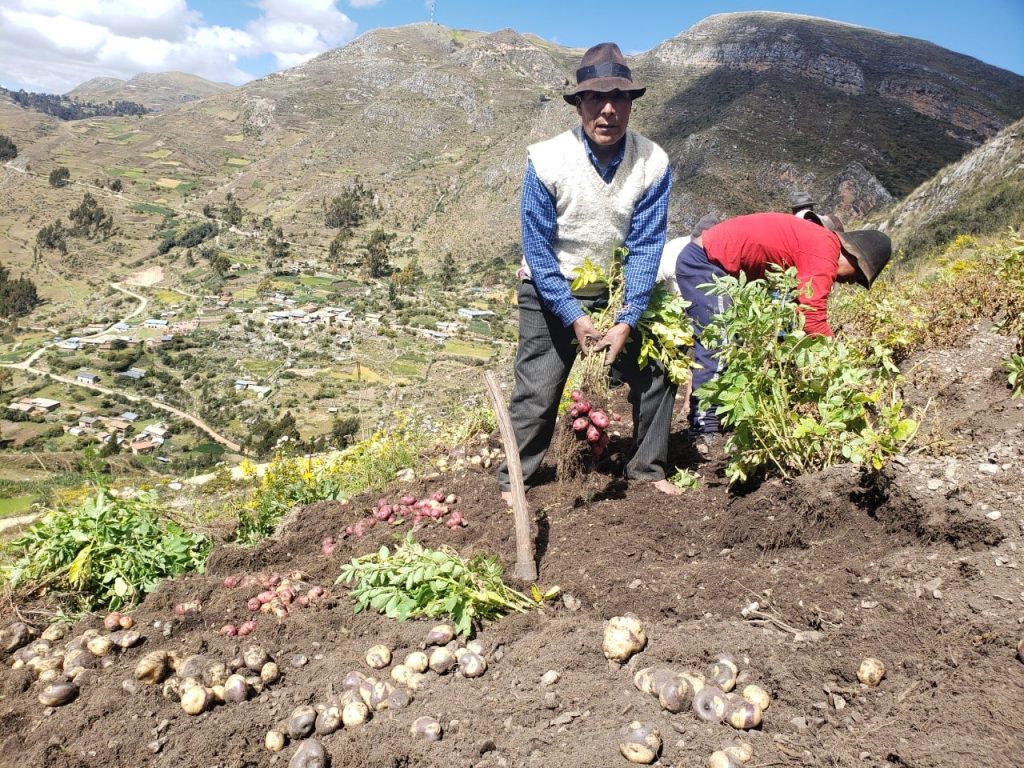
As part of the pilot program, 4.7 tons of food were purchased for S/18,933 through an innovative public procurement scheme from 128 conservation-minded producers. This initiative is part of the GEF Agrobiodiversity GIAHS Project, which coordinates the work of MINAM, Midagri, FAO, and Profonanpe.
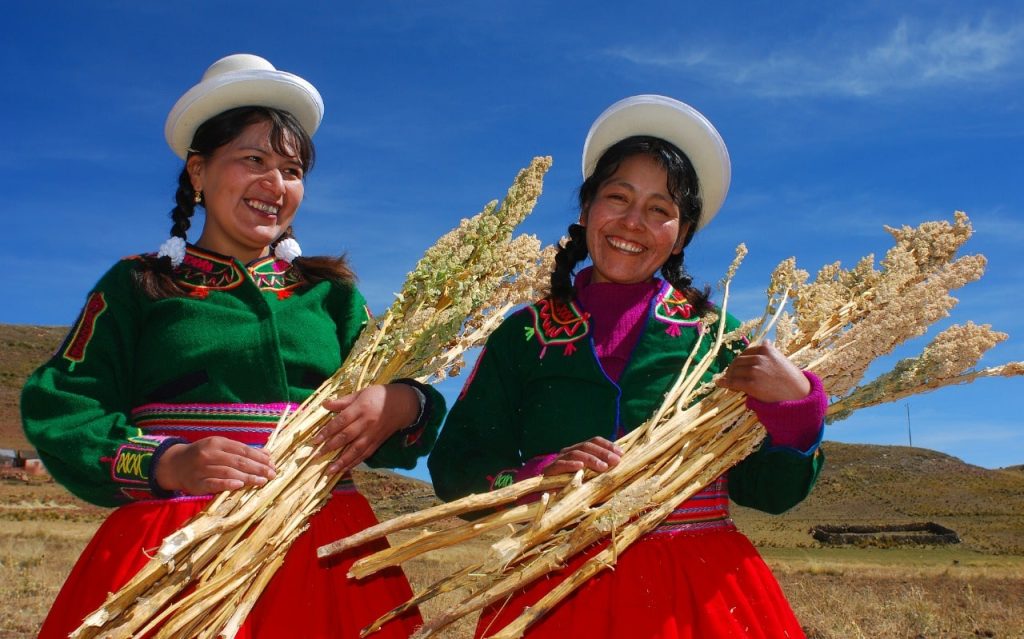
Efforts have also been underway to integrate these farmers into dynamic markets. In 2021, sales reached S/190,330.78, thanks to the positioning of the Agrobio collective brand, which includes local farmers' associations, promoting and distributing their products.
Currently, in partnership with the Peruvian Association of Consumers and Users (Aspec), the Agrobiodiversity Producers and Consumers Network has been established, and the Kusicuy traveling fair is underway. This fair uses a mobile application as a marketing strategy for its products.
Cesar Sotomayor, the national coordinator of the GEF Agrobiodiversity GIAHS Project, highlighted the support provided to conservation-oriented family farming in exercising its food sovereignty. This support includes the creation of alternative mechanisms for accessing local markets and fairs. Furthermore, short agri-food supply chains are being promoted and supported, with products sold through home delivery.