We are facing the arrival of another El Niño phenomenon, which threatens to wreak havoc both in our country and in several others around the world. This scenario compels us to rethink not only our response in a context already difficult due to COVID-19 and the social conflicts that have brought to light several systemic problems, but also how we will develop strategies for better management and care of our water resources that can mitigate, to some extent, the consequences of this event.
The effects of El Niño are devastating, placing many communities vulnerable as they rely on water to meet their basic needs. These communities are directly impacted by abrupt climate changes and the extreme temperatures that lead to intense rainfall and droughts. While the effects are not as readily apparent in large cities, they are nonetheless present and will worsen each year if we do not assume our responsibility as citizens to conserve our water.
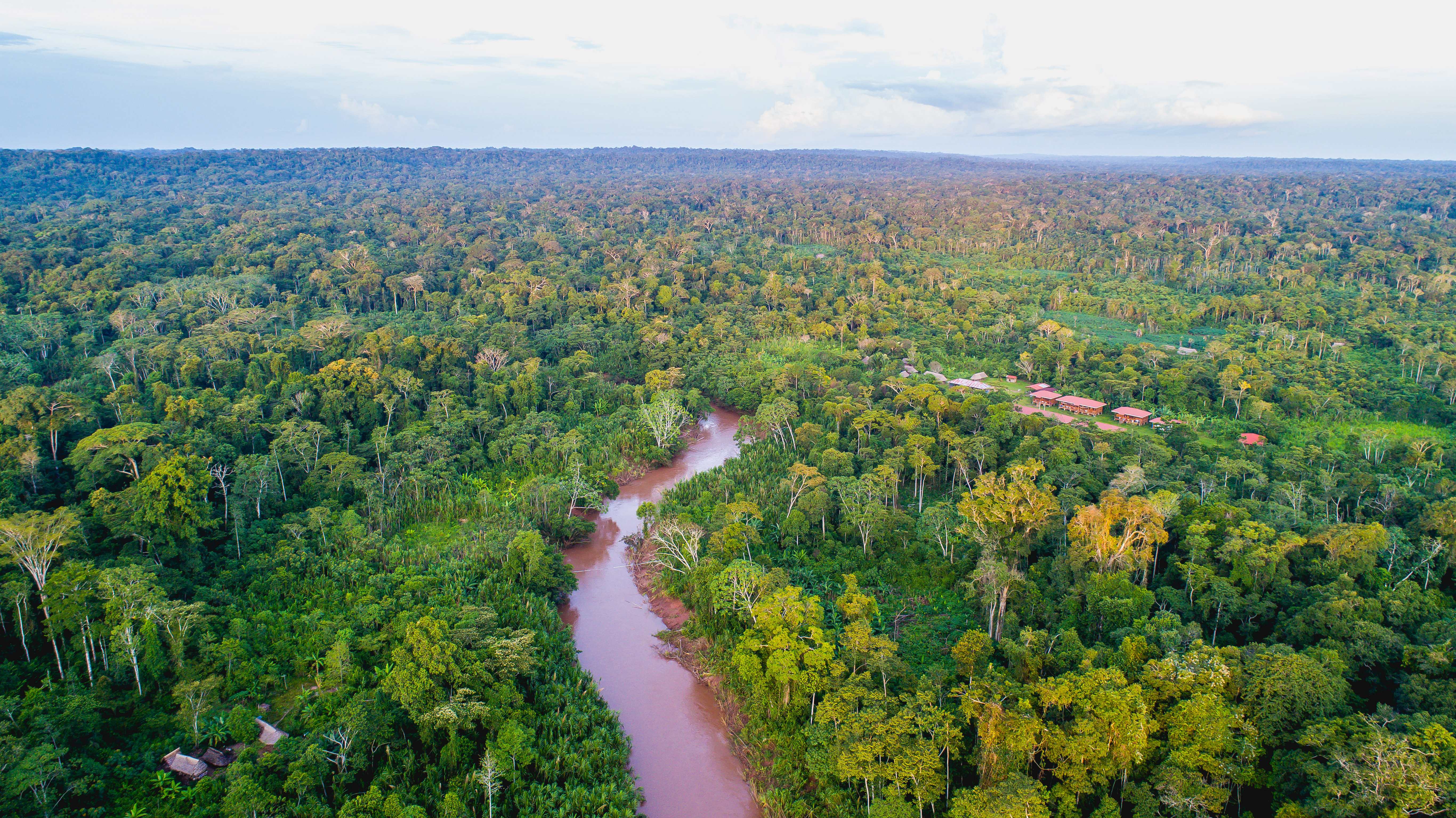
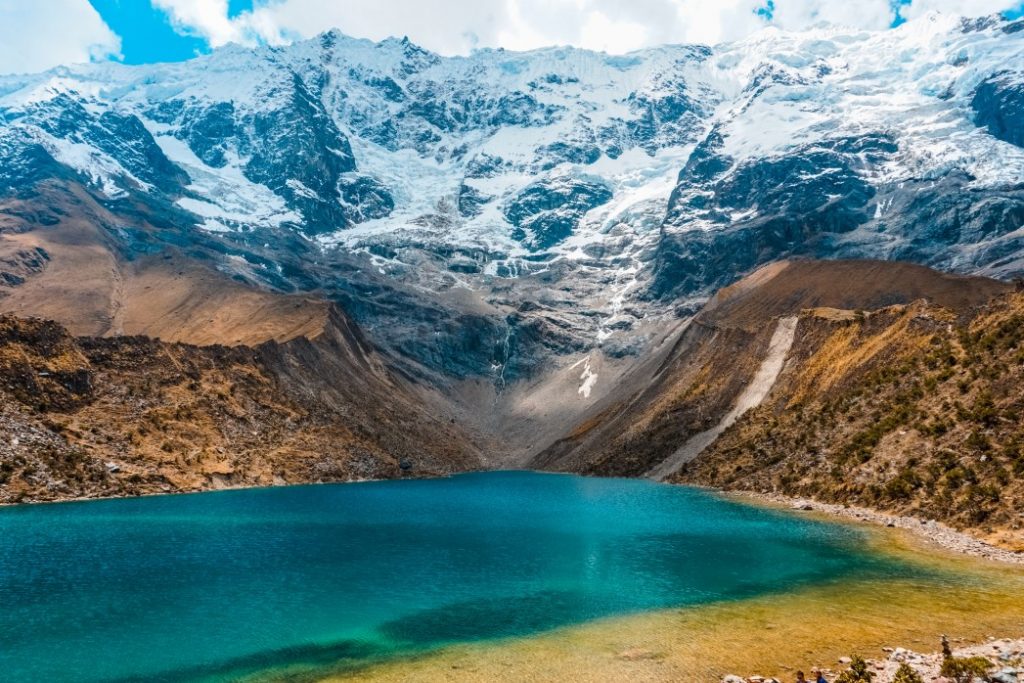
In Peru, river basins are located within several of our protected natural areas (PNAs), as approximately 80 of the 159 PNAs have their headwaters or recharge zones within one of these areas. Regarding water supply, on the coastal slope, approximately 401% of the water resources come from rivers whose headwaters or recharge zones are located within PNAs or Regional Conservation Areas (RCAs), and approximately 11 million Peruvians consume water from one of these areas. Our country depends heavily on these water sources, both for agricultural and fishing activities, which are fundamental to our existence, and for direct consumption and the generation of electricity.
Consequently, ignoring calls for water conservation poses a risk to the future of our planet and the one our children will inherit in a couple of years. Taking care of our watersheds It won't prevent a natural phenomenon like El Niño, but it will build resilience against its consequences and mitigate economic losses in primary activities that depend on this water, such as ensuring its supply for the population during the most critical periods of the year. And while this may seem like a task that only concerns the State, it is also the responsibility of each of us to use the water that arrives in our homes every day responsibly.