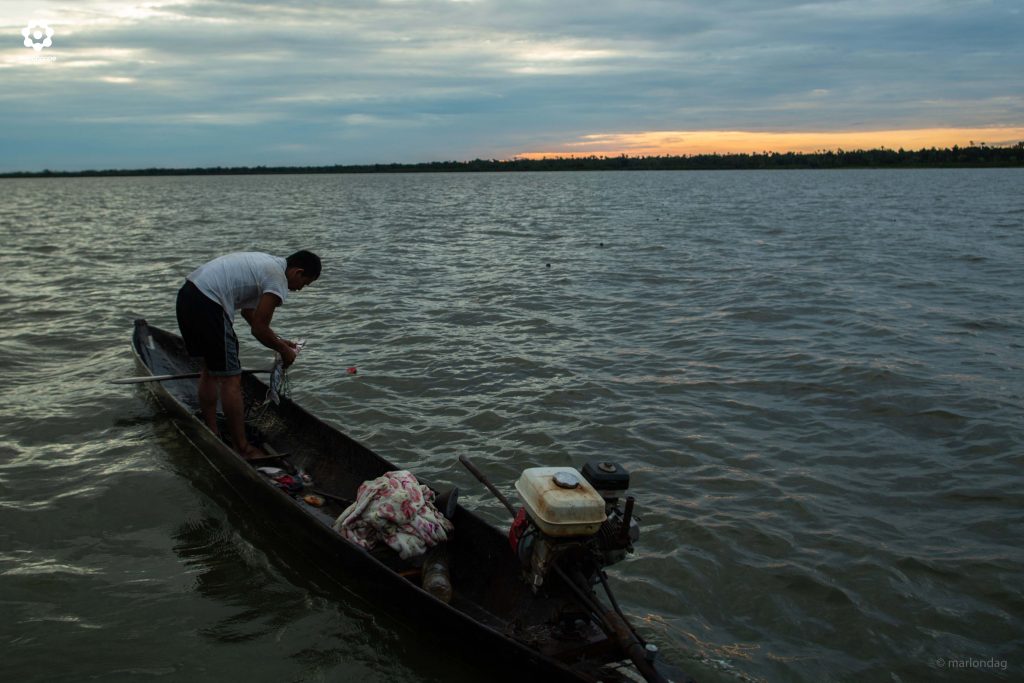
Native Awajún communities from the Sinchi Roca road sector, Nuevo Progreso, Chorros and Pijuayal in the Manseriche district of the Datem del Marañón Province in Loreto, together with Profonanpe, the environmental fund of Peru that leads the Datem del Marañón Wetlands project, planted 18,000 boquichico fingerlings (prochilodus magdalenae), a freshwater fish from a tropical climate that today allows 32 indigenous families from the Awajún ethnic communities, located in the Saramiriza Middle Basin corridor of the Marañón, to raise and market Amazonian fish together with the Sugkas producers association, thus directly benefiting 120 people with income generated by the biobusiness, an ally of the forest.
“Biobusinesses allow us to improve the resilience capacity of indigenous communities living in the carbon-rich wetlands (swamps, lakes) of the Datem del Marañón province in the Loreto region, and reduce the greenhouse effect from deforestation emissions,” said Ignacio Piqueras, Biobusiness Specialist at Profonanpe.
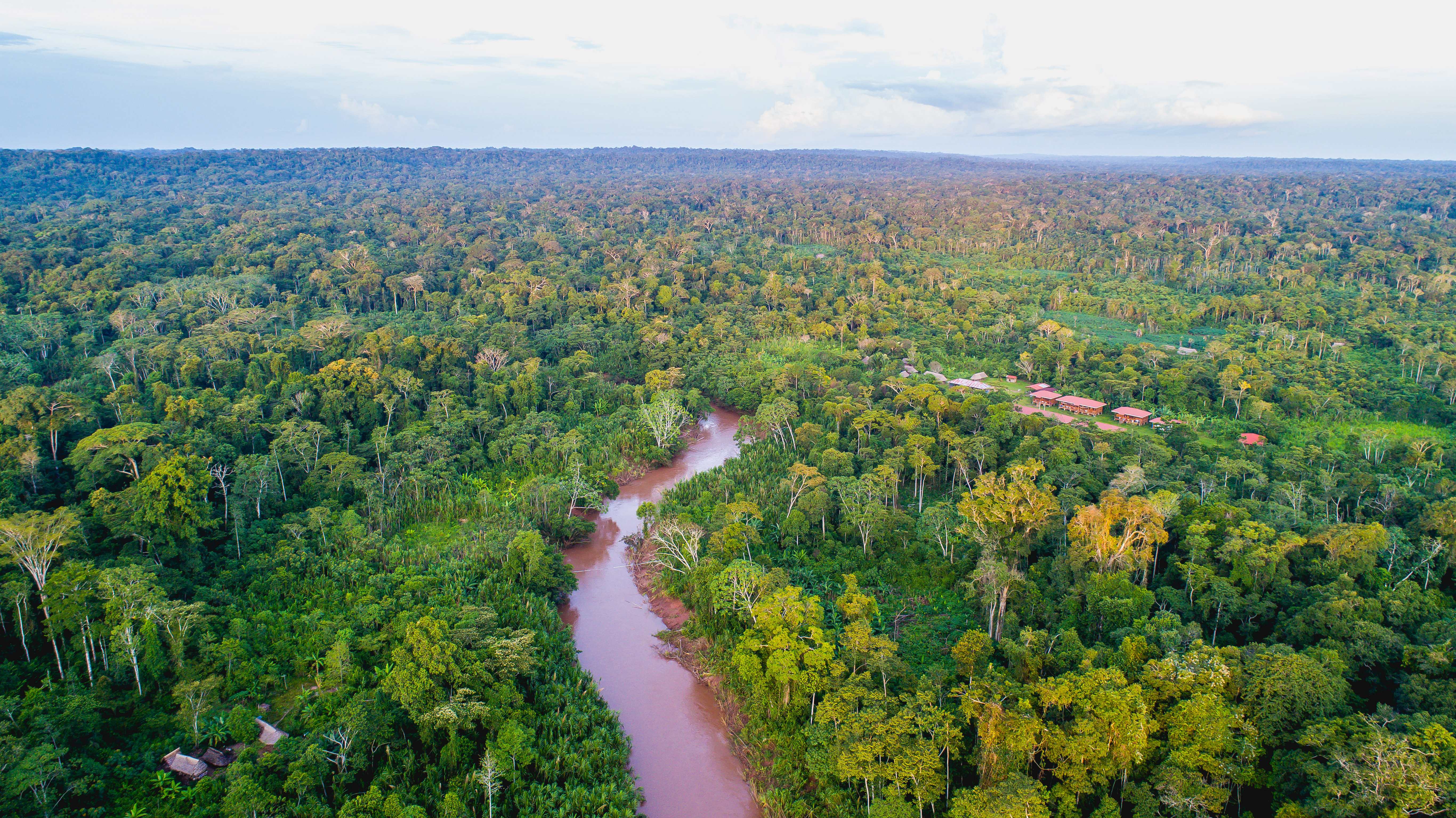
The Sukgas producers association is made up of the native communities of Sinchi Roca and Pijuayal, belonging to the Awajún ethnic group, located in the district of Manseriche on the Saramiriza-Santa María de Nieva road axis, a territory where population growth, added to irrational fishing and other anthropogenic actions (those produced by human activity), have caused the availability of Amazonian fish in their natural state to be considerably reduced.
These conditions place aquaculture in front of a biobusiness opportunity with development potential, a condition that occurs in the Sukgas association, in which the initiative to develop the breeding of Amazonian fish with a focus on biobusiness and food sustainability, and with a social innovation component, has been implemented, since with the National Fisheries and Aquaculture Innovation Project (PNIPA), a training program for indigenous aquaculture promoters was developed.
«"I consider the positive impact of the participation of Awajún families to be important; the bio-businesses allow them to generate income by raising Amazonian fish that no longer exist in their natural environments," said Eliaquin Sanchium Yampis, President of Sugkas.
These actions will not only generate income, through the Amazonian fish resource, for the Sugkas association and its partners, but also represent a food security strategy in an area heavily affected by oil spills and pollution of its water bodies and rivers.
The importance of Indigenous peoples in the conservation of these ecosystems is recognized, mitigating climate change and fostering an alliance that improves the quality of life of their guardians. In this way, communities can better cope with climate change.
About the Datem Wetlands Project
The Datem Wetlands Project seeks to improve the resilience capacities of indigenous communities living in wetland ecosystems rich in carbon reserves in the Datem del Marañón province, Loreto; as well as improve their livelihoods and reduce greenhouse gas emissions caused by deforestation.