
The Candungos Native Community, located in the district of Río Santiago, province of Condorcanqui, in the Amazonas region, is moving towards recognition of the Kuaman Amutai Achu Tepaa Private Conservation Area (PCA), an initiative that seeks to protect 8,842.64 hectares of Amazonian flooded forests and aguajales.
The process, accompanied by the Peruvian Association for Nature Conservation (APECO) with the support of the Conserva Aves Initiative, seeks to strengthen local governance, preserve biodiversity, and promote land management based on ancestral knowledge and community participation.
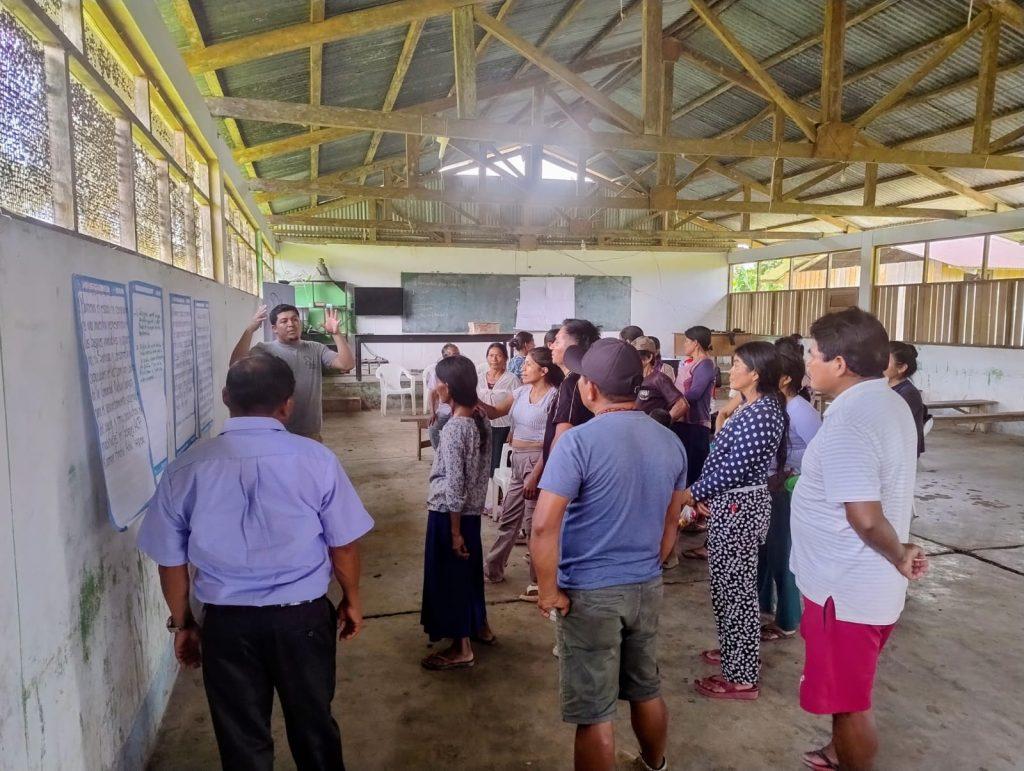
As part of the intervention, the native community participated in workshops to define the objectives and vision of the conservation area, as well as to validate a bilingual communication tool (Spanish–Wampis) that will allow for a simple understanding of the concepts of conservation areas, master plans, and zoning.
“For us, the forest is a school, a pharmacy, and a home. Conserving it means ensuring the lives of our children,” said Apu Roberto Wisum, community leader, during one of the workshops.
Wampis women: guardians of the forest and ancestral knowledge
A key aspect of the process is the participation of Wampis women, who lead the identification of non-timber forest resources, such as fibers, seeds, and clays, for the production of traditional handicrafts that reflect the sustainable relationship between culture and nature.
During the workshops, the artisans shared their knowledge about the use of huayruro and nuwe (clay) to create pieces such as necklaces and ceramics, reaffirming their role as guardians of the forest and bearers of local knowledge.
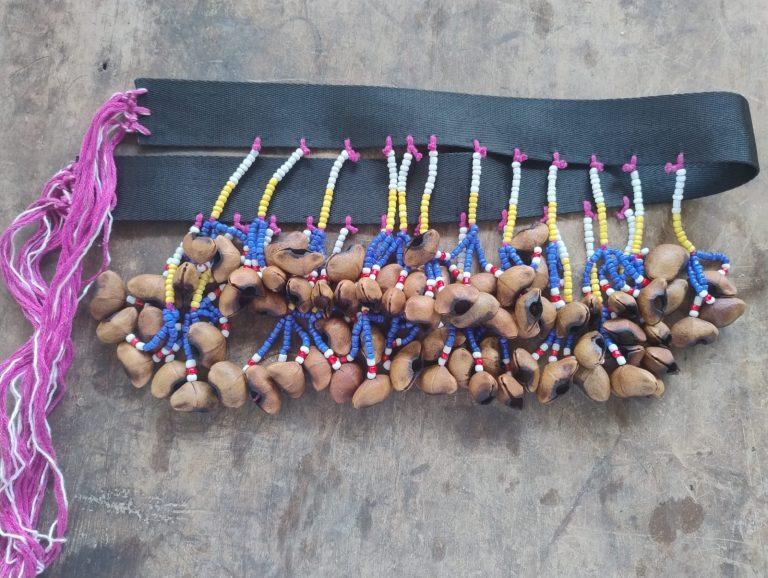
Handicrafts made by women from the Candungos Native Community – © Glend Seitz.
“Conservation also means keeping our customs alive and teaching young women to work without harming nature,” said Maruja Ahuanarai, an artisan from Candungos.
These activities strengthen the local economy and contribute to the consolidation of an organized group of women who promote sustainability and conservation in their territory.
A conservation corridor for the northern Amazon
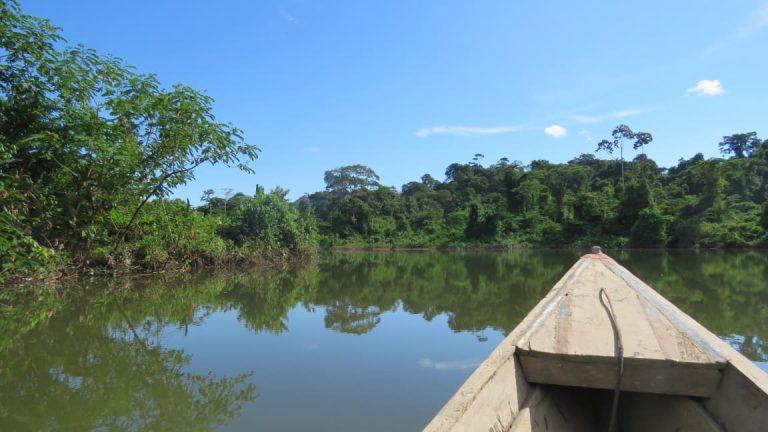
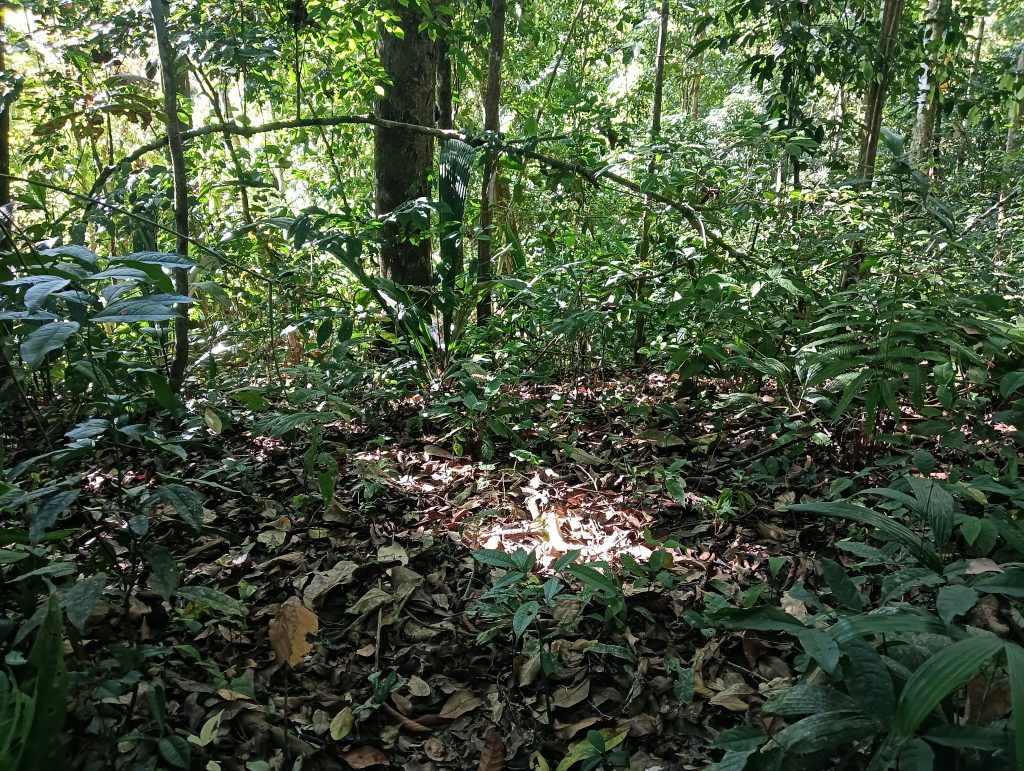
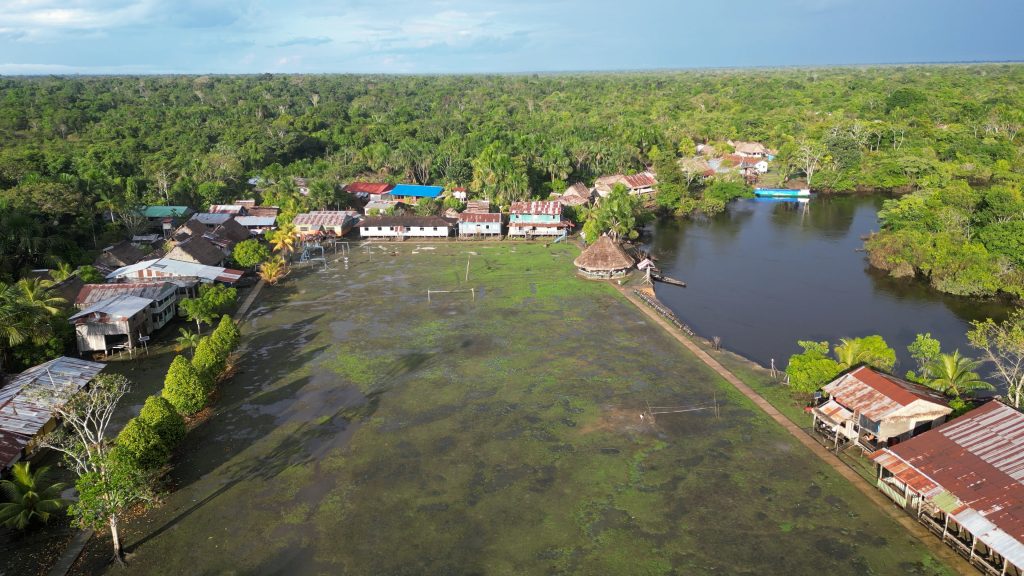
Landscape of the Candungos Native Community – © Diego Albornoz
This future Private Conservation Area seeks to consolidate a corridor connecting the communal territory with Ichigkat Muja National Park and the Santiago Comaina Reserved Zone, ensuring the protection of key habitats for Amazonian wildlife. Among the species that inhabit this area are emblematic birds such as the wankesh (Tinamus tao), the kakakat (Selenidera reinwardtii), the kuyo (Aburria aburri), and the pinchu (Harpia harpyja), symbols of the natural wealth that we seek to preserve.
It also represents a step forward in the implementation of protection for the Santiago River Floodplain Forest Priority Conservation Site, identified in the Amazonas Regional Conservation System (SICRE).
With the Private Conservation Area (PCA) proposal, Candungos has established itself as a benchmark for participatory indigenous management, demonstrating that conservation also means exercising territorial sovereignty, protecting the forest, and ensuring the well-being of future generations. In this process, the initiative is committed to strengthening the leadership of indigenous women as part of a culturally relevant gender approach, recognizing their key role in the governance and sustainability of the territory.
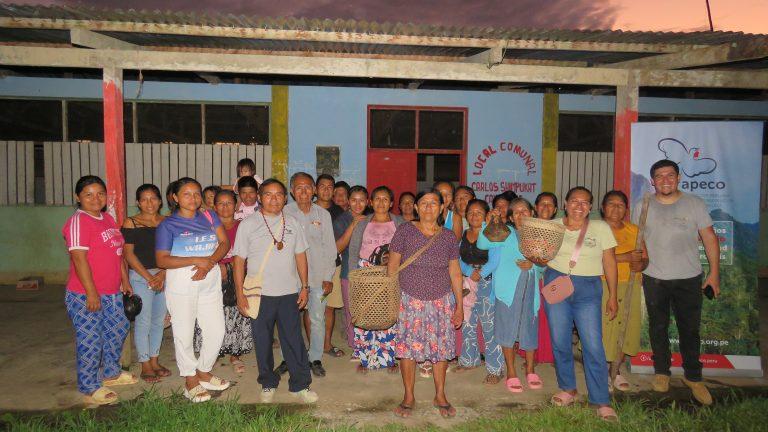
Meeting with women knowledgeable about cultural artifacts – © Diego Albornoz