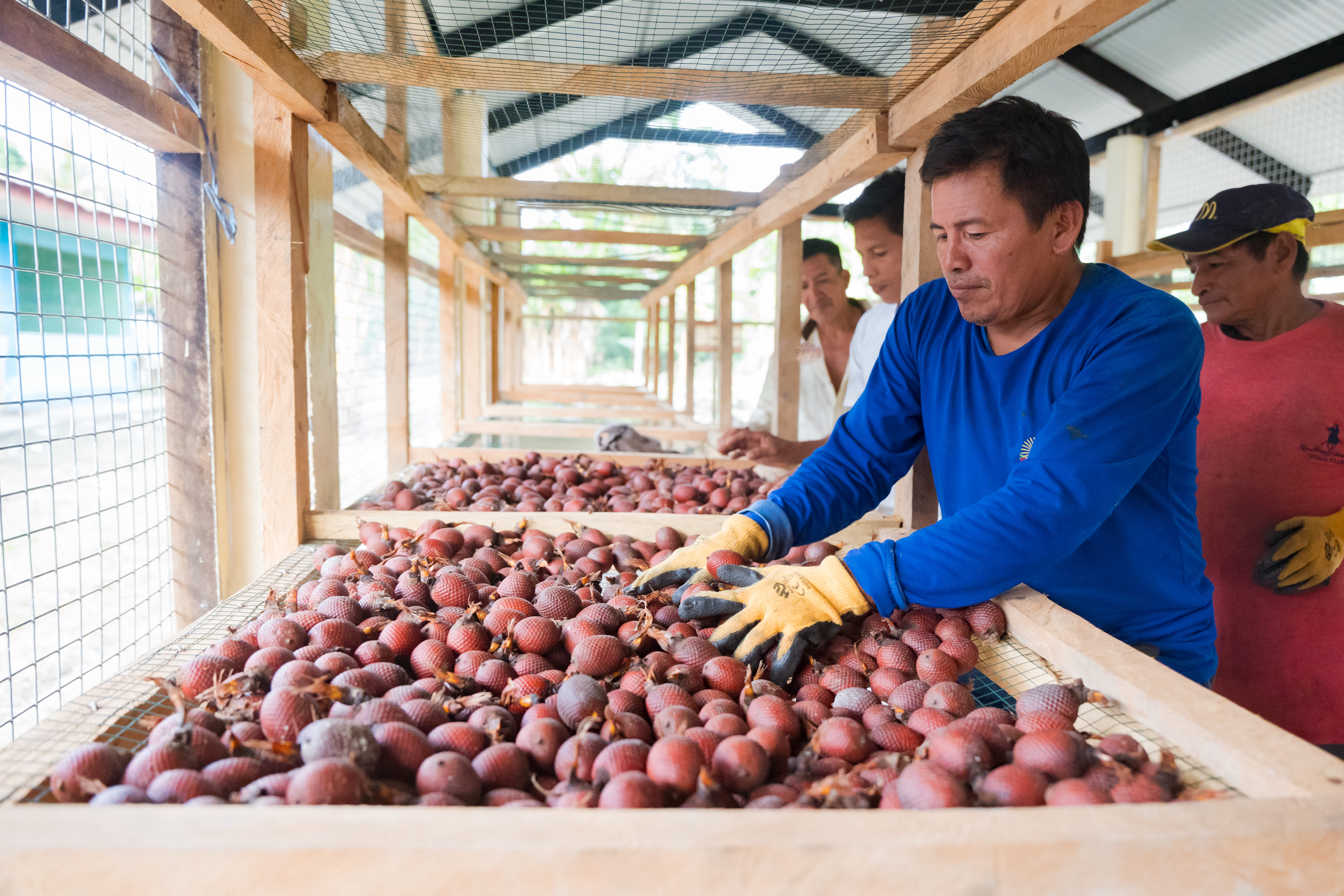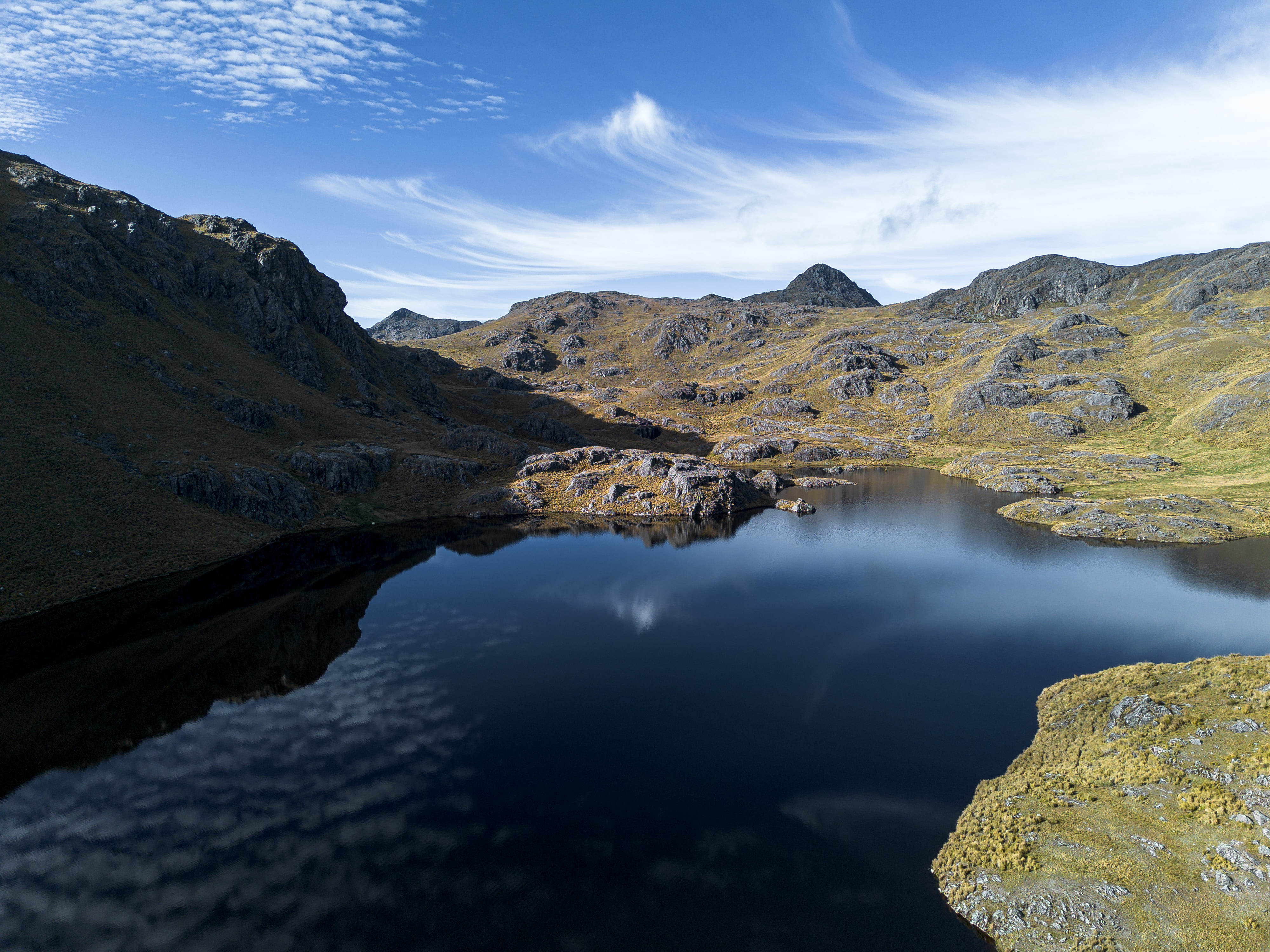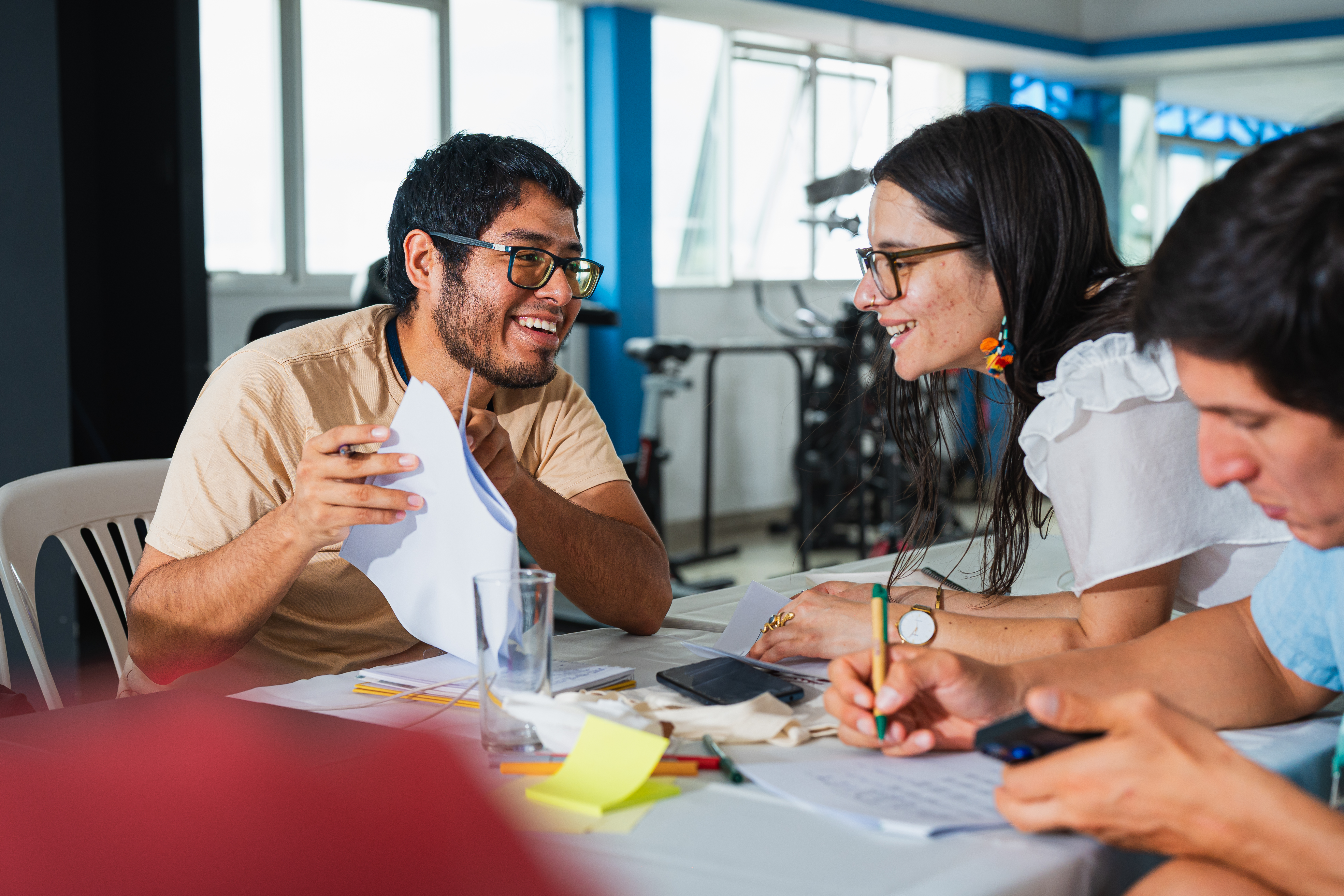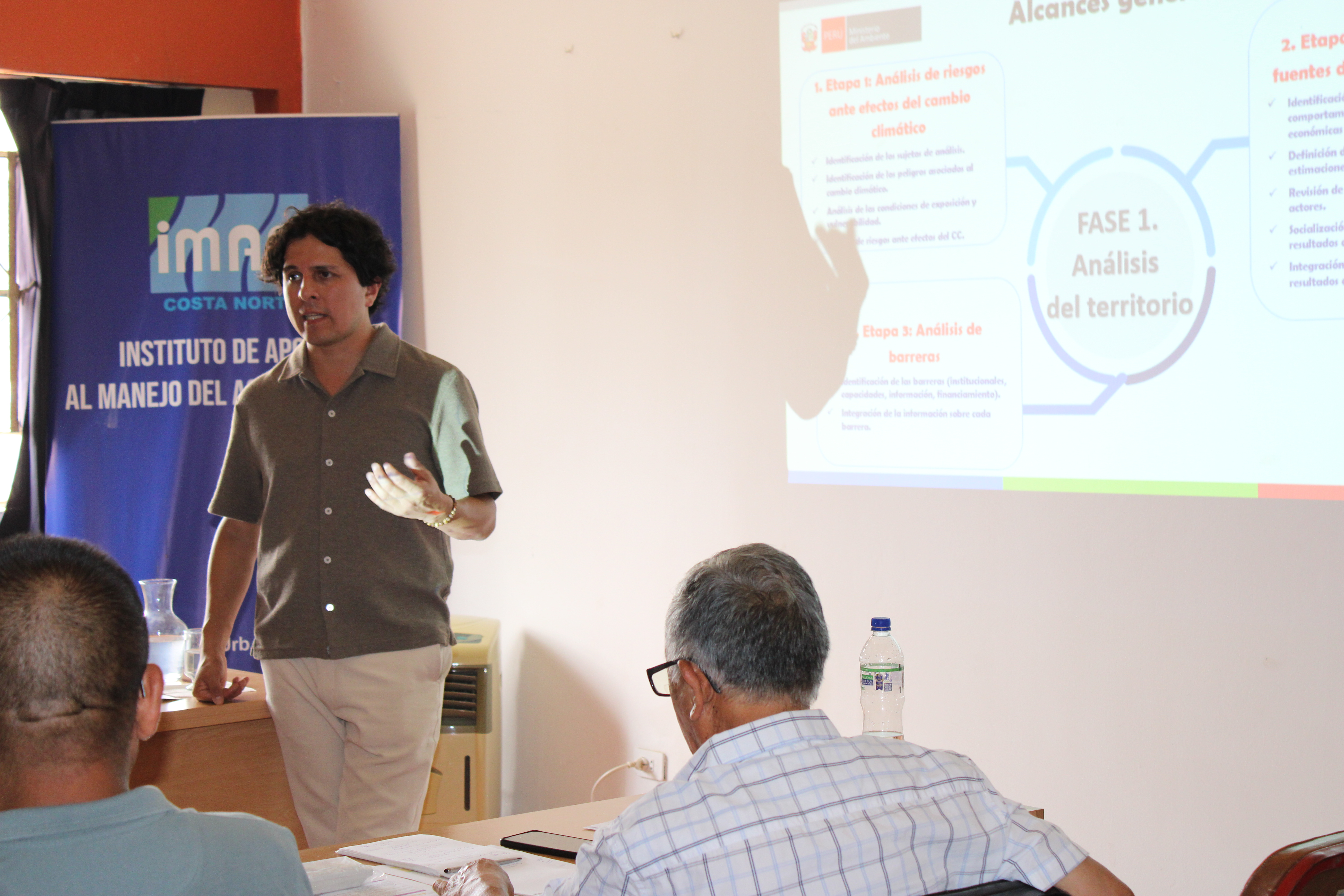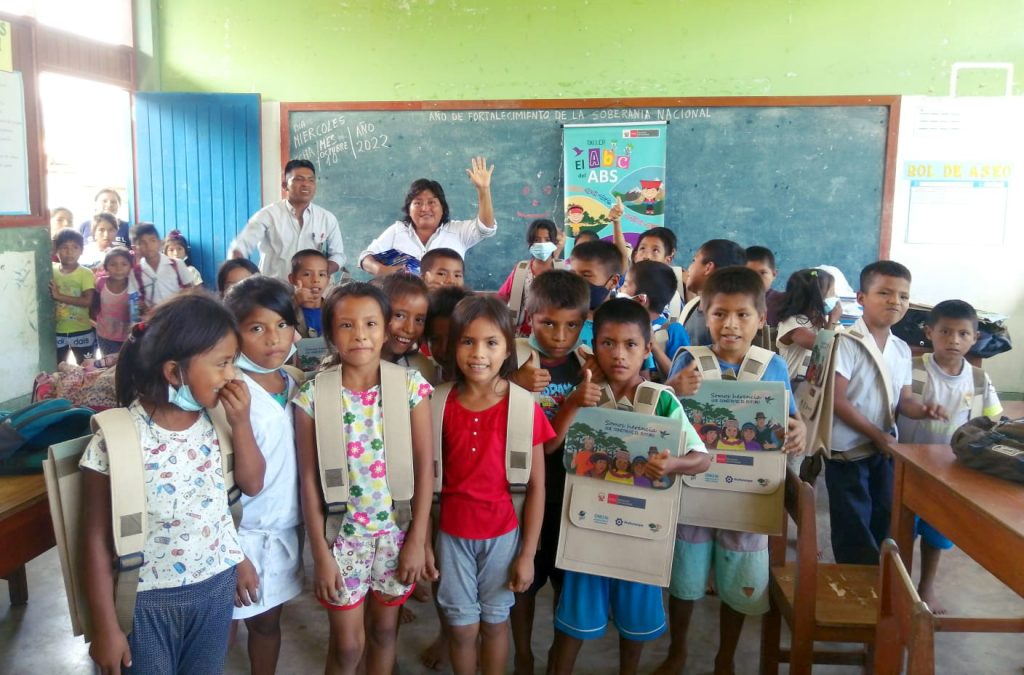
With the aim of raising awareness among children from native Awajún communities in the province of Condorcanqui, Amazonas region, the workshops “The ABC of ABS” were developed, promoted by the Ministry of the Environment and Profonanpe, which seek to involve the youngest in the appreciation of traditional knowledge for the conservation of biodiversity.
The workshops were held in three bilingual intercultural educational institutions in the Amazonas region, where significant experiences were developed that seek to build learning from prior knowledge, associated with the genetic resources of the flora and fauna of their environment.
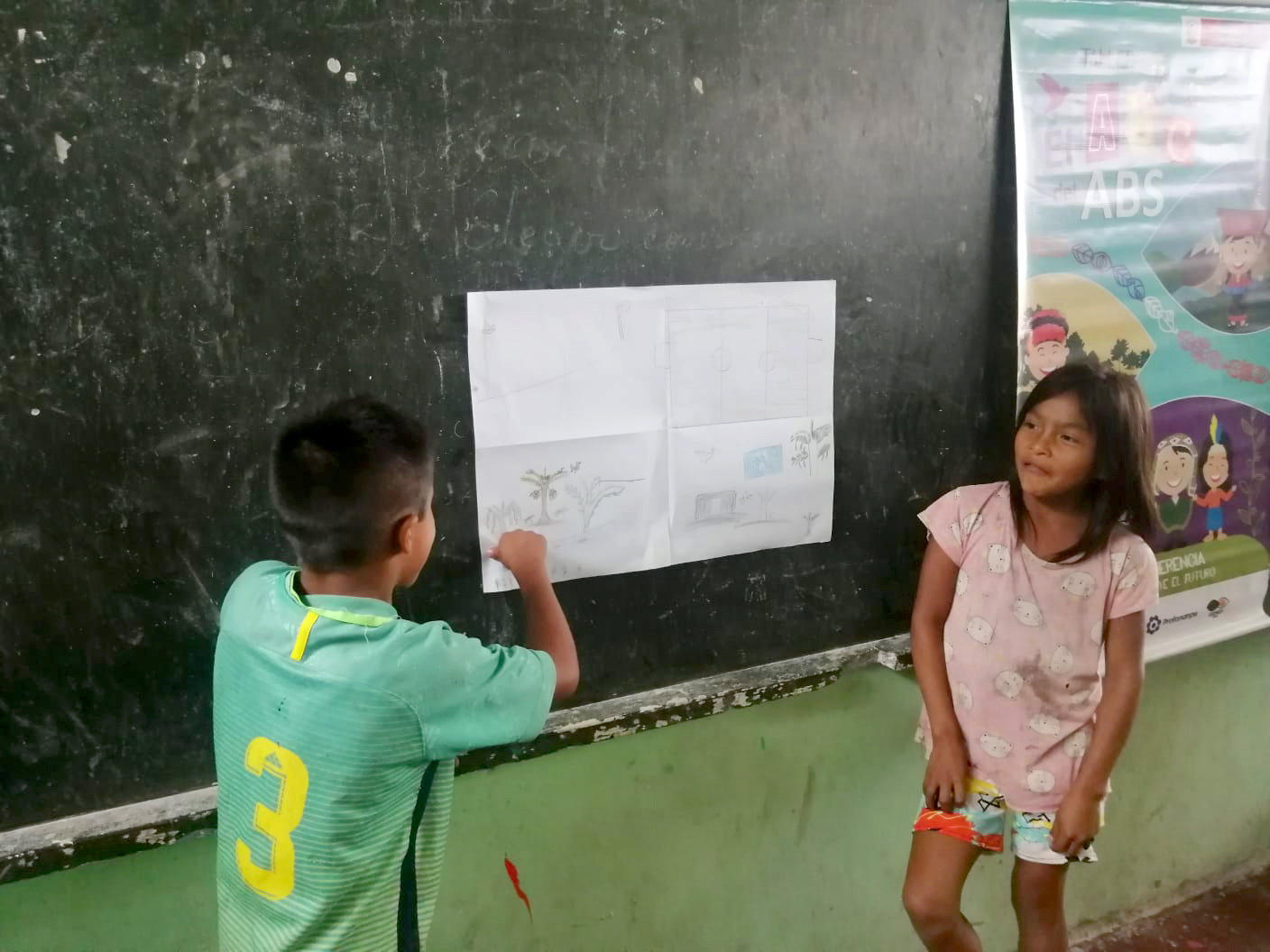
One hundred and fifty-six children from three Awajún native communities—Pakui, Shushug, and Huaracayo—participated in the awareness workshop, titled “The ABCs of ABS.” The workshop aims to help children construct their own learning based on their prior knowledge of biodiversity-related topics, using an intercultural, gender-sensitive, and intergenerational approach.
Likewise, as part of the activities to value traditional knowledge in the communities visited, and in joint work with the National Institute for the Defense of Competition and the Protection of Intellectual Property (Indecopi), the process of registering collective knowledge of these native communities was initiated.
The workshop also had the support of the NGO Yunkawasi, an organization that works for the conservation of biodiversity in the Cordillera de Colán.
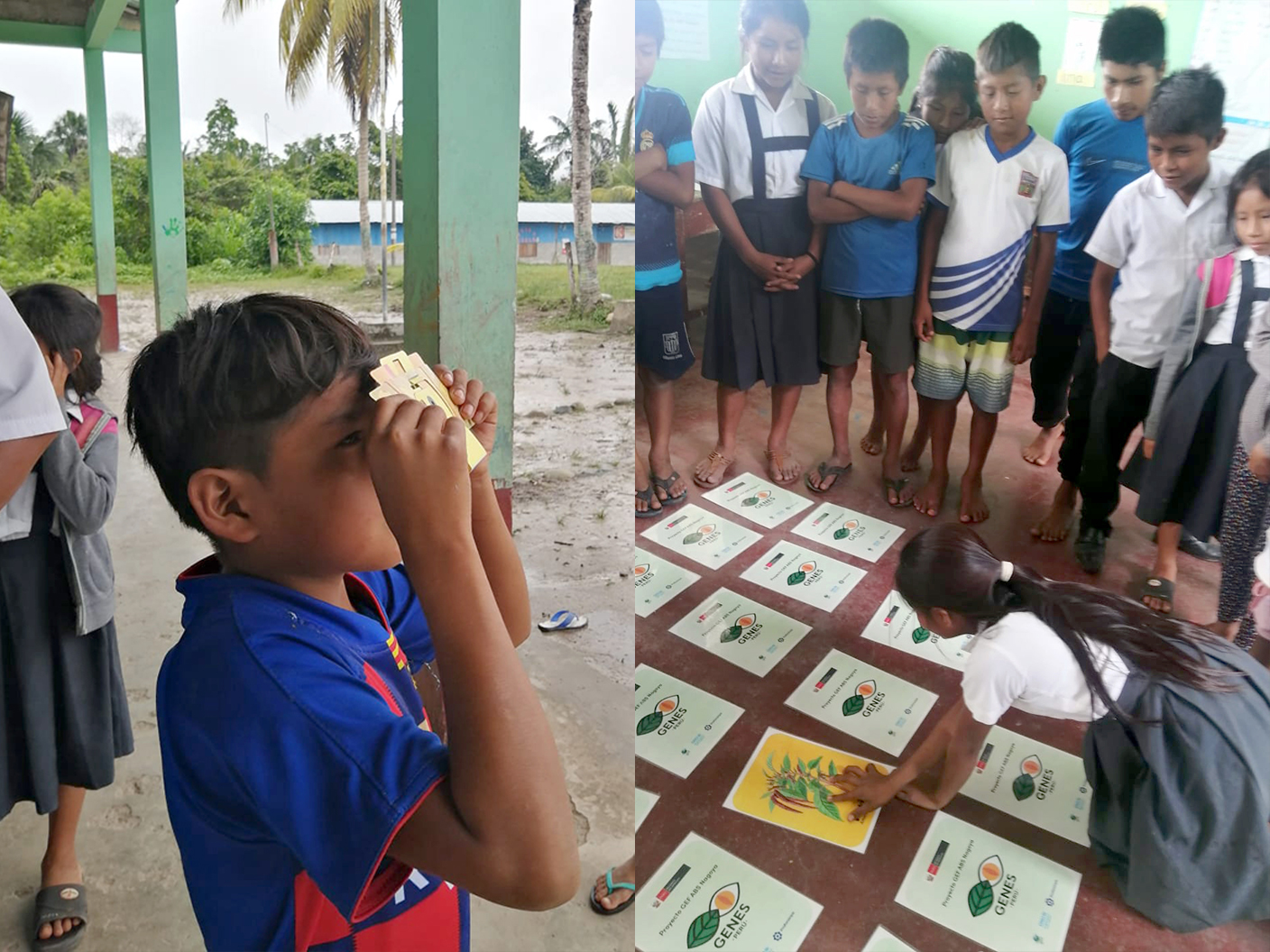
The ABCs of ABS
This is a non-formal educational experience, within the framework of the intercultural training program promoted by the GEF-ABS-Nagoya Project, which aims to encourage the appreciation of traditional knowledge associated with genetic resources for a future fair and equitable sharing of the benefits derived from their use (ABS: Access and benefit-sharing) through educational play activities.
About the GEF-ABS-Nagoya Project
This project, funded by the Global Environment Facility (GEF) and implemented by the Ministry of the Environment, Profonanpe and UN Environment, It aims to strengthen national capacities for the effective implementation of access regimes to genetic resources and traditional knowledge in accordance with the Nagoya Protocol and thus contribute to the conservation of biodiversity and the well-being of people in the country.