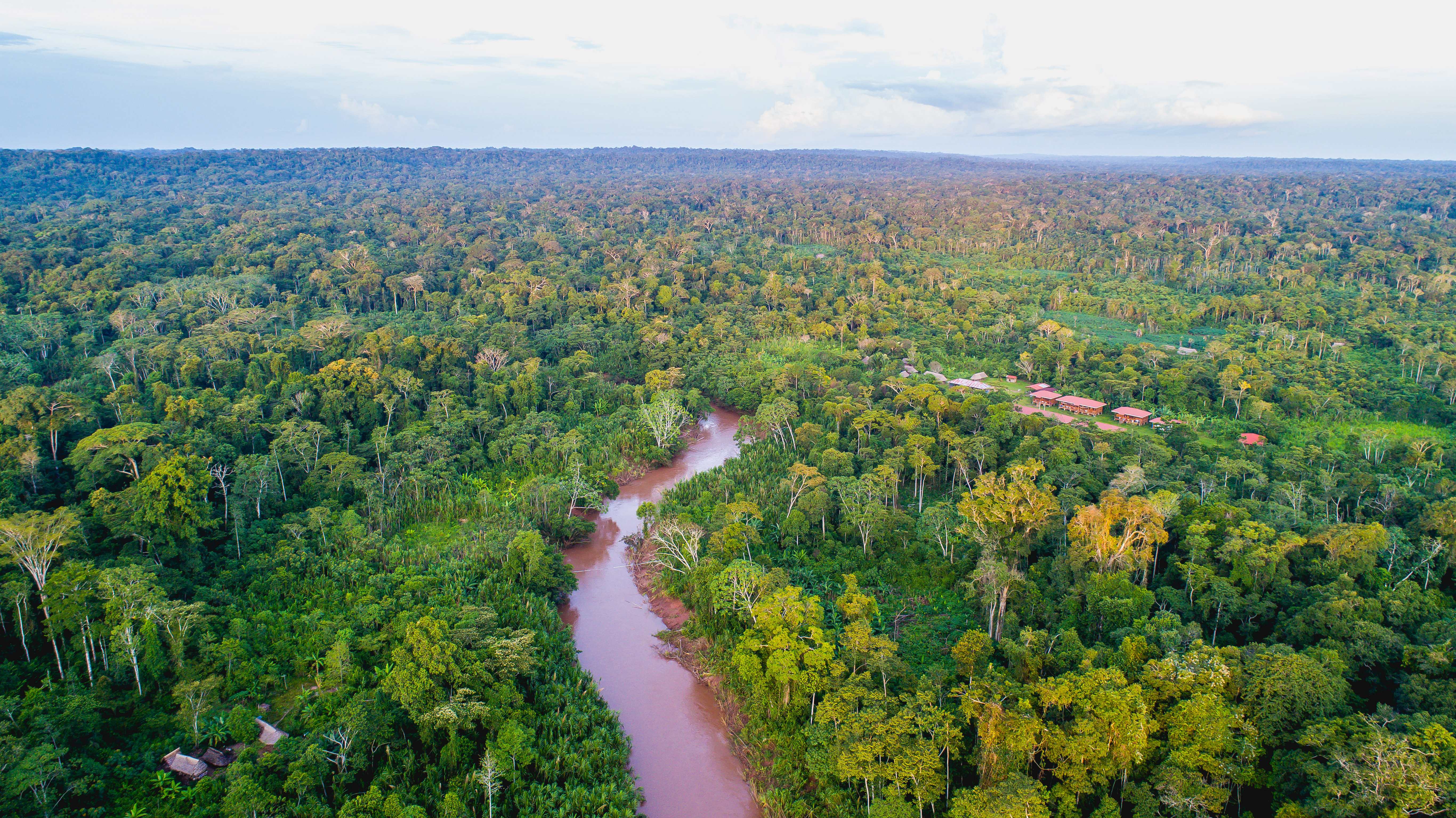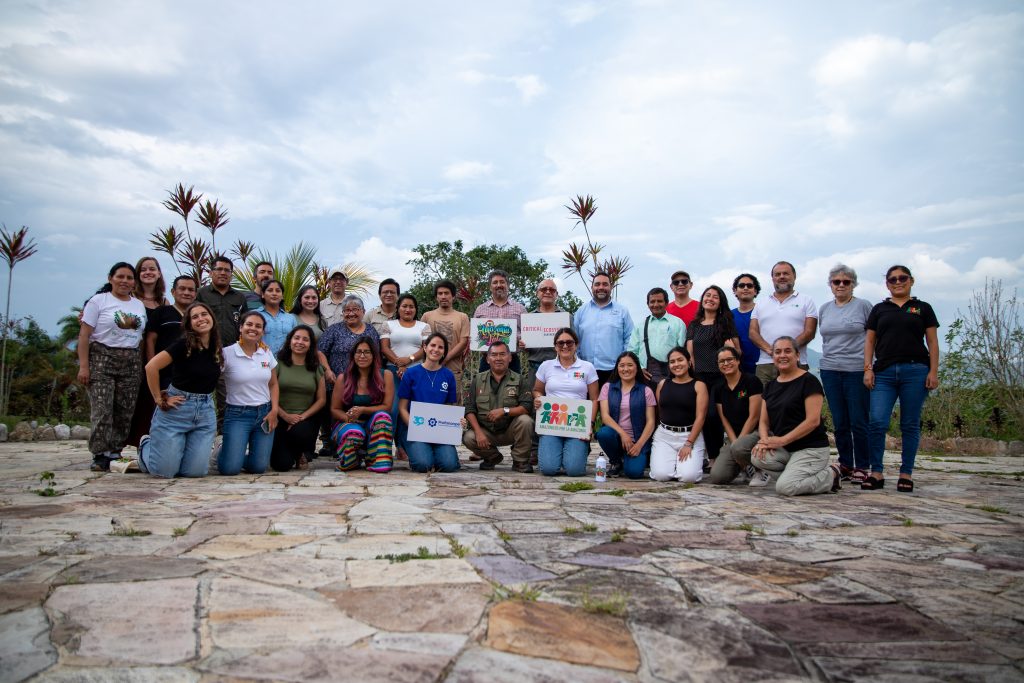
Last Thursday, September 14, and Friday, September 15, the city of Moyobamba, in the San Martín region, was the epicenter of the CEPF National Meeting of Partners and Allies in Peru, which brought together representatives of the 12 projects awarded for Peru in Phase III and of a multi-country project, which also includes Bolivia and Colombia.
These were two days organized by the Regional Implementation Team (RIT) of Peru, Profonanpe, with support from the organization Asociación Amazónicos por la Amazonía, in which members of the National Advisory Committee on CEPF Proposals (CONAP), the heads of the Cordillera de Colán National Sanctuary and the Chayu Nain Communal Reserve of the National Service of Natural Areas Protected by the State (SERNANP), the Regional Environmental Authority (ARA) of the Amazonas Region and the Regional Government of Cusco were also present.
“These past two days have been dedicated to sharing experiences, receiving training, and, most importantly, forging valuable agreements and synergies among CEPF's partner organizations in Peru. Additionally, we had the opportunity to discuss and learn about two conservation initiatives in the Moyobamba Biosphere Reserve, which demonstrate the impact of CEPF's investment,” stated Cynthia Garland, regional coordinator for CEPF's Phase III investment in Bolivia, Colombia, and Peru.
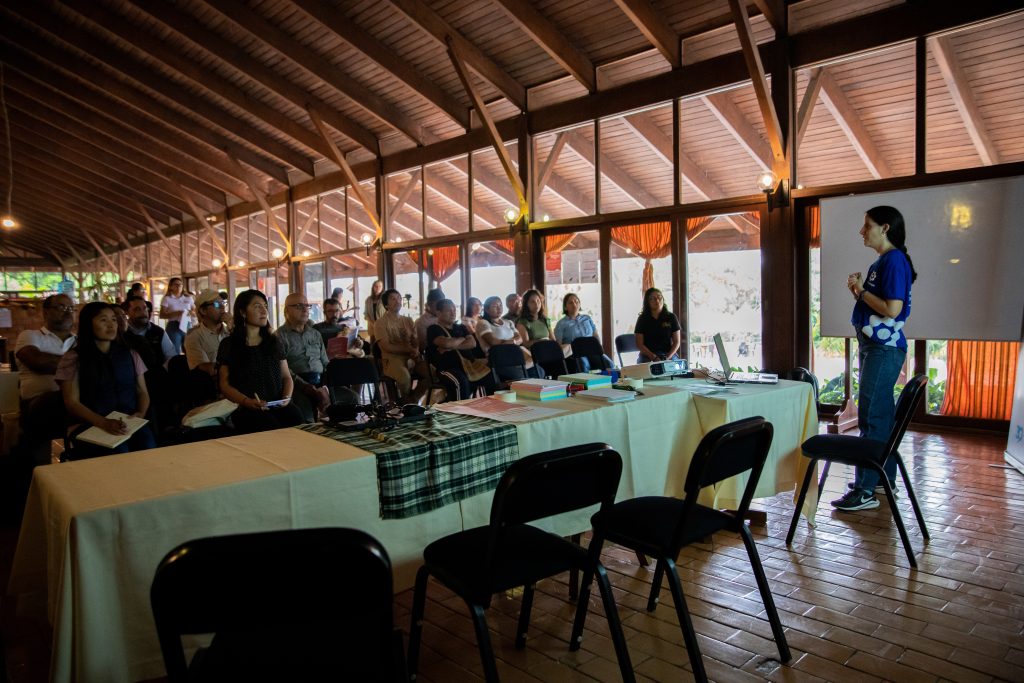
Agreements and synergies
The first day of the meeting yielded more than satisfactory results, as the partners not only discussed specific topics related to the achievements and progress of their projects, but were also able to debate ideas, engage in conversations, and propose possible opportunities for future collaboration.
For example, organizations currently working in the Kosñipata Carabaya KBA in the Cusco region discussed the possibility of leveraging ecotourism to work in a coordinated manner in the territory, for the benefit of this important Key Biodiversity Area.
At the KBA Cordillera de Colán, the need to take advantage of technical discussion spaces used during project implementation was highlighted, in order to continue articulating between civil society organizations for the benefit of conservation.
In addition, there were also agreements to join efforts in order to promote the involvement and training of young people in the projects, as these have been identified as pillars to strengthen interculturality and generational change in the management of the territory and in the sustainability of future actions.
Another opportunity worth mentioning is the interest among partners in Peru in learning how to conduct training and teach local communities so they can gradually begin to carry out participatory scientific research in their territories.
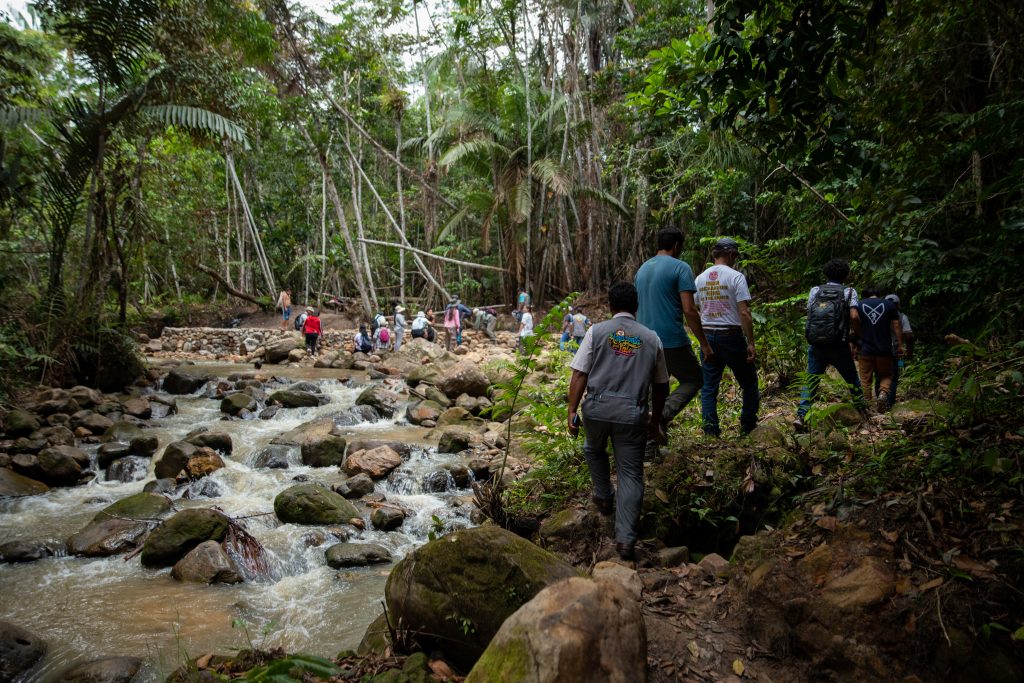
Visit to two conservation initiatives
The second day of the meeting allowed the partners and other actors who arrived in Moyobamba to visit the El Gran Mirador de Juningue Conservation Concession, which is located about 20 minutes from the city, and is managed by the peasant patrol of the Juningue Hamlet; and the Juningue Private Conservation Area, managed by the Hoyos family, which are part of the project “Strengthening local capacities to improve the Management of Community Conservation Areas, Peru”, executed by the Amazonians for the Amazon Association (AMPA).
Through this experience, the benefits generated by CEPF's investment in the KBAs of the Tropical Andes Hotspot were confirmed, as the members of this peasant patrol, who work with support from AMPA, have learned not only about managing conservation concessions, but also about developing products and designing projects.
“We are greatly strengthened by the lessons they provide us daily in caring for our forests, in preparing our annual reports to submit to the ARA, and now we are also developing projects. It is a wonderful experience and we are very grateful for the support of CEPF,” commented Norvil Tantajulca, president of the peasant patrol.
On the same day, a visit was also made to the Juningue Private Conservation Area (ACP), which is an initiative managed by the Hoyos family, made up of 9 siblings, who aim to contribute to the conservation of the tropical rainforests in this area of the KBA Moyobamba, which are key because they are natural water catchers.
Thus concluded the CEPF National Meeting of Partners and Allies in Peru. It resulted in agreements, alliances, opportunities for collaborative work, and the experience of witnessing that the efforts of partner organizations are not in vain, but rather reflected in the improvement of people's quality of life and in the ongoing pursuit of promoting the value of conservation.