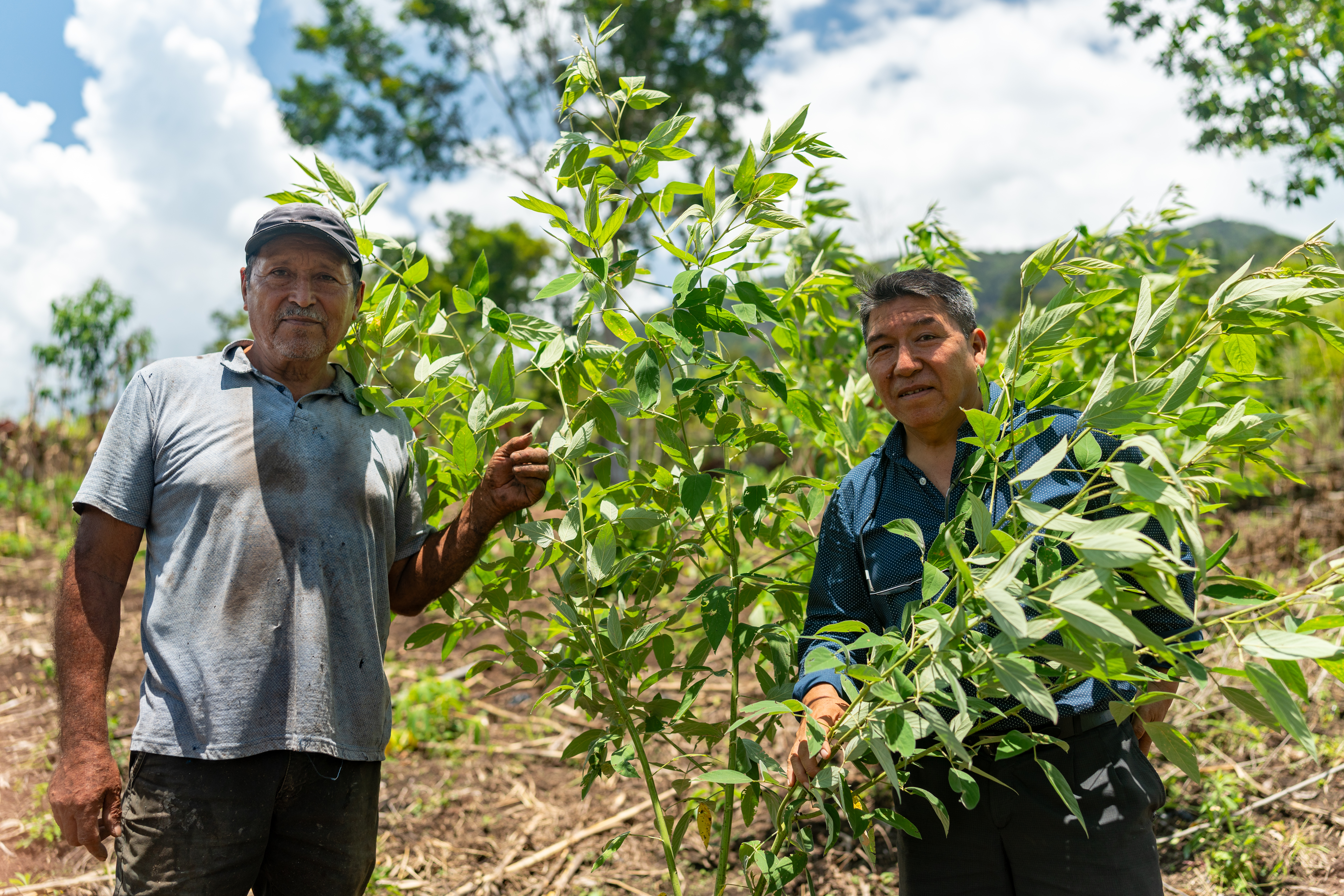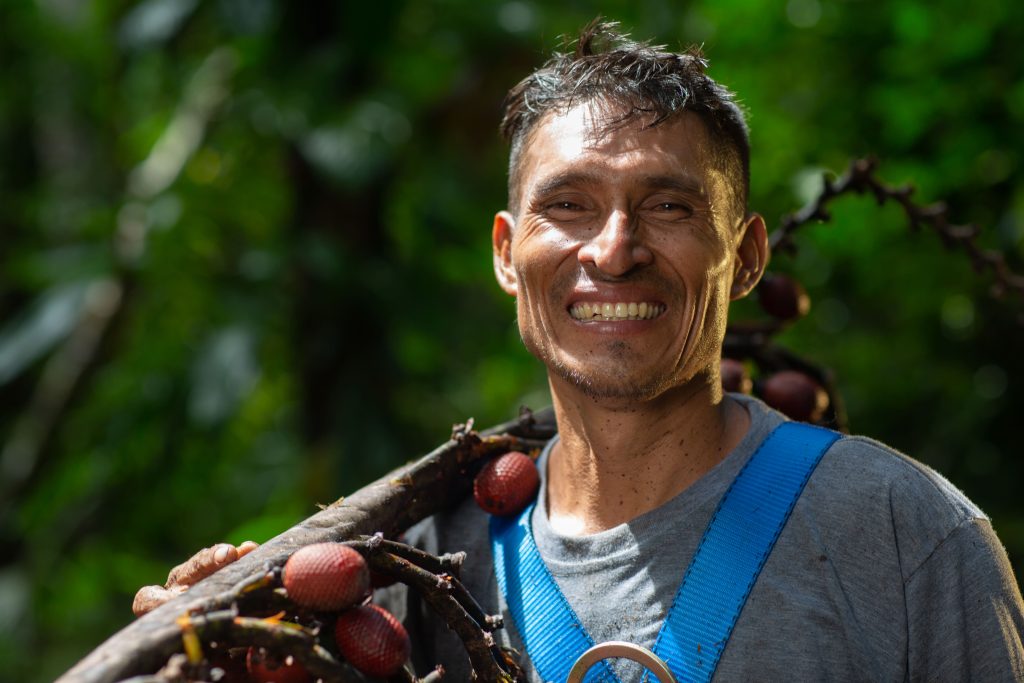
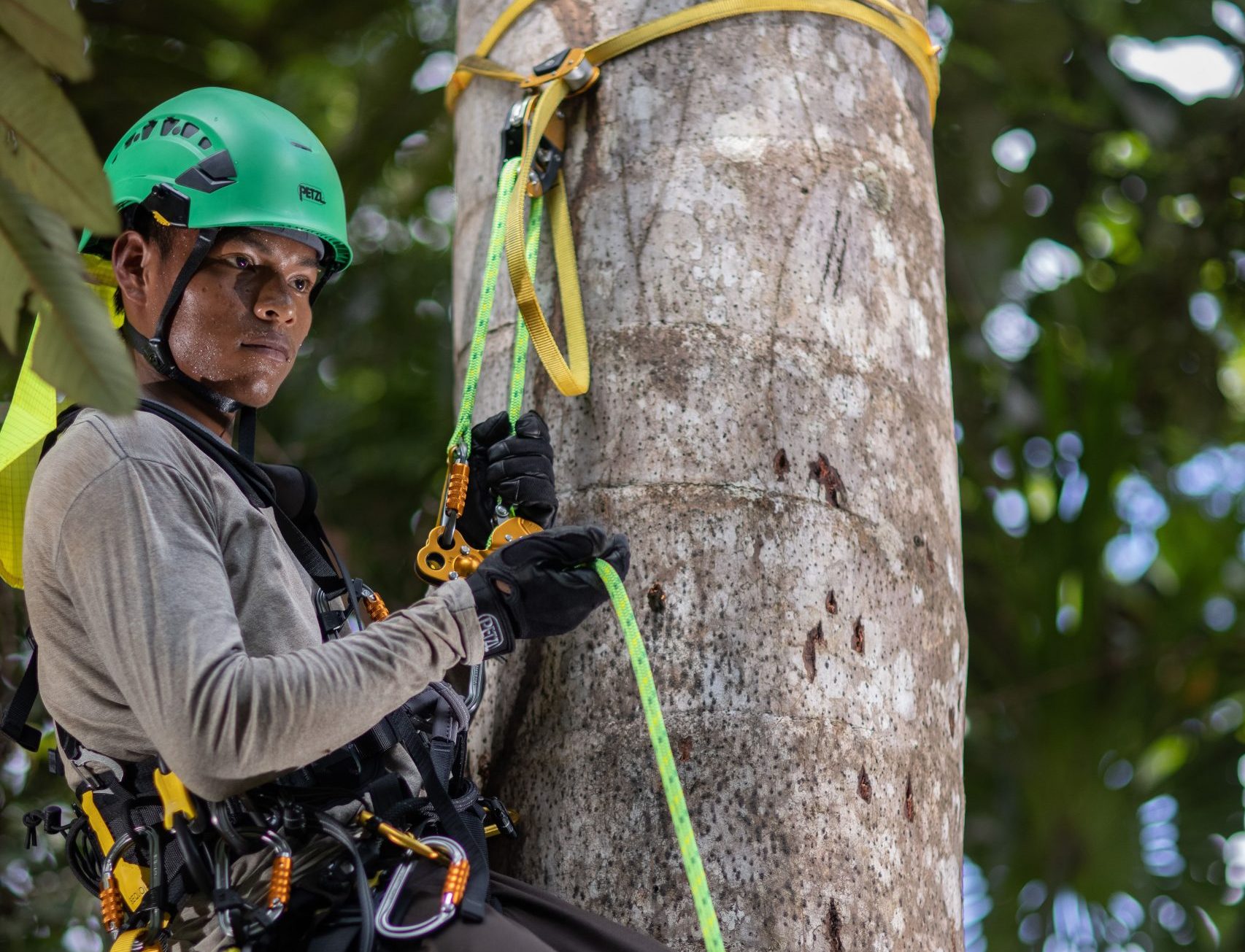
The Chanchari family welcomes us to the community of Puerto Díaz, on the banks of the Pastaza River. It's a small community, with just a few houses, home to a handful of Kichwa families. They work a plot of land no larger than two hectares, where they grow yucca and other staple crops, but above all, pineapples, which they sell in Ushpayacu, the capital of the Pastaza district. Seasonally, the community also harvested aguaje fruit, a process traditionally carried out by cutting down the producing palm trees. However, for more than ten years now, in Puerto Díaz, they haven't cut down the palms, but rather climb them. With the help of a rope system, the climbers can reach the tops of the aguaje palms, which can grow to heights of up to 35 meters.
Segundo Chanchari, one of the community's most prominent climbers, shows us how to climb a palm tree shortly after we arrive. Just a few meters from the houses, the terrain turns into a swamp, and our boots begin to sink into the vegetation. We are in the territory dominated by Maurita flexuosa, the scientific name for the aguaje palm. These forested swamps, in the Datem del Marañón and Loreto provinces, are home to the most widespread concentration of aguaje palms in the Peruvian Amazon.
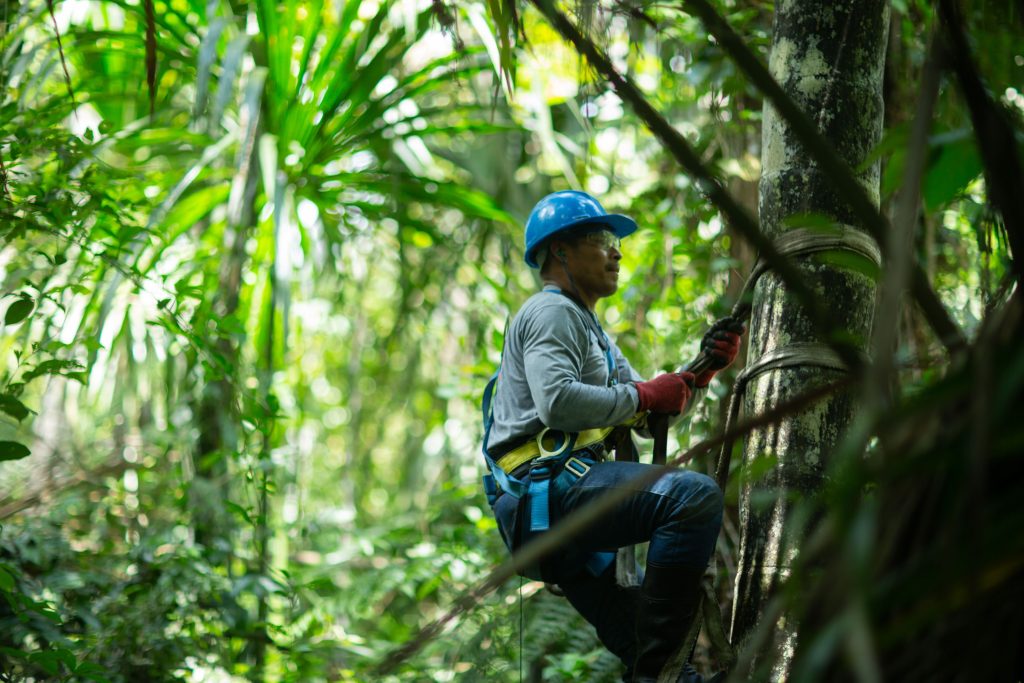
Segundo leads us to a palm tree and explains the harvesting procedure while putting on his gear: a helmet, boots with spurs, a harness, and a belt, which he then adjusts around the tree's almost smooth trunk. Using the momentum of his arms and legs, the belt allows him to climb the trunk with considerable physical effort. Thanks to his experience and skill, it takes him no more than five minutes to reach the top, where, using a saw, he cuts one of the clusters, laden with berries.
As we climbed down the palm tree, Segundo and his father, Adegundo Chanchari, explained that climbing the palm requires more time and effort than simply cutting it down. With an axe or a chainsaw, they told us, it's possible to cut down between 50 and 100 palms a day, while harvesting with harnesses allows for the use of only 20 to 30 palms daily. But this latter method, naturally, keeps the plant alive. This is crucial from both an ecological and economic perspective.
The palm forests cover more than 751,000 hectares of the area known as the Pastaza Fan, the most extensive tropical peatlands in the Western Hemisphere. This network of swamps and lake systems, where the community of Puerto Díaz is located, contains an estimated carbon reserve of nearly 6.7 billion tons of carbon dioxide equivalent in its soils. Preserving this carbon in roots and other organic materials is crucial for combating climate change. The carbon stored in the Datem del Marañón province represents almost seven times the carbon emissions of all South American countries in 2021.
Given its widespread prevalence in the area, the Aguaje palm is a species that defines much of the swamp forest structure, creating locally stable conditions for other species and modulating and stabilizing fundamental ecosystem processes. For example, palm trees have the capacity to retain large quantities of water, which is released gradually after being purified. The water released by the aguaje palm groves contains high amounts of dissolved organic carbon and other components necessary for metabolic processes in water bodies. Fish, birds, and mammals depend on the ecosystem services provided by the palms, either through their regulation of water cycles or by feeding on their berries. Parrots, macaws, and bats inhabit the canopies or dead trunks, as do various monkey species. The aguaje fruit is also central to the diet of peccaries and tapirs, which are a source of protein for native communities.
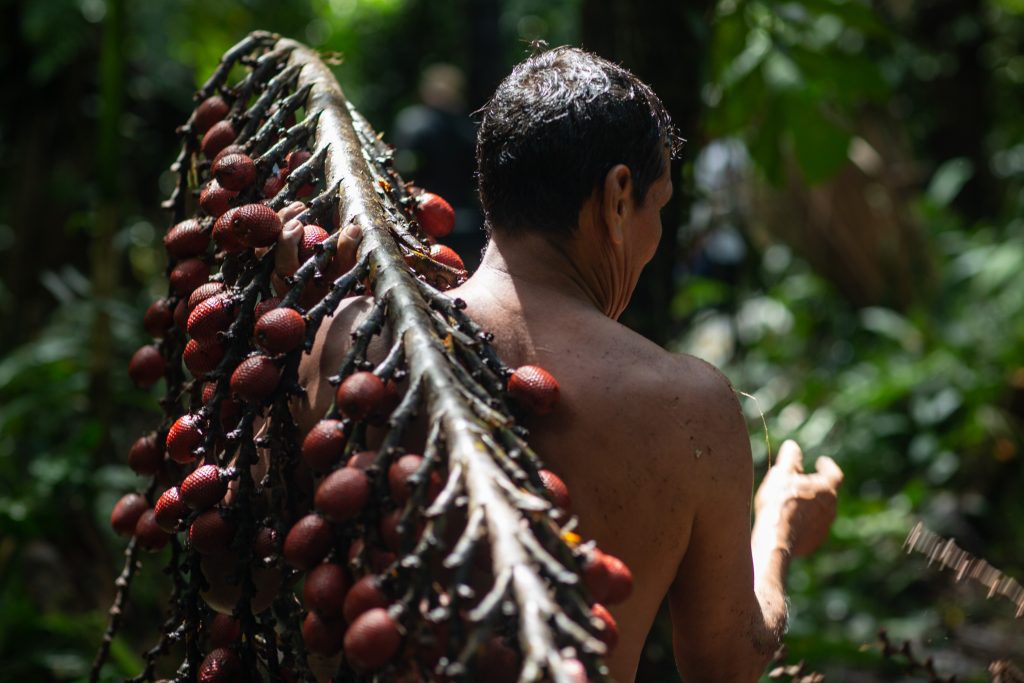
The Chanchari people became convinced of the benefits of climbing palm trees after a visit from climbers from Pacaya Samiria National Park, known as Los Maquisapas, named after the Amazonian monkey species. “Before, there were no climbers,” Adegundo explains, “everything was done with axes, everything was about felling.” But Los Maquisapas, who had been working with Sernanp, Profonanpe, and non-profit organizations on processing the aguaje fruit harvest, brought the good news to the Puerto Díaz community. It was the beginning of the 2010s. “At that time, one of the first climbers came with harnesses; we knew them as Los Maquisapas,” Segundo recalls. “A man named Arvildo from Pacaya Samiria.”.[1] He trained me. Then I went to his country and trained there as well. Then I kept practicing, wanting to improve myself even more, and I've improved so far.”
Climbing the palm tree allows for a harvesting cycle of 40 to 50 years after the plant matures, which occurs between 7 and 10 years of age. However, due to high market demand, immediate economic incentives take precedence over long-term considerations. Cutting down the palms generates short-term profits. Currently, it is estimated that 2,130 aguaje palms are felled each month in the Loreto region, and 1,400 hectares of aguaje forests are lost each year, a figure that has been increasing since the 1990s. This depletion affects the region's economy and the sustainability of the resource. Aguaje palms are dioecious plants; the females produce fruit when pollinated by the males. When the females are cut down, the species' reproductive capacity is severely limited, leaving behind barren forests. According to one study, there are three male palms for every female in Loreto.
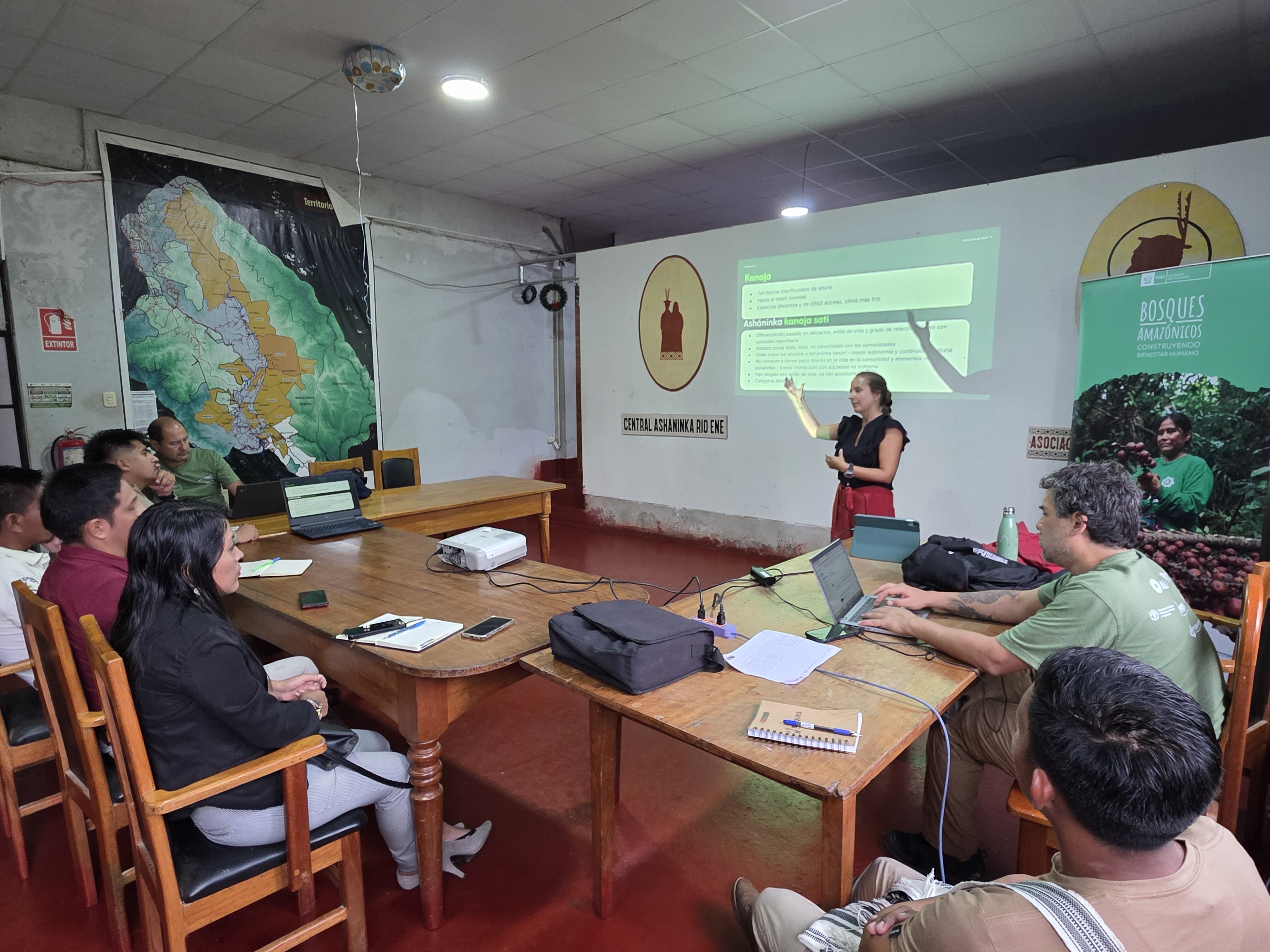
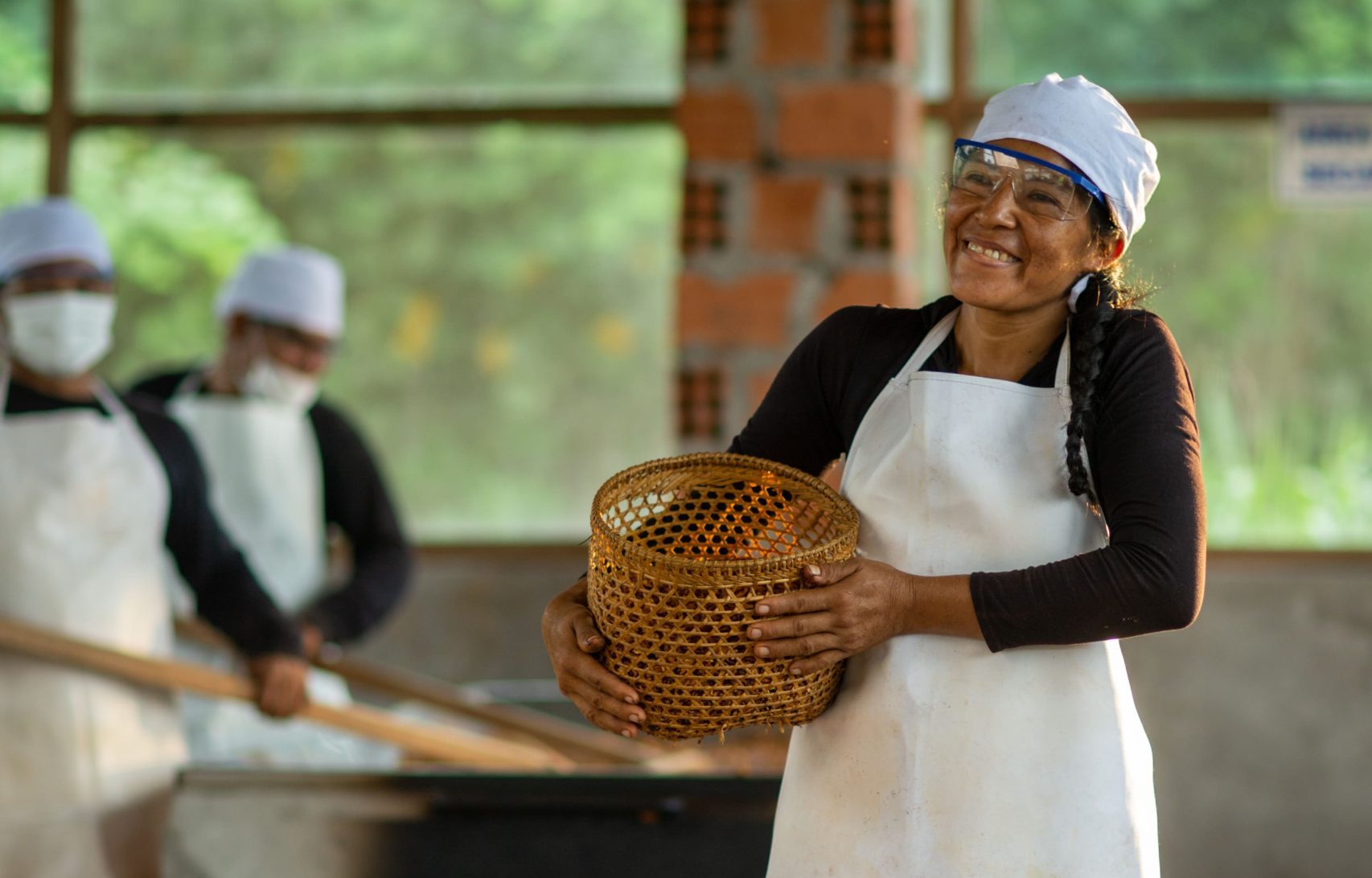
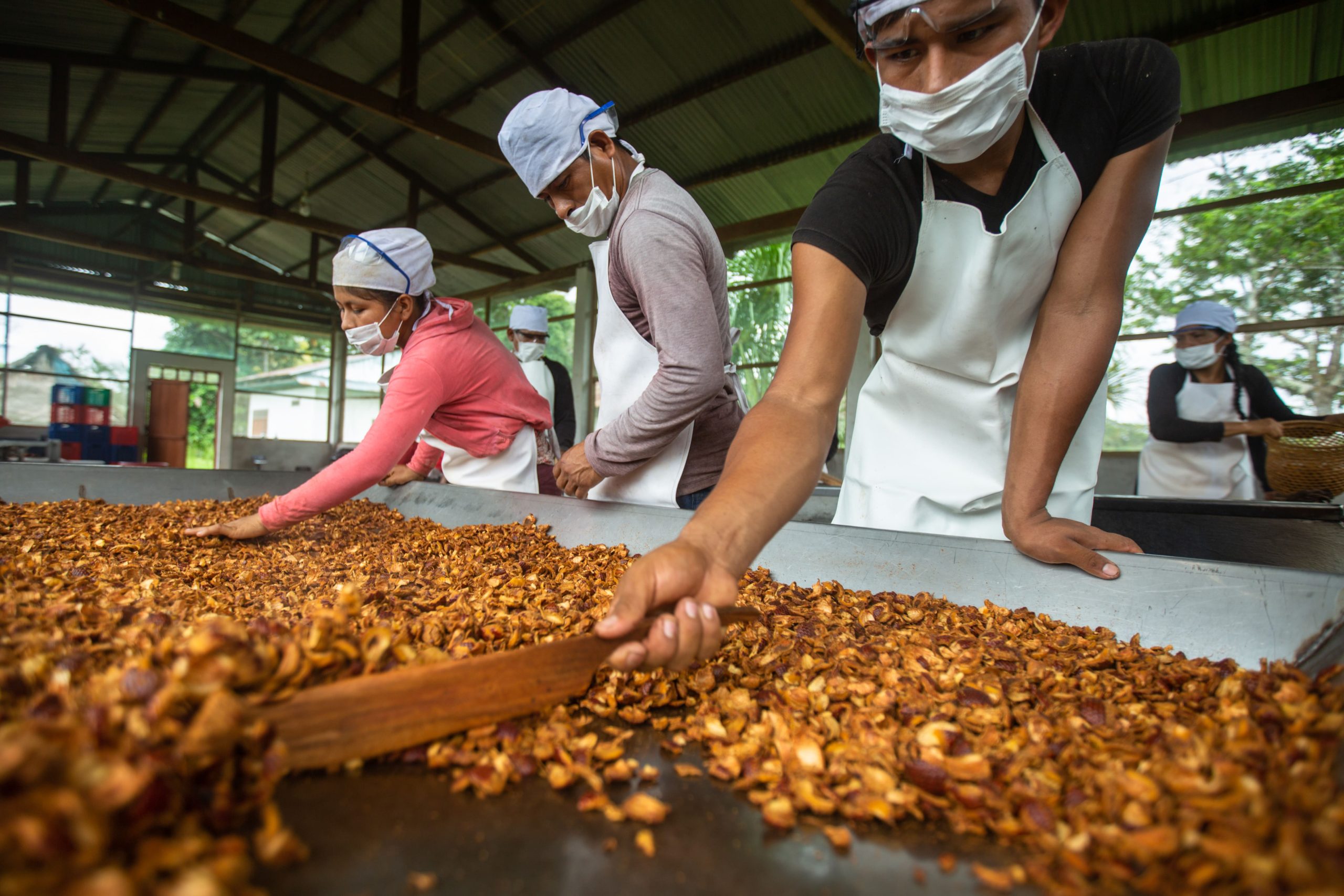
In partnership with the Datem Wetlands Project, members of the Puerto Díaz community formed an association dedicated to the sustainable harvesting of palm fruits, primarily aguaje, but also unguragui (Oenocarpus bataua), dark berries rich in Omega 9. The produce is sold at a fixed price to Aspromar, an association based in the Puerto Industrial community, which operates a sorbet production plant. “We are happy with our business,” says Segundo, “but it hasn’t been easy. We’ve had to talk it out in the community, in assemblies. We’ve promoted discussions. But in the end, people have been convinced. Now the community has adapted to scaling up the harvest, so we can harvest the aguaje palms that are closer. The more you cut down, the farther you have to go to find the aguaje later. With scaling up, we don’t have that problem.”
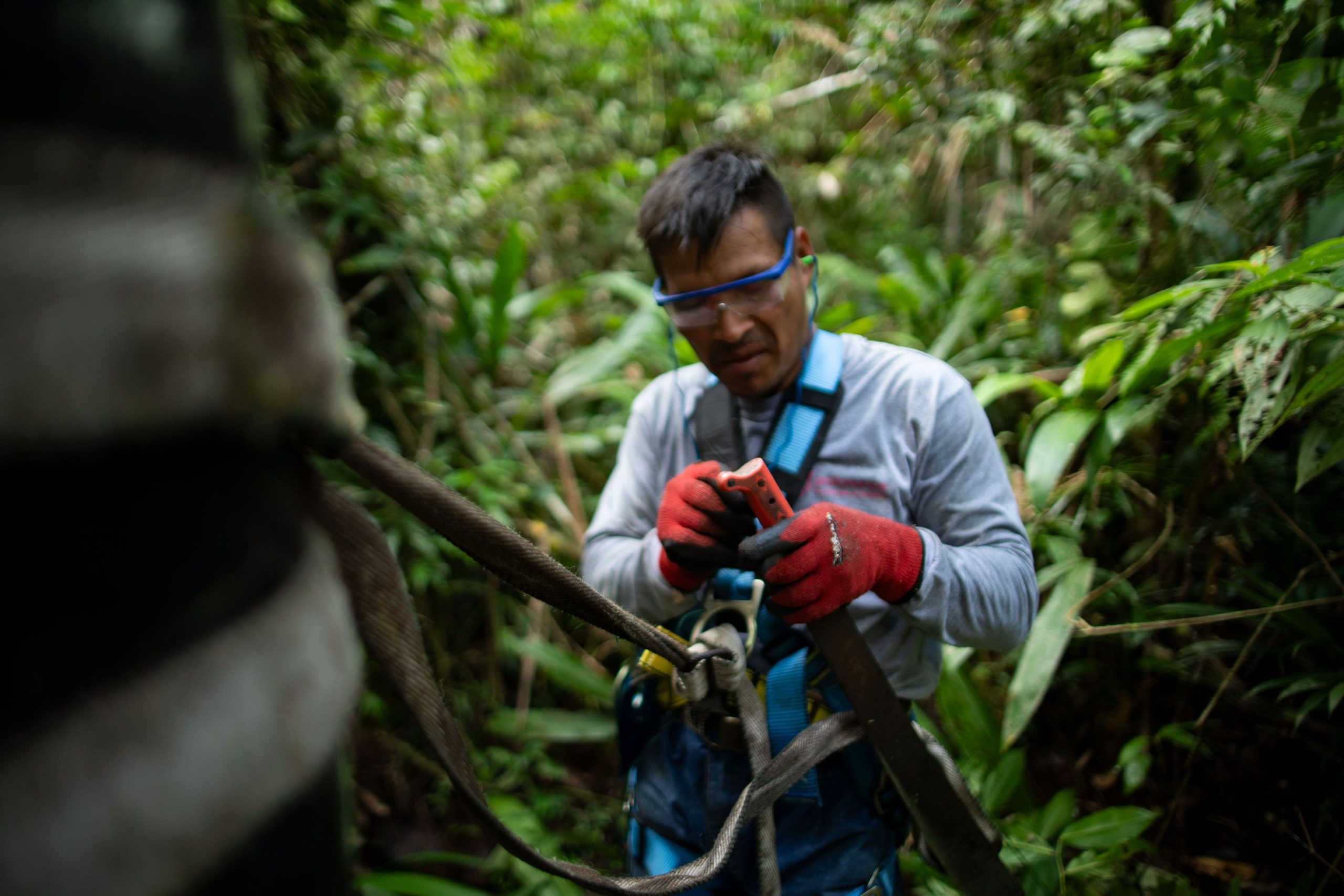
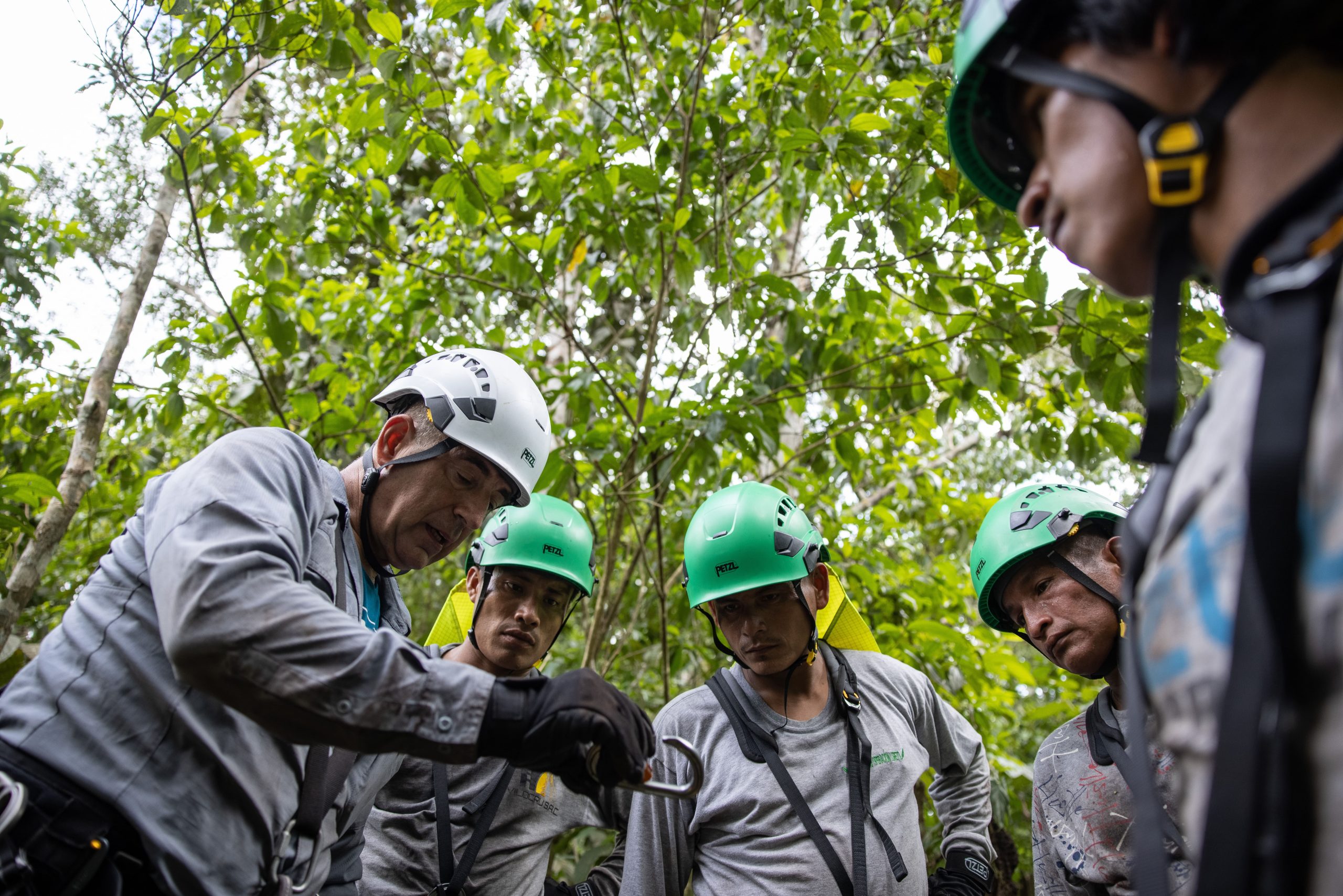
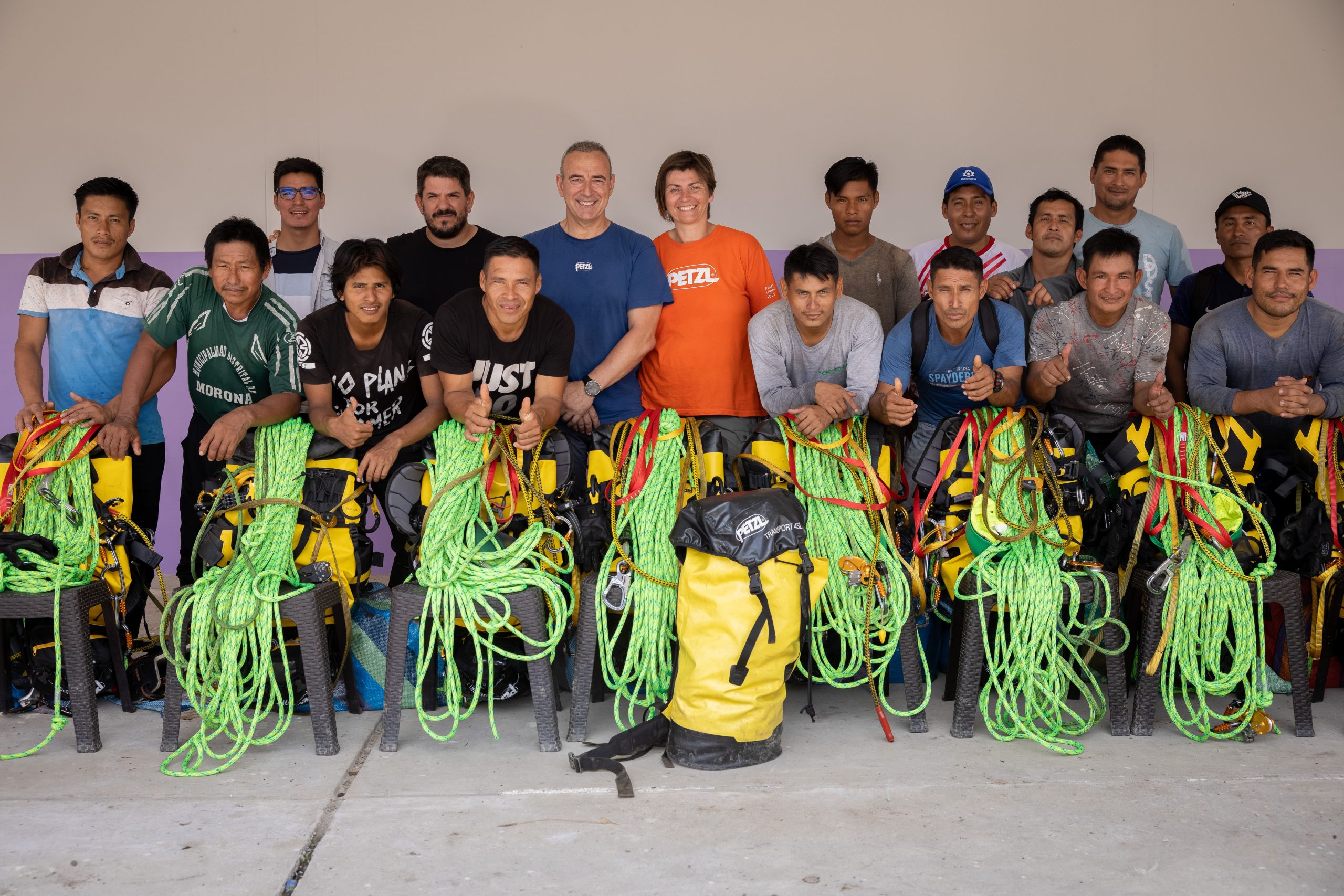
Through their work, Puerto Díaz is demonstrating that a sustainable path exists for harvesting palm fruit, ensuring both long-term income and the conservation of the Pastaza Fan ecosystems. The Chachari family, in particular, has played a central role in the community, training their neighbors and other members of nearby communities. “We are training people,” says Segundo. “The problem is the lack of materials. To make the equipment, we need to get special harnesses; we have to go to Lima for that. There are harnesses here, but they aren't the right model. But we're working on it. Once the harnesses are made, we donate them to people so they can harvest the fruit.”
However, something is worrying the Chanchari family. For some years now, the availability of the fruit has been steadily declining. “The aguaje production is low right now,” Segundo says with concern. “There hasn’t been much flowering this year. It’s been like this for two years now. We don’t know why, but I think it’s due to climate change. There have been two major earthquakes that have altered the trees. Three years ago, the aguaje was going to waste. Now it isn’t. But I have faith that this will change; the plant needs to know that it won’t be harmed anymore.”
[1] This refers to Arvildo Uraco Canaquiri, president of the management committee of the Pacaya-Samiria National Reserve. The Maquisapa people are members of the 20 de Enero Native Community in the province of Loreto.