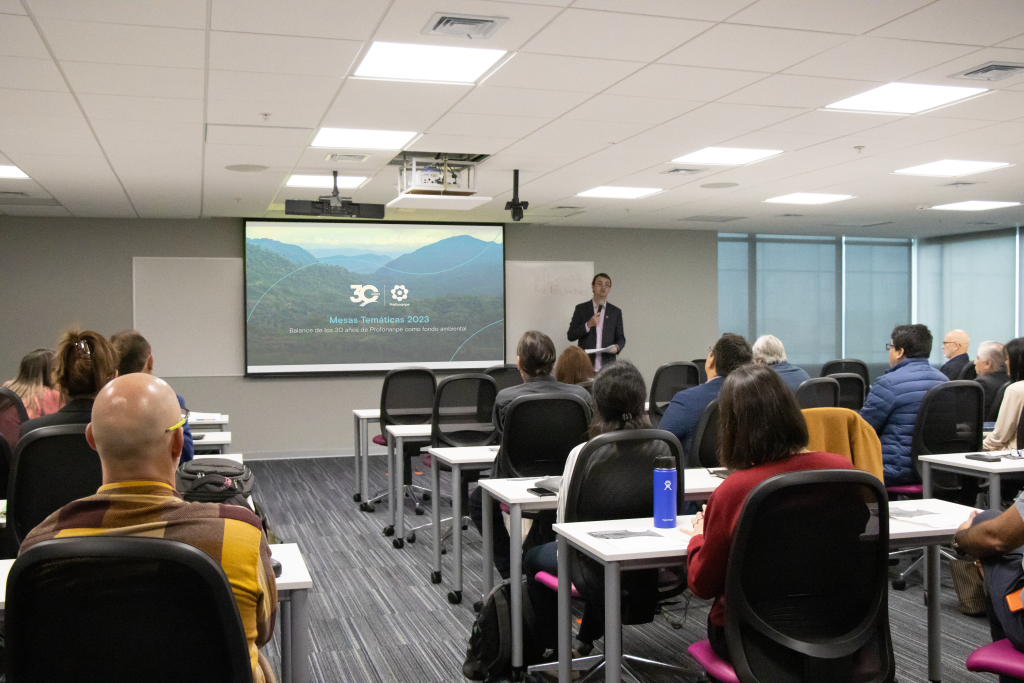
On August 3, the first meeting of the 2023 Thematic Tables of Profonanpe took place, an event that brought together more than 40 experts from the environmental sector to carry out a technical and strategic assessment of the achievements, challenges, lessons learned and opportunities for improvement within the framework of Profonanpe's role in its 30 years of management, as well as its impact on the national environmental agenda.
“We are not the center of the business, we are the tool for the business to grow, and what is the business? The environmental agenda, that common agenda that transcends administrations and transcends people, it is a sustainability agenda,” said Anton Willems, CEO of Profonanpe, during the opening of the meeting, in which he highlighted how Profonanpe has strengthened its role as the right arm of the State and civil society to promote projects that contribute to conservation and sustainable development.
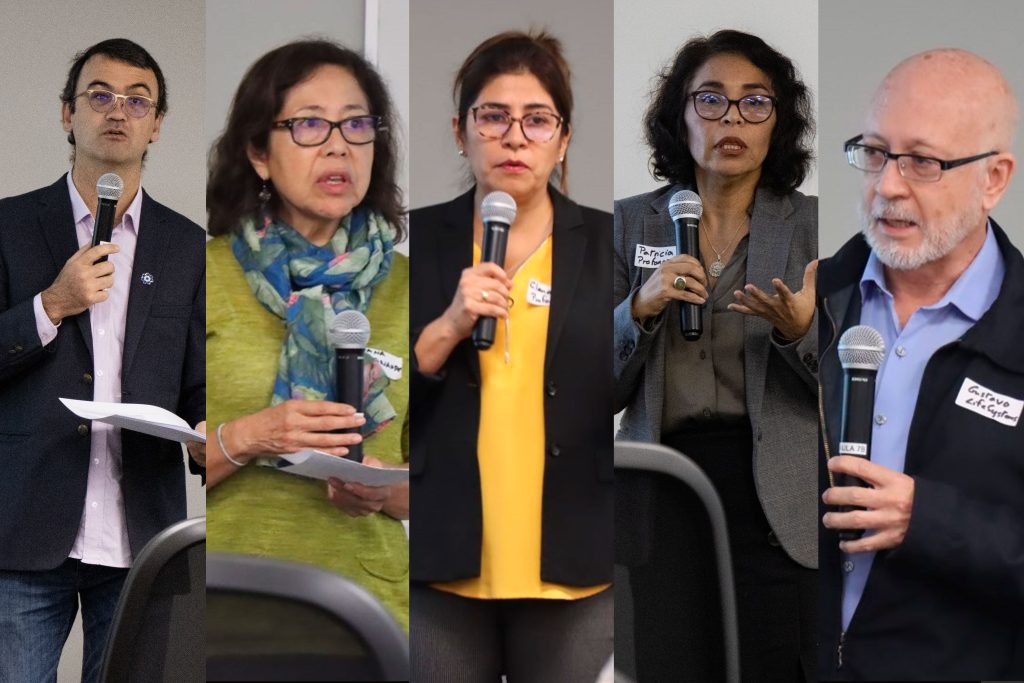
The working groups prioritized three discussion topics related to Profonanpe's role as Peru's environmental fund: Financing for conservation, Environment and sustainable development, and Governance mechanisms and management tools. The debate highlighted the need to strengthen conservation efforts among various national and international entities.
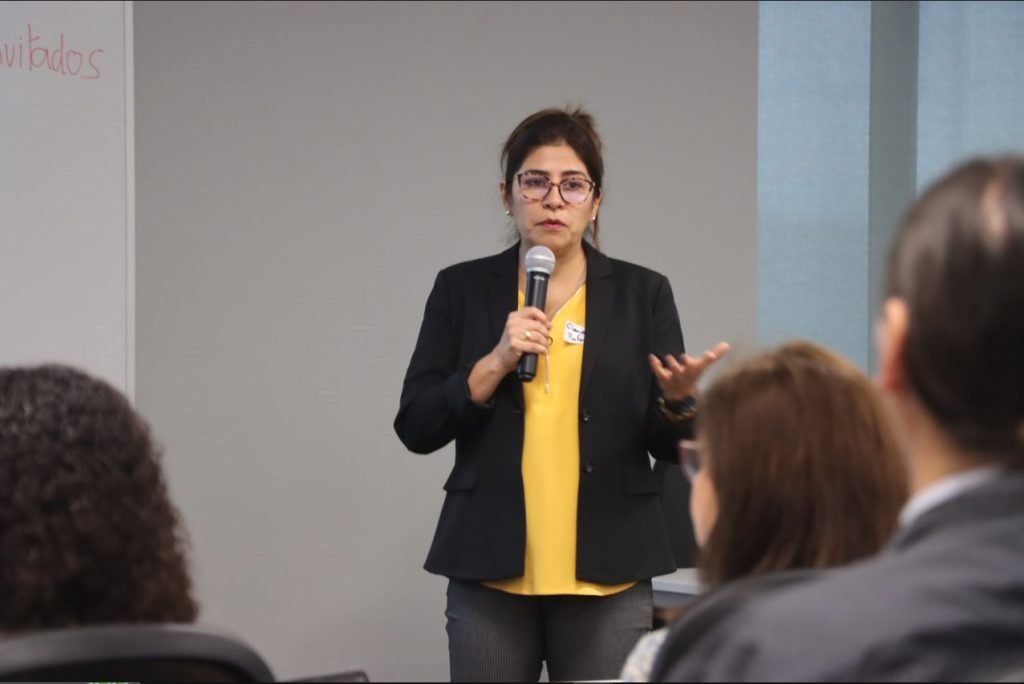
In the "Financing for Conservation" section, Claudia Godfrey, Director of Innovation and Strategic Management at Profonanpe, noted that several key issues were addressed regarding the future of Profonanpe and its role as a facilitator with other entities. Discussions focused on potential conservation approaches and how Profonanpe's accreditations can facilitate access to resources. Additionally, a new Green Fund initiative was presented, which will provide technical assistance to bio-businesses focused on reducing carbon emissions in the Amazon.
For her part, Gabriela Orihuela, President of the Board of Directors of the Association for the National Botanical Garden of Lima, commented, regarding the environment and sustainable development, that they identified a need to apply a territorial approach to management by coordinating local, regional, and national development plans, without losing sight of biodiversity conservation. Profonanpe's interventions must be based on research to find the best possible solutions, as well as on mapping the stakeholders (NGOs, private sector, and government) who will participate in these processes to ensure collaborative and more sustainable work over time.
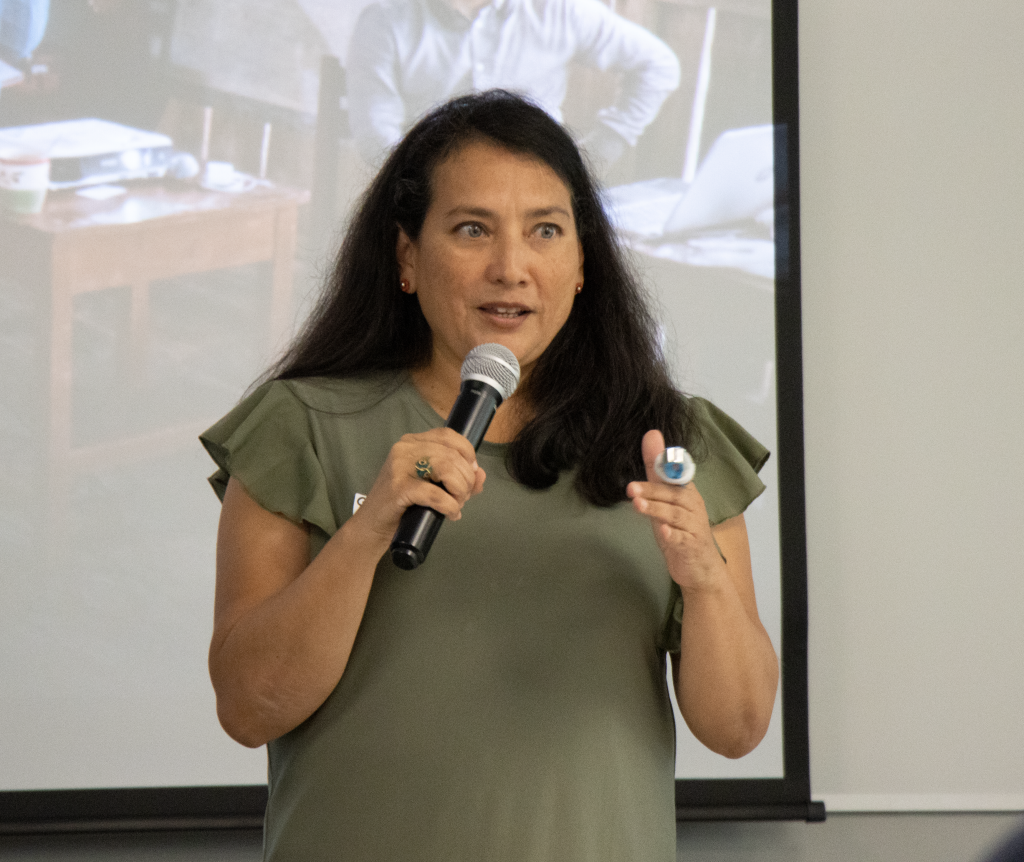
Finally, regarding governance mechanisms and management instruments, Silvana Baldovino, Director of the Biodiversity and Indigenous Peoples Program at SPDA, commented that it is of utmost importance to develop, review, and coordinate governance frameworks and link them with management committees to achieve a comprehensive vision of land management and to address the need to interculturalize the system of protected natural areas in order to ensure clearer management of natural resources and more inclusive participation of indigenous peoples.
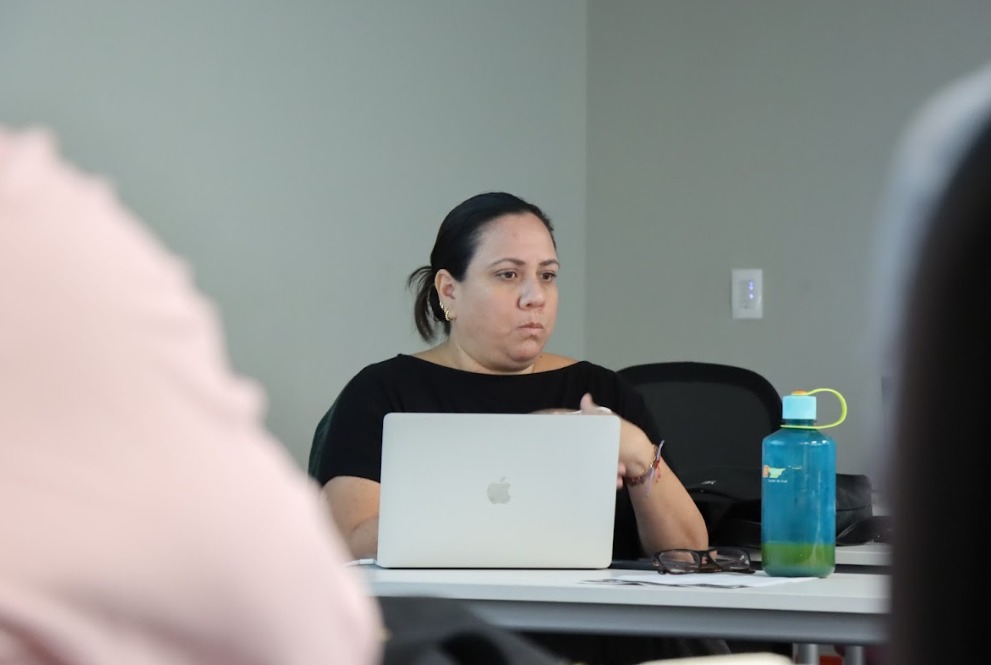
In its 30-year history, Profonanpe has distinguished itself by its adaptability to global and national changes in biodiversity conservation and climate change mitigation. Therefore, the development of the Thematic Roundtables allows for updating the needs of the environmental agenda and guiding Profonanpe's role as the main ally in Peru and Latin America in the implementation of a sustainable development agenda.
A second meeting will be held in September, which is expected to bring together various experts on environmental issues.