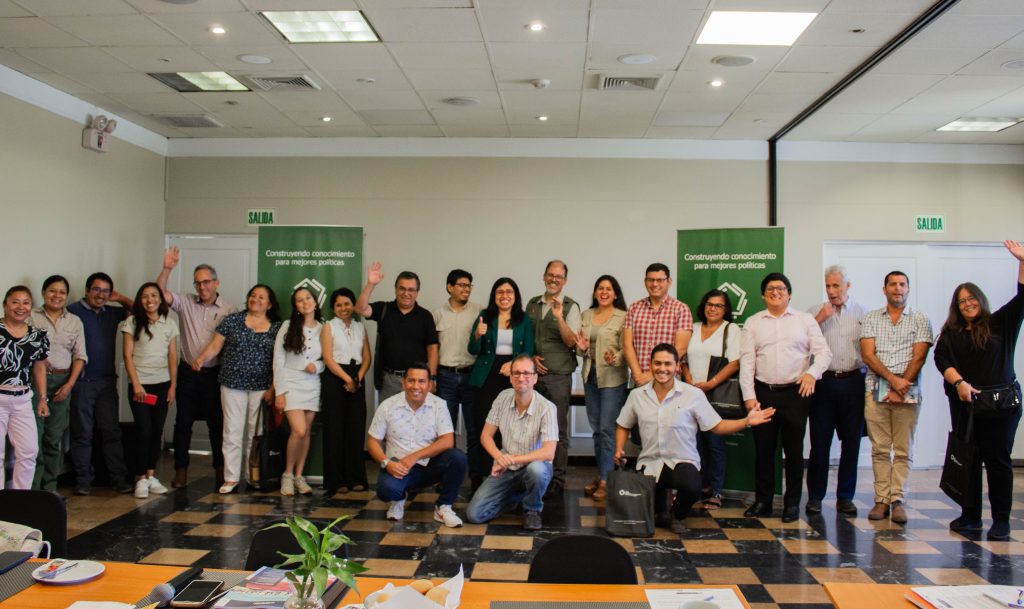
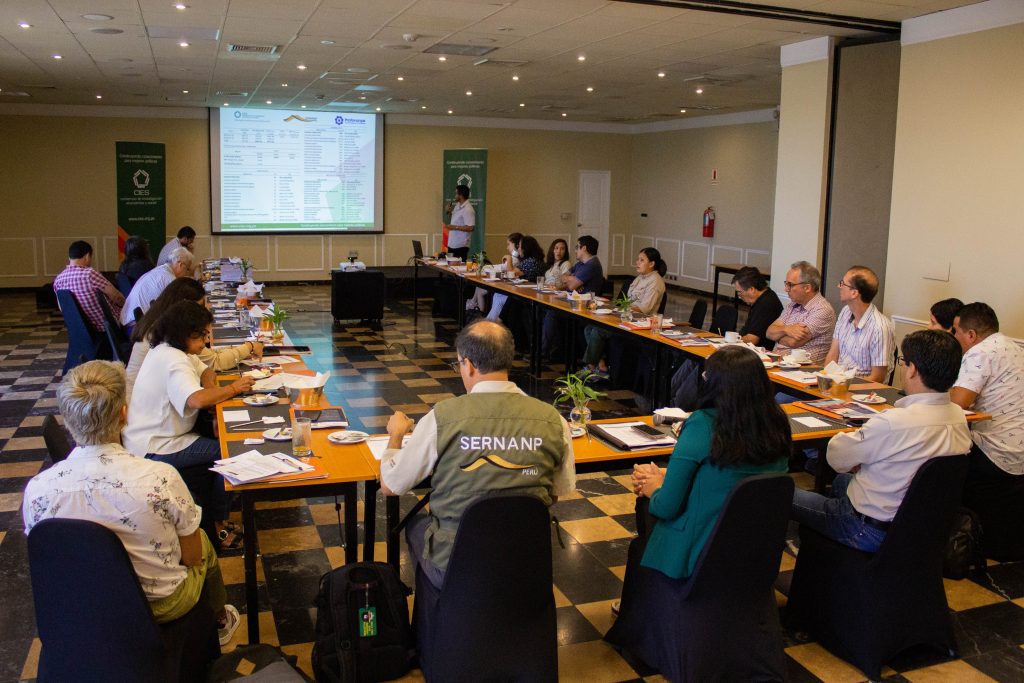
Five of the thirteen winning research projects Scholarship competition for research in Protected Natural Areas (PNA) They presented their results after months of research in three marine and coastal protected areas. The projects received funding and followed the research priorities approved for the protected natural areas of the National System of Natural Areas Protected by the State (SINANPE), specifically in the Illescas National Reserve (RNI), the San Fernando National Reserve (RNSF) and the National Reserve System of Islands, Islets and Guano Points (RNSI).
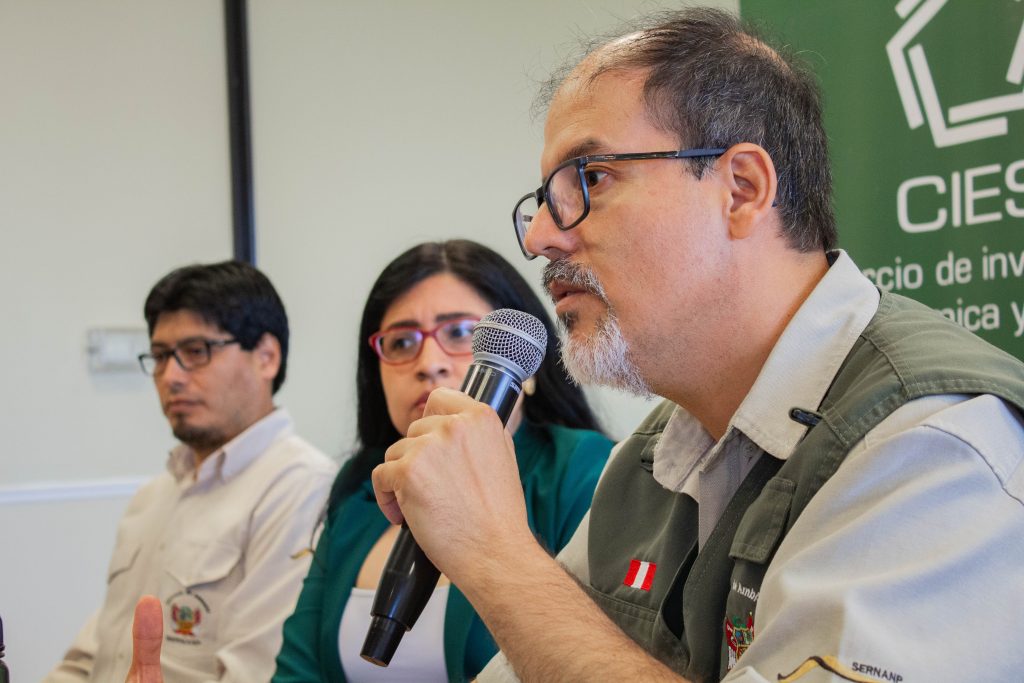
The research will mark a first step towards improving the management of protected natural areas, through the results obtained. «"The experience we have now with the support of CIES, Project PAN III and Profonanpe is something that has taught us valuable lessons and that we are increasingly promoting in order to generate scholarships that will develop research that we consider a priority," he emphasized. Deivys Huamán Mendoza, Director of Management of Protected Natural Areas (DGANP) of SERNANP.
These are the 5 studies that presented their results:
“Food ecology and population density of the Andean Condor (Vultur gryphus) in the Illescas National Reserve”
Renzo Piana, PhD in Applied Ecology from the Metropolitan University of England, released information on the ecology and population size of Andean condors in the RNI, which will help guarantee their long-term survival, since, worldwide, there are few marine-coastal areas that have a stable and reproductive population of Andean condors, and this ANP is the only one in Peru where the reproduction of this species has been recorded.

The research results show that the protected natural area (ANP) has 35 Andean condors (101 of Peru's total population), primarily due to the increased amount of carrion resulting from animal strandings caused by El Niño. The researcher recommended including the plains and hills east of the protected natural area (RNI) in the study, regulating public access to the beaches to prevent conflicts over food sources, and establishing a strict policy regarding access to the area.
«"Distribution and population structure of Otaria flavescens in the Illescas National Reserve"»
Sahiro Domínguez, a graduate of the School of Biological Sciences at the National University of Piura, presented his research, which highlights the need to develop sustainable and responsible ecotourism. Having information on the breeding and pregnancy seasons of this species, as well as other aspects related to the interaction between sea lions and fishermen, will help strengthen a conservation strategy for the species.
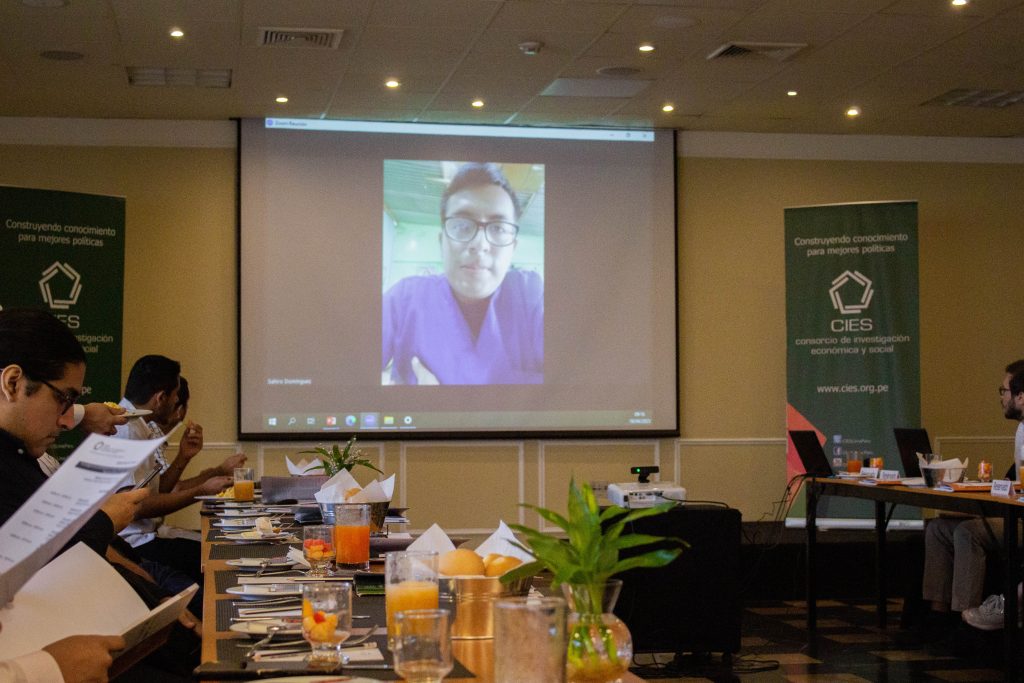
The research highlights that the South American sea lion population in the Illescas Reserved Zone is 5,870 individuals, with a ratio of 4,310 males and 1,189 females, with the highest number of sightings occurring during the month of October. It recommends promoting sustainable ecotourism in the observation areas, based on the study dates, maintaining constant vigilance by park rangers, training fishermen to prevent food shortages, and continuing scientific research in the area.
«"Linking science and management in biodiversity: Design of a monitoring system for birds and reptiles in the Ica and Grande river valleys in the San Fernando National Reserve"»
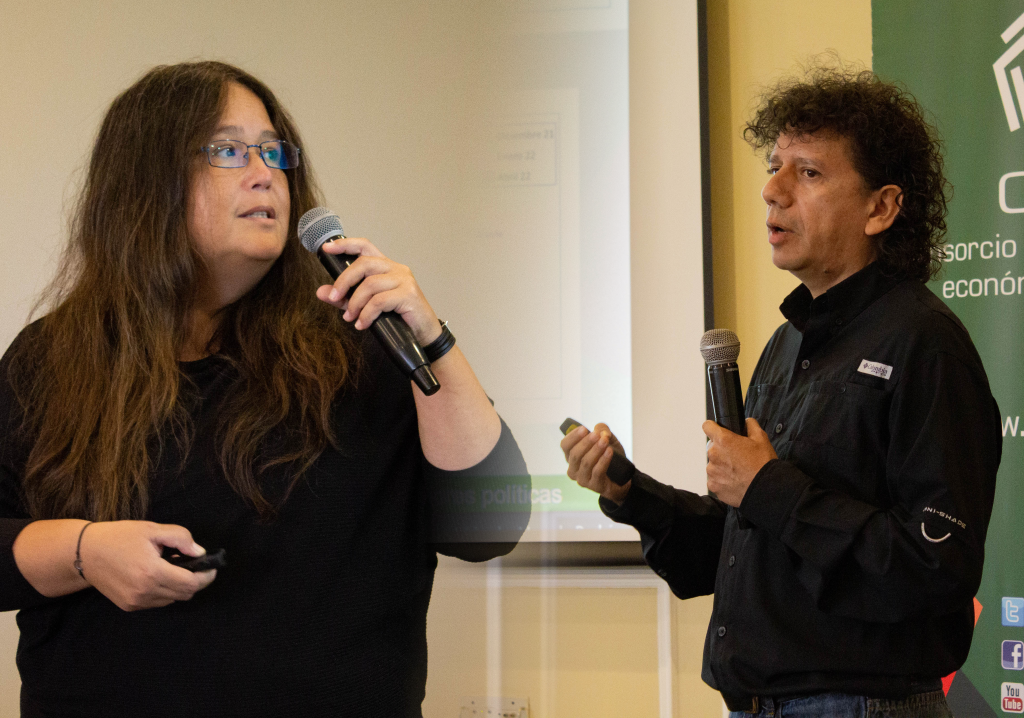
This research was presented by José Perez, a herpetologist, ecologist, and biozoologist researcher at the National University of San Marcos; and Katya Balta, an ornithologist and ecologist, and principal investigator at the Biodiversity Studies Laboratory of the Cayetano Heredia Peruvian University. The study focused on the bird and reptile communities of the Grande and Ica river valleys in the San Fernando National Reserve, highlighting the importance of biological monitoring for biodiversity conservation and management, and how appropriate biological indicators are essential for assessing environmental quality.
The research concludes that birds and reptiles are excellent indicators of environmental quality and, therefore, suitable for biological monitoring; furthermore, the San Fernando National Reserve (RNSF) is an important area for migratory birds. Regarding reptiles, the presence of the lizard Ctenoblepharys adspersa and geckos similar to Phyllodactylus sp., which could be a new species, has been reported. For this reason, a Bird and Reptile Monitoring Protocol for the San Fernando National Reserve has been developed to provide methodological guidance to reserve staff members. The protocol also recommends the use of recording equipment and a minimum sampling effort per location, which should be maintained throughout the assessments.
«"Guidelines for sustainable tourism on Guañape Norte Island"»
In this research, Cinthia Irigoin, an expert in research projects with seabirds from the National University of San Marcos, presented the study, with the objective of evaluating the possible effects of boat tourism activity on Humboldt penguins and South American sea lions in the National Reserve System of Islands, Islets and Guano Points.

Forty-six tests were conducted for Humboldt penguins and forty-one for South American sea lions. It was found that the approach distance is the only variable influencing the species' behavior, while sound intensity and the number of tourists on board had no significant effect. Based on these results, it is recommended to increase the established distance for Humboldt penguin observation and consider a designated area. buffer that guarantees compliance with the distances despite the movement of the sea.
«"Determination of the distribution, biomass and ecological importance of the Aracanto Palo (Lessonia Trabeculata) in the San Fernando National Reserve"»
Finally, Bruno Cevallos, a marine biologist from the Universidad Científica del Sur, presented this research, which aimed to locate this species of algae crucial for the feeding and fishing of marine species, through underwater and surface explorations in the RNSF.
The results revealed that the northern region is a potential site for the cultivation and proliferation of the seaweed. However, Peru does not have an optimal quantity of the seaweed compared to Chile, which jeopardizes its sustainability. It was recommended that a policy for the sustainable use of the seaweed be implemented, as well as that the impact of the El Niño phenomenon on its ecosystem be evaluated semi-annually and annually. Furthermore, the cultivation of the seaweed through transplants should be promoted, artisanal fishing should be regulated, illegal fishing that damages the ecosystem should be penalized, and mining activity that pollutes the area should be prevented. The study concludes that the sustainability of the marine landscape depends on the protection and responsible use of the Aracanto Palo seaweed.
You can review the research results here.
ABOUT THE PAN III PROJECT
The Natural Areas Program III – Marine Coastal Biodiversity Conservation, known as PAN III, seeks to contribute to the promotion of the effective management of protected natural areas in the marine-coastal environment, in the Illescas National Reserve, the San Fernando National Reserve and the National Reserve System of Islands, Islets and Guano Points.
This initiative is implemented by the National Service of Natural Protected Areas – SERNANP, with funding from German Cooperation, through the German Cooperation KfW and with the administration of Profonanpe, the environmental fund of Peru.