
The Institute for Development and Environment (IDMA, Apurímac), with funding from the Conserva Aves Initiative, has been consolidating important milestones in the protection of water ecosystems and high Andean biodiversity in the Mariño micro-basin, as part of the project “Protection of ecosystems for the survival of threatened wild birds in the headwaters of the Mariño micro-basin: Proposal for the creation of the Rontoccocha RCA.”
During 2025, the project has made significant progress in land defense, scientific monitoring, and environmental awareness, strengthening local and regional governance around the future Rontoccocha Regional Conservation Area (RCA), which seeks to protect more than 42,000 hectares of ecosystems strategic for water and biodiversity in Apurímac.
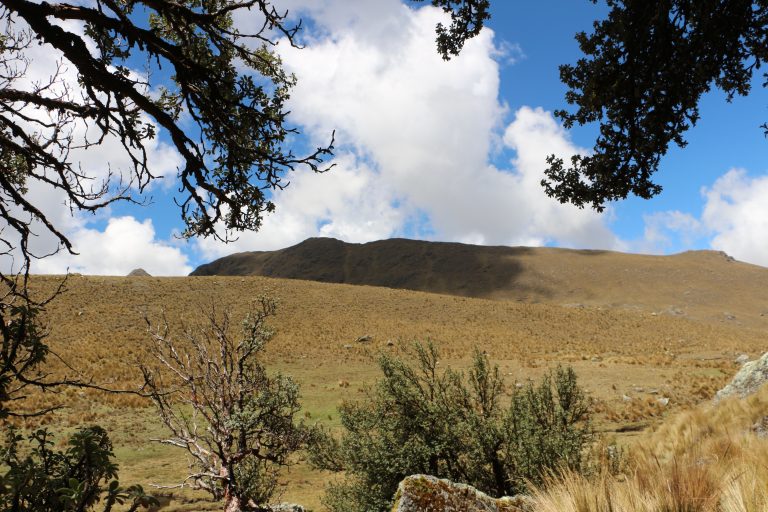
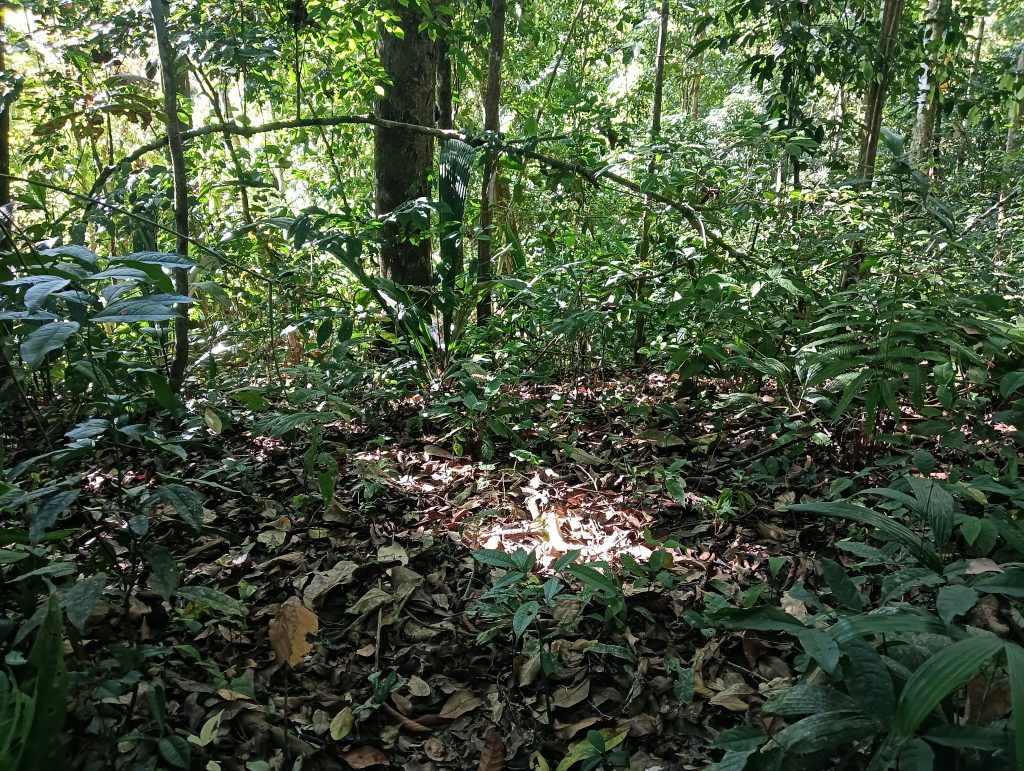
Queuña forest and grasslands in the proposed Rontoccocha Regional Conservation Area © AVargas
Water protection and institutional coordination
At the beginning of the year, the technical team of the Apurímac Regional Government identified more than 32 mining petitions within the scope of the RCA Rontoccocha proposal, which caused concern among local communities and the institutions involved.
In response to this, and thanks to the coordination of different consultation forums, the direct involvement of the regional vice-governor of Apurímac, Marisol Valer Miranda, was secured. She led the formation of the Multisectoral Commission for the Defense of Water Resources in the Apurímac Region through regional executive resolution No. 156-2025-GORE.APURIMAC/GR. This commission, whose main objective is the integrated and sustainable management of water resources, is chaired by the Vice Governor and has a Technical Secretariat run by the Regional Office for Natural Resources and Environmental Management (GRRNGMA) and IDMA Apurímac. It has been coordinating actions between different sectors to ensure the efficient and equitable use of water, as well as its conservation and protection.
This multisectoral working group has been holding technical meetings and roundtable discussions to analyze procedural aspects related to mining petitions and concessions that overlap with the territory of the proposed Rontoccocha RCA. Strategic advocacy actions have also been carried out with national entities such as the Ministry of Energy and Mines, the Geological, Mining and Metallurgical Institute (INGEMMET), the Ministry of the Environment, the National Service of Natural Areas Protected by the State (SERNANP), and the National Water Authority (ANA), with the aim of exposing the challenges and risks involved in establishing this conservation area, which is essential for the protection of the high Andean ecosystems that guarantee water and life in the Mariño basin.
As a result of this coordination and advocacy process, the Regional Government of Apurímac has formally requested the suspension of the processing of mining petitions before INGEMMET. In response to this request, INGEMMET has requested updated information from SERNANP on the status of the process of recognition of the Rontoccocha RCA proposal, within the framework of its established competencies.
“This achievement represents a historic step for land management in Apurímac. The defense of water unites communities, institutions, and young people under a common cause: protecting the life and future of the region,” said Yerssey Caballero Palomino, Director of the IDMA Apurímac Program.
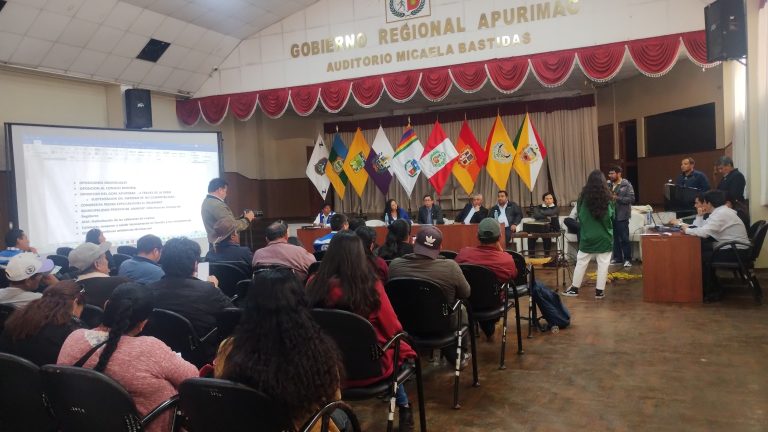
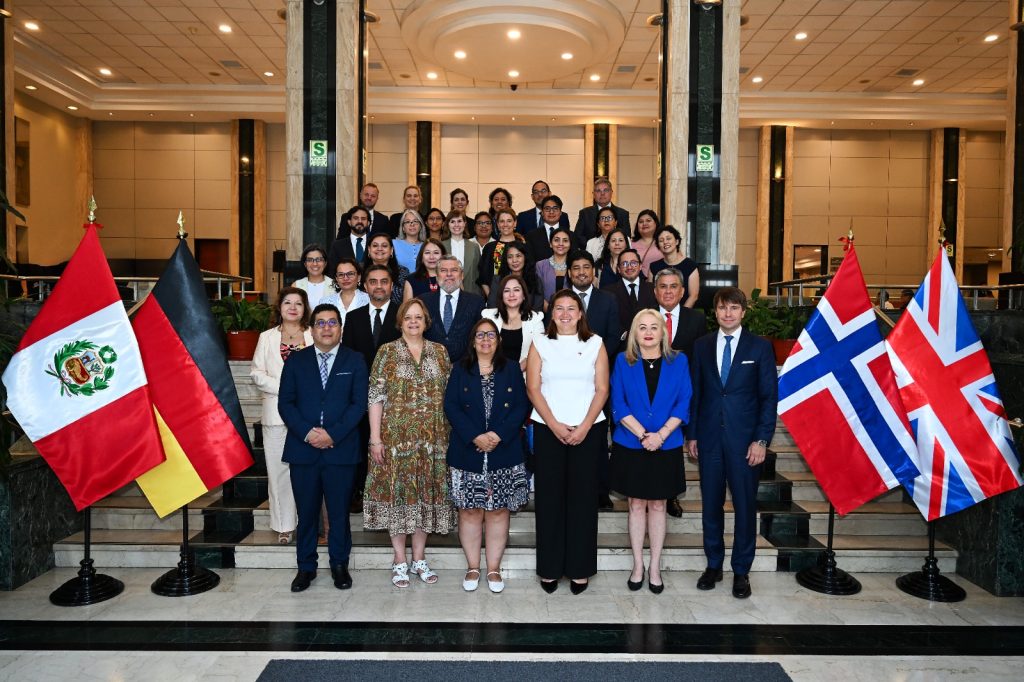
Formation of the Multisectoral Commission for the Defense of Water Resources in the Apurímac Region © IDMA
Scientific monitoring and conservation of endangered birds
In June 2025, the annual bird census was conducted within the scope of the Rontoccocha RCA proposal, recording the presence of four key conservation species:
- Royal Churrete (Cinclodes aricomae)
- Ash-breasted Torito (Anairetes alpinus)
- White-browed Tit (Leptasthenura xenothorax)
- Andean Condor (Vultur gryphus)
The study, conducted by biologist Jaime Valenzuela, identified more than 60 bird species in the remnant queñua forests (Polylepis spp.), reaffirming the high ecological value of the area.
One of the most significant findings was the recording of a family group of Churrete Real (Cinclodes aricomae), a critically endangered species with fewer than 300 individuals worldwide, making Rontoccocha a priority site for its conservation (Valenzuela, 2025).
“The occurrence of the four key bird species in the Polylepis forests of the Rontoccocha sector confirms that these ecosystems are a high priority for conservation, due to their role as natural refuges for threatened biodiversity and the services they provide for the benefit of local populations,” explained specialist Jaime Valenzuela Tujillo.
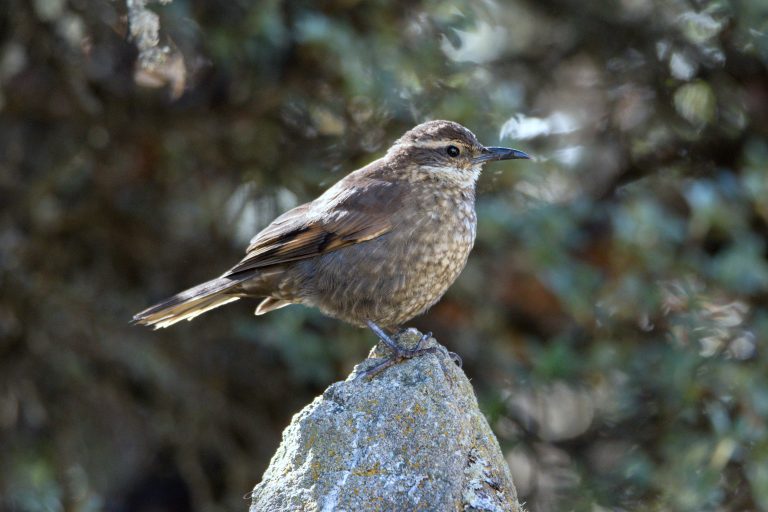
Royal Churrete (Cinclodes aricomae) © JValenzuela
Environmental education and youth leadership
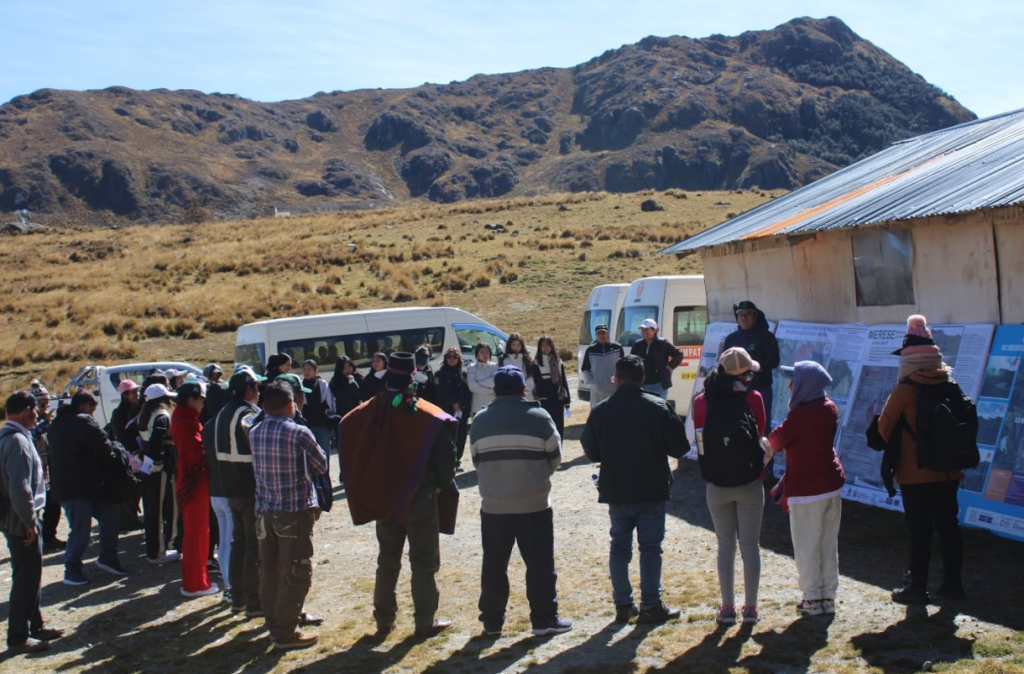
The educational component of the project continues to promote guided visits with more than five educational institutions in Abancay to the Rontoccocha RCA proposal.
These workshops were developed in coordination with the Municipal Water Supply and Sewerage Company (EMUSAP Abancay) and ECOENERGIA, allowing students and teachers to learn about high Andean ecosystems, lagoons, wetlands, and queñua forests, and understand their role in water regulation. At the same time, the Community Environmental Promoters Training Program continues to strengthen the capacities of young people and local leaders in areas such as conservation area management, biodiversity monitoring, and sustainable enterprises compatible with land protection.
“Educational visits strengthen environmental awareness through experience. When students observe how water is born in Rontoccocha, they understand the importance of conserving the ecosystems that make it possible. This knowledge transforms into civic engagement,” said Naysha Kari Damián, a specialist with EMUSAP Abancay’s Health Education program.
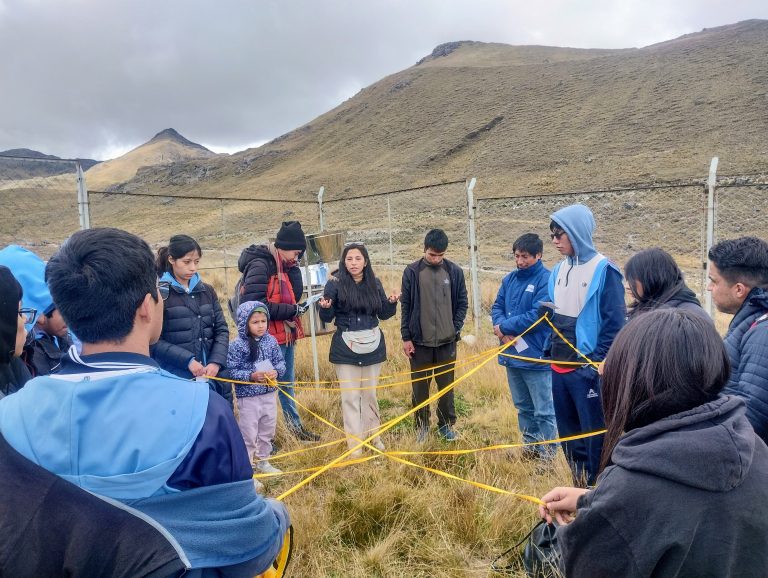
Guided tour of the Pedro Kalbermatter Adventist School – Abancay © IDMA
Projection and sustainability
With these advances, the process of creating the Rontoccocha Regional Conservation Area is moving into its third technical stage before SERNANP, under the leadership of the Regional Government of Apurímac and with the support of EMUSAP, ECOENERGIA, the Mariño Good Governance Platform, and rural communities.
The project thus reaffirms the commitment of local and regional actors to the defense of water, biodiversity, and sustainable development in Apurímac.