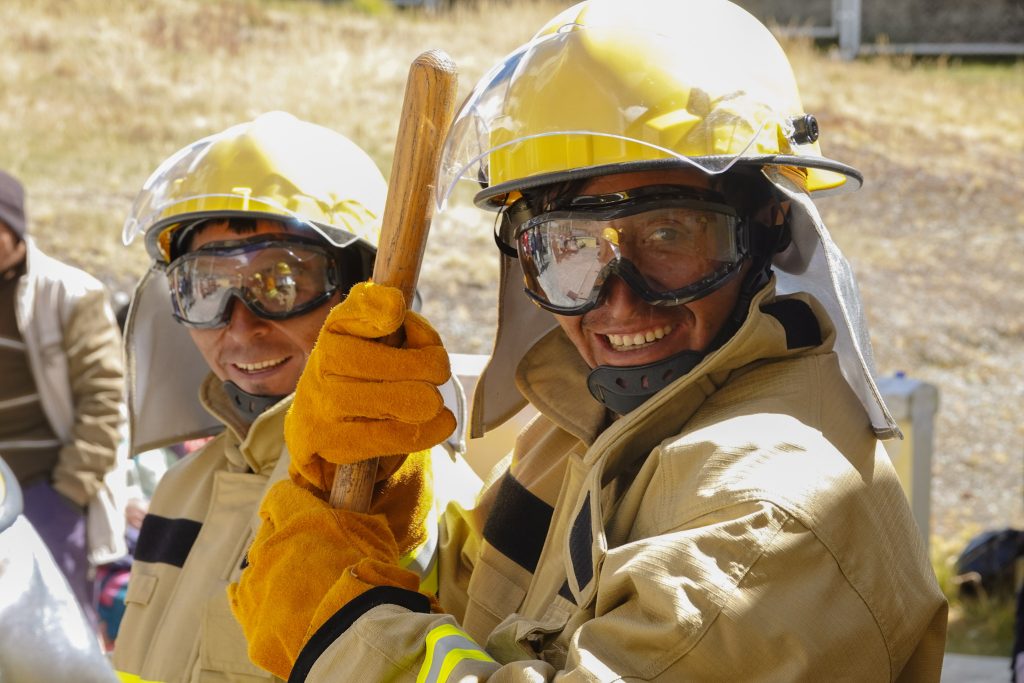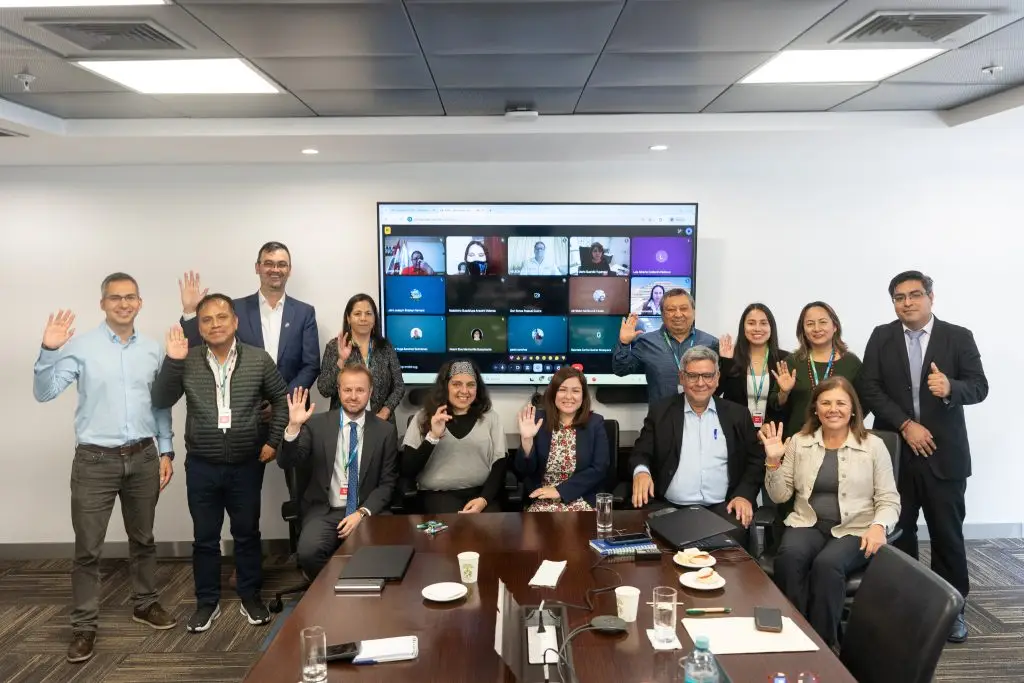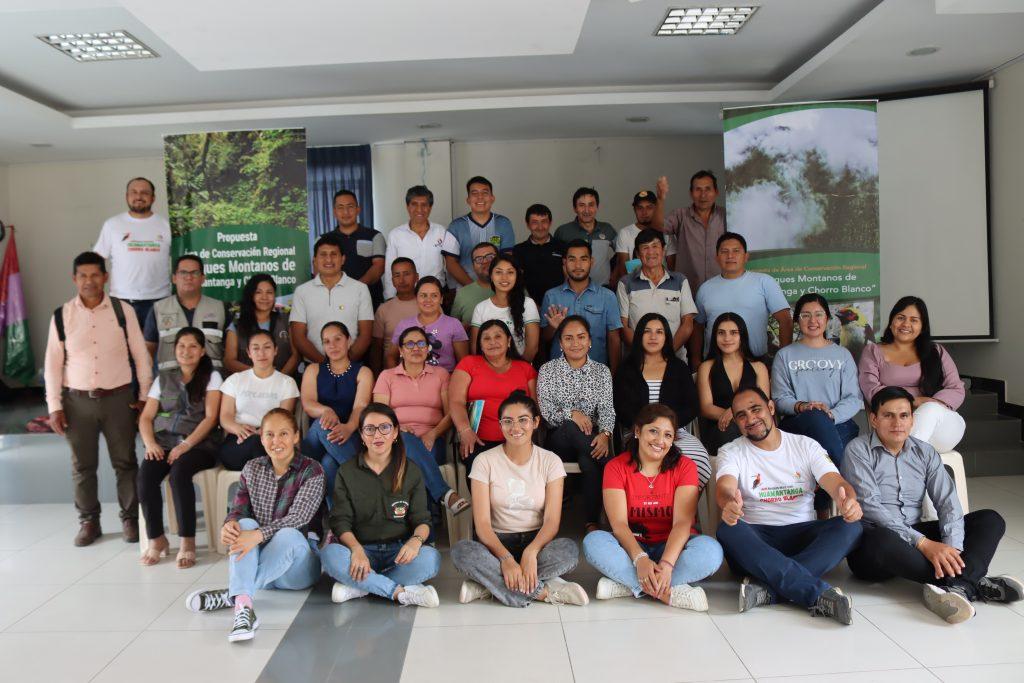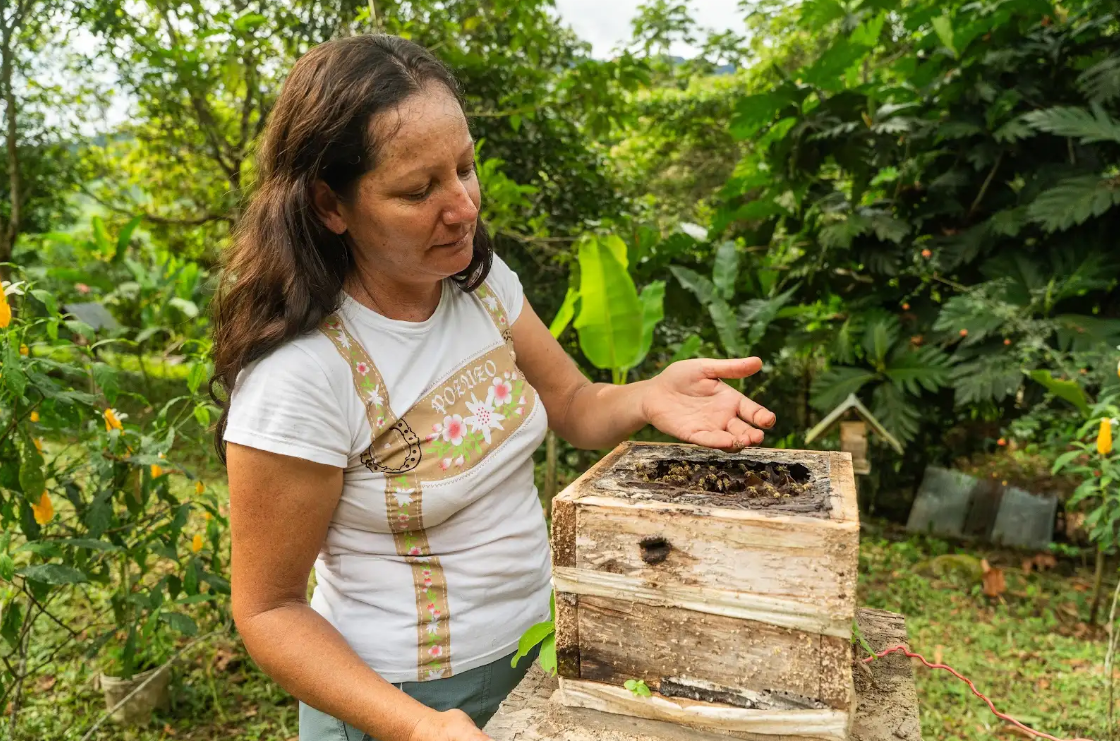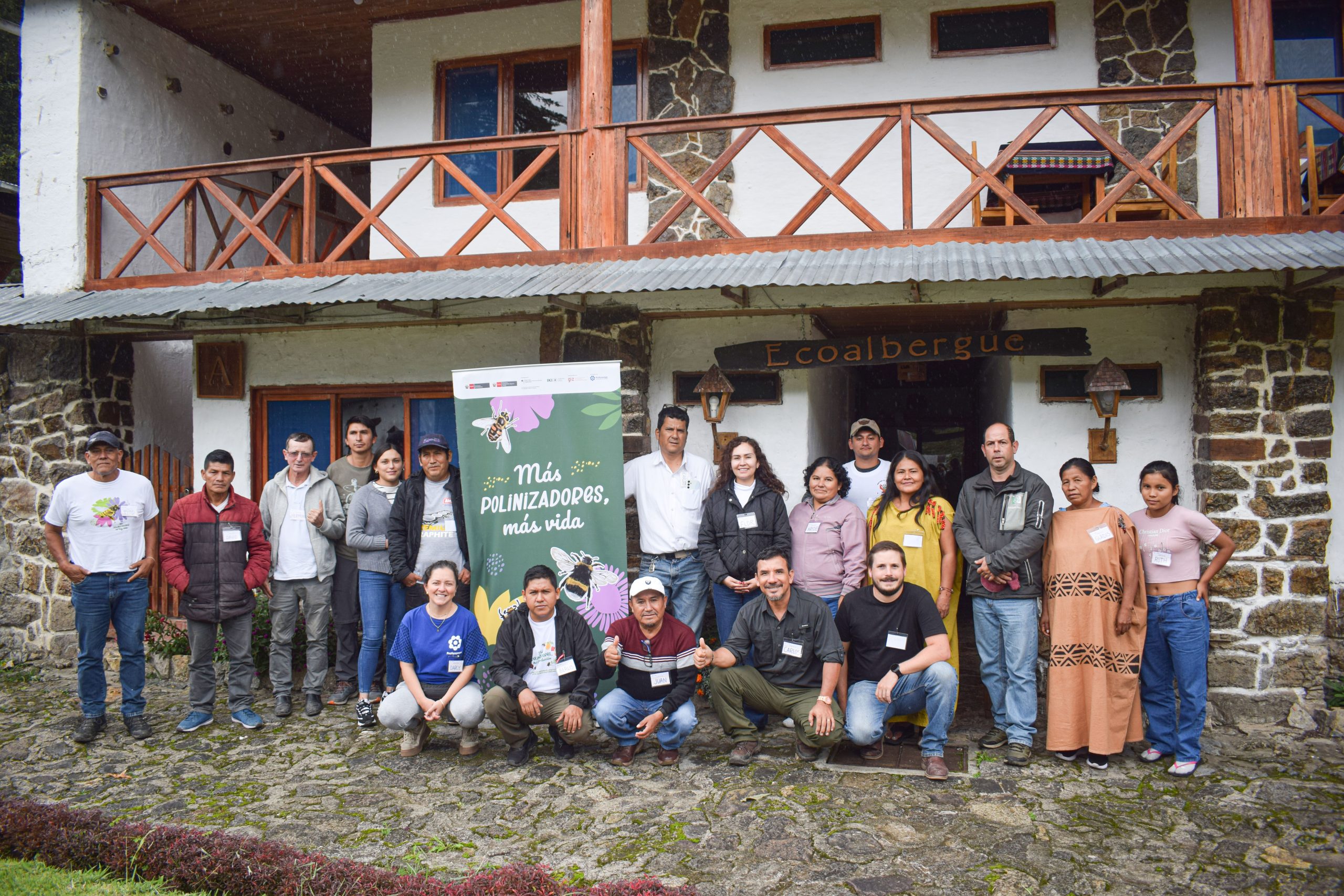

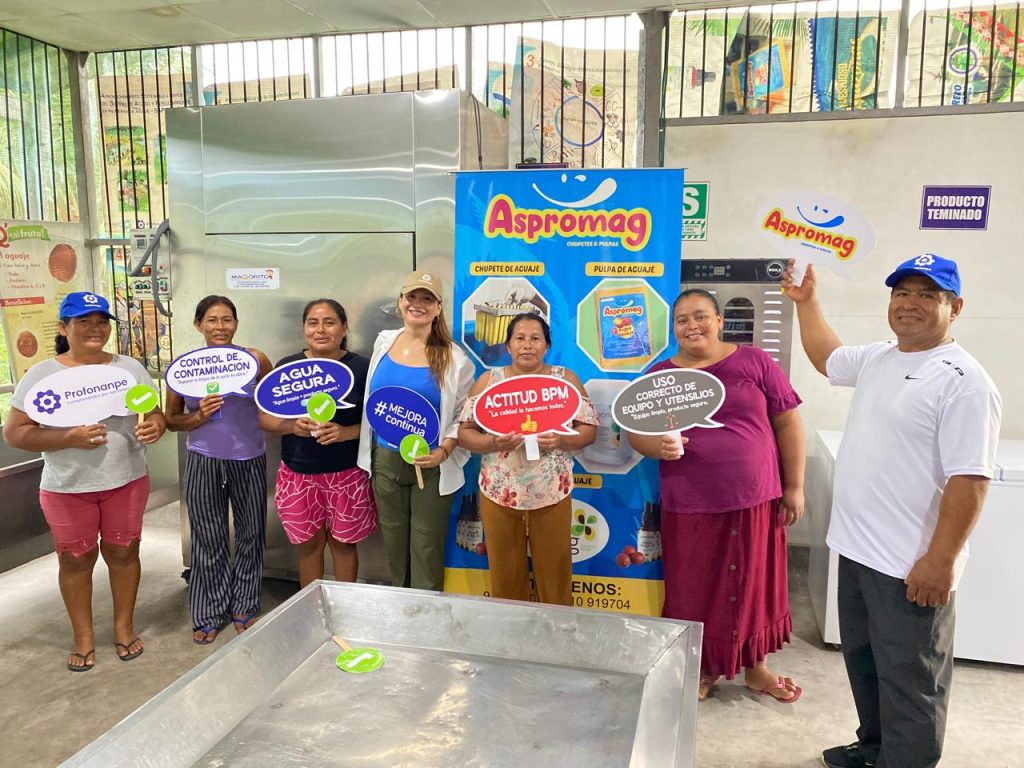
These associations, made up of 18 indigenous communities, produce natural products such as oils, dehydrated pulps, aguaje and ungurahui popsicles, cocoa paste and nibs, which are marketed nationally. To promote new markets and the consolidation of sustainable bioeconomy models, Profonanpe, Peru’s environmental fund, is promoting these training courses, which will enable them to improve their processes from collection to processing and marketing.
“This process marks a fundamental step towards the professionalization and scaling up of our Amazonian bio-businesses. We are committed to quality standards that ensure safe, competitive, and high value-added products,” said Patricia Balbuena, Director of the Amazonian Bio-Business Incubation Program.
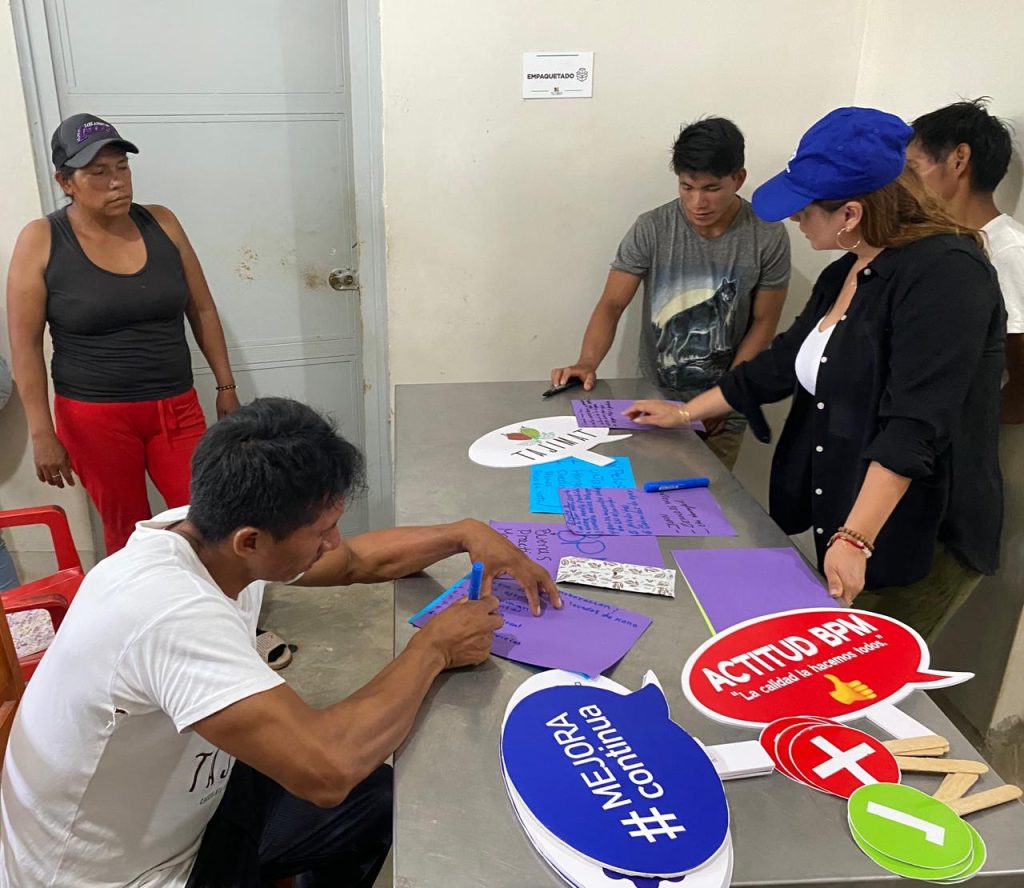
Photo: Profonanpe
The training includes water control, hygienic management, quality control, organization and sanitation of production plants, traceability, and skills development. The goal is for producer associations to have standardized tools and procedures that enable them to obtain GMP certification in order to facilitate access to new markets and increase the value of their products, among other benefits.
These training courses are developed using a participatory and intercultural approach, integrating technical knowledge and local production practices. With this initiative, Profonanpe reaffirms its commitment to sustainable development, economic inclusion, and the revaluation of Amazonian potential through responsible and competitive value chains.