Imagine a Sunday lunch with the family. The kitchen is bustling, but they were lucky enough to buy a hake and a sole, enough for ceviche and a fish stew. The landlord had set aside some bright red chili peppers and plump lemons, and with the seasonal lucumas, they made a tiramisu. They drizzled it with Amazonian cacao powder. The label says it comes from the Amazonas department. Everyone raves about the sweet ending to the lunch. We don't see it, but those inputs (fish, cocoa, chili peppers, etc.) come from a traceability chain that we don't fully perceive. And often, all those resources can be obtained or are made possible thanks to the services generated by the efficient management of a protected natural area. But what exactly is a protected natural area, some might ask?
Machu Picchu, Huascarán, Manu, and Paracas are places that surprise visitors with their biodiversity, the breathtaking natural beauty they preserve, and the fact that they are, precisely, Protected Natural Areas (PNAs). They are unforgettable and unique destinations. Generally speaking, it is estimated that Peru's natural capital, that which is conserved by the PNAs, contributes 131 million pounds to the country's total wealth, more than double the world average and more than five times the average of high-income countries..
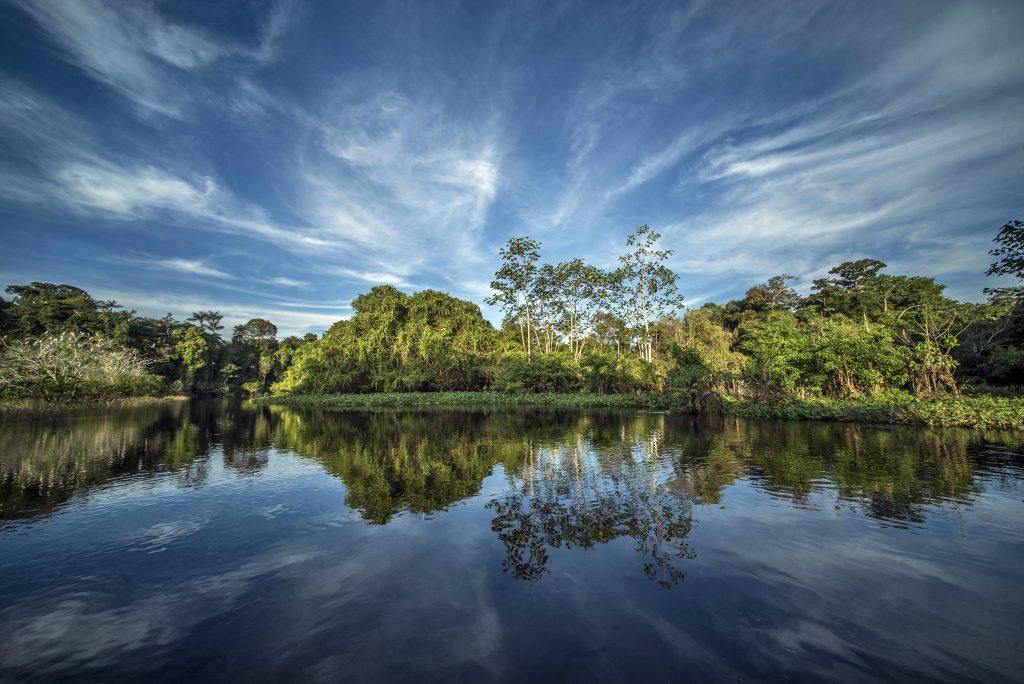
Tambopata. Photo: Walter H. Wust
Furthermore, they are not completely isolated places; nearly 90,000 people live inside the protected natural areas and more than 750,000 live in their surrounding areas.. Part of this population belongs to Amazonian indigenous peoples, some living in isolation or initial contact in protected natural areas of Junín, Cusco, Madre de Dios, Ucayali, and Loreto. It is estimated that, Approximately three million hectares of indigenous peoples' territories are located within the protected natural areas (ANP).. It is precisely because of this coexistence between people and ecosystems that projects with a sustainable development approach are promoted, but above all, projects that respect the richness and importance of these protected areas. Without the commitment of these communities, safeguarding these natural treasures would not be possible.
However, despite their evident value, these ecosystems are vulnerable due to road construction, illegal mining and logging, the granting of rights to extractive industries that cause deforestation, the introduction of invasive alien species, new diseases that jump from wildlife to humans and vice versa, and the negative impacts of climate change. These threats impose high costs for the proper management of these areas; therefore, the challenge of creating the conditions, capacities, and institutions necessary to maintain them and conserve the services from which all Peruvians and the rest of the world benefit is a sustainability challenge.
In response to this need for environmental protection, Natural Heritage of Peru was born, a key initiative which works with an approach brought from the financial world called PFP (for Project Finance for Permanence) to the world of nature conservation, where A common problem for the conservation community is addressed: the limited or insufficient funding allocated to the management of conservation areas.. Therefore, the aim is to replace the short-term approach to projects with long-term, collaborative planning involving all stakeholders. The PFP is a holistic approach that integrates ecological, social, financial, and organizational goals for long-term conservation into a single, unified agreement, rather than a piecemeal approach.
This May 24, 2022, we celebrate the third anniversary of the launch of the implementation of Peru's Natural Heritage (PdP) in its first phase for Amazonian protected natural areas. And one of our greatest lessons learned is that Sustainability is not an easy solution, but a process that takes time and requires that all voices be heard and involved.
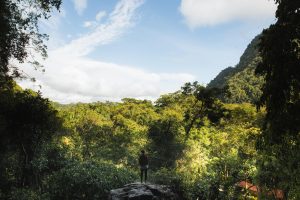
Tingo María Natural Heritage. Photo: Peter Rosales
However, now more than ever, we need to recognize that protecting and strengthening the management of our Natural Areas is the best investment for our present and our future. Our children deserve it, and our daily lives require it.
From Profonanpe and Sernanp, we reaffirm our purpose of promoting the sustainability of life by connecting humanity with the environment, promoting and supporting the Natural Heritage of Peru initiative.