Through the GEF-Agrobiodiversity SIPAM II project – implemented by Profonanpe, the Ministry of Agrarian Development and Irrigation, the Ministry of the Environment and the Food and Agriculture Organization of the United Nations (FAO) with funding from the Global Environment Facility (GEF) – the Ministry of the Environment trained thirty-one professionals, including officials from the sectors involved and representatives of the regional governments of Cusco, Apurímac, Huancavelica, Arequipa and Puno, on topics related to the conservation and use of genetic resources in the southern highlands of Peru.
Regarding the importance of conserving genetic resources to help raise awareness and, above all, find solutions to address the consequences of climate change, the Director of Biological Diversity at the Ministry of the Environment (Minam) stated that one of the biggest challenges Important and complex issues are related to health and the environment. He commented: “These urgent problems require integrated efforts from multidisciplinary teams committed to protecting biodiversity.”.
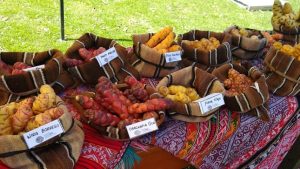
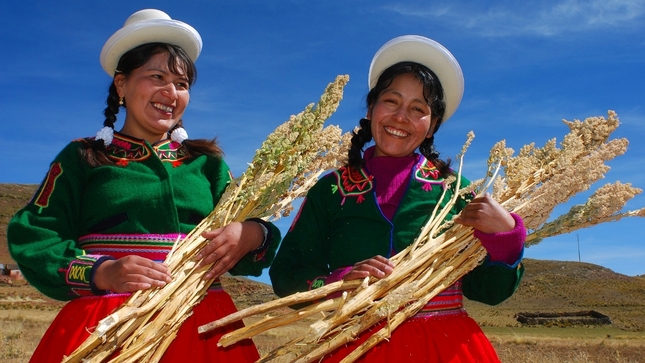
The project GEF Agrobiodiversity SIPAM II seeks to conserve agrobiodiversity through traditional farming systems and the maintenance of ecosystem services. Within this framework, activities were carried out that promote the development of traditional Andean agriculture - considered the most important in the region, from a social and cultural identity point of view - and the genetic heritage that it manages and conserves.
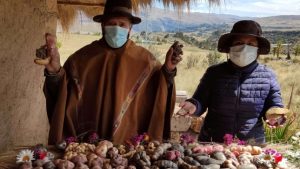
Among the topics covered during the training was the initiative to create agrobiodiversity zones, promoted by Midagri, which encourages the recognition and application of diverse experiences in rural development, such as: the potato park, the Cuyo Cuyo terraces and Sierra Productiva; as well as the Puno-Cusco Corridor, Marenass, Sierra Sur and Sipam II projects.
Source: Minam