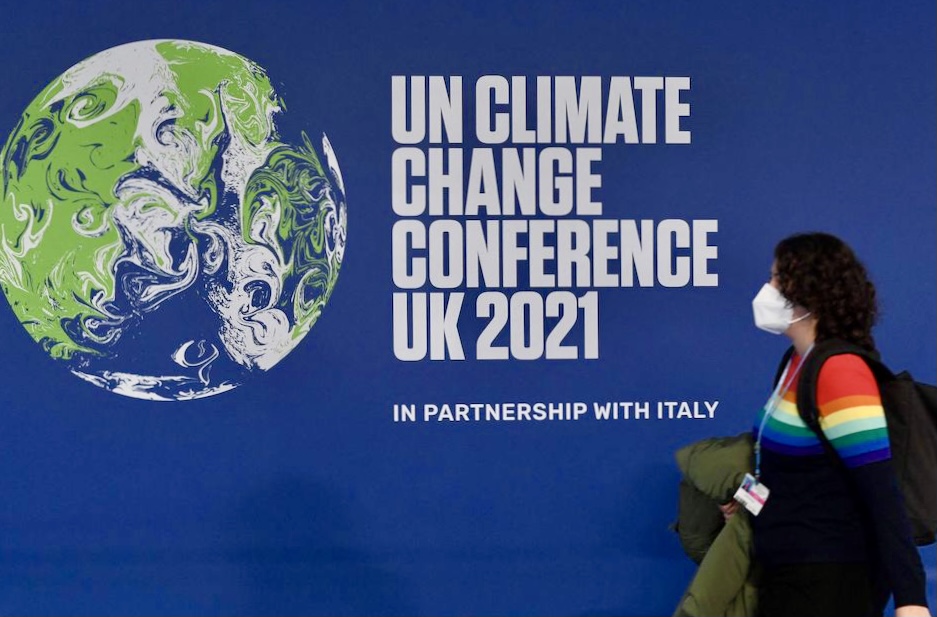
The acronym COP in English refers to the Conference of the Parties. That is, the annual meeting of the nearly 200 countries that are part of the United Nations Framework Convention on Climate Change. The convention, inaugurated in 1992, established that greenhouse gases emitted by humans in their daily activities are contributing to climate change. The convention also stipulated that signatories must reduce these emissions.
To implement this treaty, the COPs are held, with the participation of delegates and ministers from nearly 200 countries worldwide. The first COP was held in Berlin in 1995, and the most recent COP, in 2019, was in Madrid, due to the postponement of the 2020 COP following the pandemic.
Agreements and commitments
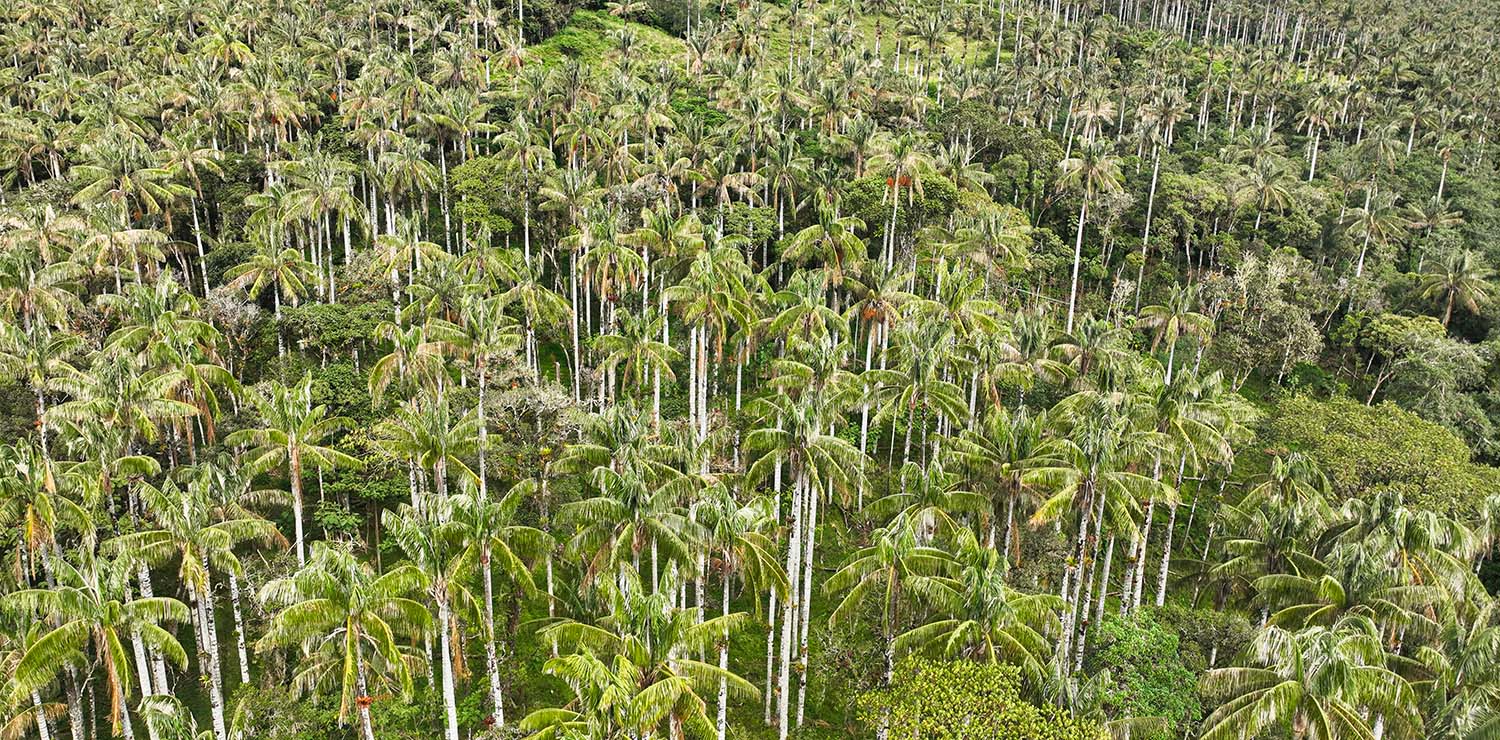
One of the most talked-about agreements at this climate summit was the “Glasgow Declaration on Forests and Land Use”, in which more than 100 global leaders pledged to end deforestation by 2030.
The countries that have signed this agreement include Canada, Brazil, Russia, Colombia, Chile, the United States and the Democratic Republic of Congo, which represent about 861 TP3 TT of the world's forests.
Peru is also among these countries. Thus, through his Twitter account, The Presidency of the Republic wrote: “We are committed to the conservation of our forests! Peru signs declaration at COP26 to stop deforestation”; in this way, our country's commitment to the conservation and sustainable use of our Amazon rainforest is upheld, in the context of climate change and the fight against deforestation.
Let us remember that the importance of this agreement signed in Glasgow lies in the fact that forests can help absorb the necessary amounts of CO2 to slow climate change.
The agreed-upon aid money will be given to developing countries to restore lands affected by deforestation, end forest fires, and support indigenous communities that protect these territories.
On the other hand, the governments of 28 nations also They pledged to end deforestation for the production of food for export. -like meat- or other agricultural products like palm oil or soy.
Likewise, sA fund will be created to protect the world's second largest tropical forest: the Congo Basin.
About methane, the powerful greenhouse gas
In addition, 103 countries, led by the United States and the European Union, They pledged to reduce methane gas emissions by 301,000 tons by 2030., he powerful greenhouse gas which is, along with carbon dioxide, one of the elements that have the greatest effect on global warming.
Regarding this, US President Joe Biden said it could be "revolutionary"; meanwhile, European Commission President Ursula von der Leyen noted that reducing methane emissions "is one of the most effective things we can do" to prevent a 1.5°C increase in global average temperatures.
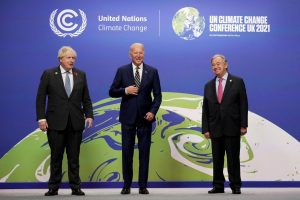
Credit: UN
It is worth noting that, according to the latest IPCC report According to the international panel of experts tasked with establishing the scientific basis for climate change, methane is responsible for 251,000% of the global temperature increase recorded on the planet since the pre-industrial era. And its levels have continued to rise over the last two centuries.
The agreement signed at COP26 includes financing that reaches US$1,441,900 million from private and public funds.
Financing to combat deforestation
But it's not just governments that have taken a step forward: More than 30 financial institutions sThey pledged to eliminate agricultural deforestation from their portfolios and increase investments in nature-based solutions by 2025.. They have also expressed their commitment to stop investing in practices that are harmful to the atmosphere from 2025 onwards.
The commitment includes a roadmap whereby the companies involved, including most of the major Western banks, must follow scientific guidelines that will allow them to achieve net-zero emissions by 2050, and commit to achieving intermediate reduction targets of 50% by 2030, and even 25% in the next five years.
This situation involves adjusting their business models, developing credible transition plans, and putting them into practice.
Fossil fuels and clean technology plan
Within the framework of COP26, also at least 20 countries have agreed to end financing for fossil fuel projects abroad. Several countries had already agreed to end financing for coal projects abroad, but this agreement would be the first of its kind to also include oil and gas projects.
Furthermore, it has been acquired a significant commitment to develop a clean energy technology plan that aims to gradually eliminate the use of coal. Thus, the just transition to clean energy and the rapid phase-out of coal has been at the heart of the COP26 Presidency as part of its efforts to minimize temperature increases in accordance with the Paris Agreement.