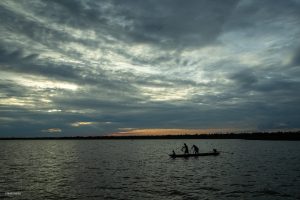
In the communities of San Fernando and Musa Karusha, located in the Datem del Marañón Province, we are welcomed by the leaders of the artisanal fishing associations of the Kandozi ethnic group, These individuals have been working in recent years on bio-business ideas that highlight – once again – the vast hydrobiological resources of Lake Rimachi and the Huitoyacu lagoons. Their story reflects the positive transformation of the community's reality, which is gradually improving its quality of life and conserving the natural resources of the Peruvian Amazon.
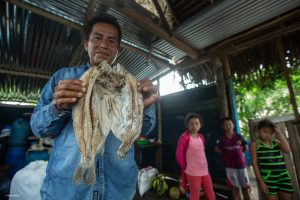
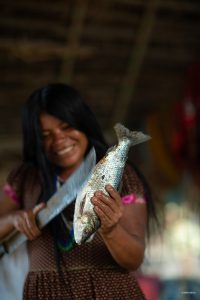
Both communities harvest the fish, which is then gutted and salted by the men and women, before being placed in the sun to dry. Afterward, it is packaged and sold in Tarapoto and the rest of the Amazon. For years, this bio-business, led by the Katinbashi Artisanal Fishermen's Association in Musa Karusha and the Kachizpani Artisanal Fishermen's Association in San Fernando, has been the foundation of their families' livelihoods, and despite the difficulties they have faced, they have managed to strengthen it. One of those difficulties was Maintain the cold chain to keep the fish fresh. To do this, they brought the ice from Yurimaguas, which was not the most functional solution, as it increased production costs.
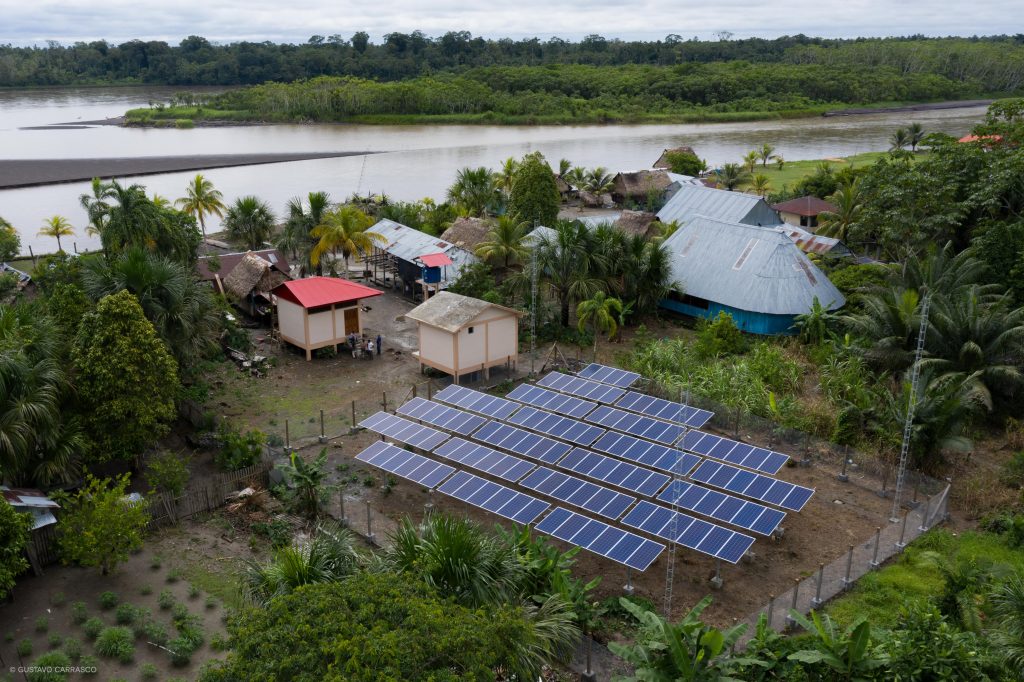
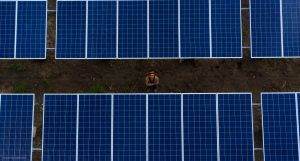
Given this situation, the communities, with the support of Profonanpe, have implemented two ice plants powered by solar energy supplied by 240 photovoltaic panels. These ice plants began operations last week, and there are high expectations for the improvement of the Amazonian fresh fish value chain, its impact on improving the competitiveness of fishing biobusinesses, and their access to the market.
Previously, with support from the Morona Project, an ice storage facility powered by hydrocarbons was built, which emitted large amounts of carbon but was expensive. This new ice production plant, financed by the Korea International Cooperation Agency (KOICA) and the Green Climate Fund, addresses the financial shortcomings and also reduces carbon emissions by using photovoltaic energy. The implementation of the plant was approved in assembly by the communities, their authorities and the partners, with whom an assembly was organized in which it was agreed to hand over an area of 1,000 square meters for the installation of the plant.
The technology used allows the plants to be monitored from anywhere, so an internet connection is also necessary, a service they already have., However, certain improvements are necessary. Connectivity stands out as the next major problem to address in order to guarantee the proper functioning of these ice plants. For now, both communities are very satisfied and have high hopes for the positive results of the plants, a situation that reminds us of the importance of working to improve technical processes through dialogue and the active participation of everyone involved. In this way, strengthening management and cooperative capacities, as well as good fishing practices, and the management and conservation of aquatic resources, is an ongoing strategy for the sustainability of bio-businesses.
The communities of San Fernando and Musha Karusha proudly boast men and women who have transformed their ancestral knowledge and practices into bio-businesses with great potential, and who have successfully adapted to modern production processes and technological advancements. With this ice plant, we can say that we are witnessing a unique sustainable model in the Peruvian Amazon, which today, in the International Amazon Day, We want to highlight the Amazon's importance as home to diverse ecosystems and communities. Sometimes, from a distance, we are unable to see the Amazon's significance, both in what it represents in itself and in its role as the source of livelihood for many people whose faces we don't see, but who are fundamental to ensuring the sustainability of life.