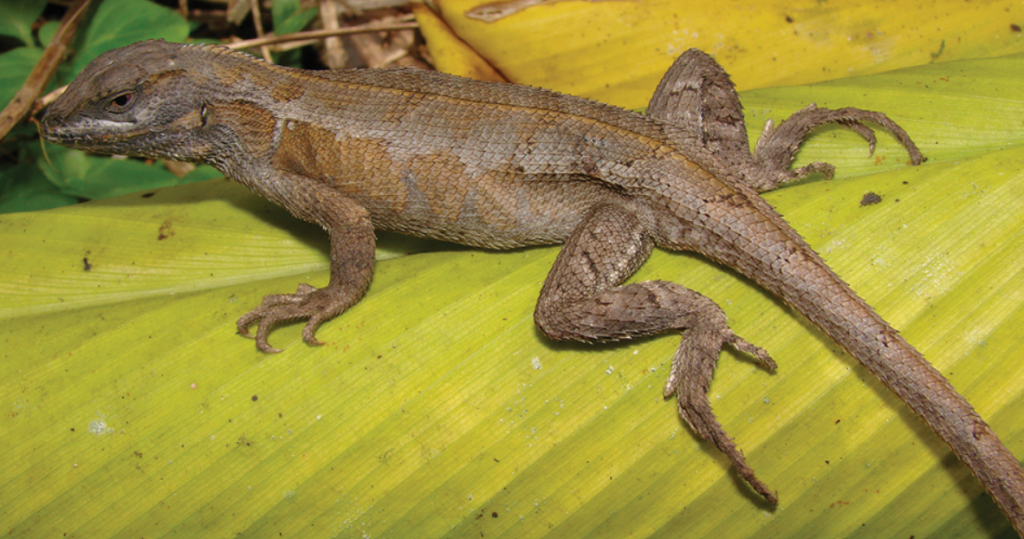
Stenocercus philmayi sp. nov. Photo: Iván Wong
Through the biological survey carried out during the implementation of these two projects, it was possible to determine the diversity of amphibians and reptiles in the Cordillera de Colán National Sanctuary and other protected areas of the Northeast corridor of Peru, highlighting the record of 4 new species of lizard of the genus Stenocercus: Stenocercus catherineae sp. nov., Stenocercus dracopennatus sp. nov., Stenocercus flagracanthus sp. nov. y Stenocercus philmayi sp. nov.
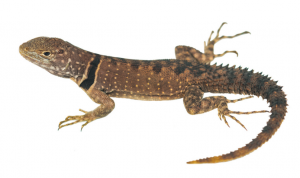
Stenocercus flagracanthus sp. nov. Photo: Germán Chávez
According to Pablo Venegas, principal investigator at CORBIDI, this discovery provides a significant reason to conserve these protected areas. He also emphasizes that much research remains to be done in this region: “We don't fully understand what we are trying to protect. The more we know, the easier it will be to conserve.” Furthermore, he believes that funding for these types of scientific research projects is crucial, as it directly supports the development of a foundation for biodiversity conservation in the Tropical Andes Hotspot, the most biodiverse and threatened region in the world.
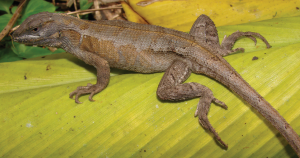
Stenocercus catherineae sp. nov. Photo: Pablo Venegas
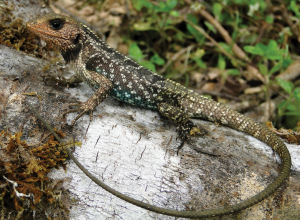
Stenocercus dracopennatus sp. nov. Photo: Pablo Venegas
This important discovery was made possible thanks to the support of Critical Ecosystem Partnership Fund (CEPF) through two projects. The first, called “Treasures to be discovered: Herpetofauna of the Cordillera de Colán National Sanctuary,” was developed in collaboration with the Environmental Fund of Peru (Profonanpe) and the implementing agency CORBIDI. The second, “Promoting research in the prioritized ACBs in Peru of the Tropical Andes Hotspot”, was implemented through APECO.
We invite you to review the full research document here.