To support the Peruvian Government in reducing the vulnerability of coastal communities to the impacts of climate change on marine-coastal ecosystems and their fishery resources.
August 9, 2016
April 17, 2023
US$ 6,950,239
Implementer/Administrator
The Adaptation Fund finances projects and programs that help vulnerable communities in developing countries adapt to climate change. Initiatives are based on the needs and priorities of each country.

The Ministry of Production formulates, designs, executes and supervises the national and sectoral policy for Fisheries, Aquaculture, MSMEs and Industry.

Profonanpe is Peru's environmental fund that provides innovative alternatives for environmental protection and sustainable development.
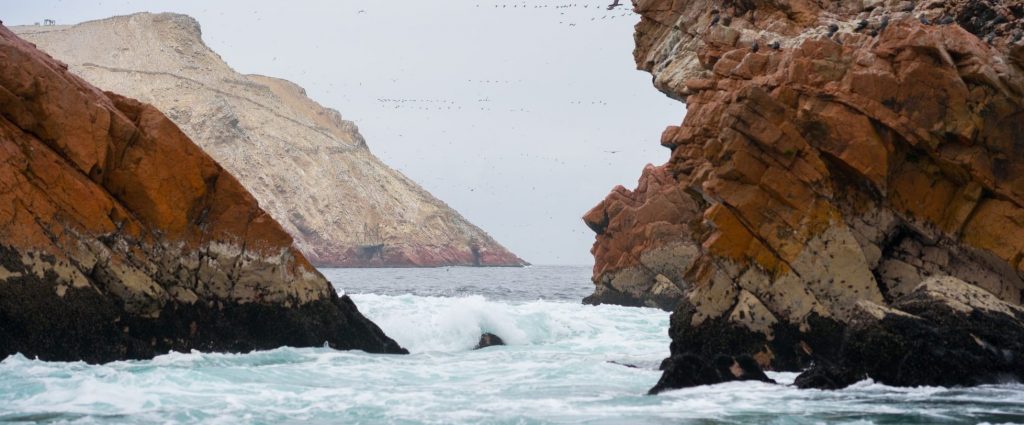
Máncora (from Máncora to Cabo Blanco) and Huacho (from Punta Salinas to Vegueta, including the Don Martin islet).
More than 554 direct beneficiaries.
Three gliders were acquired to automatically monitor the project areas, collecting oceanographic data on parameters such as temperature, salinity, oxygen, and chlorophyll, among others. This data is used to develop vulnerability scenarios and assess the impacts of climate change on marine ecosystems and their fisheries resources. This information is available on the IMARPE website.
A project knowledge management strategy has been developed, which is linked to sectoral promotion in the field of fisheries and aquaculture in the face of climate change, aligned with the NDCs.
Completion of scientific studies and beginning of oceanographic monitoring.
Implementation of the EGC, training for actors involved in ABE.
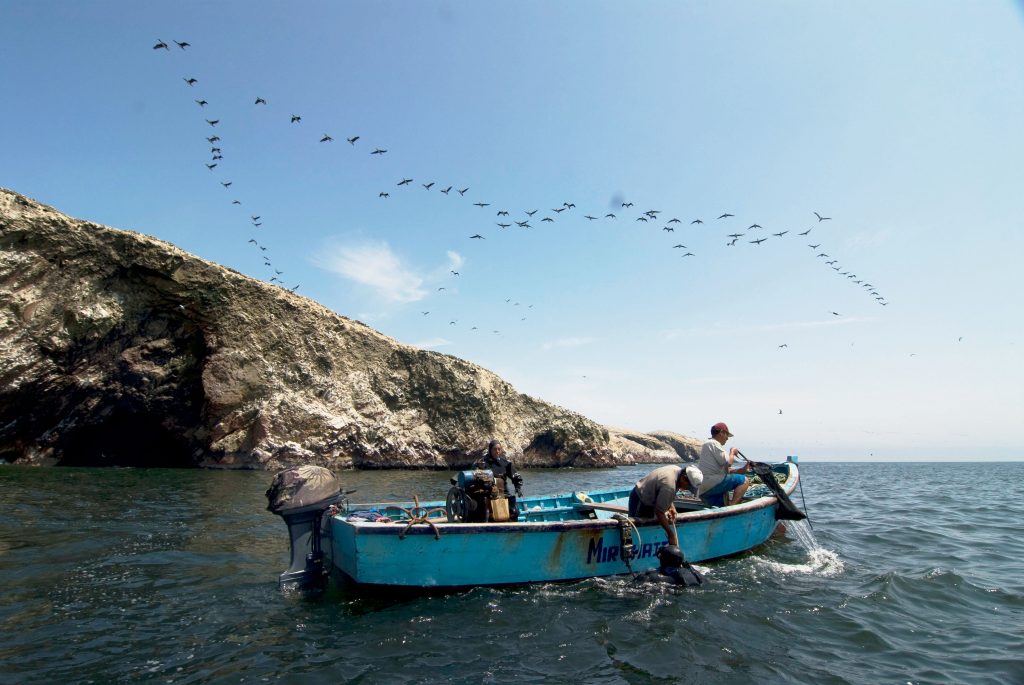
Use of sustainable fishing gear to catch fish of adequate quality and quantity.
Sustainable oyster farming and repopulation of scallops.
10 initiatives for the promotion of sustainable tourism (gastronomic tourism, experiential fishing and marine crafts).
Formalization and sanitary authorization of 22 vessels for artisanal fishing.
Direct involvement of 55 women in associations for aquaponics and for the production of biofertilizers (Conversion of fishing and aquaculture waste into bioproducts).
More than 13,000 liters of biofertilizer have been sold, equivalent to 13 tons of waste that did not end up in the sea.
554 men linked to fishing activity, beneficiaries of the project.
Three gliders were acquired to automatically monitor the project areas, collecting oceanographic data on parameters such as temperature, salinity, oxygen, and chlorophyll, among others. This data is used to develop vulnerability scenarios and assess the impacts of climate change on marine ecosystems and their fisheries resources. This information is available on the IMARPE website.
A project knowledge management strategy has been developed, which is linked to sectoral promotion in the field of fisheries and aquaculture in the face of climate change, aligned with the NDCs.
Completion of scientific studies and beginning of oceanographic monitoring.
Implementation of the EGC, training for actors involved in ABE.
Use of sustainable fishing gear to catch fish of adequate quality and quantity.
Sustainable oyster farming and repopulation of scallops.
10 initiatives for the promotion of sustainable tourism (gastronomic tourism, experiential fishing and marine crafts).
Formalization and sanitary authorization of 22 vessels for artisanal fishing.
Direct involvement of 55 women in associations for aquaponics and for the production of biofertilizers (Conversion of fishing and aquaculture waste into bioproducts).
More than 13,000 liters of biofertilizer have been sold, equivalent to 13 tons of waste that did not end up in the sea.
554 men linked to fishing activity, beneficiaries of the project.
We are transparent. We want to hear from you.
© Copyright 2020 Profonanpe. All rights reserved.
Made withby Profonanpe