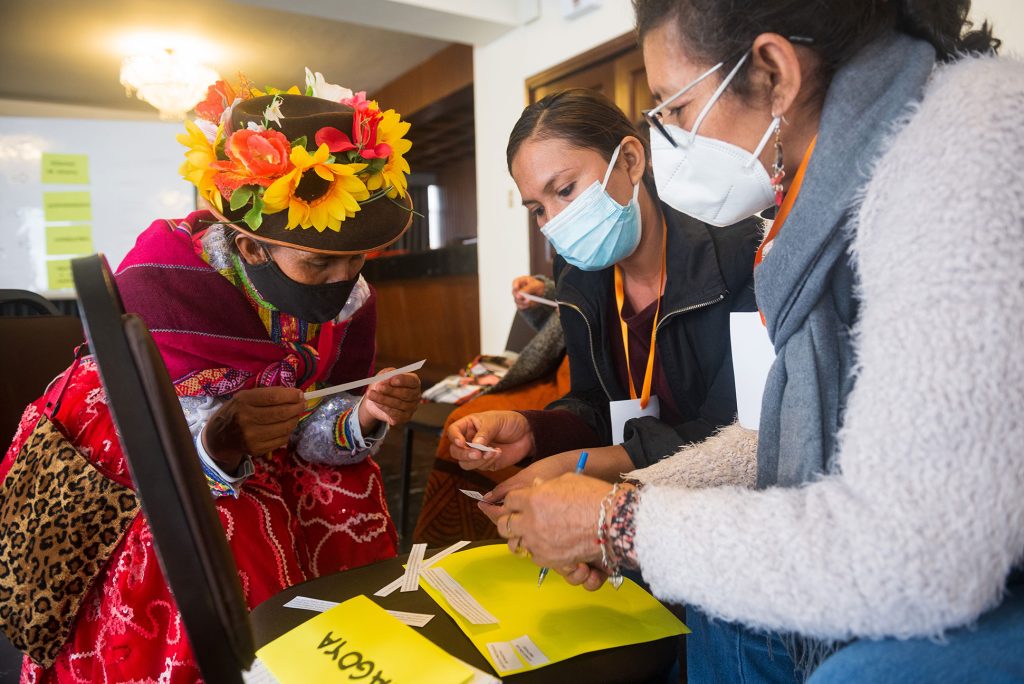
Lima, August 18, 2022. “We are Heritage that builds the future” is the name of the first intercultural training program carried out by the GEF ABS Nagoya project, promoted by the Ministry of the Environment; Profonanpe, the private environmental fund of Peru; UN Environment and the Global Environment Facility – GEF, in alliance with different organizations and representatives of the indigenous and peasant communities of the country.
The program aims to strengthen capacities for valuing and protecting traditional knowledge associated with our biodiversity, in order to promote fair and equitable participation in the benefits derived from the sustainable use of these natural resources. To this end, a methodology focused on recognizing our diversity, interaction, sharing prior knowledge, and collective learning was applied.
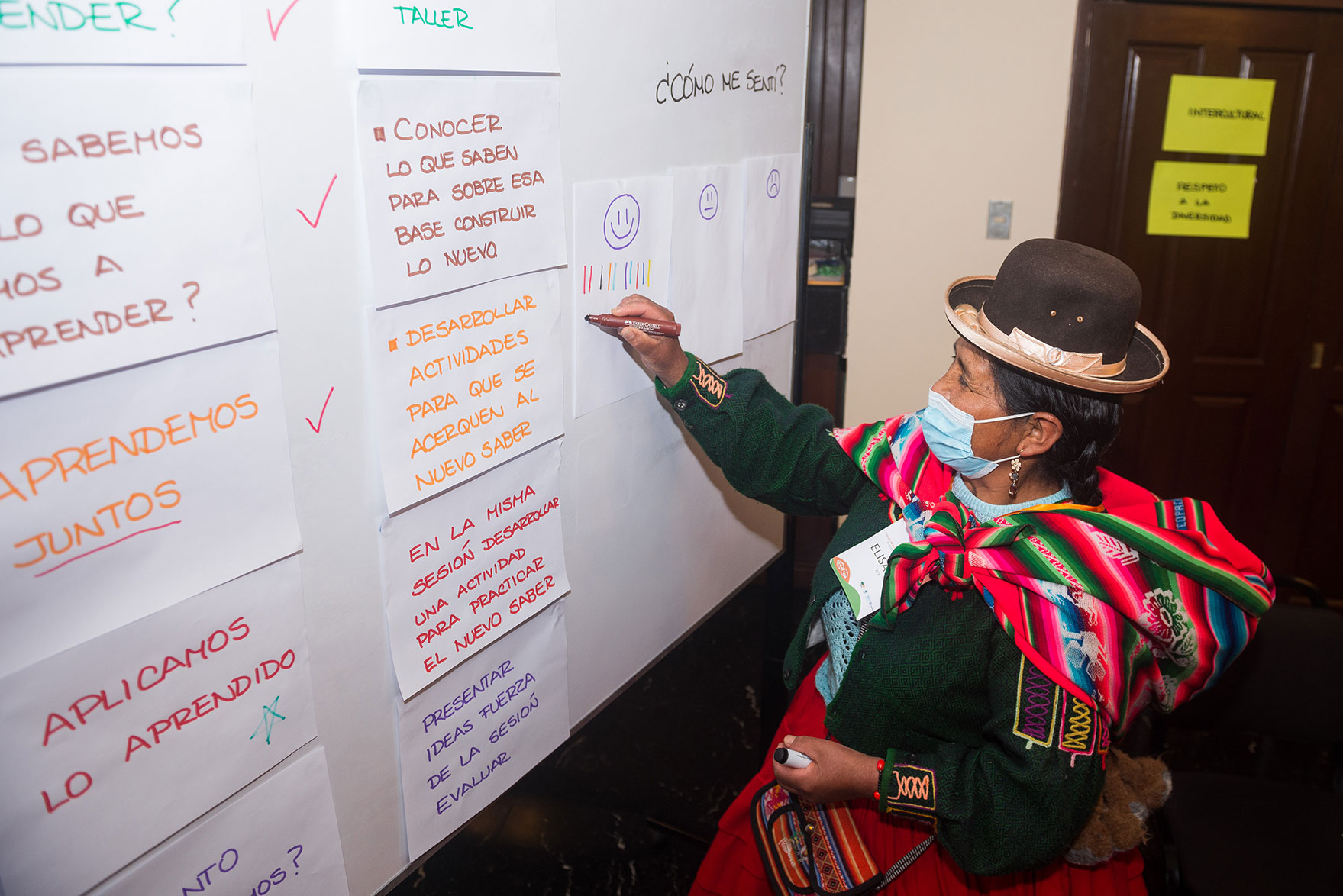
In this regard, Elisabeth Vilca, representative of the Peruvian Peasant Confederation, highlighted that this helps to strengthen capacities and value traditional knowledge associated with biodiversity, as well as generate tools to share that knowledge with other people.
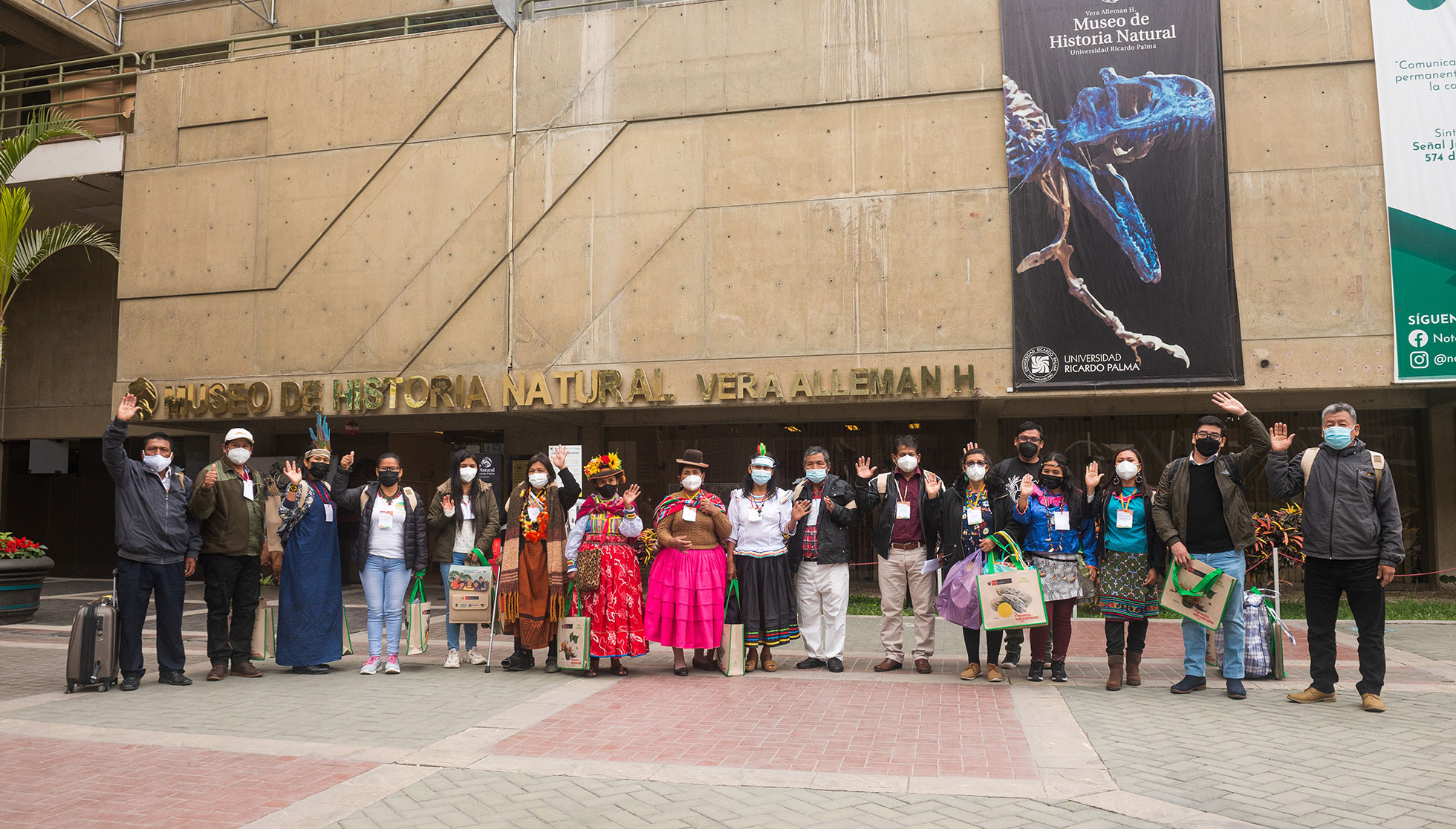
The sessions, which took place from August 11 to 13, included the participation of representatives from the Confederation of Amazonian Nationalities of Peru, the Peasant Confederation of Peru, the National Federation of Peasant, Artisan, Indigenous, Native and Salaried Women of Peru, the National Agrarian Confederation and specialists from the National Service of Natural Areas Protected by the State – SERNANP.
About the GEF-ABS-Nagoya Project
This project, funded by the Global Environment Facility (GEF) and implemented by Ministry of the Environment, Profonanpe y UN Environment, It aims to strengthen national capacities for the effective implementation of access regimes to genetic resources and traditional knowledge in accordance with the Nagoya Protocol and thus contribute to the conservation of biodiversity and the well-being of people in the country.
Regarding the Nagoya Protocol:
The Nagoya Protocol, in force since October 2014, is a supplementary agreement to the Convention on Biological Diversity (CBD) that aims to ensure the fair and equitable sharing of benefits arising from the utilization of genetic resources. It currently has 126 member countries, and Peru has been a party to this Protocol since July 2014.