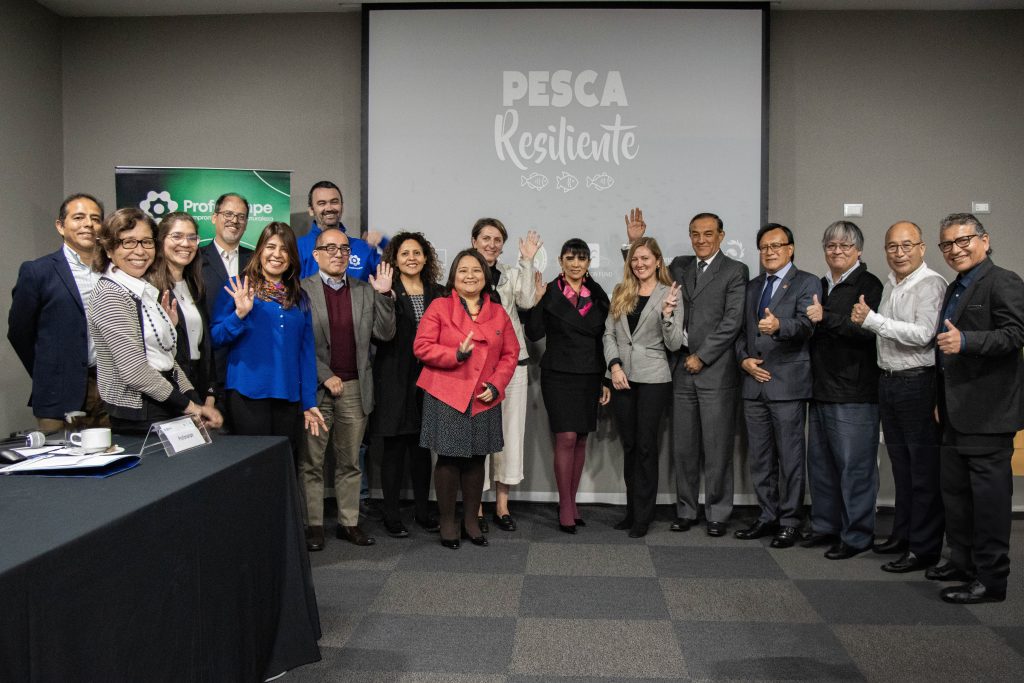
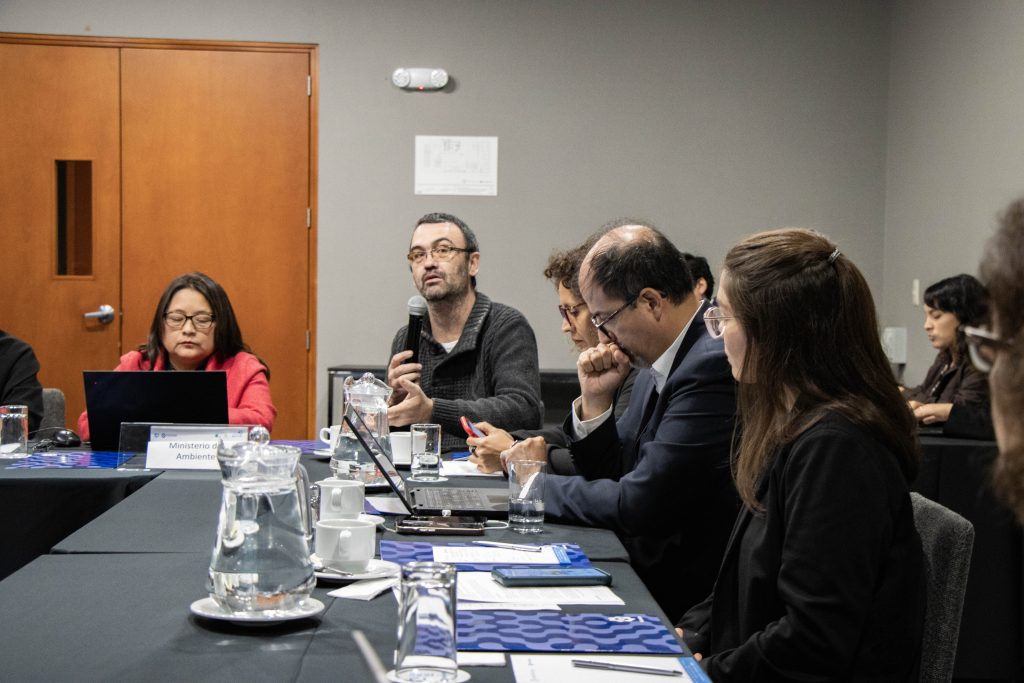
On Monday, October 16, Profonanpe welcomed a delegation from the Adaptation Fund, an international organization that supports projects aimed at helping developing countries address the challenges of climate change. The visit's objective is to gather valuable information on the project "Adaptation to the Impacts of Climate Change on the Coastal Marine Ecosystem of Peru and its Fisheries," which was implemented in Máncora and Huacho. This marks a milestone, as it is the first time the fund has focused on the fisheries sector and marine ecosystem, and it is hoped that the information gathered will contribute to a better understanding of the project's implementation.
“The Adaptation Fund (AF) conducts monitoring missions for some projects in its portfolio, because it is part of the knowledge management strategy and also part of the AF's medium-term strategy. A fundamental component is the learning and knowledge management component,”, he added Martina Dorigo, Climate Change Specialist at the Adaptation Fund.
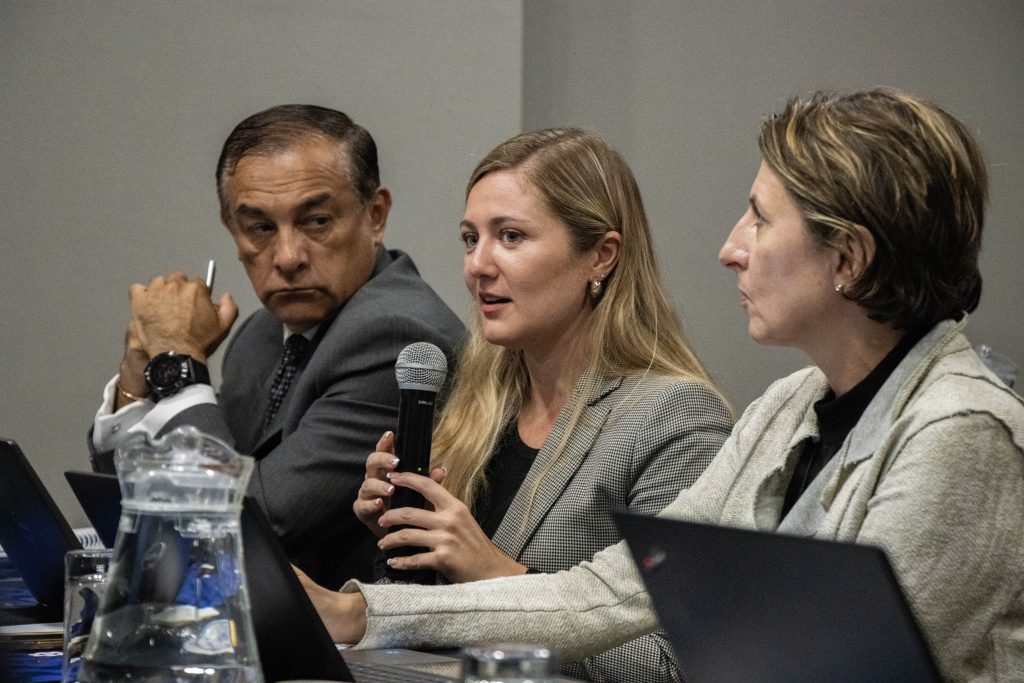
Key achievements of the project include progress in implementing sustainable fishing practices, advanced environmental monitoring systems, and regulations to strengthen the resilience of coastal ecosystems and local communities to climate change. The leadership of women in key areas such as gillnets, aquaponics, tourism, marketing, and biofertilizers is also highlighted.
Therefore, José Zavala, general coordinator of the Marine-Coastal Adaptation project, emphasized the importance of a gender-focused approach to diversifying activities that promote community adaptation. He illustrated this with the example of the biofertilizer trade, which has emerged as a significant source of income for communities, especially for the women involved.
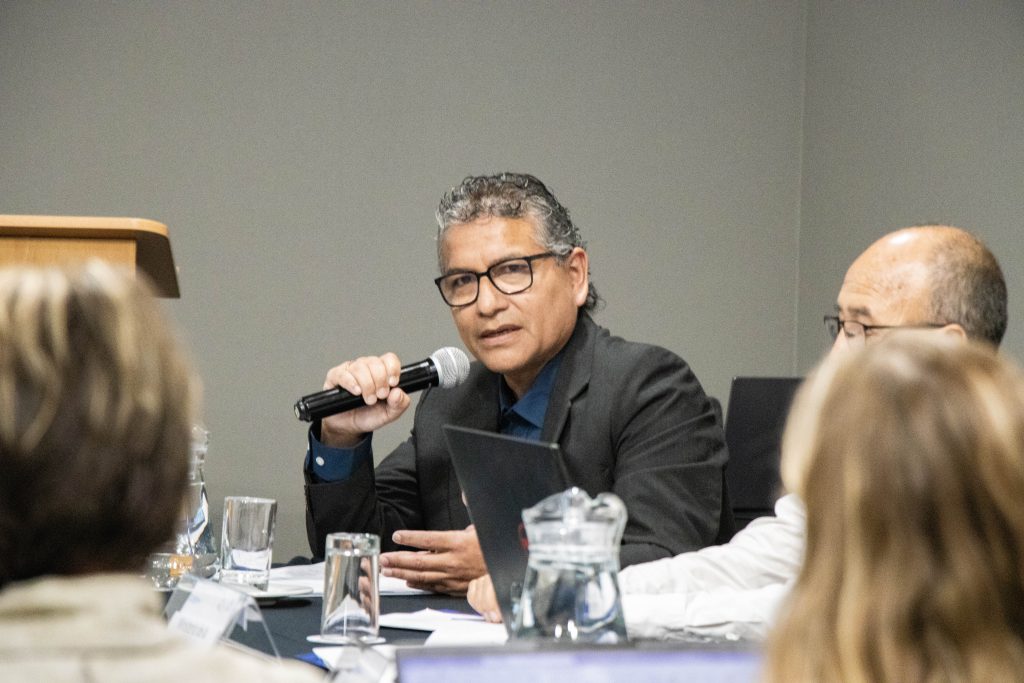
From the Ministry of Production, Úrsula León, Vice Minister of Fisheries and Aquaculture, explained the work that has been carried out in conjunction with the communities benefiting from the project. “Women’s participation in fishing is extremely important, not only in the extraction activity itself, but also in the generation and marketing of biofertilizers, that is, being able to use fishing and aquaculture waste for the benefit of the environment.”, León explained.
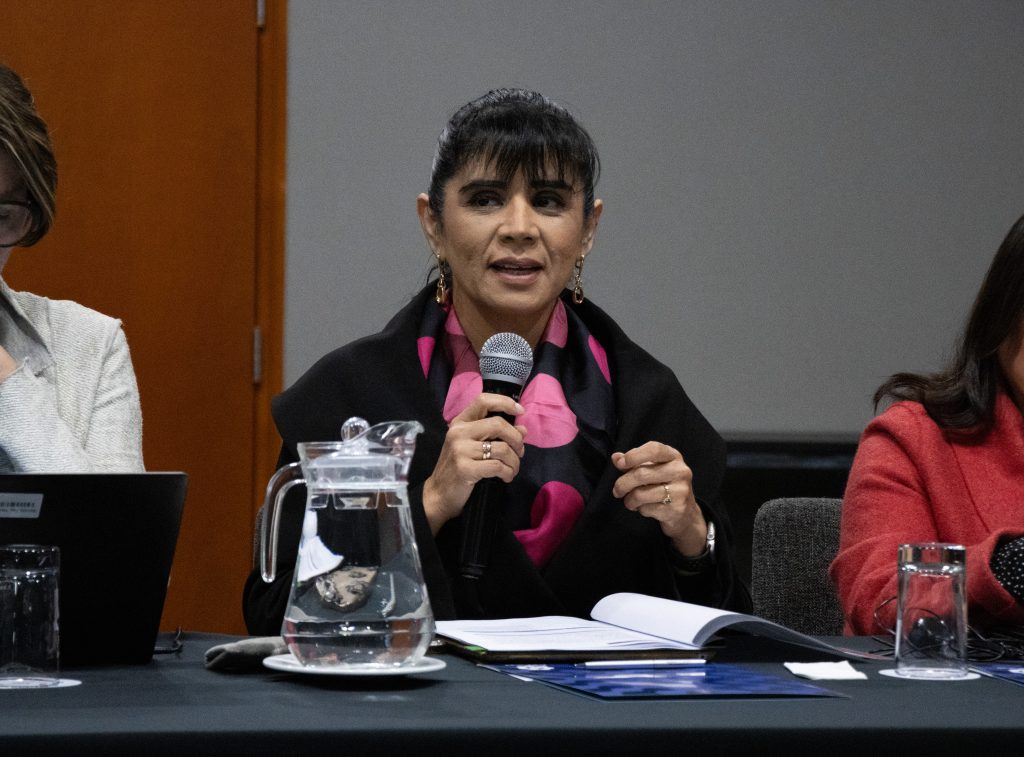
Finally, Anton Willems, CEO of Profonanpe, He expressed his gratitude to the national entities that collaborated on the project, such as IMARPE, the Directorate of Artisanal Fisheries of the Ministry of Production, the National Program "Let's Eat Fish," the Ministry of the Environment, and SERNANP. He highlighted the importance of inter-institutional collaboration and how this approach allowed for the collection of valuable information on marine and coastal issues, which will serve as a reference for future fisheries-related projects. “This is a significant lesson in institutional architecture, because the challenges of adaptation will have this impact when they reach the territory. In the territory, it is not a single entity that defines what is done there, but rather the articulated dialogue between the different entities, generating complementarities and the capacity for specific interventions.”, Willems emphasized.
About the Marine-Coastal Adaptation project
The project “Adaptation to the Impacts of Climate Change on the Marine and Coastal Ecosystem of Peru and its Fisheries” focuses its interventions on two pilot areas: Huacho (Punta Salinas – Végueta) and Máncora (Cabo Blanco – Máncora), to reduce the vulnerability of coastal communities to the impacts of climate change on marine and coastal ecosystems and their fisheries resources. This project received funding of over six and a half million dollars.
In 2016, the project was approved to receive funding from the Adaptation Fund, through Profonanpe. The Ministry of Production was responsible for project implementation, in coordination with the Peruvian Marine Institute (IMARPE) and the Ministry of Production's "Let's Eat Fish" Implementing Unit, with an implementation period from 2018 to 2023.