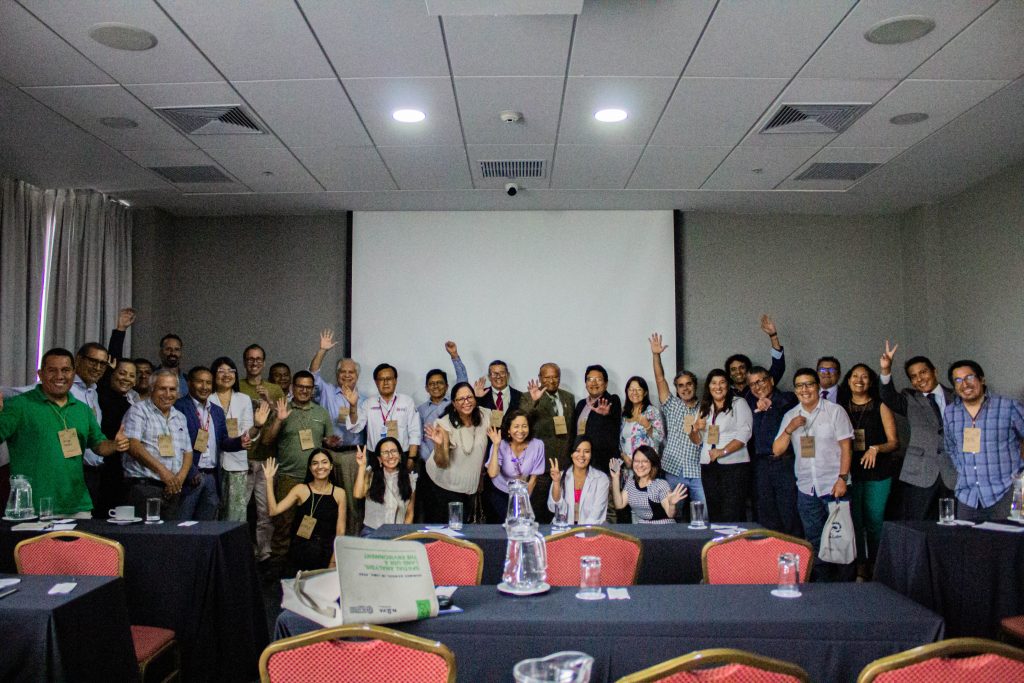
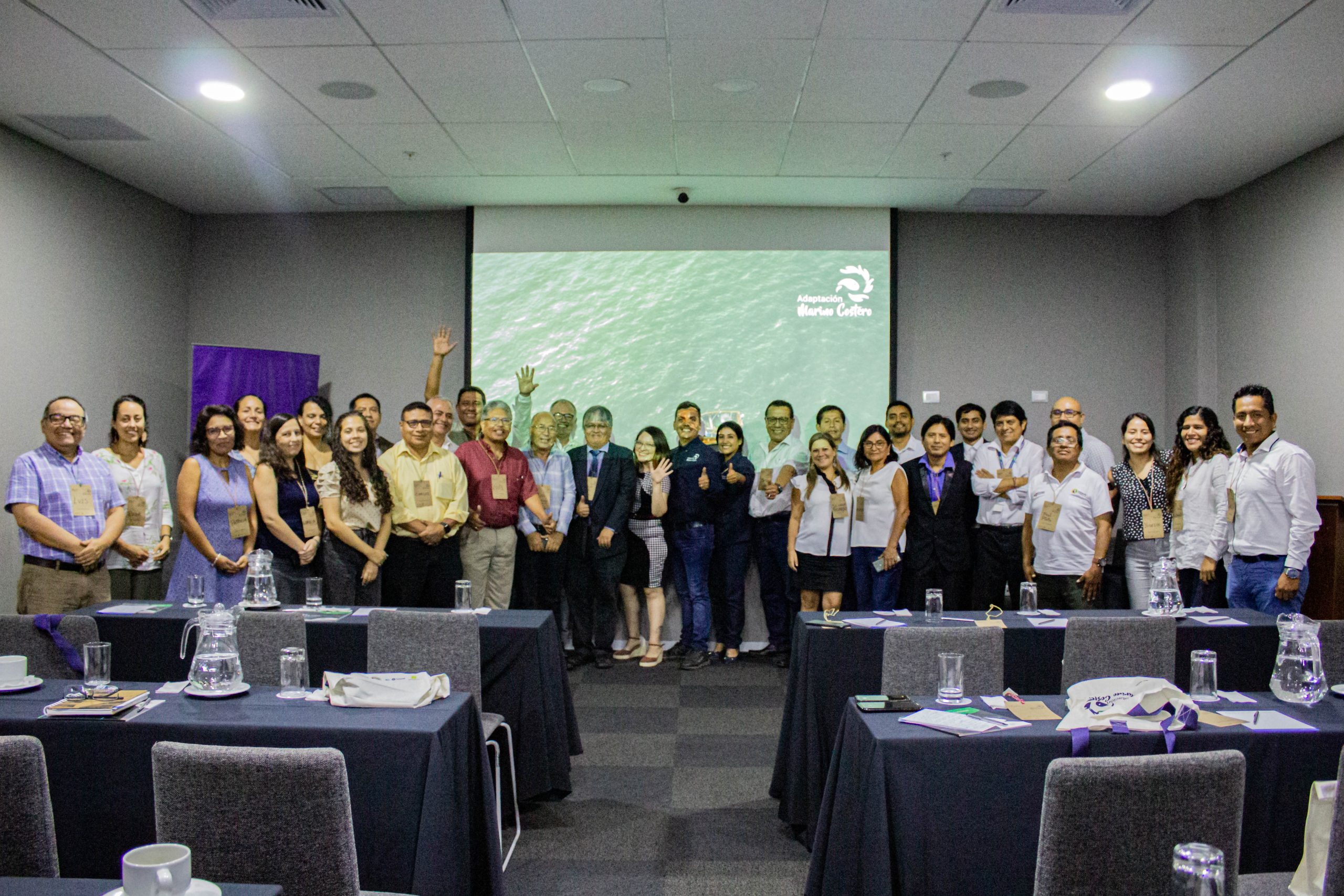
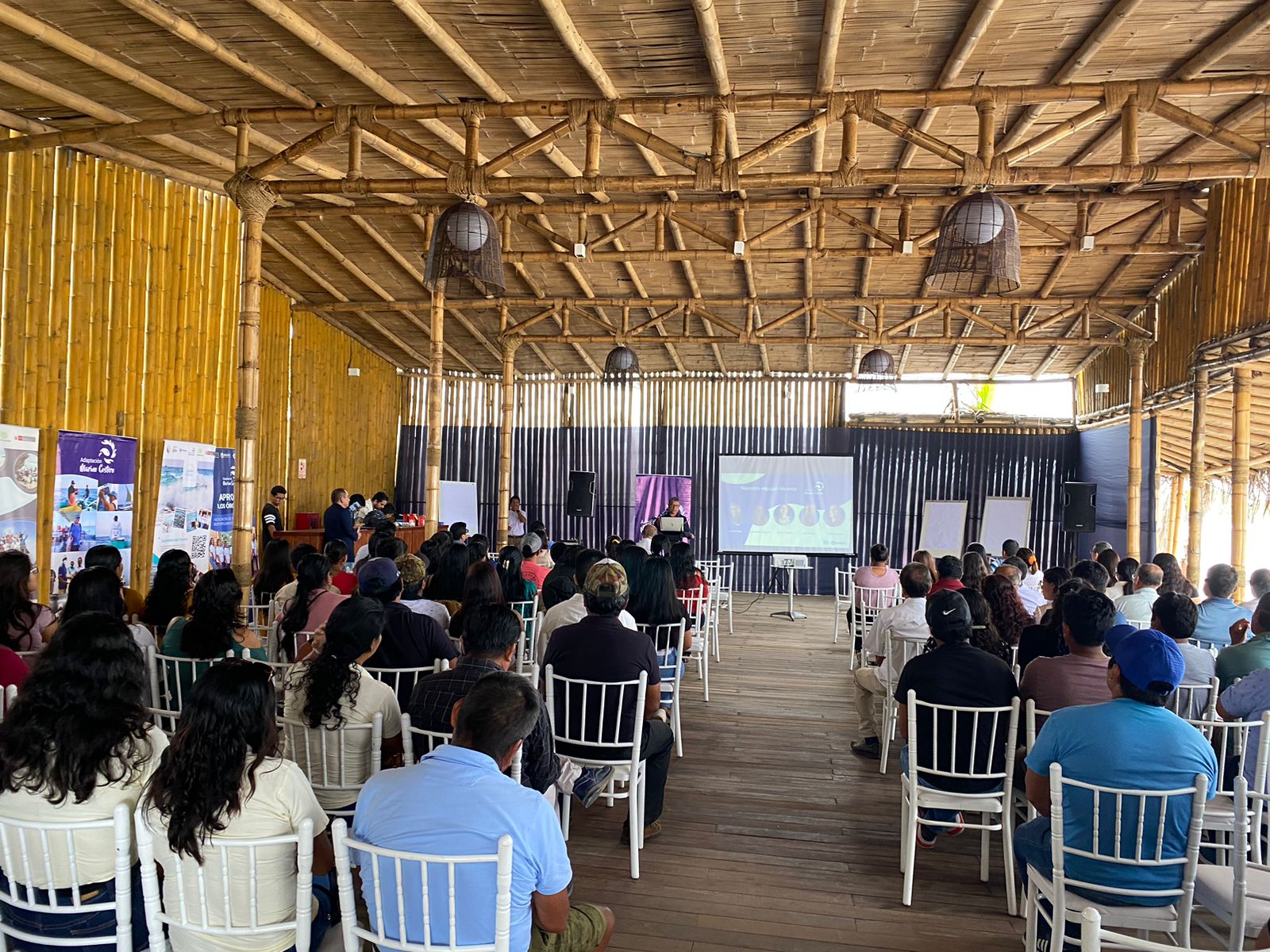
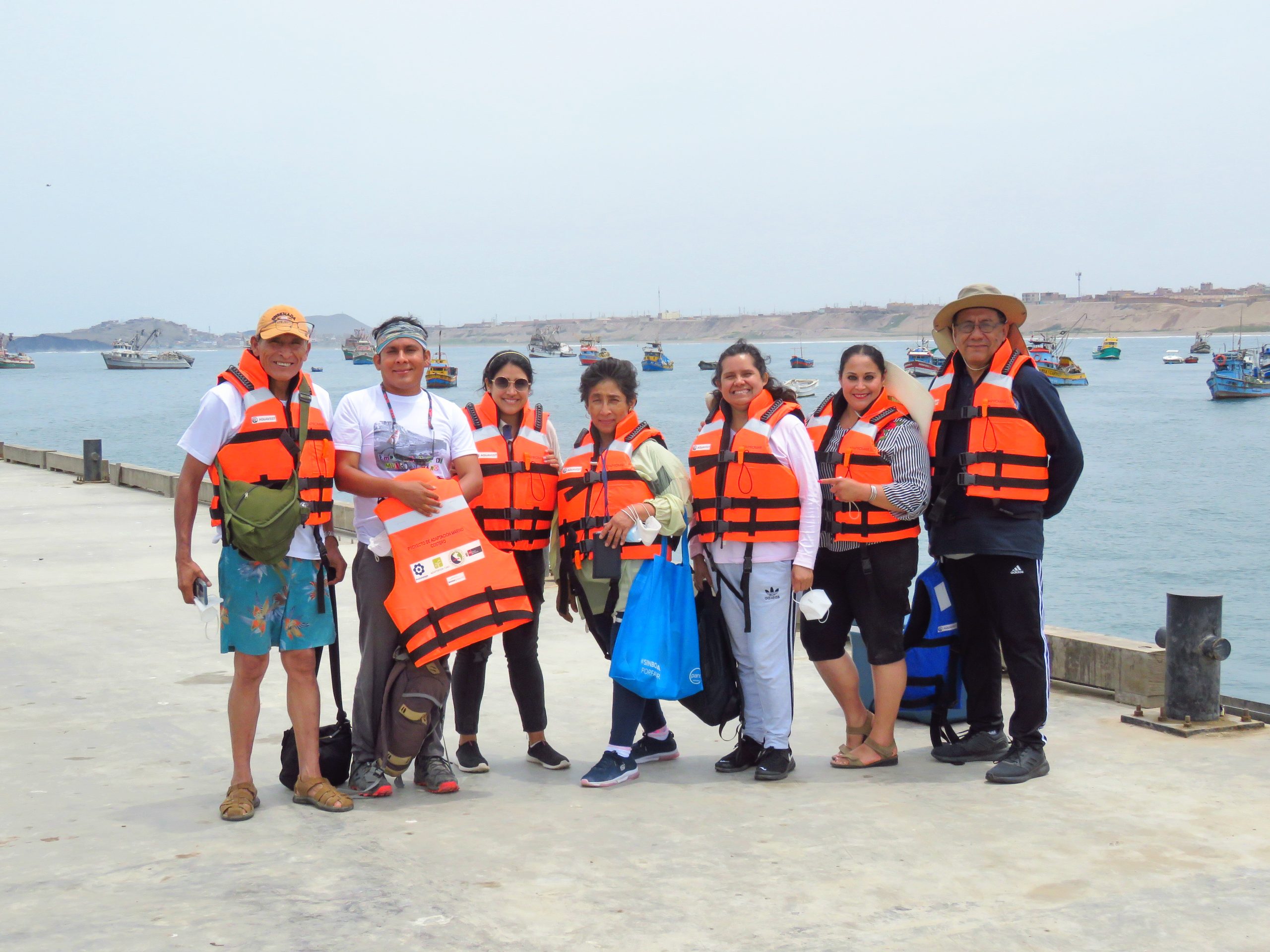
Through 3 closing events in Máncora, Huacho and Lima, the closure of the "Marine Coastal Adaptation" (AMC) project was carried out, which presented the results obtained in its 5 years of management, thanks to the joint work between the competent authorities and the fishing communities of the pilot areas. The initiative, executed by the Ministry of Production and IMARPE, and implemented by Profonanpe and financed by the Adaptation Fund, aimed to reduce vulnerability to the impacts of climate change on the ecosystems and fishing resources of the coastal areas mentioned.
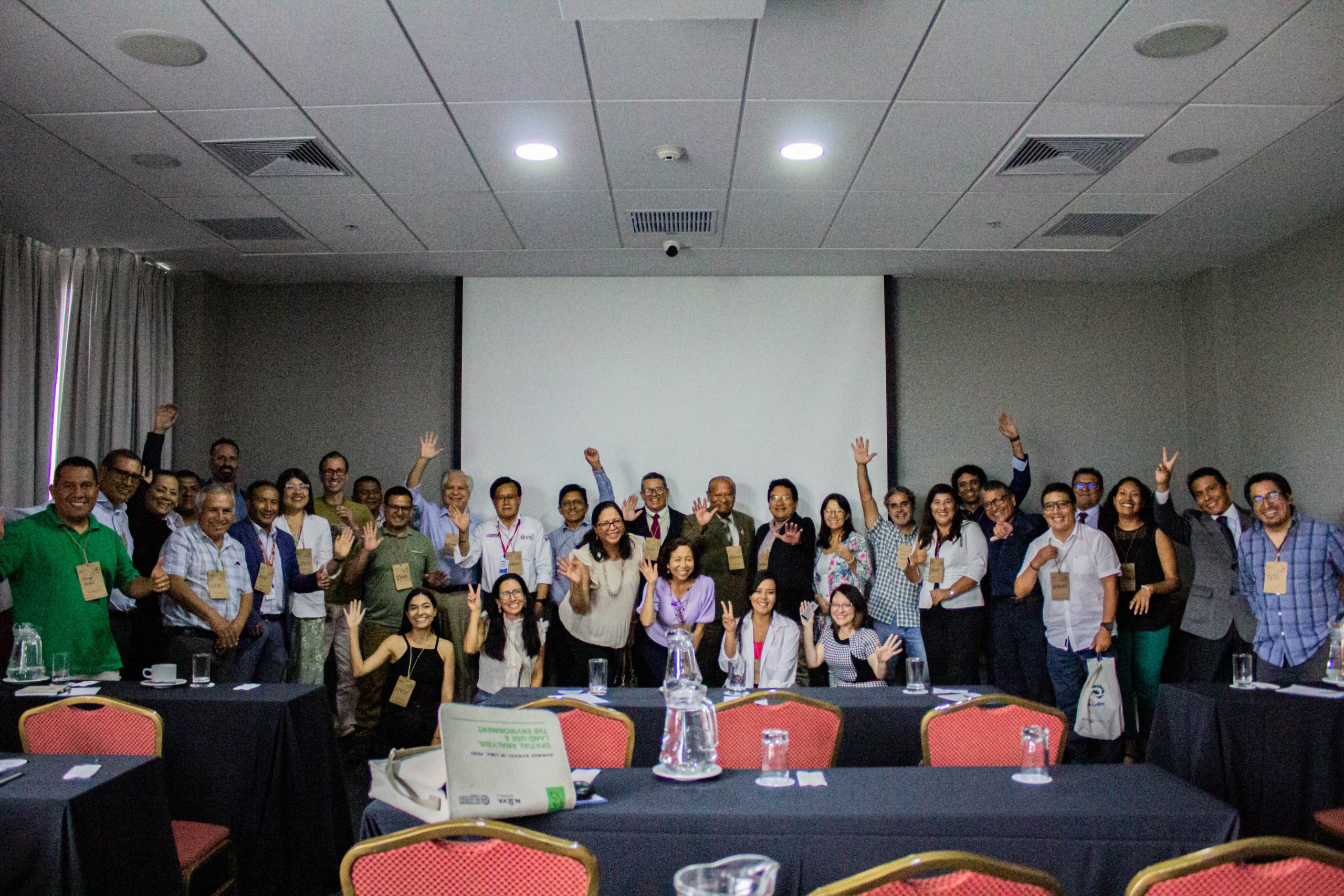
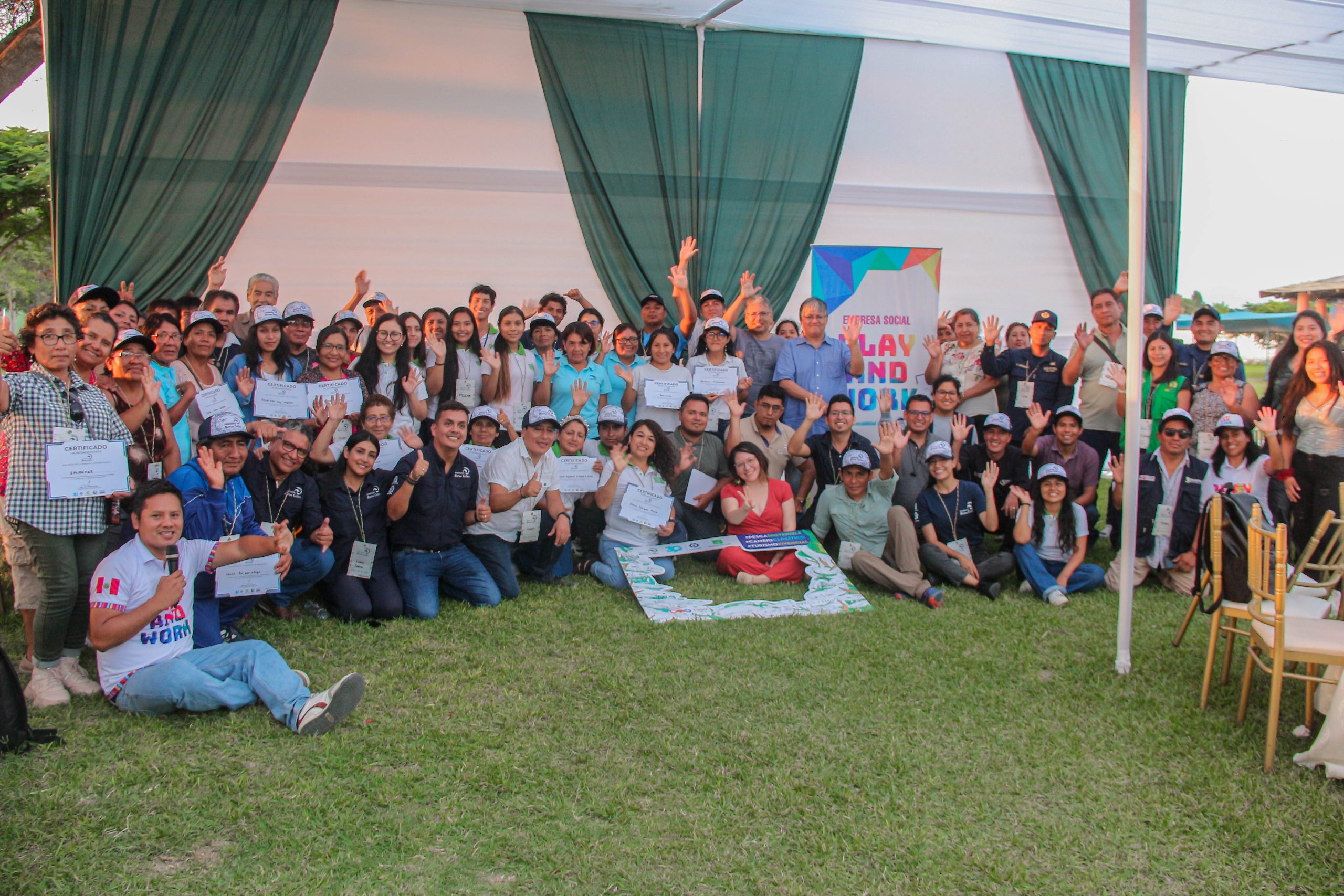
With the project's completion, the challenges of scaling up have been met. This required efficient intersectoral, multi-scale, and multi-level coordination, based on a marine-coastal governance model for climate change adaptation. It is projected that the implemented initiatives, due to the degree of independence of tourism and bioproduct activities, will continue to grow in terms of economic revenue and develop further over time, scaling up both locally and to other coastal areas.
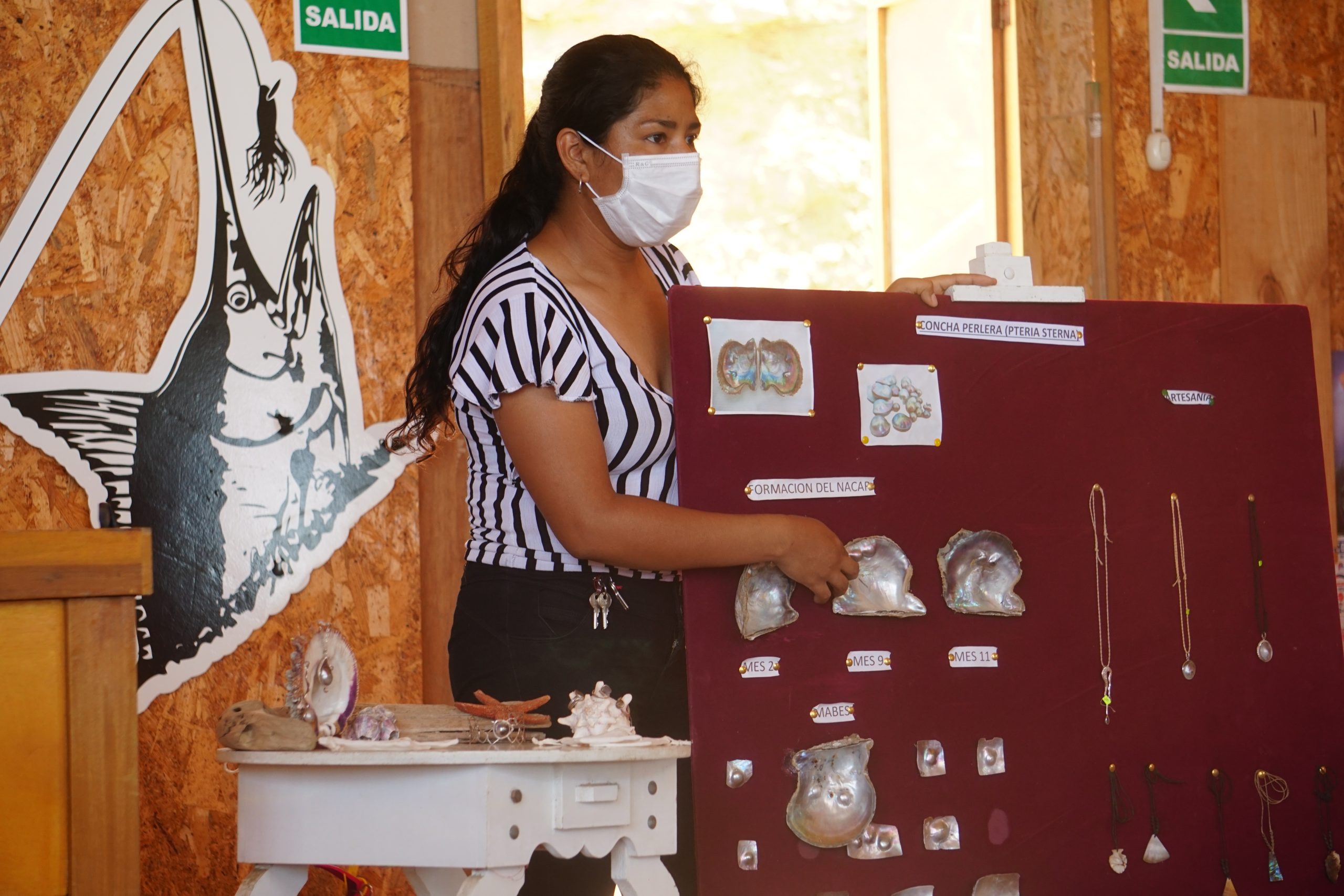
Among the project's most significant achievements, three autonomous underwater vehicles were acquired to record oceanographic variables, which has been fundamental for research and predictions of the impacts of climate change on fishing grounds. Furthermore, the project has strengthened its gender focus in the pilot communities, with women participating in various activities related to ecotourism, business management, the production and sale of handicrafts, aquaculture, and other sectors.
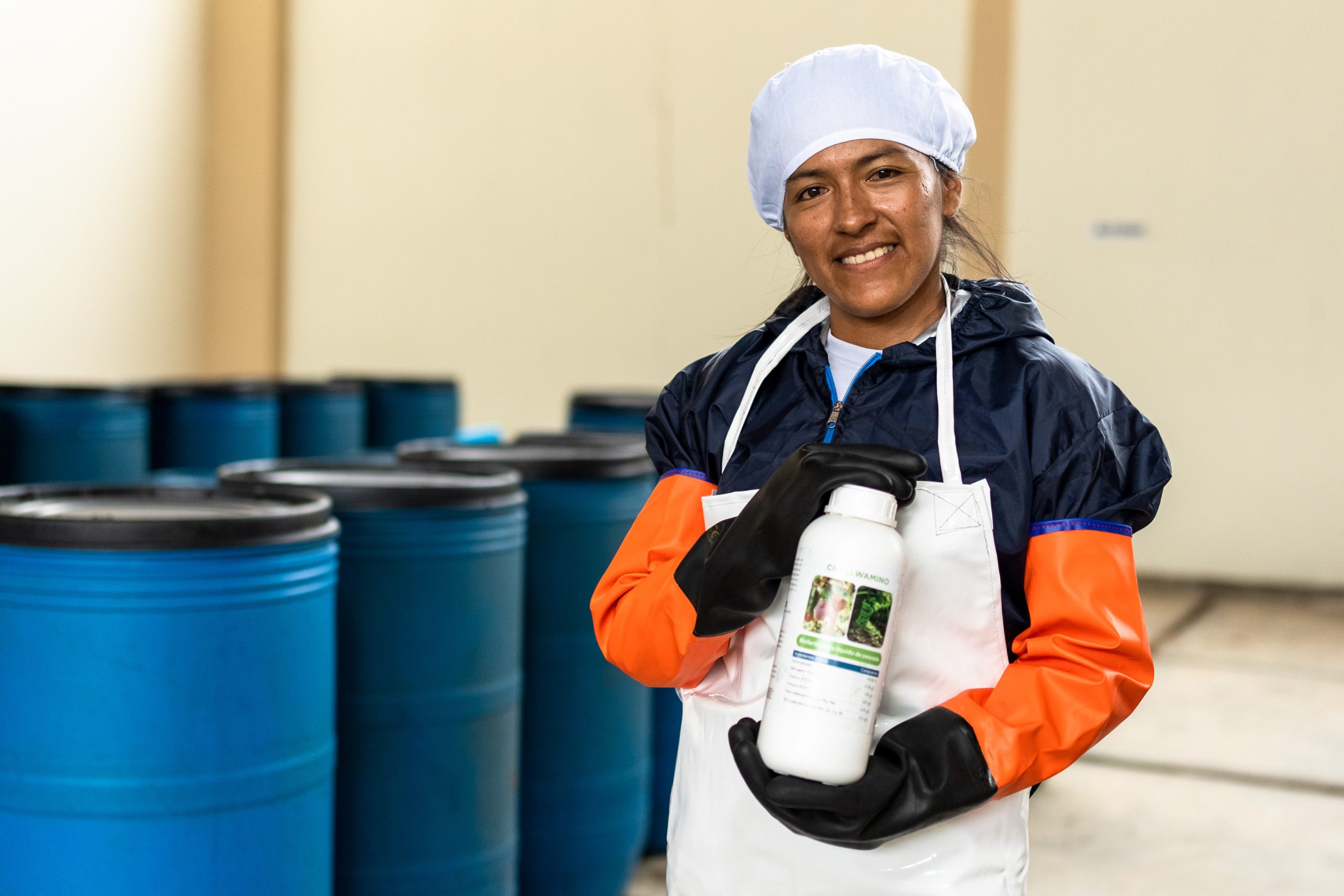
On the other hand, the development of tourism ventures has been promoted, three micro-enterprises producing biofertilizers have been created, and a traceability system for fishing vessels has been implemented. In addition, an association of women aquaponic producers has been established in Huacho, and the use of a glider, a marine tracking device, has been incorporated to improve fishing practices and analyze the sea.
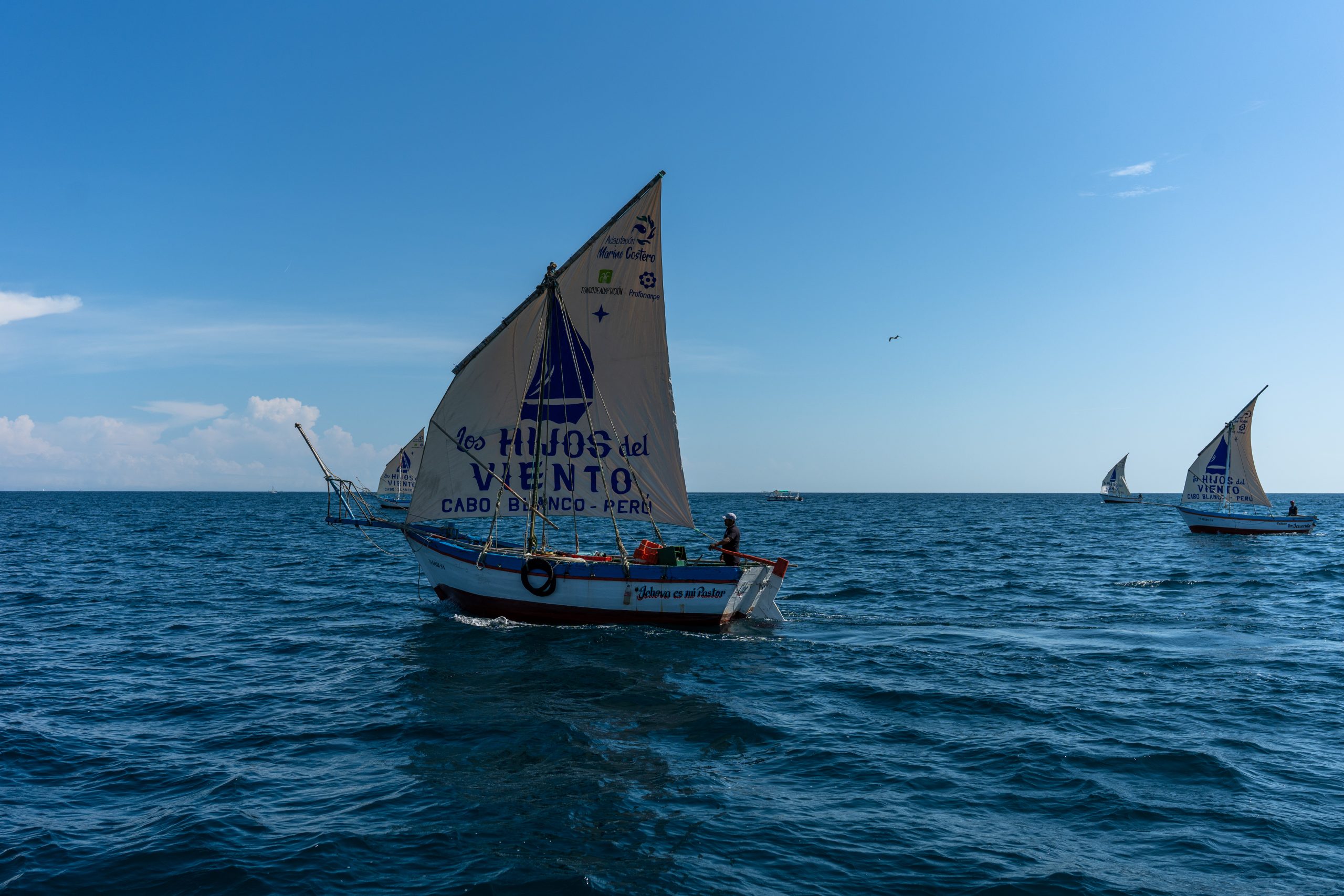
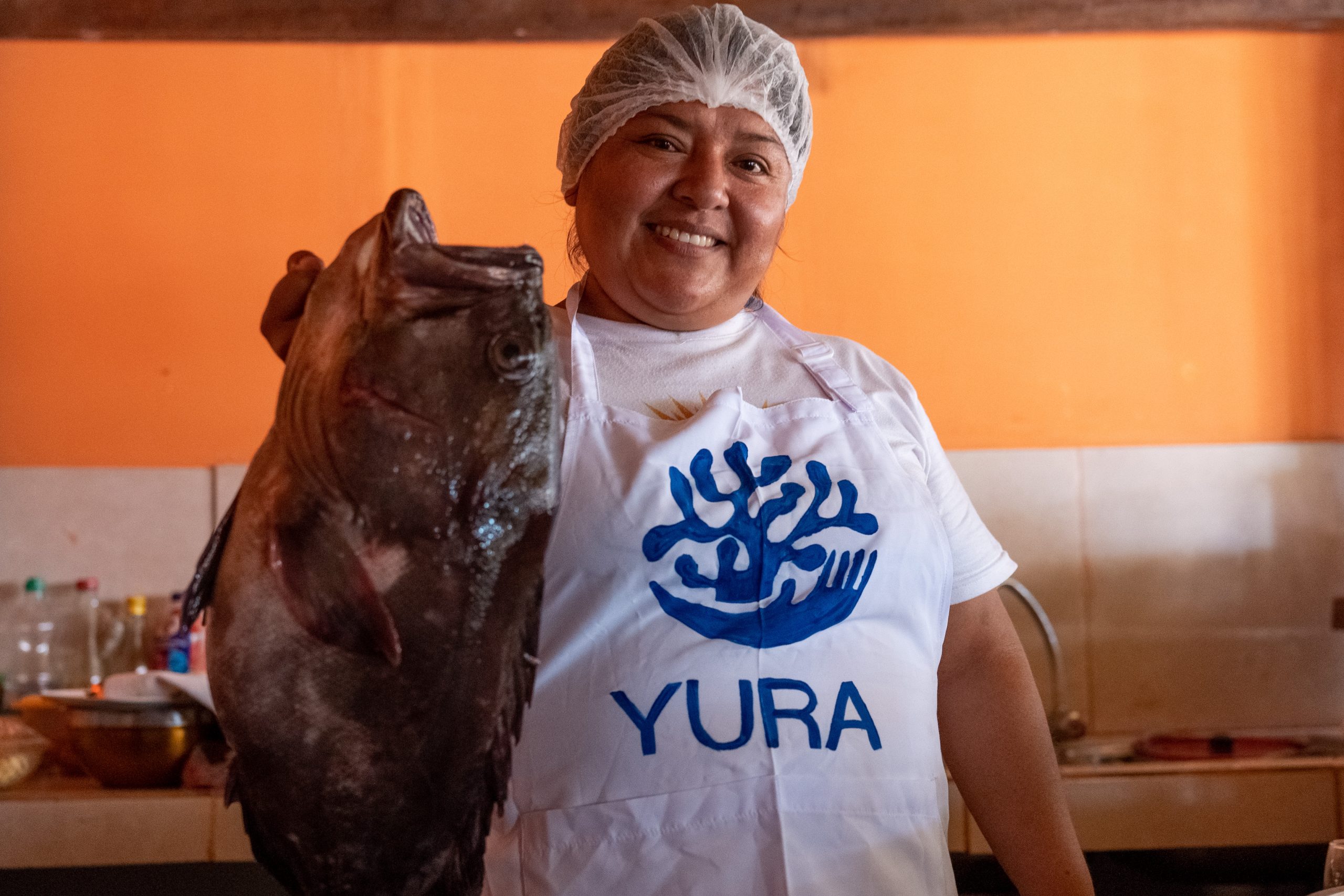
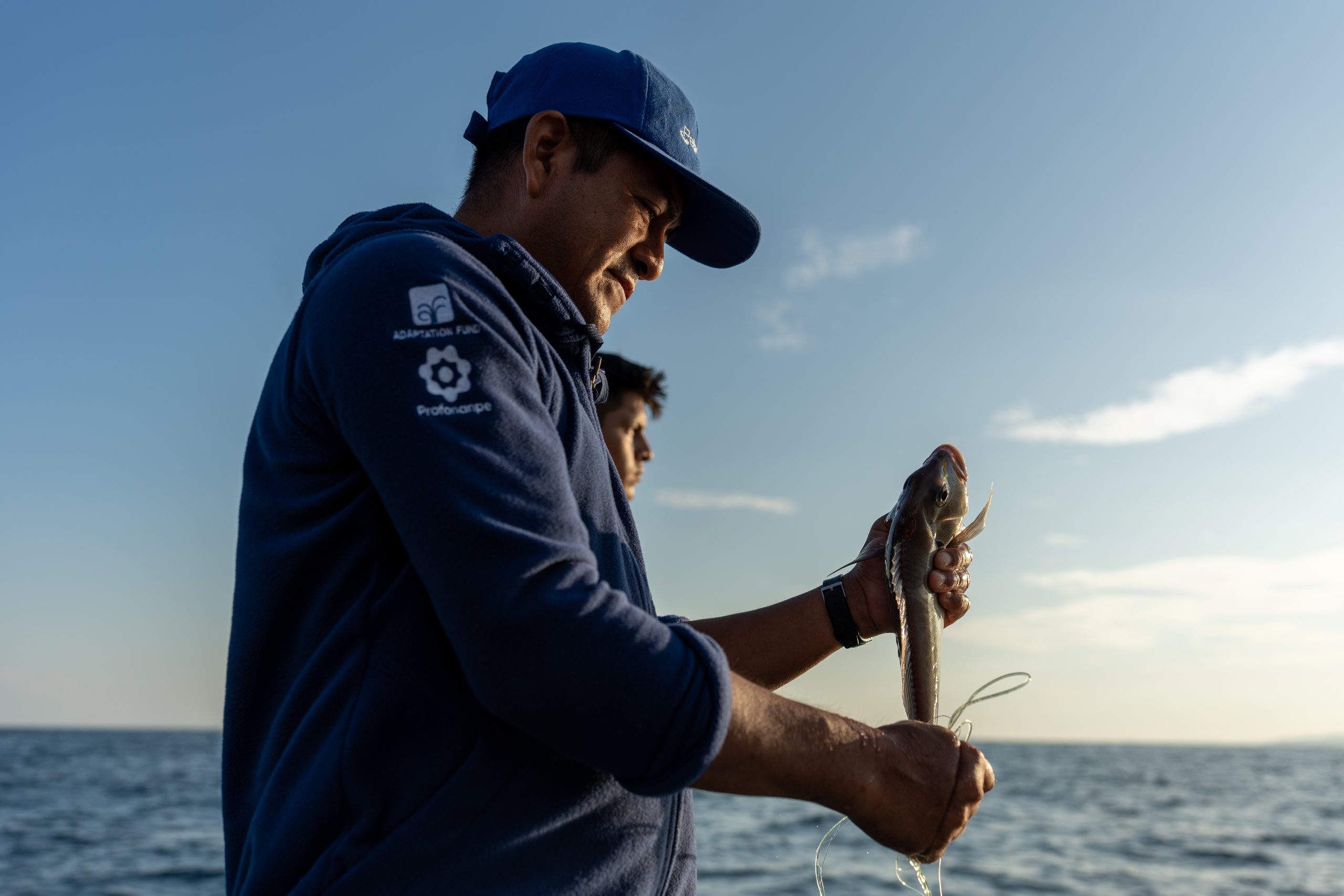
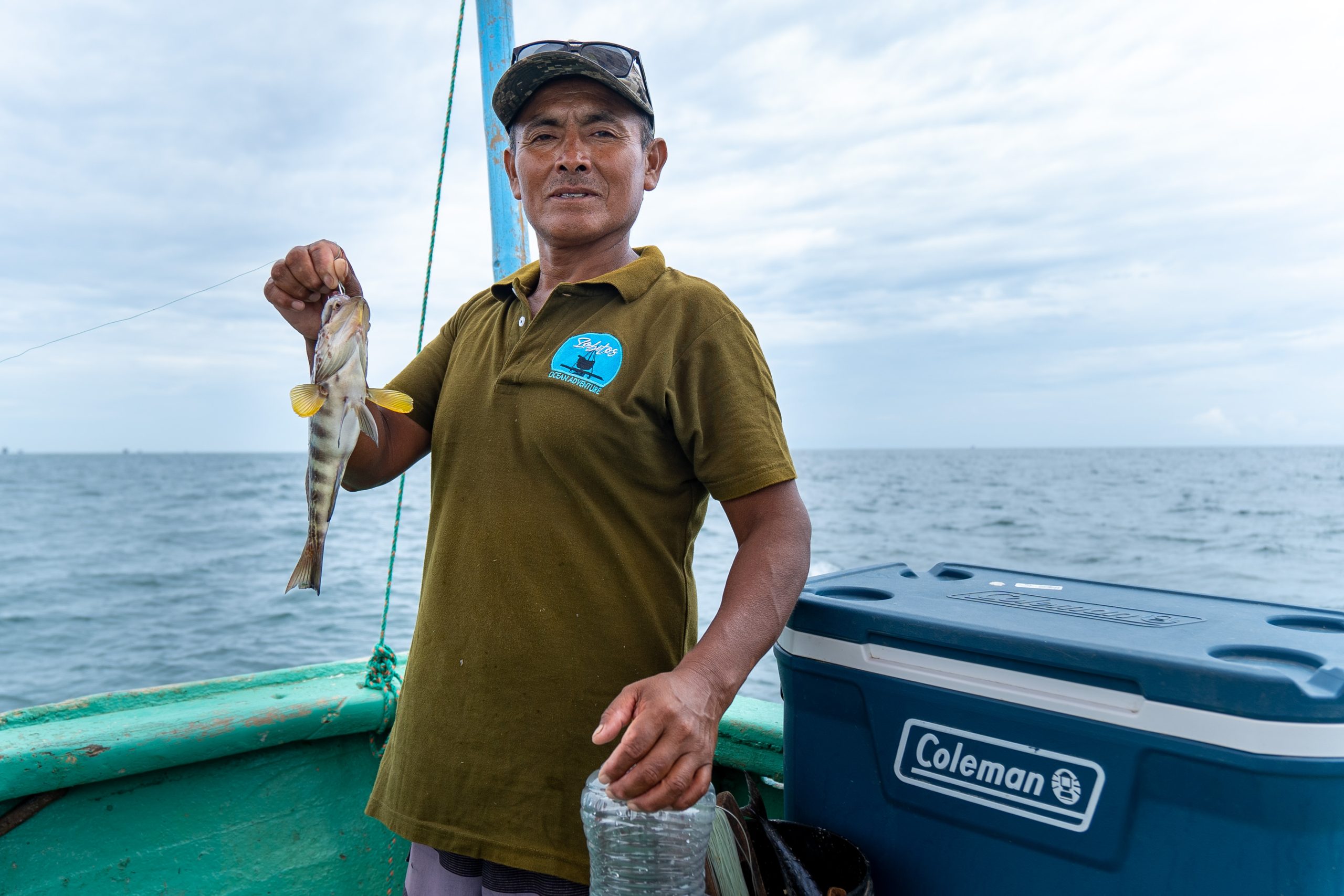
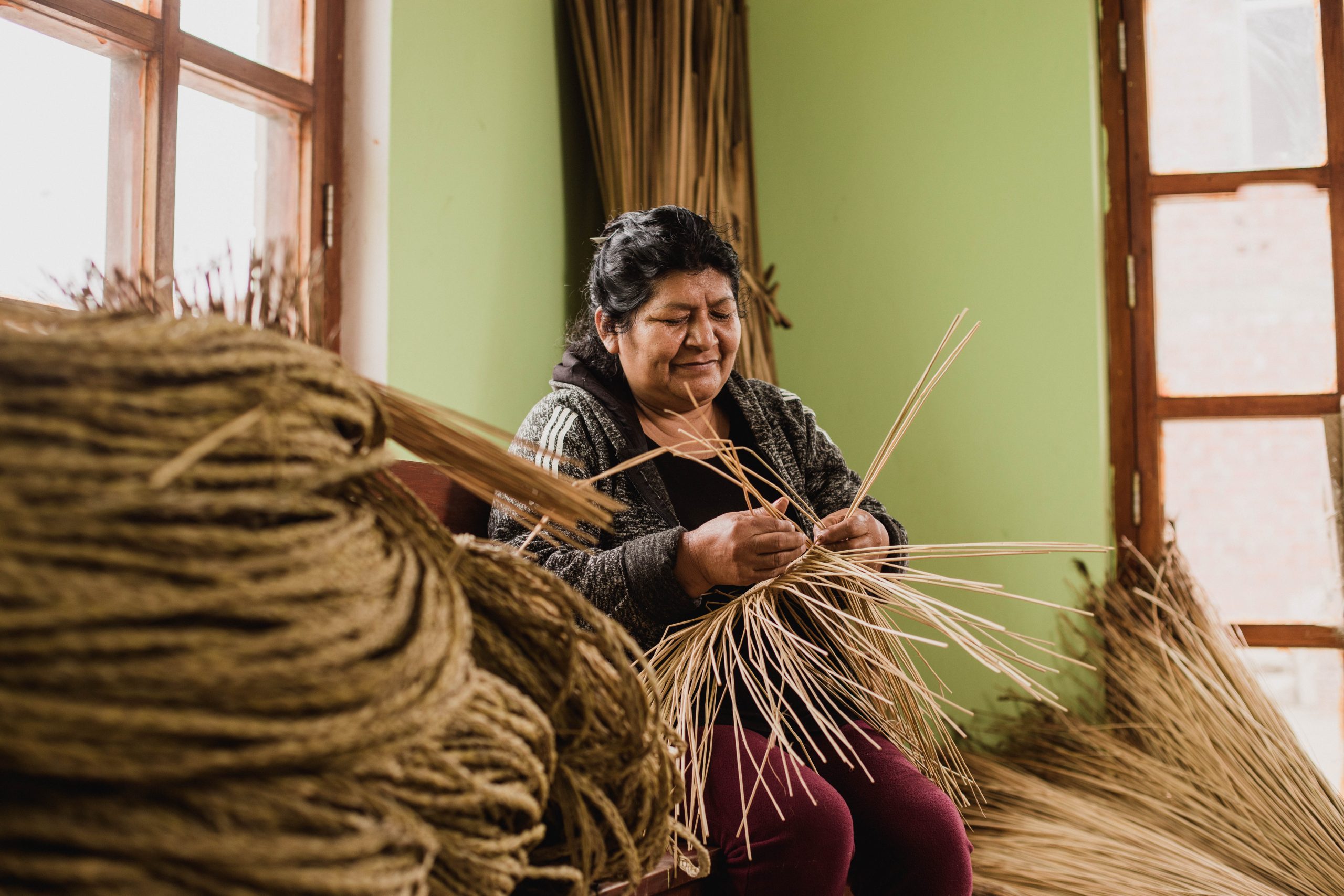
Work has also been done on the formalization process of artisanal fishing associations, the income of artisanal fishermen has been increased, and a knowledge management strategy for fishing and aquaculture has been developed.
The AMC project faced several challenges, including the vulnerability of fishing communities to the impacts of climate change on hydrobiological resources, as well as the decreasing availability of these resources. As is well known, Peru is among the countries most vulnerable to the impacts of climate change on fisheries, and it is estimated that a 2°C increase in maximum temperature and a 20% increase in precipitation variability by 2050 would result in a loss of 20% in the country's potential GDP by that year. Especially in a context where an intensification of El Niño/La Niña events is anticipated, a territorial approach and tools for Marine Coastal Spatial Planning (MESP) and Integrated Marine Coastal Zone Management (IMZCM) are necessary to address these threats.
About the Marine-Coastal Adaptation project
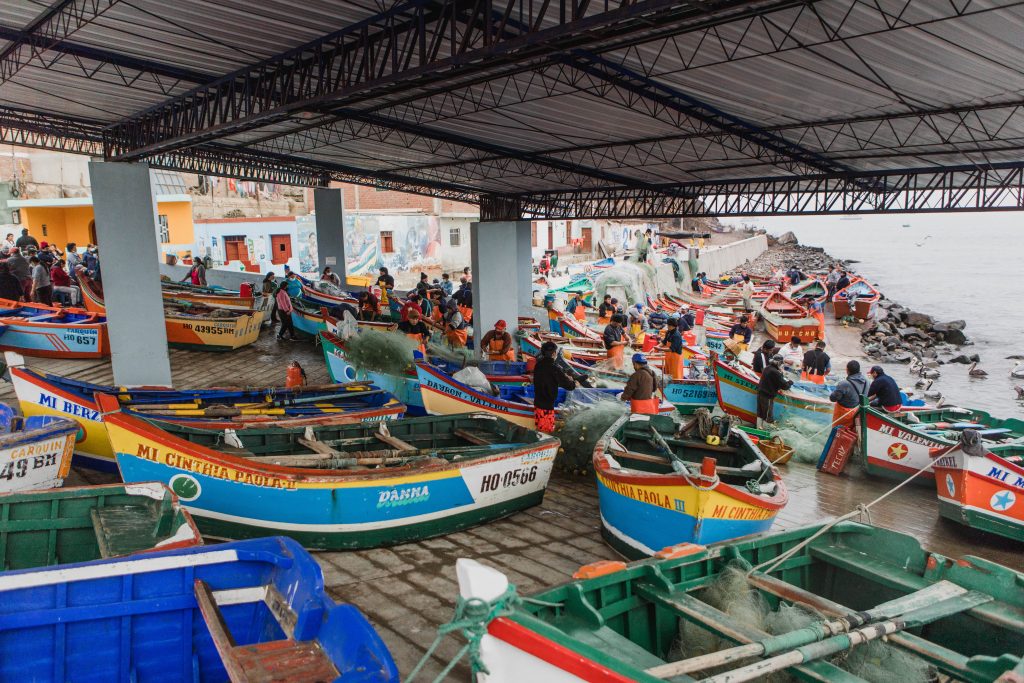
The project “Adaptation to the impacts of Climate Change on the marine coastal ecosystem of Peru and its fisheries” focuses its interventions on two pilot areas: Huacho (Punta Salinas – Végueta) and Máncora (Cabo Blanco), to reduce the vulnerability of coastal communities to the impacts of climate change on marine-coastal ecosystems and their fishery resources.
In 2016, the project was approved to receive funding from the Adaptation Fund, through Profonanpe. The Ministry of Production was responsible for project implementation, in coordination with the Peruvian Marine Institute (IMARPE) and the Ministry of Production's "Let's Eat Fish" Implementing Unit, with an implementation period from 2018 to 2023.