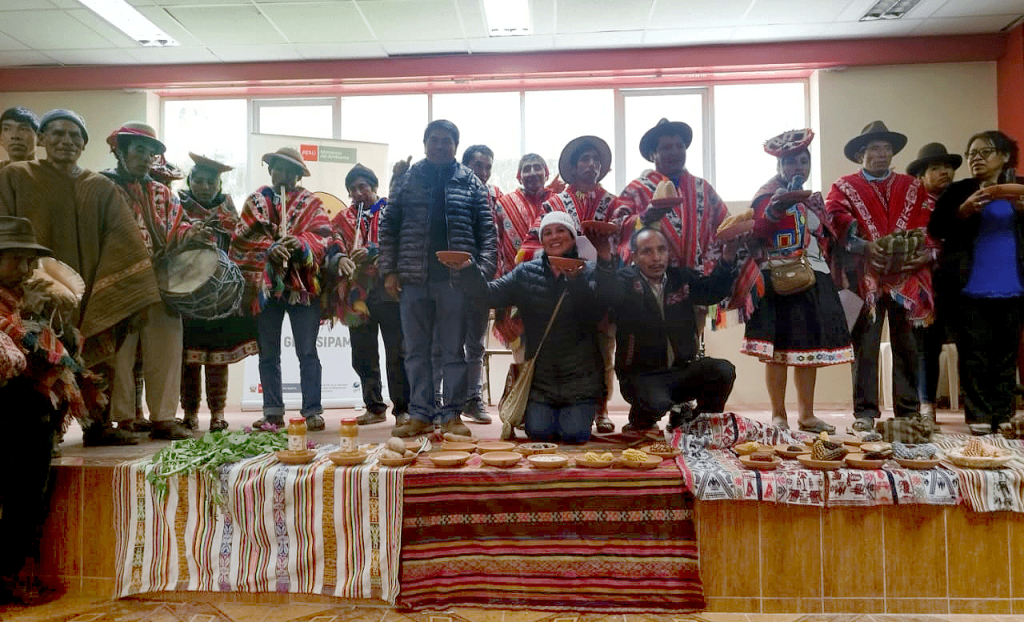
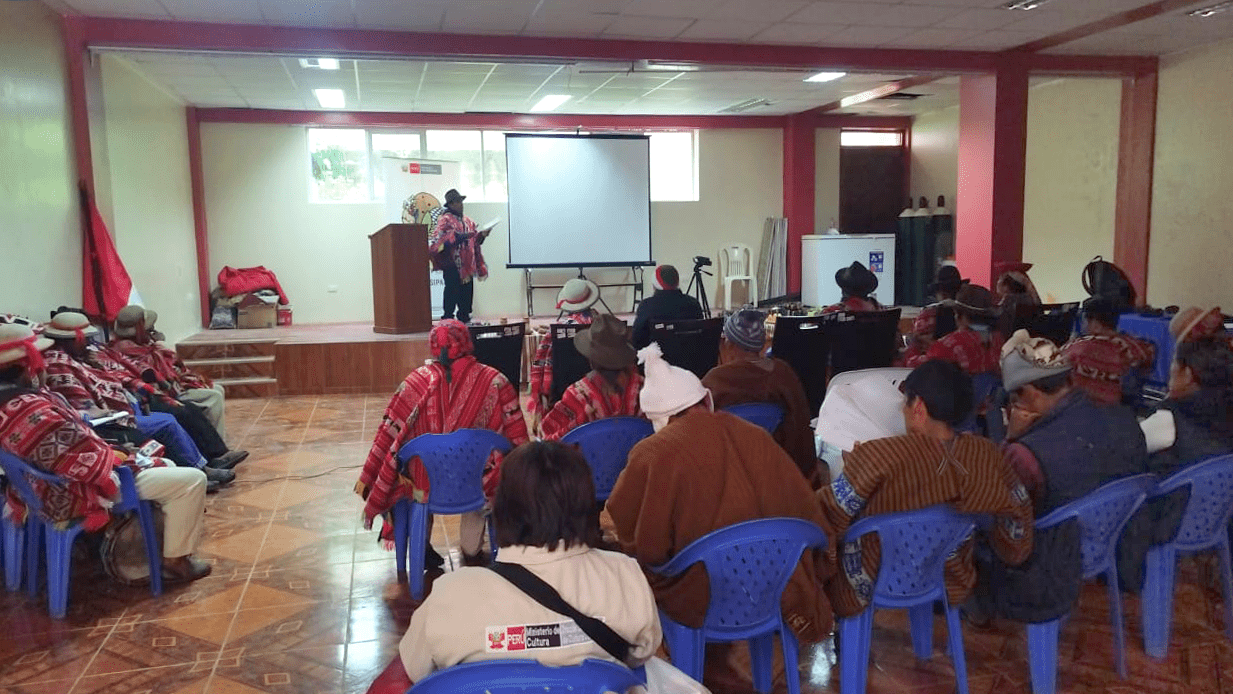
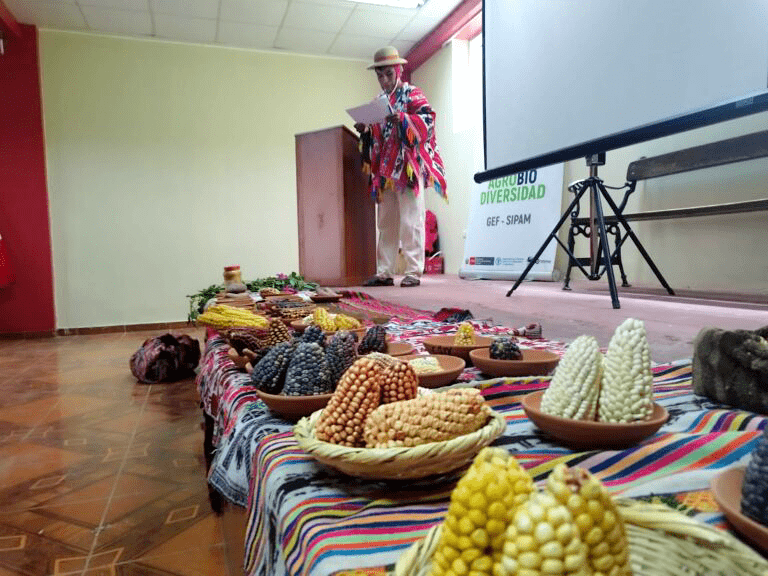
In a ceremony attended by district and community authorities from the Lares district in Cusco, the GEF Agrobiodiversity SIPAM project presented the Action Plan for Dynamic Conservation in the Direct Intervention Zone of the SIPAM Puno – Cusco Corridor; a strategy that seeks to highlight the agricultural importance of the district internationally.
The plan involves the active participation of various stakeholders in the region, such as farmers and local authorities, to highlight the importance of this area's recognition. As is known, Lares is a designated Globally Important Agricultural Heritage System (GIAHS), a designation granted by the Food and Agriculture Organization of the United Nations (FAO) due to its high landscape value, agricultural biodiversity, cultural heritage, and resilience as an ecosystem.
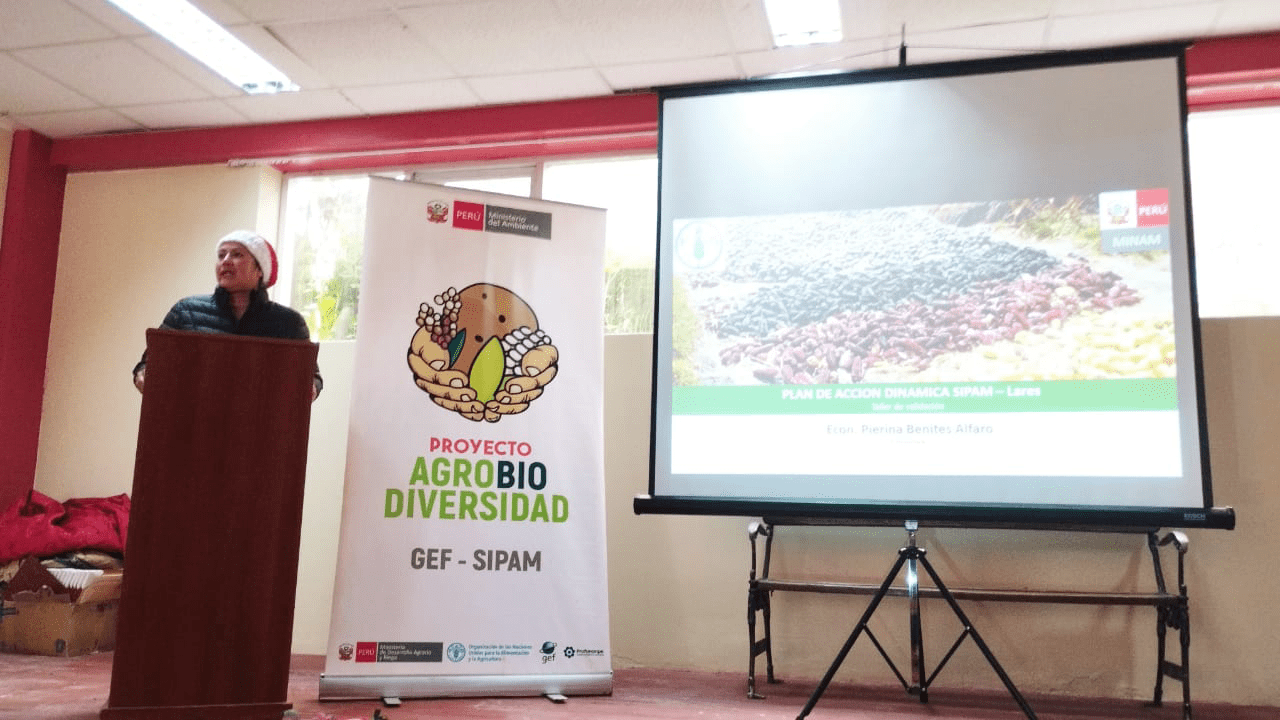
The Action Plan aims to strengthen the GIAHS recognition by promoting sustainable livelihoods for local food security, conserving agrobiodiversity and vulnerable ecosystems, and strengthening community governance and cultural expressions. Achieving these objectives requires raising awareness within the community, which is already working closely with the project on the recovery and conservation of agrobiodiversity-derived foods.
Furthermore, this plan will also achieve the financing of actions that allow its preservation, as well as supporting new financing at the public level and international cooperation.
The fact
The district of Lares is immersed in the Puno – Cusco corridor, the only Peruvian space declared as a GIPAM site in 2011, in the Peasant Communities: Lares Ayllu Talana, Choquecancha and Ccachin.
It is located in the central Andes, one of the eight world centers of plant domestication and the most important mountain system in South America.
About the GEF Agrobiodiversity GIAHS project
The GEF Agrobiodiversity SIPAM project seeks to conserve agrobiodiversity in the localities of Acora (Puno), Huayana (Apurimac), Lares (Cusco), Laria (Huancavelica) and Atiquipa (Arequipa), through traditional farming systems, integrated management of forests, water and land resources; and the maintenance of ecosystem services.
This initiative is financed by the Global Environment Facility (GEF), executed by the Ministry of Environment and the Ministry of Agrarian Development and Irrigation, with the implementation of the Food and Agriculture Organization of the United Nations (FAO) and the administration of Profonanpe.