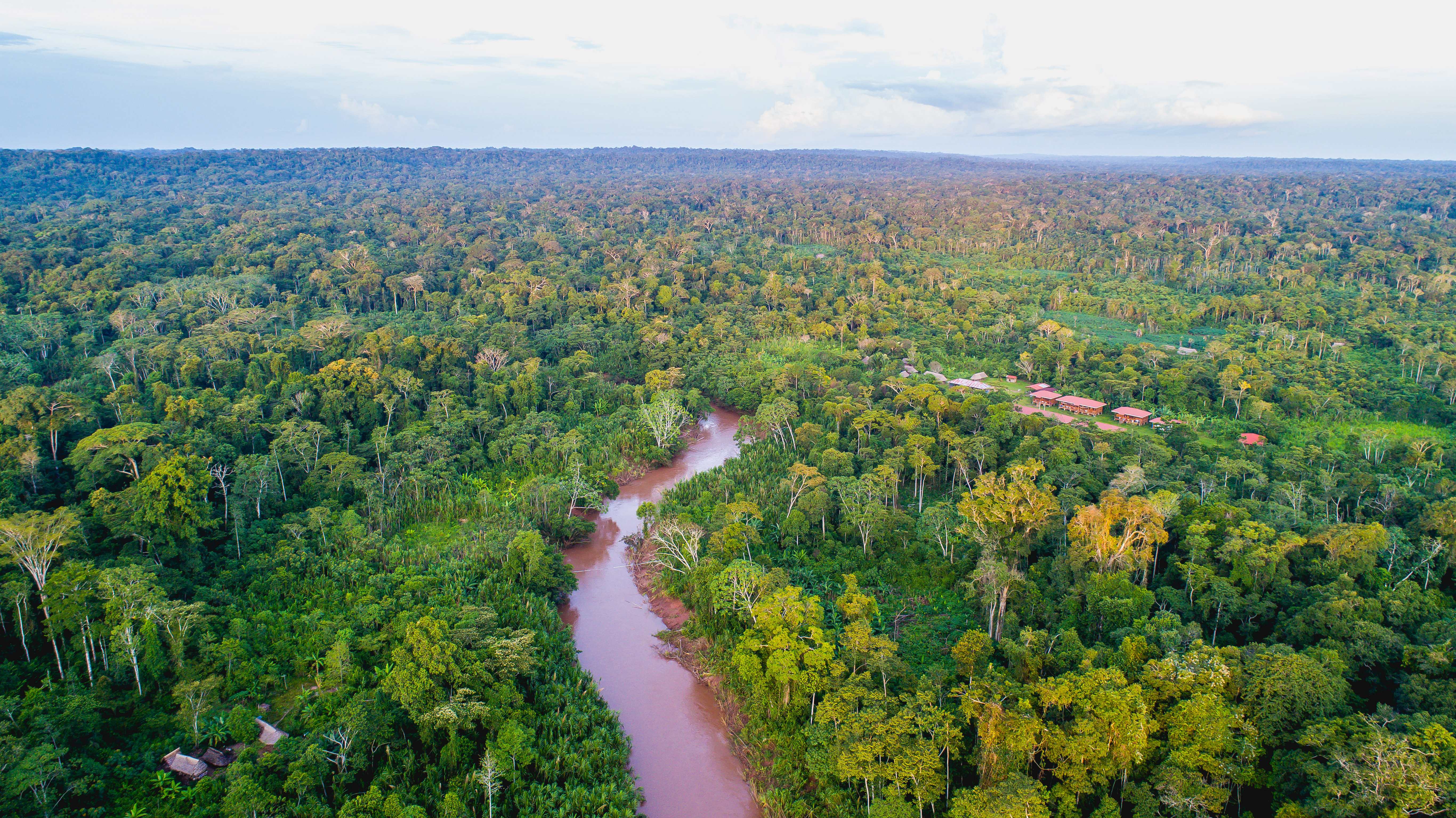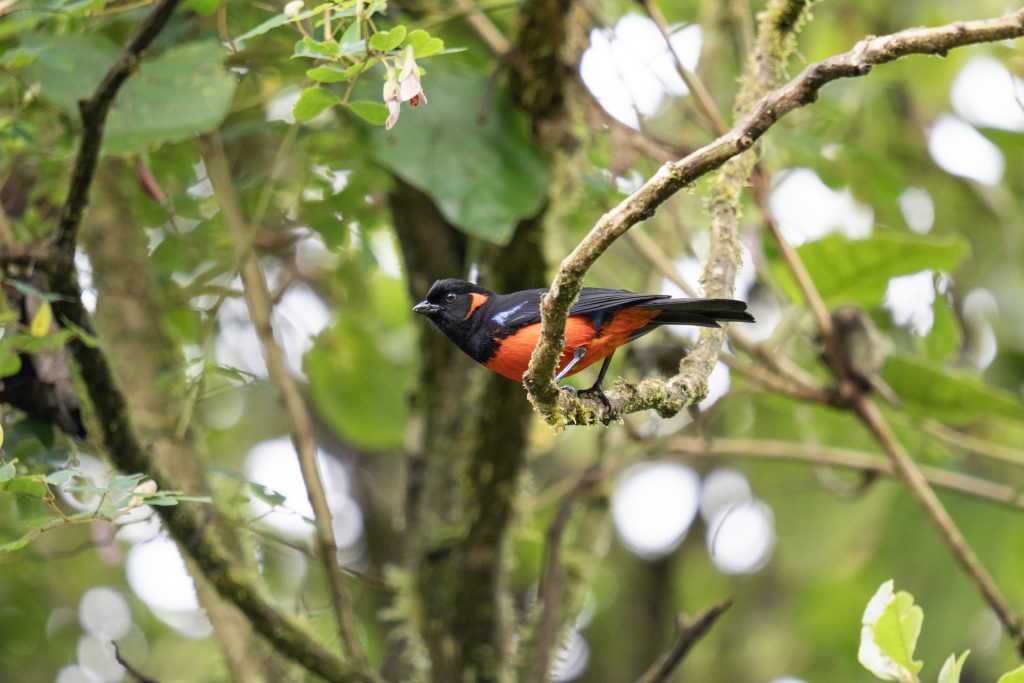
Calabaza is also located on the birdwatching route
known as “Satipo road”, in the Avireri-Vraem Biosphere Reserve.
© Gerson Ferrer | Yunkawasi
Participatory Conservation of the Tropical Andes in the department of Junín – Peru
Thanks to the joint work between the Calabaza Population Center, the Regional Government of Junín, the Yunkawasi Civil Association and the Provincial Municipality of Satipo, the following is coming promoting birdwatching as a sustainable economic alternative, in the heart of the cloud forests of Satipo.
These coordinated efforts have allowed Calabaza to promote their own sustainable development initiatives by forming a birdwatching association. This aims to strengthen the capabilities of its members and promote the improvement of its equipment and tourism infrastructure.
Regarding these initiatives, a meeting was held in the area in March. participatory study on the diversity of bird species and the identification of potential tourist routes in the town center.
A proposal for diversity
The Calabaza Population Center is located in the proposed Regional Conservation Area (ACR) San Cristóbal de Pucutá – Menkori, an initiative of the Natural Resources and Environmental Management of Junín.
Its purpose is to conserve more than 60,000 hectares of natural wealth and promote a development model that benefits local communities, guarantees their quality of life and safeguard the responsible use of resources.
Conserving bird diversity is one of the main objectives of this upcoming protected area in Junín. The project is located in the stage II of its establishment process, and has the technical and financial support of the Yunkawasi Civil Association, Rainforest Trust, Andes Amazon Fund and the Conserva Aves initiative.
Pumpkin: home to numerous birds
Only in the Calabaza area have they been reported more than 100 different species of birds, among them some endemic species that make Calabaza a a destination of high interest for birdwatching worldwide.
Among the unique species of Peru, the Oxapampa antpitta stands out (Grallaria centralis) and the Junín antpitta (Dark Grallaria), as well as the Junín tapaculo (Scytalopus gentryi) and the Jalca tapaculo (Scytalopus frankeae).
For more than 10 years, the inhabitants of the Calabaza Population Center, also located within the Avireri-Vraem Biosphere Reserve, have opted for birdwatching tourism as a source of sustainable development.
Currently, they have a hostel under construction, several restaurants to serve their visitors, and local guides who accompany birdwatchers visiting the area to identify the main species.
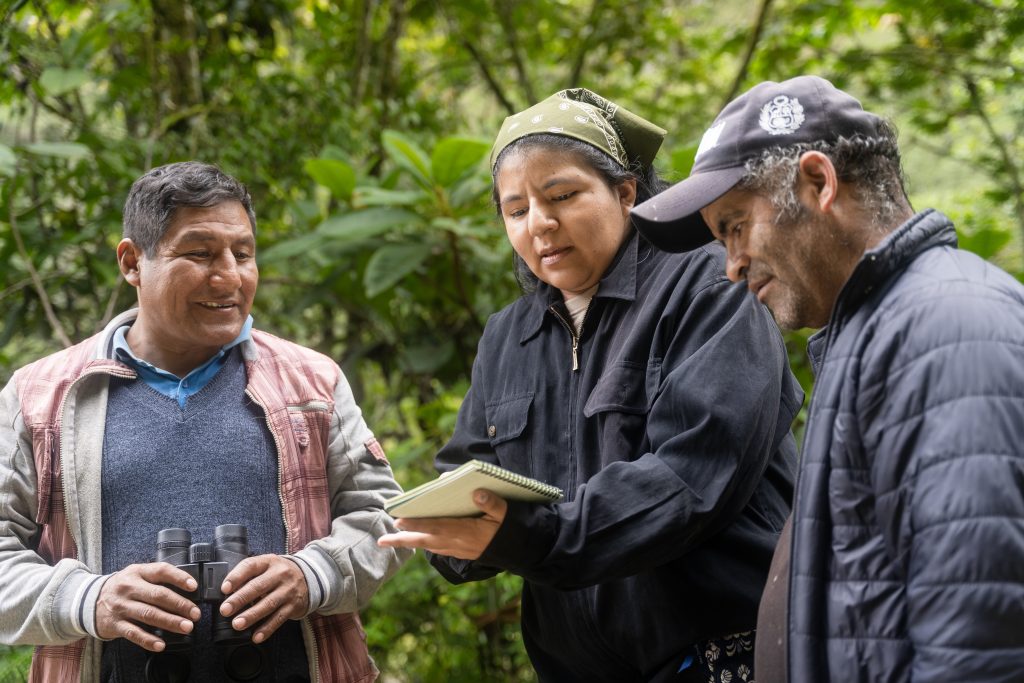
The inhabitants of the Calabaza Population Center participated in the study along with
to the technical team of the ACR San Cristóbal de Pucutá – Menkori proposal.
© Gerson Ferrer | Yunkawasi
Sustainability and next steps
The organized population of the Calabaza Population Center has as its next great challenge participate and stand out in the Global Big Day 2025, a global birdwatching event that will take place on May 10th.
As an ally of the San Cristóbal de Pucutá – Menkori Regional Conservation Area proposal, Calabaza aims to to distinguish itself and position itself as a key destination for birdwatching at the regional and national level.
“The idea is to continue promoting our town with this new bird inventory we have created, so that we can reach more tourists and move forward.”, "That's what Carlos De la Cruz, agent of the Calabaza Population Center, concluded.".
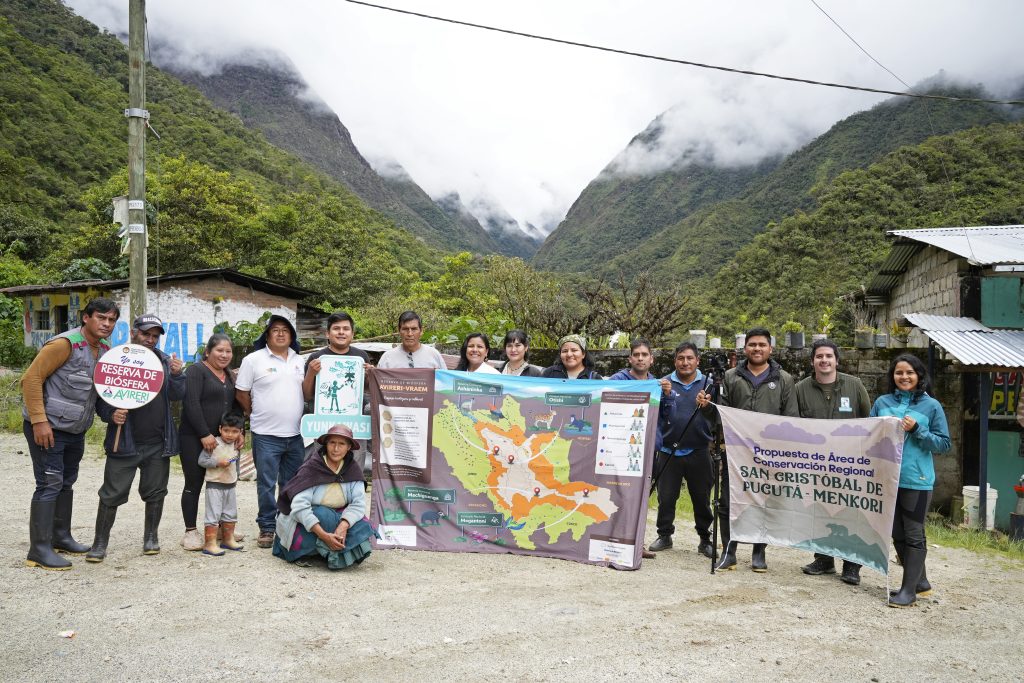
The local guides from the Calabaza settlement, together with the team from the Regional Government of Junín,
Yunkawasi Civil Association and Provincial Municipality of Satipo.
© Gerson Ferrer | Yunkawasi
Press contact:
Gerson Ferrer | [email protected] | +51 945 690 022