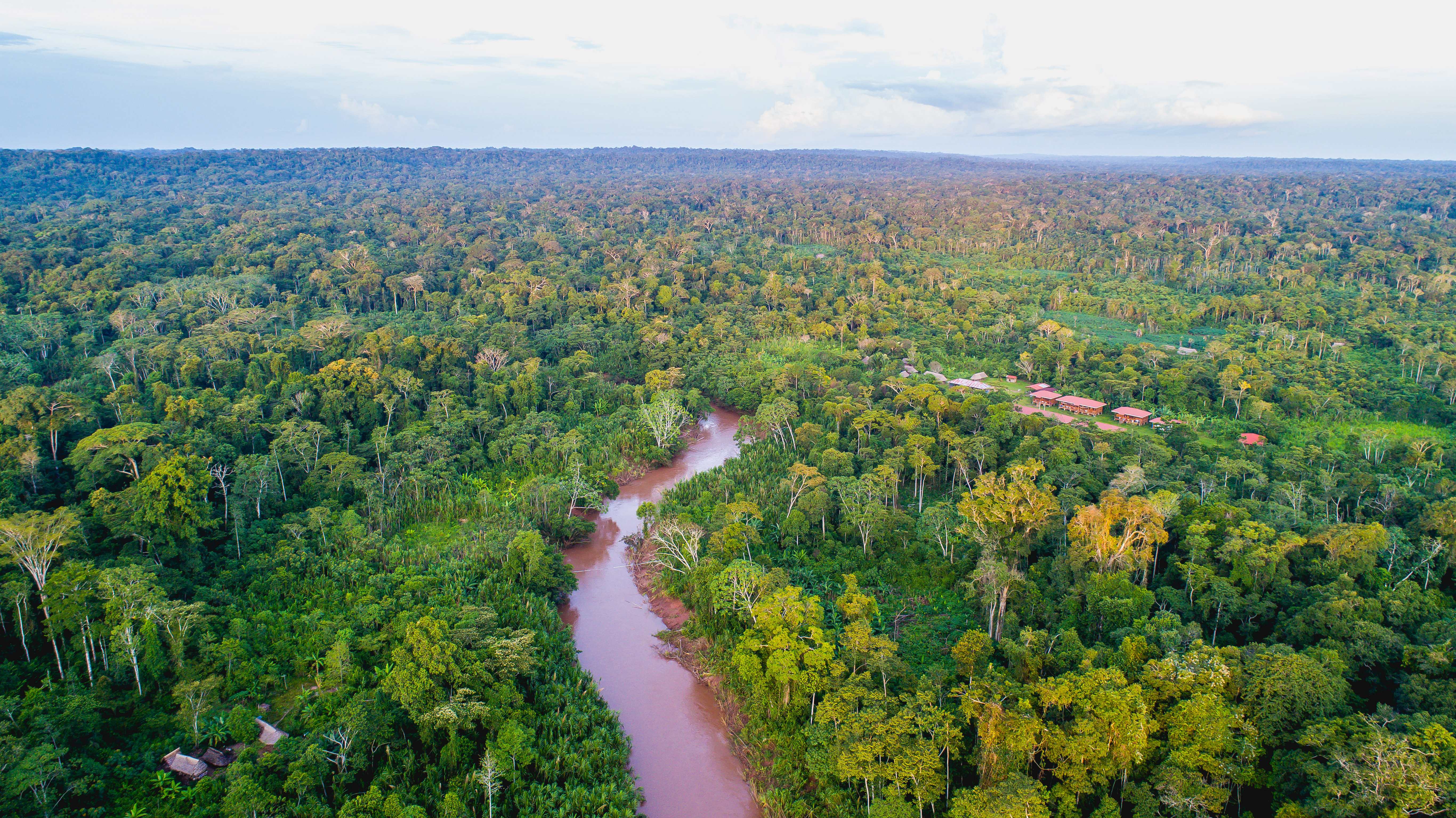
Lima, September 2022. – According to information from the Ministry of Energy and Mines of Peru, there are more than 3,000 environmental liabilities in the areas of Loreto, Piura, Tumbes and Puno generated by hydrocarbon pollution between 1863 and 1993 due to the lack of regulation in the exploitation of this product.
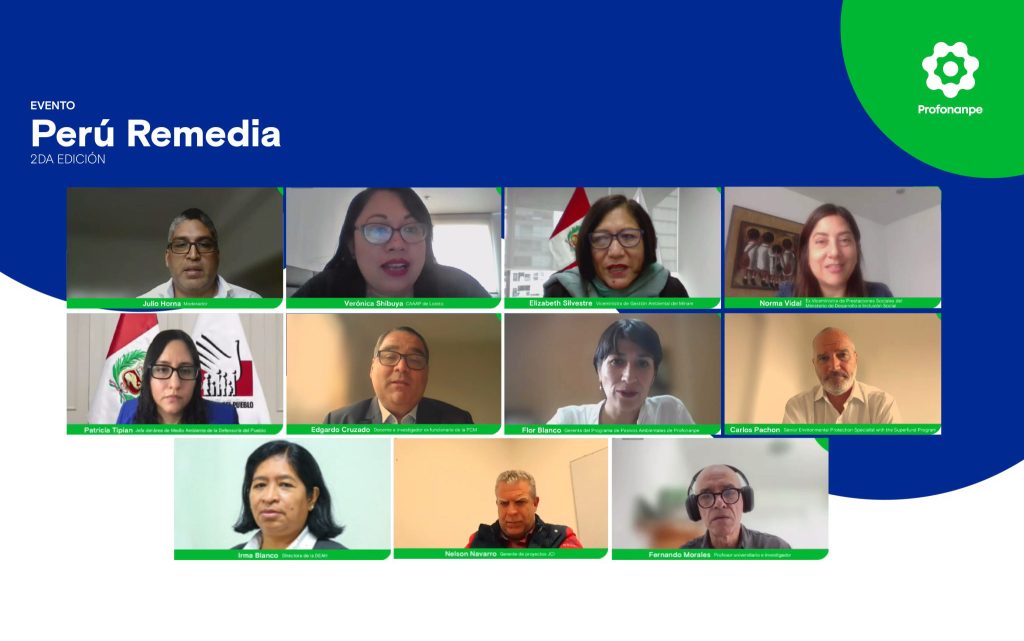
During the II Peru Remedia organized by Profonanpe, the most important private environmental fund in Peru, leaders of social organizations, the State and private companies addressed this difficult problem in order to find answers to accelerate the remediation process of environmental liabilities in the area of the Tigre, Pastaza, Corrientes and Marañón basins.
What are the keys to quickly and effectively treating these areas? We explain below:
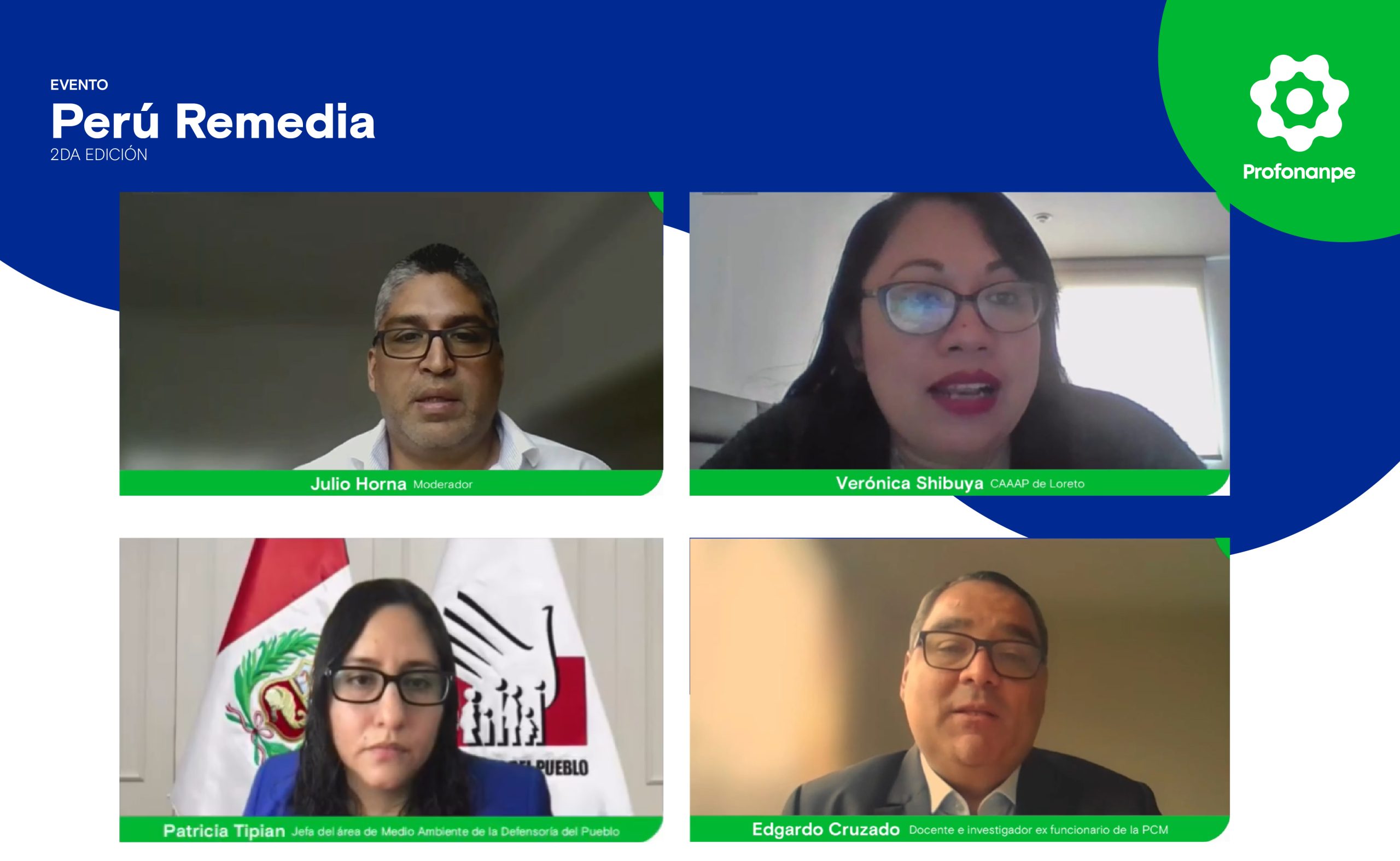
- Comprehensive and multicultural vision: It is important to consider the various stakeholders in the remediation process, such as the Indigenous communities historically affected by the pollution. Likewise, according to consultant and researcher Fernando Morales, it is also urgent to assess the ecosystems and environmental conditions of the affected areas. For Verónica Shibuya, coordinator of the Amazonian Center for Anthropology and Applied Practice (CAAAP), this represents a challenge in implementing the plans, due to the lingering mistrust among the population. She emphasizes the work that Profonanpe is doing to build relationships with the communities and thus develop the necessary remediation plans.
- Commitment of the authorities: The commitment of the various state organizations responsible for the process is fundamental to quickly addressing any difficulties that may arise and adapting regulations to help accelerate remediation efforts for the benefit of the communities. In this regard, Patricia Tipian, head of the Environment Department at the Ombudsman's Office, urged these organizations to assist in the development of remediation plans to minimize the number of objections raised.
- Synergy in the development of the studies: The integration of the various rehabilitation plans for the future execution of the process is considered paramount by Nelson Navarro, JCI's project manager. According to the expert, it is essential that—from the outset—the entities participating in the project carry out the necessary validations and provide support throughout the development process, so that it "doesn't just remain at the level of meetings or participatory workshops.".
- The integration of alternative technologies and strategies: Beyond remediation technology, innovative strategies are needed to make the remediation process more sustainable. As highlighted during the various presentations, integrating innovative technology to treat contaminated soils in the rainforest and transform them into usable material for road construction—a process proven in diverse contexts and at significantly lower costs—is crucial.
For her part, Norma Vidal, former Vice Minister of Social Benefits at the Ministry of Development and Social Inclusion, highlighted the potential of the Board of Directors of the Contingency Fund for Remediation and recommended evaluating the responsibilities of Profonanpe, the entity in charge of the Fund's technical and administrative secretariat, in order to innovate and play a more active role in the remediation process. "The procedures require constant innovation, and that involves a certain degree of discretion on the part of the implementing agency because without innovation, there could be many obstacles preventing progress," she noted.
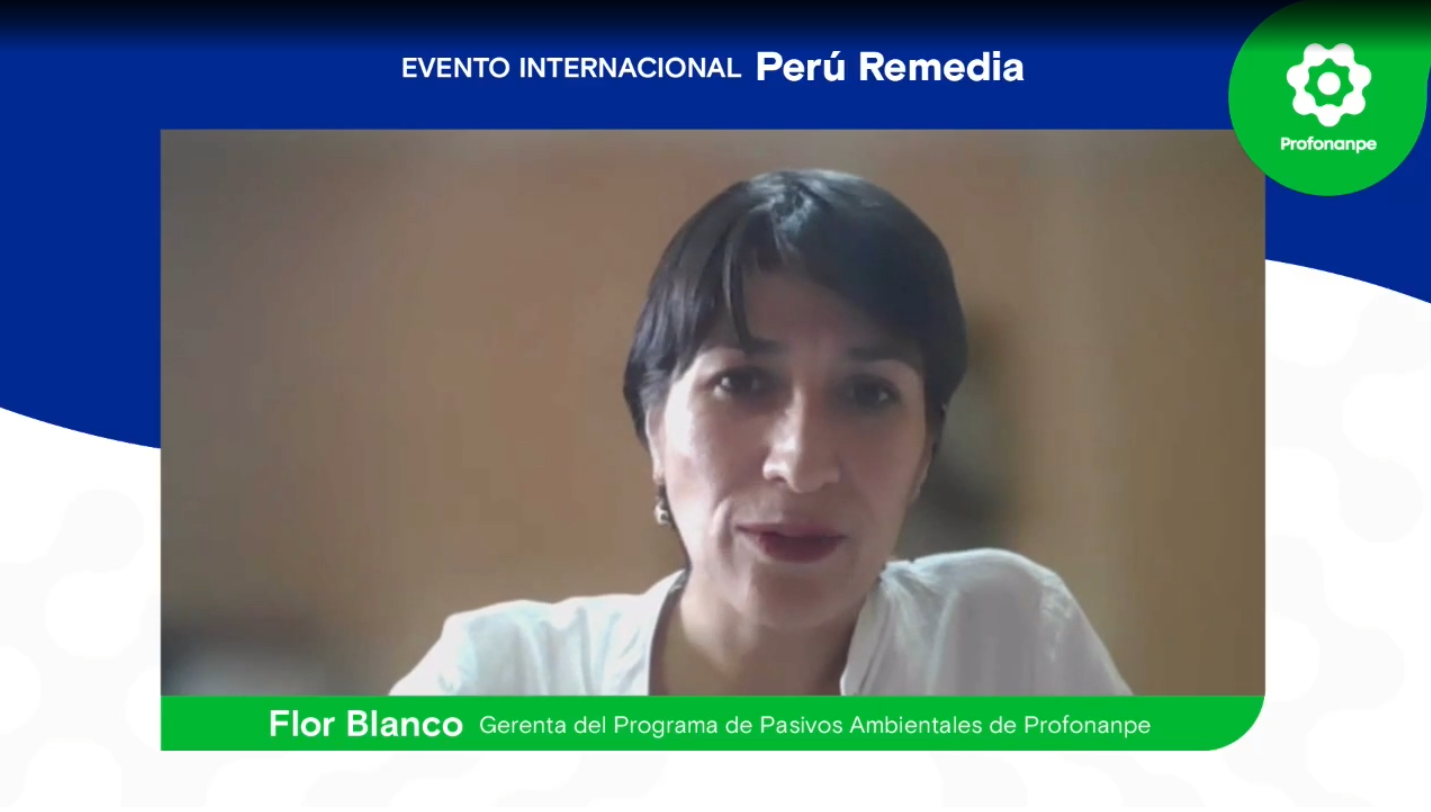
Finally, Flor Blanco, manager of the Environmental Liabilities Program at Profonanpe, pointed out that the environmental remediation process is a "long and complex process." She asked the organizations involved to reconsider the project's objective: "to address this health and environmental situation as a matter of priority and exceptional urgency.".
Officials from the Ministry of Energy and Mines, as well as the Ministry of Environment, also participated in the II Peru Remedia.
Download the presentations from the participants of Peru Remedia 2022 here.
About Profonanpe:
Profonanpe has established itself as the most important private environmental fund in Peru. Since its founding, it has been characterized as an institution specializing in creating, developing, and implementing innovative processes in administrative and fund management, as well as participatory management and private sector involvement, for biodiversity conservation and climate change mitigation and adaptation.