Gunter Yandari remembers learning to fish alongside his father in the lakes of the Pirumba River basin. From childhood, he learned to set up fishing spots and navigate the lagoons in search of schools of boquichicos (a type of catfish). Fishing, as for most members of his community, became his livelihood. Or perhaps something more than that: Gunter's story was an extension of the way of life of his people, the Kandozi, whose essence is directly linked to the bodies of water and the species that inhabit them. Water sources are so important to them that they bear their own names, even for streams or seasonal lakes. Fishing as a subsistence activity is so significant that traditionally, the men's names were used to designate the species of fish.
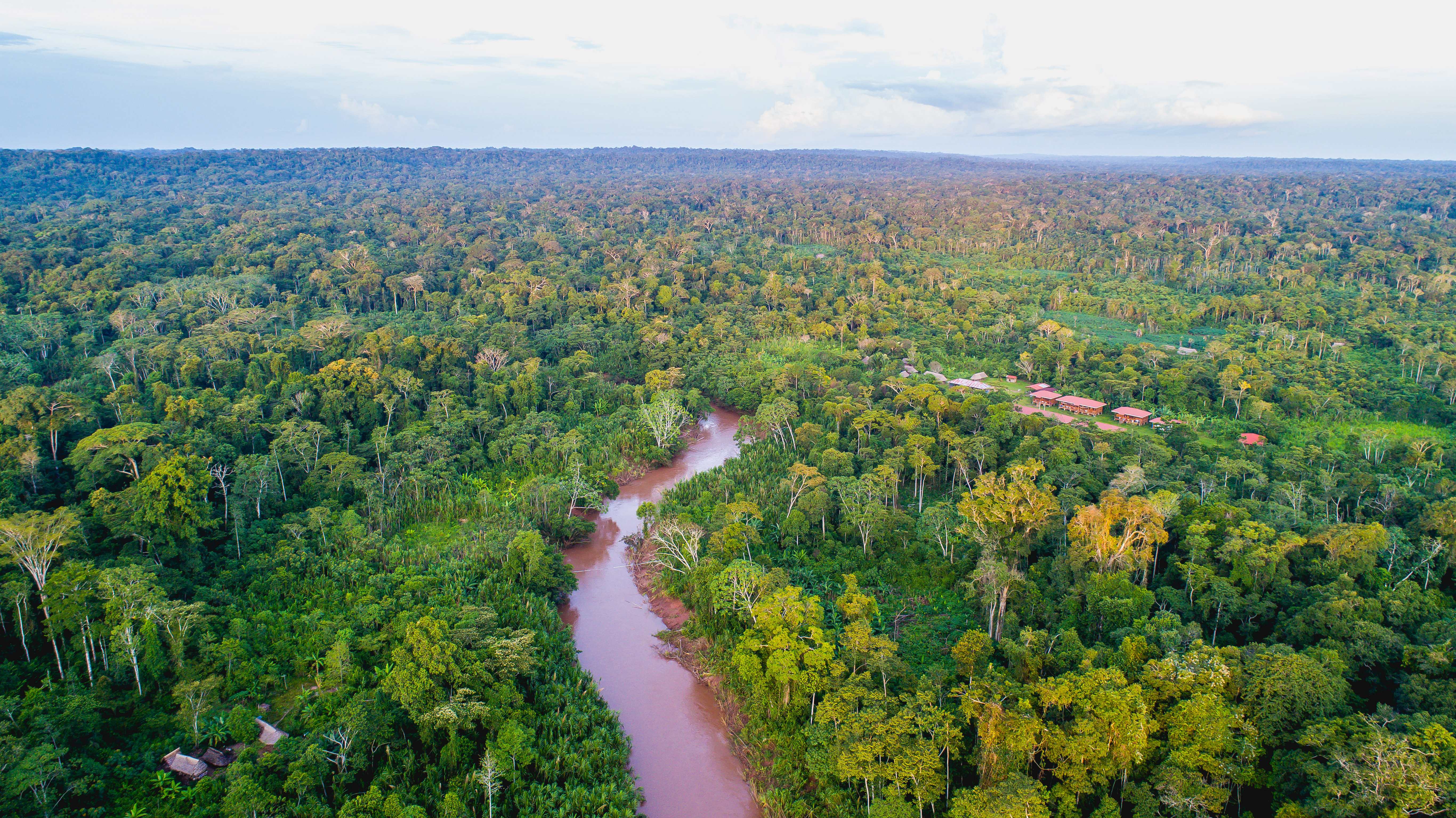
Gunter is currently the president of the Katimbaschi fishermen's association, which brings together 120 indigenous fishermen from 20 native communities. He is a middle-aged man with a discreet manner. In partnership with the Datem Wetlands Project, Katimbaschi harvests approximately 500,000 kilos of fish per season and manages an ice plant in the Musa Karusha Native Community. The association's fishing grounds are the Musa Karusha Lake System, which comprises Lake Rimachi, the largest lake in the Peruvian Amazon, and a network of 40 smaller, interconnected lakes. This system is the result of blocked valleys in the Pastaza River basin, created by sediment accumulation—a unique feature in the Amazon. Because the Pastaza River lies within the Equatorial Convergence Zone, it is influenced by the hydrology of both the Northern and Southern Hemispheres. Consequently, it experiences two periods of high water, corresponding to the rainy season in each hemisphere.
The Kandozi have inhabited this territory for hundreds, if not thousands, of years. It is here, where the line between land and water is blurred, that fishing has been their primary means of subsistence. During the second half of the 20th century, however, the Kandozi experienced restrictions on their access to large bodies of water or were at a disadvantage in the fish trade. Today, thanks to organizations like Katimbaschi, this is gradually changing.
A fishing village
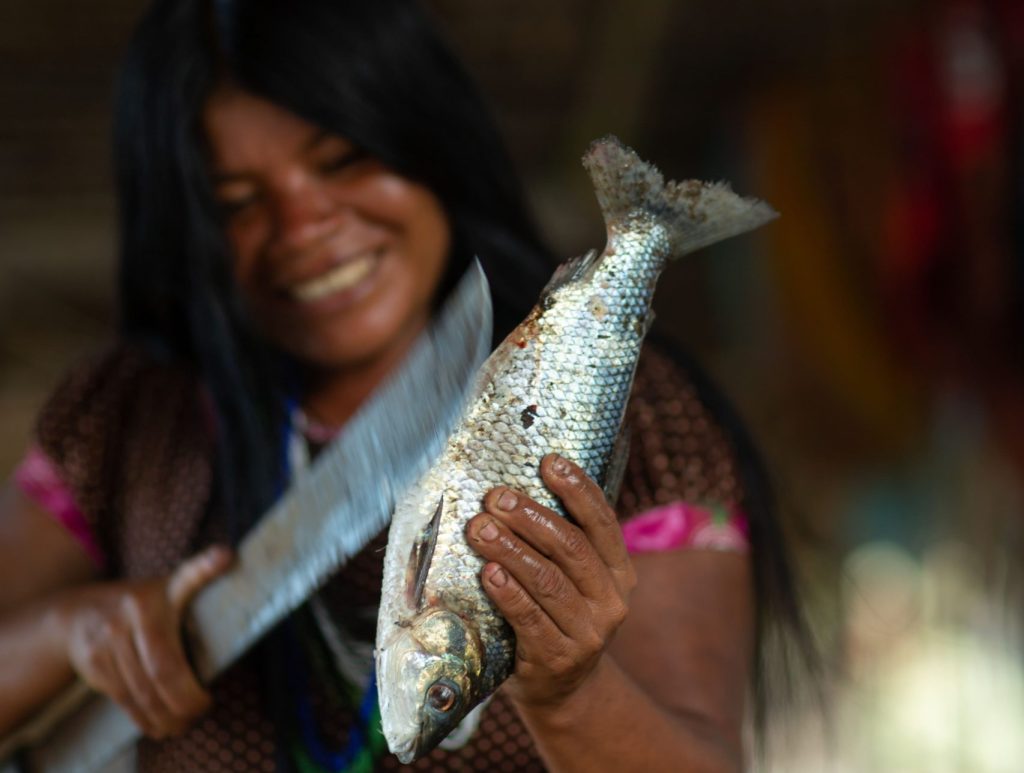
The cultural practices associated with fishing and other subsistence activities, such as hunting and farming, are part of an Indigenous knowledge system deeply rooted in the region's ecology. The Kandozi fishermen are well aware that during the low-water season, or mijano, large fish leave the palm swamps and migrate to the lakes, where they are easily caught. The Kandozi know the migration routes of these species and the optimal time for their capture. Knowledge of the hydrobiological cycles and the ancestral practices associated with them have been passed down through generations via the Kandozi-Chapra language, a unique linguistic family in Peru.
Historically, the Kandozi inhabited the area near Lake Rimachi. During the 18th century, they were "reduced" by the Jesuit order at the mission. Our Lady of Sorrows of Muratas, located in the Lower Huasaga. For this reason, until the end of the 20th century they were known as “muratos”. kandozi, The autonym by which they identify themselves means "us and beings like us," which distinguishes them from other human groups such as the Wampís or the Kichwa. It also distinguishes them from certain species of animals and plants, which can be considered people. Currently, according to the Indigenous Peoples Database of the Ministry of Culture, it is estimated that 4847 citizens live in Kandozi communities and 1597 self-identify as such based on their ancestry and customs.
Fishing has been practiced by the Kandozi for generations. The capture of fish has traditionally been accompanied by ritual practices, the most important of which is the use of incantations, which are also used in hunting and harvesting. These incantations consist of latanias recited in a low voice and in a personal manner. Women are taught the chants related to garden plants, while men learn the incantations for game animals. In the case of fishing, there is a single chant for all species of fish, but different chants are used for different fishing techniques. Therefore, both fishing and the territory where it takes place have a sacred component for the Kandozi. According to their creation myth, the mainland, called tsaponish, It emerged from Lake Rimachi (Musa Karusha in Kandozi) and can disappear underwater at any moment. This sacred place, however, was restricted to the Kandozi for decades, until its "reclamation" in the 1990s.
The battle for Musa Karusha
Peru and Ecuador clashed in a war in the early 1940s. Due to the armed conflict, the Amazon region gained particular importance for the government, especially the northern territories where the war was fought directly. Suddenly, the then-province of Alto Amazonas became especially important for the Peruvian state. With the aim of exploiting strategic resources, in 1945, without consulting the Kandozi people, the government of Manuel Prado determined that Lake Rimachi would become a fishing reserve for large Amazonian fish species, particularly the paiche (Arapaima gigas) and the gamitana (Colossoma macropomumThis meant, at least formally, that the lake was a no-fishing zone. The government installed a checkpoint that operated at its discretion until the Armed Forces took over during the military dictatorship of Juan Velasco Alvarado and Francisco Morales Bermúdez.
In the 1980s, the government allowed fishing in the area for any vessel that could obtain a permit, but this was only possible for mestizo fishermen who spoke Spanish. At that time, most Kandozi were monolingual and had a low level of formal education, a public service that remains deficient in their communities. This policy allowed outside vessels to enter Lake Rimachi while the Kandozi were prohibited from doing so. The exclusion of the Kandozi resulted in the overexploitation of fishing resources and widespread social discontent. The government had cut them off from their primary source of fishing resources, as well as from the most important sacred site in their spiritual system. This situation led to a protest: in 1991, the Kandozi communities occupied the Ministry of Fisheries checkpoint and blocked all commercial fishing vessels from entering Rimachi. The blockade lasted for nearly two years.
Only in 1993, thanks to the direct intervention of the then-President of the Republic, an avid Amazonian fisherman, was the impasse between the State and the Kandozi people resolved. The Loreto Regional Fisheries Directorate recognized “the presence and rights of the Candoshi and Jíbaro native communities settled within the Pastaza River Reserved Zone” and established an agreement for the community administration and monitoring of the reserve. Thanks to this agreement, the Kandozi communities assumed effective control of the lake and began a process of species recovery. However, despite this progress, the Kandozi became dependent on mestizo intermediaries, who became the buyers of the resource. In this system, the Kandozi were responsible for fishing and processing the fish, gutting and salting them, while the mestizos bought the product and sold it in local markets.
Under these circumstances, Indigenous fishermen acquired supplies such as motors, nets, and salt from traders, who provided these items in advance. The Kandozi incurred debts and had to intensify fishing to repay their obligations to the mestizo traders. Gunter recalls that, during this period, around the mid-1990s, the Kandozi's trading options were limited, which affected the price of their product.
“Before, we depended on other merchants who bought on credit; sometimes they paid, sometimes they didn't. That's how we used to work. In those days, there weren't any merchants like us; they were mestizos, and we had to sell cheaply because they wouldn't pay more—50 cents a kilo, 1 sol. Two soles a kilo was high for us; two soles was a great price back then.”
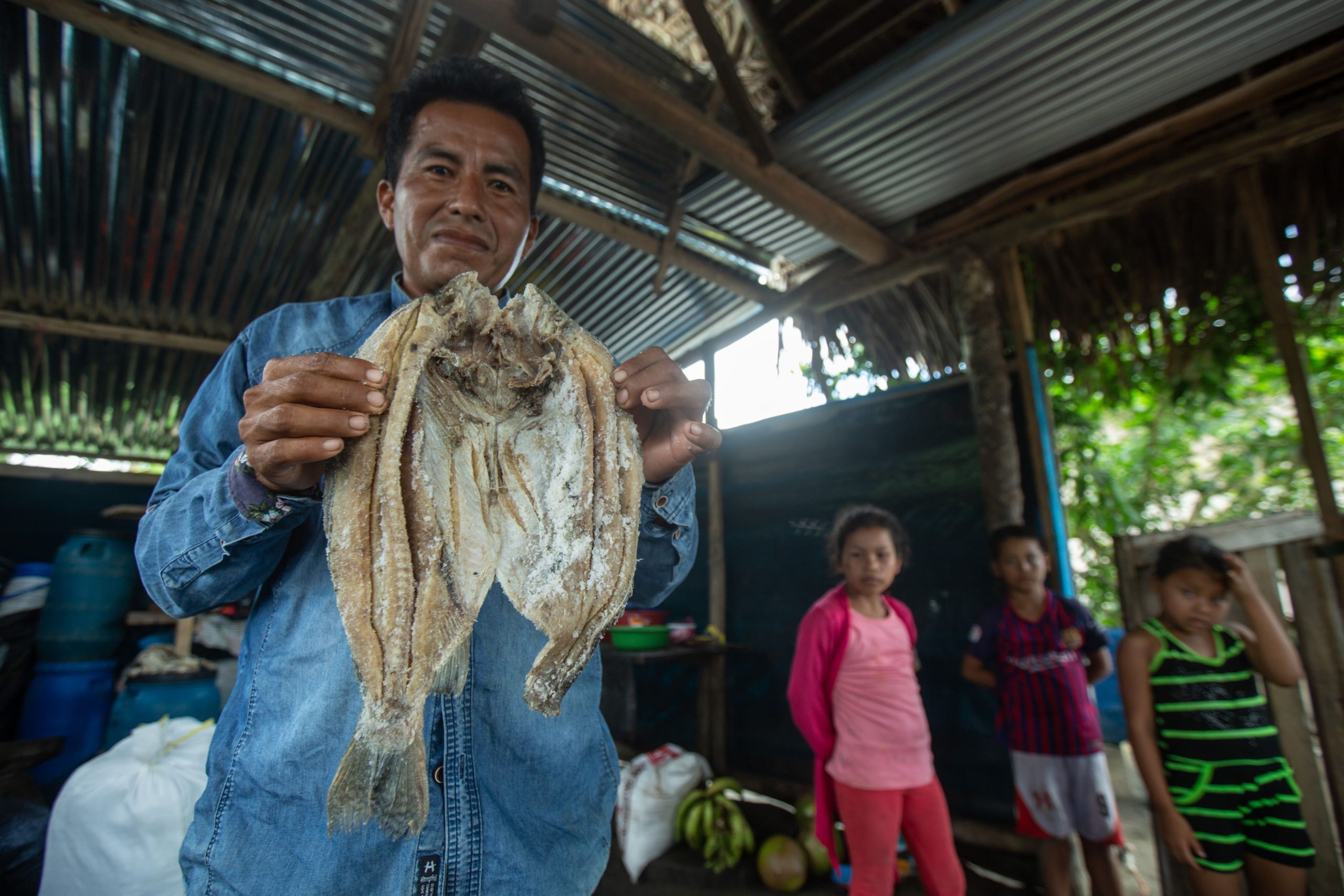
On the other hand, the Kandozi were introduced to new fishing technologies. Traditional and ritualized methods had a lower extraction capacity than tools such as synthetic nets and motorboats. This technological shift also contributed to the overexploitation of fish. Furthermore, due to the difficulties of preservation, the fish were salted for sale. This practice dates back hundreds of years in the Amazon, having been introduced by evangelizing missions. Salting allows fish to be preserved for approximately one month without refrigeration; however, it substantially alters the product, negatively impacting its nutritional properties: it adds large quantities of sodium and changes the composition of fatty acids.
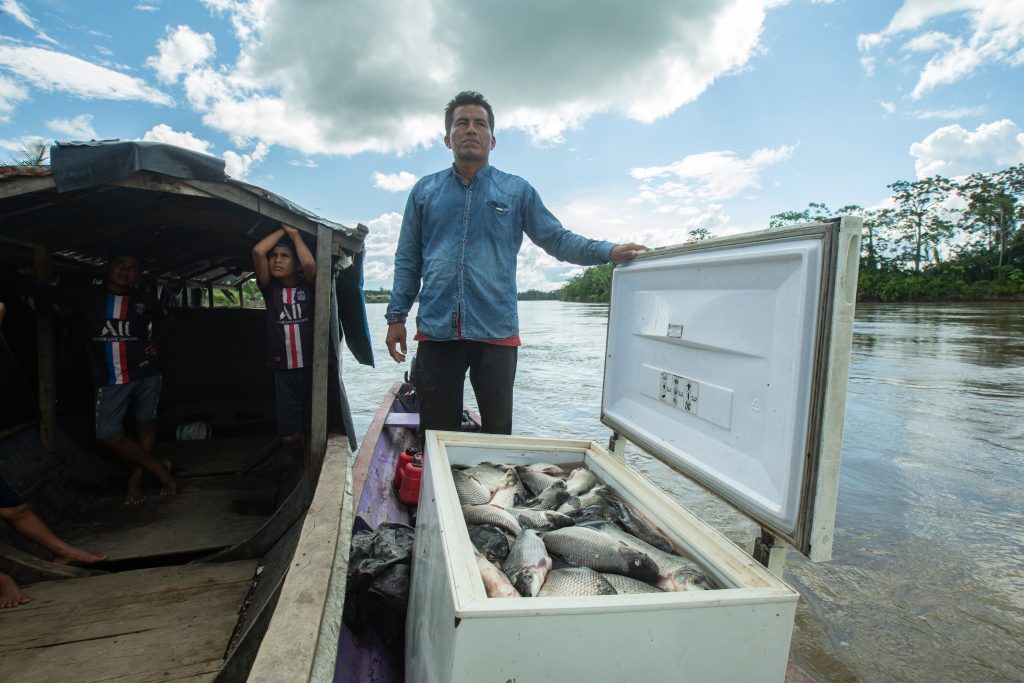
Crucially, the fish is also not beneficial for primary producers. Dehydrating the flesh reduces the product's weight and generates losses. However, without access to ice and cold storage, the Kandozi had no other option. “What were we supposed to do?” Gunter tells me, recalling the situation. “We dried and salted it, we had no other choice… but we lost weight. Others came in with freezers and ice, but we couldn't.” Despite the restocking efforts in the lake basin initiated after its recovery, the commercial conditions for selling the fish ultimately encouraged overfishing to compensate for the weight lost during the conservation process. This situation persisted for more than a decade.
Towards fairer trade
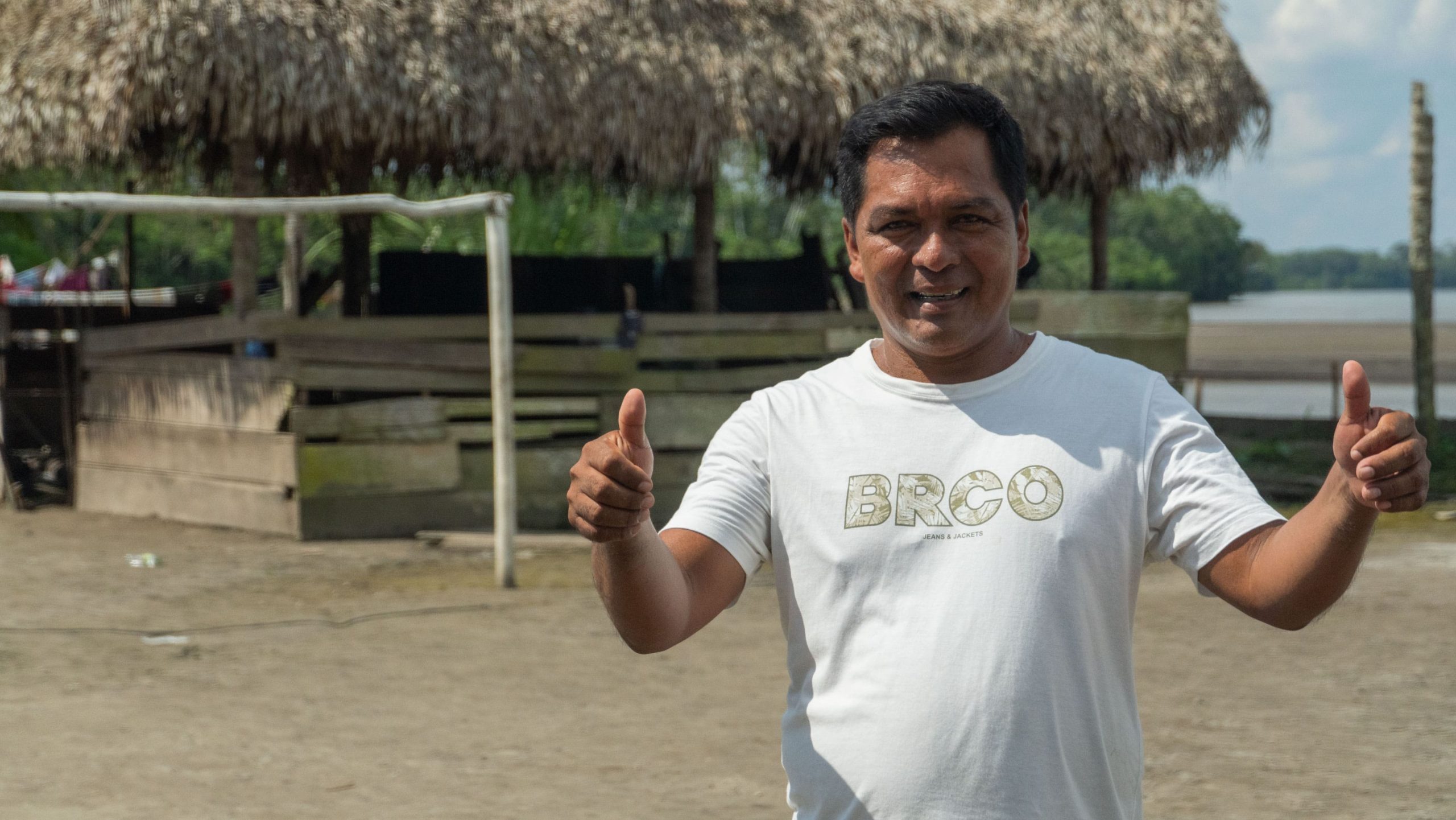
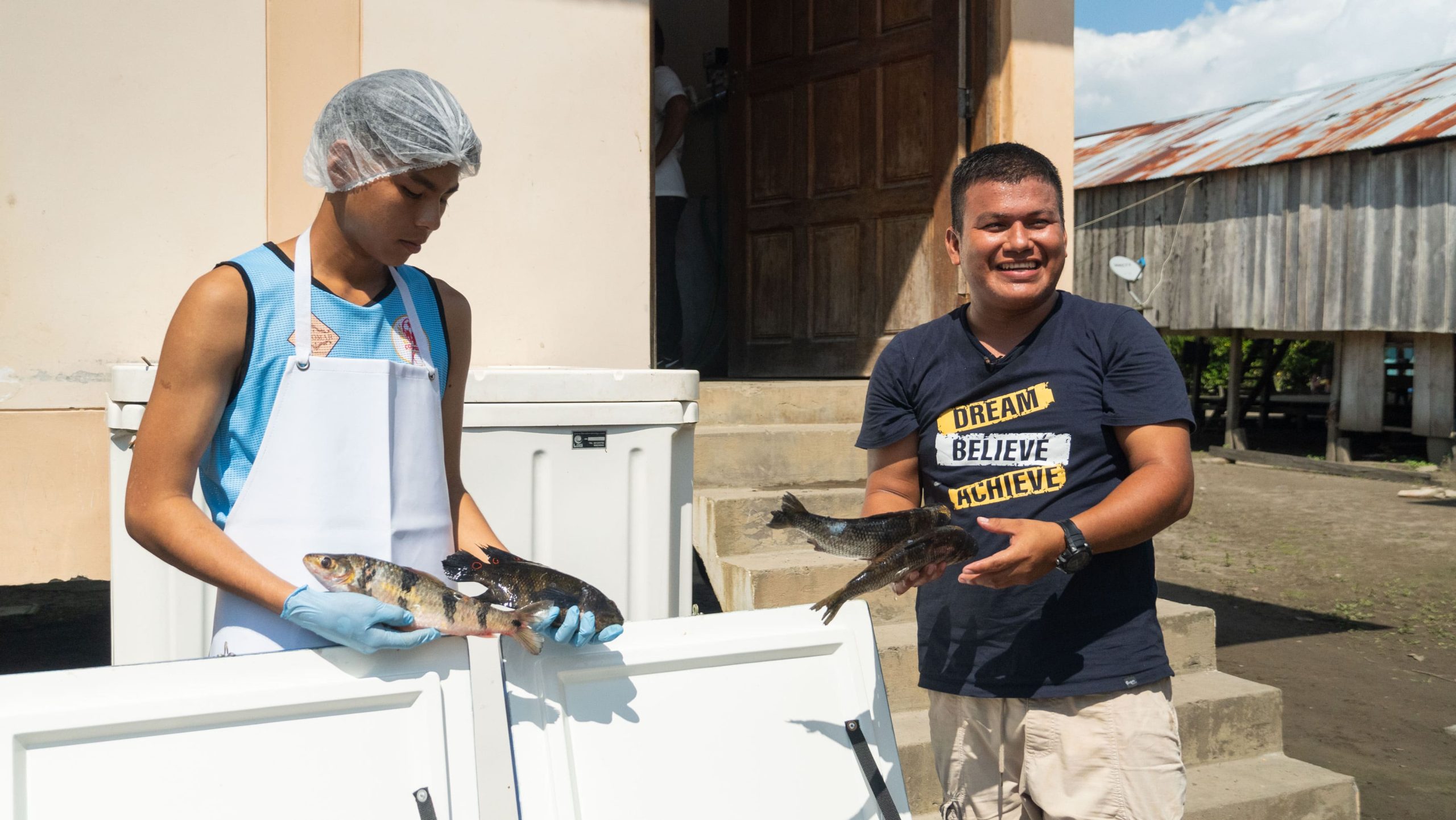
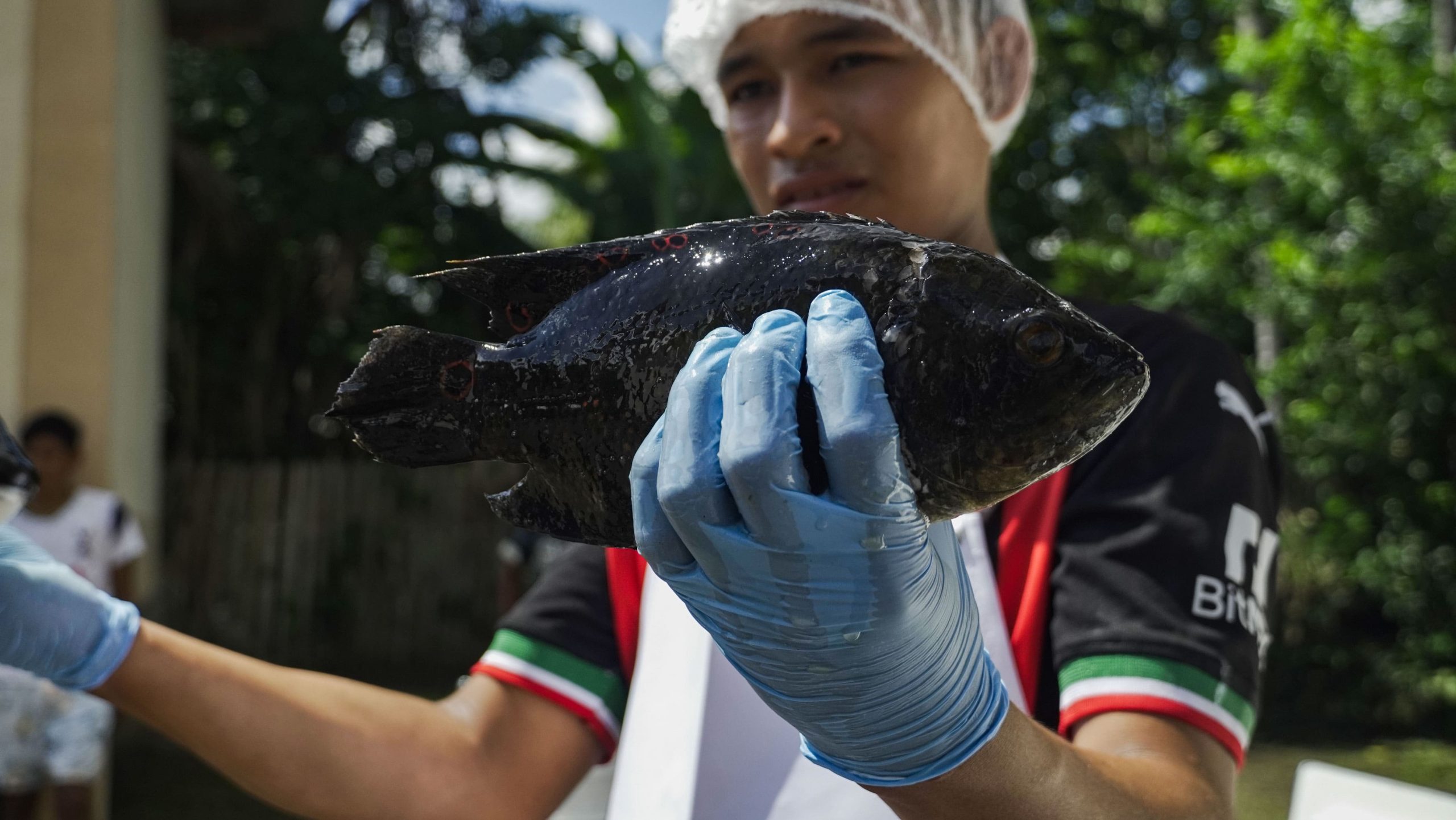

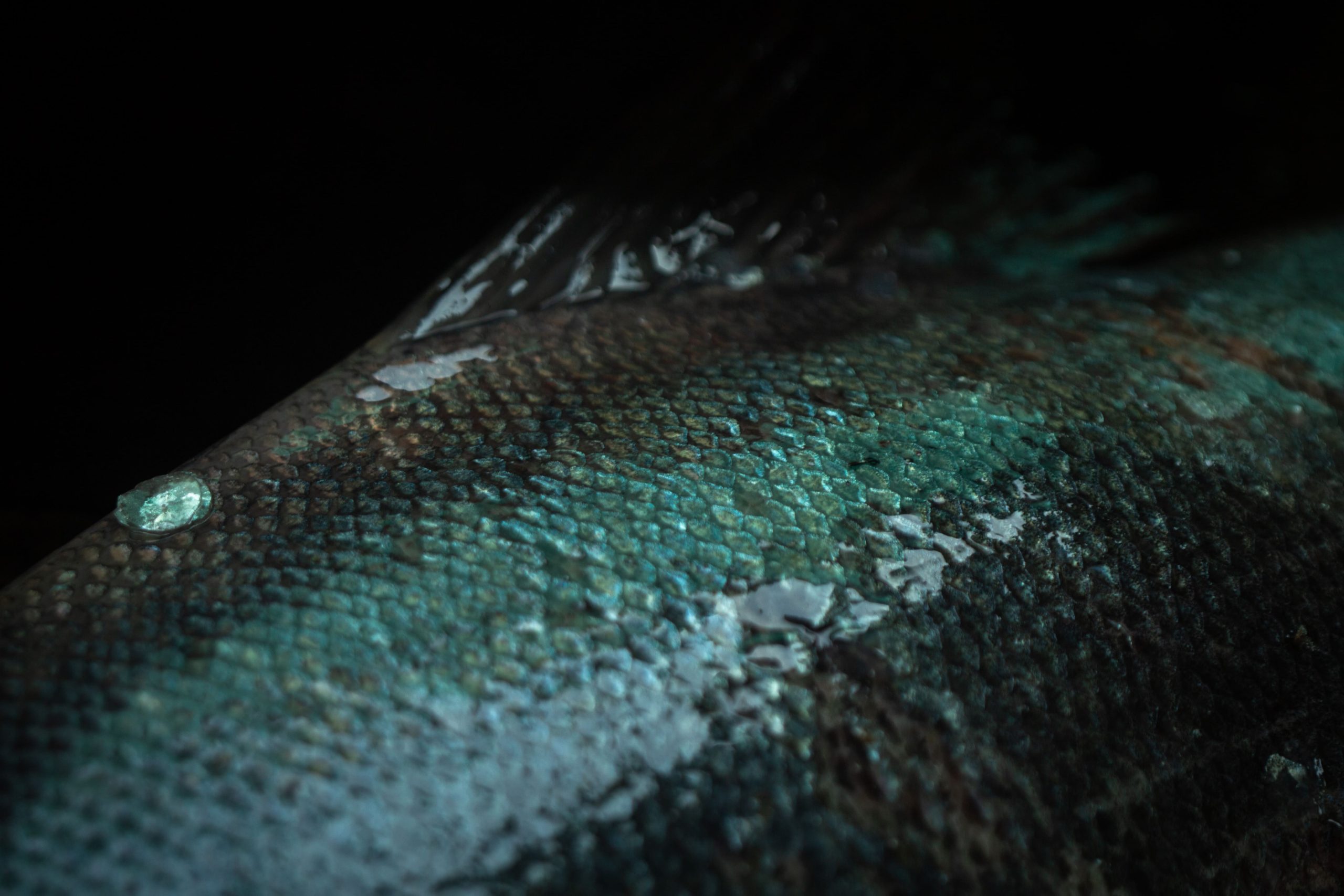
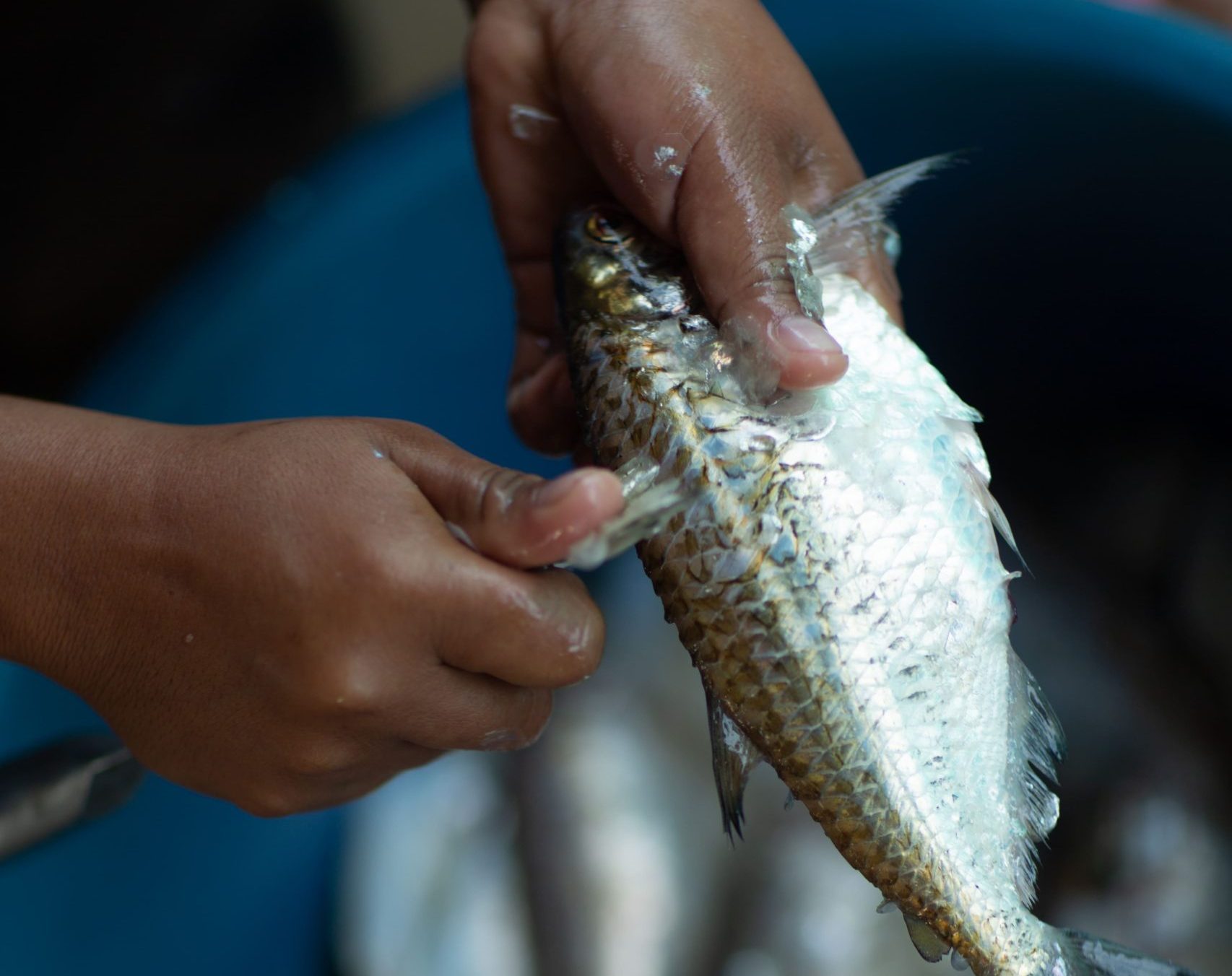
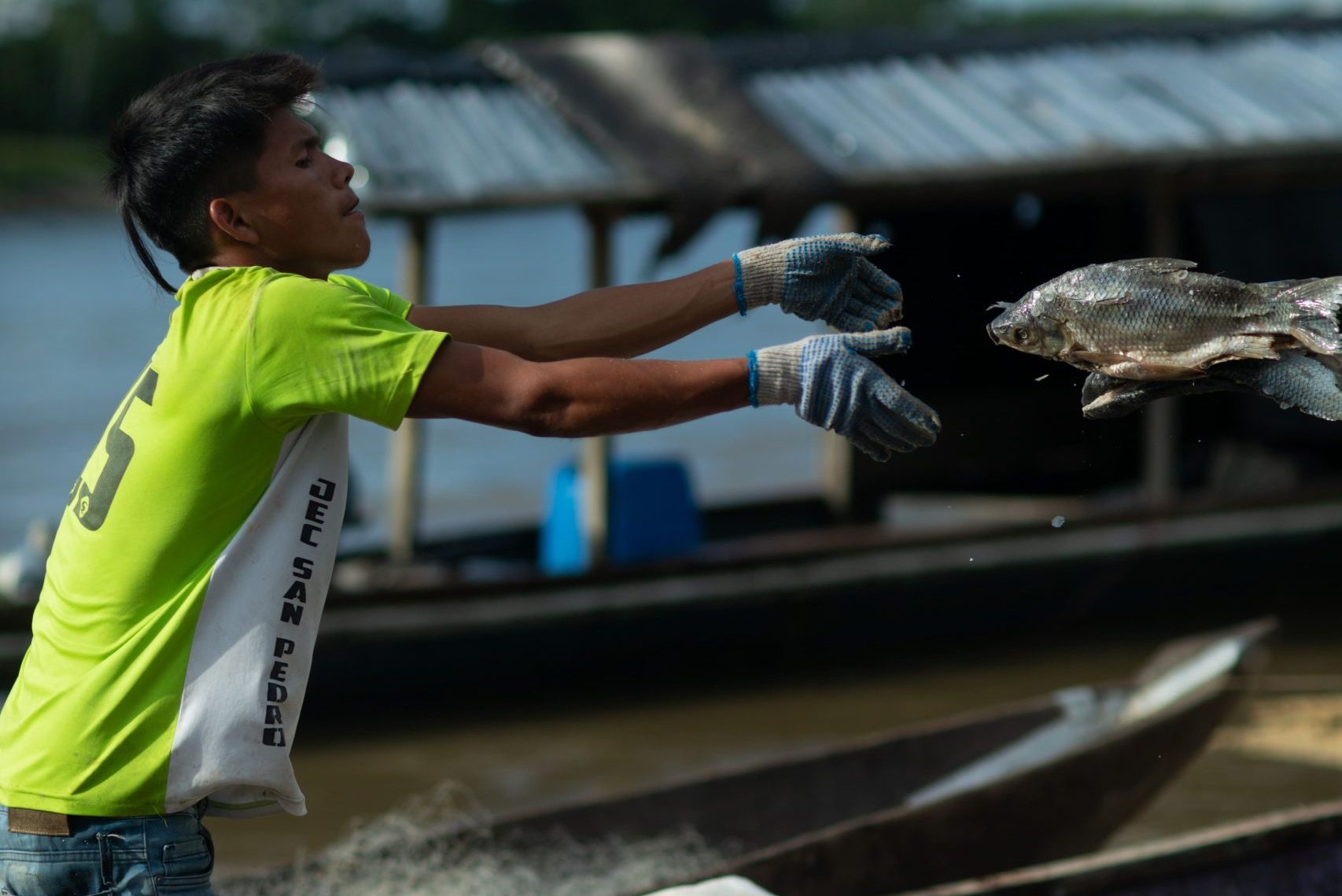
The changes began in the mid-2000s. Thanks to the support of non-profit organizations, the Kandozi organized themselves into artisanal fishing associations to process management plans. Between 2004 and 2006, the Kandozi formally obtained their first fishing permits. Katinbaschi, in the Pastaza district, an association of which Gunter is president, and Kachizpani, in the Andoas district, were among the associations created during this period. Currently, Kachizpani brings together more than 100 Kandozi fishermen from seven native communities, whose fishing grounds are located in the oxbow lake system of the Huitoyacu basin, on the right bank of the Pastaza River.
Profonanpe, through the Datem Wetlands Project, has strengthened the work initiated by non-profit organizations and the Kandozi communities. The central elements of the intervention are the implementation of clean technology that allows for a shift in marketing patterns adopted in recent decades and the provision of training focused on the sustainability of fishery resources. For example, Kandozi fishers have learned the necessary mesh sizes to avoid catching undersized fish. They currently use nets with a stretched mesh opening of 3.5 inches or larger, in accordance with their production management plans.
In 2019, Profonanpe began studies for the construction of ice plants powered by photovoltaic technology to transform the fishing business model, enabling Indigenous people to sell fresh fish and limiting the role of intermediaries. According to Gunter, the ice plant was requested by the fishermen of Musa Karusha themselves, who had begun selling fresh fish in limited quantities. The proposal involved selling directly to wholesalers in the cities of San Lorenzo, Yurimaguas, and Tarapoto, or through external buyers offering fair prices. This would reduce losses and establish more appropriate resource management guidelines for long-term conservation. Furthermore, by eliminating the costs associated with salt use, the Kandozi fishermen could increase their profits without overexploiting their lakes and lagoons.
Currently, Katinbaschi and Kachizpani operate ice plants in the communities of Musa Karusha and San Fernando, respectively. The construction of these plants was made possible by the communities donating land to install the solar panels that power them. According to Rider Gais, president of Kachizpani, ice production has allowed them to “teach our Indigenous brothers and sisters that they can do business differently” through fishing. Specifically, the plants perform two main functions. First, they treat river water for purification and industrial use. In other words, they convert it into drinking water. Second, the treated water is compressed into molds that are frozen to produce solid ice blocks. These plants began operating in the first quarter of 2021 and have continued to supply ice to both associations.
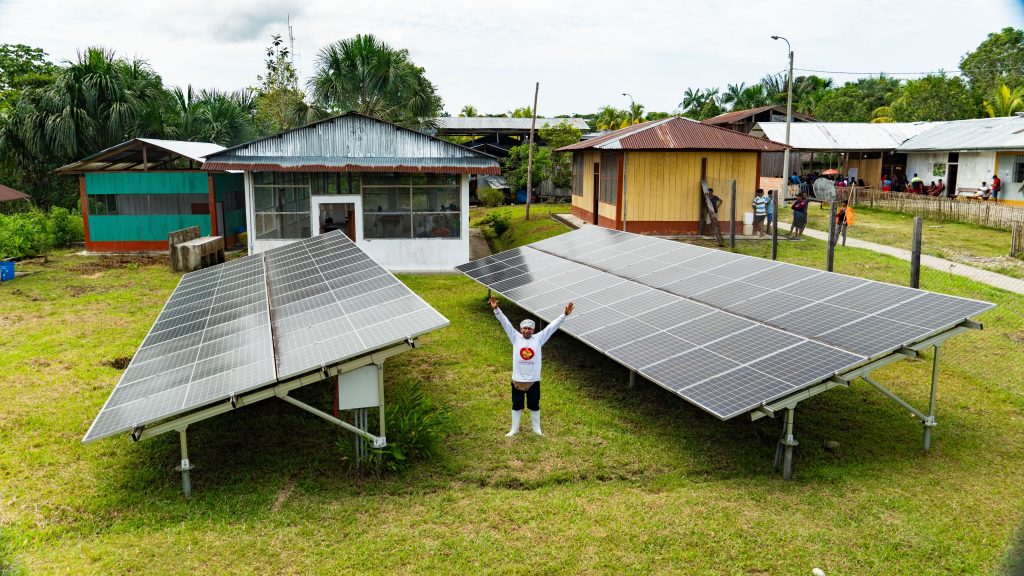
Currently, the ice plants have the capacity to produce 500 blocks of ice per month. In their first year of operation (2021-2022), the Katinbaschi factory produced 3,700 blocks and the Kachizpani factory, 2,500. These are used by both associations to transport fish to urban markets or to sell to external buyers who purchase fish in the area. In this sense, selling ice is a potentially profitable business in itself: the cost of producing a block is less than three soles, and it is sold for between 10 and 12 soles, a much lower price than ice offered in cities like Yurimaguas, where it can cost twice as much and is of lower quality, usually cloudy, yellowish, and with a short shelf life. Once refrigerated, the fish is transported to the markets by boats equipped to carry the insulated boxes.
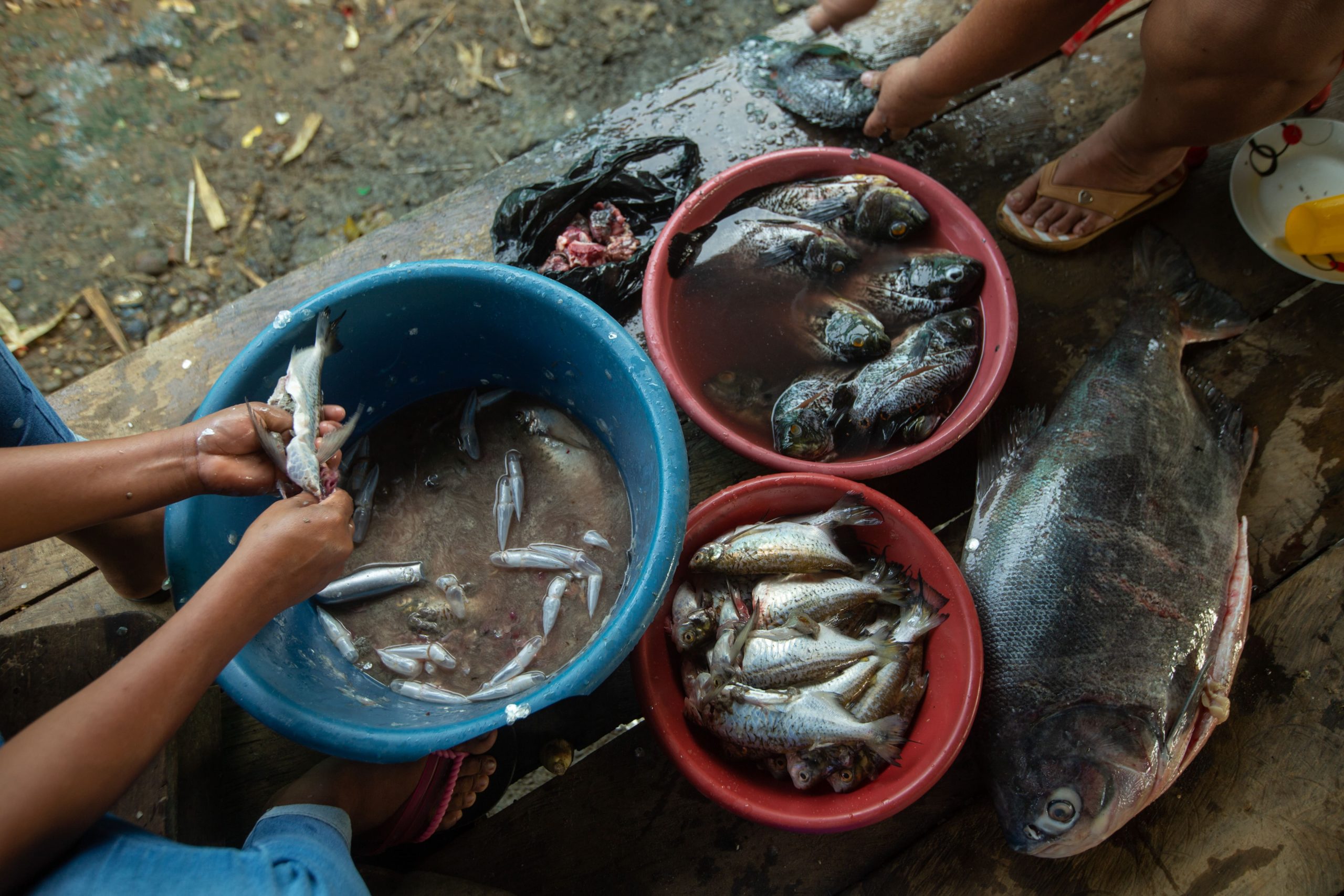
During the 2021-2022 fishing season, the total catch recorded between Kachizpani and Katinbaschi reached 648,790 kilograms. In both associations, most of the catch is used for salted fish production, but this has been changing since the ice plants began operating. Thanks to the availability of ice blocks, fishermen are less dependent on salt, and the volume of the catch is not reduced. This process has been accompanied by training focused on respecting fishing seasons and ensuring minimum size limits, as well as improvements to the physical facilities for fish processing. Evisceration and filleting are of particular importance; their proper execution minimizes waste and makes selling the product more profitable. With these newly acquired advantages, the Kandozi are claiming their place in the regional market.
Adapting to global warming
Both Gunter and Rider recall fishing for paiche and tucuna in their adolescence without much difficulty, using harpoons under the tutelage of their parents. The Pastaza Fan and the lake systems that make up the central core of the Kandozi territory are being affected by the increase in temperatures and the sedimentation of the lagoons. Lake Rimachi has been experiencing a sedimentation process due to the natural migration of the Pastaza River, but this process may also be linked to the imbalance produced by overfishing in previous decades and the disappearance from the area of biological control agents such as manatees (Trichechus inunguis). Due to global warming, summers in the Datem del Marañón could be longer, and floods would not reach regular levels.
In this context, the Indigenous fishing associations of Datem del Marañón are key players in maintaining fish populations at levels suitable for reproduction and sustainability. This is an exercise in climate change adaptation with repercussions for mitigation, as it contributes to the conservation of carbon reserves in the Pastaza Fan's hydrothermal vents. Strengthening the territorial rights of Indigenous peoples, implementing clean technology, and developing their capacity to interact with public institutions have allowed for more equitable access to resources, as well as reversing harmful fishing and processing practices introduced in the past. Paradoxically, something as foreign to the Amazon as ice is helping to conserve resources in one of the warmest areas on the planet. The cold of the ice is empowering the Kandoshi people.
Literature
Montoya, M. (2010). How Access, Values, and History shape the Sustainability of a Social-Ecological System: The Case of the Kandozi Indigenous Group of Peru. [Doctoral thesis]. University of Texas. https://repositories.lib.utexas.edu/handle/2152/ETD-UT-2010-12-2166
Surrallés, A. (2009). At the heart of meaning: Perception, affectivity, action among the Candoshi, Upper Amazon. IFEA.