
The conservation of biodiversity, which includes genetic resources, is fundamental for sustaining the productive value and vitality of agroecosystems, as well as for the economy of thousands of families in the southern highlands of Peru. Therefore, it is important to promote its valuation in order to raise awareness and prioritize measures against negative impacts of climate change that may affect our natural heritage.
In response to this situation, courses addressing topics of great importance for the Andean region, which is known to be one of the main centers of plant and animal domestication worldwide, were developed. The objective of this academic activity was to disseminate traditional knowledge that promotes the sustainable development of high Andean agriculture and the conservation of the rich agrobiodiversity in crops and breeding.
One of the most important and complex challenges these days is related to health and the environment. Addressing these urgent problems requires integrated efforts by multidisciplinary teams, which must be committed to protecting biodiversity and caring for environmental health; the health of humanity depends to a large extent on this. In this regard, and through the GEF Agrobiodiversity GIAHS II project, virtual courses on the conservation and use of genetic resources are being developed, this time in the southern highlands of Peru, with the participation of renowned national specialists.
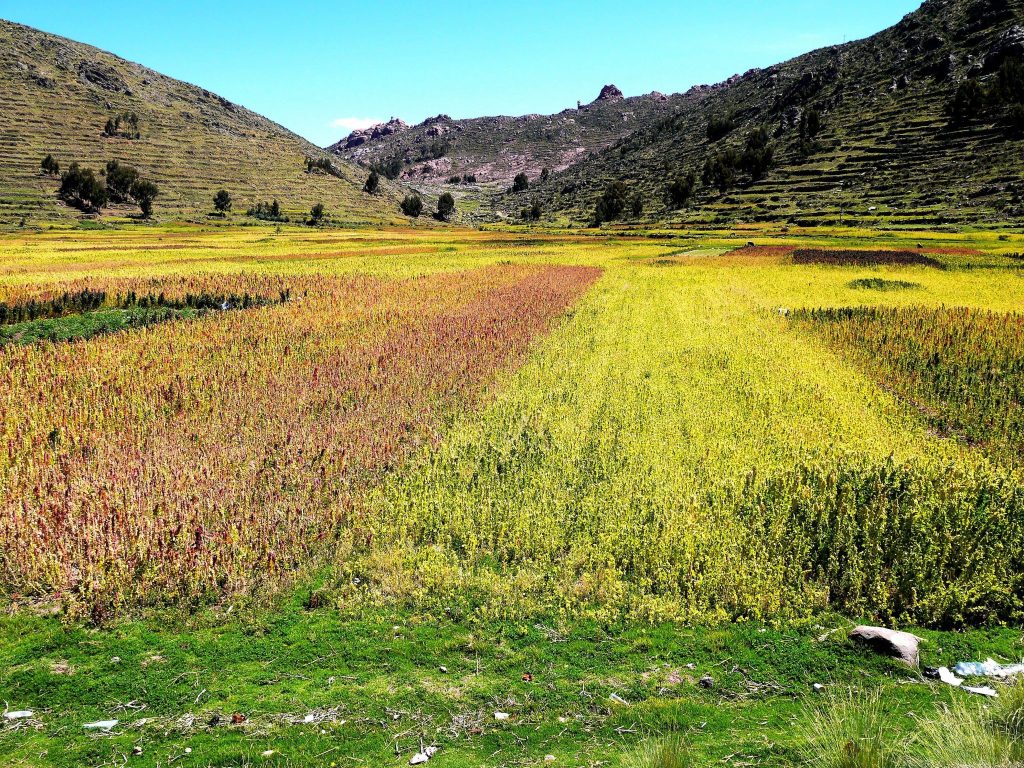
The training sessions covered topics such as the conservation of the diversity and variability of crops such as potato, corn, quinoa and other Andean grains, medicinal plants and their wild relatives, as well as the improvement and use of genetic variability to obtain new varieties adapted to the different high Andean environmental conditions. Other topics addressed included the breeding and use of South American camelids, the management of high Andean pastures and the complementary relationship with the Amazon region.
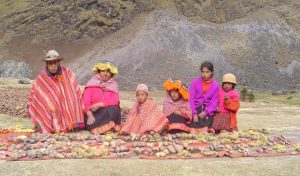
The actions and initiatives of international cooperation, universities, regional governments, NGOs, as well as the participation of Andean producers in the decision and implementation of development plans, were also discussed in the training sessions.
The training course was attended by professionals from MINAM, MIDAGRI and INIA, as well as officials from the regional governments of Cusco, Apurímac Huancavelica, Arequipa and Puno, who presented diagnoses and application proposals based on the knowledge gained in the sessions.
These courses have been developed through the GEF Agrobiodiversity SIPAM II project, a project developed by MINAM, MIDAGRI, FAO, GEF and Profonanpe. These activities are intended to favor the growth of traditional Andean agriculture, which is considered the most important in the region from a social and cultural identity point of view.