(Photo: Regional Government of San Martín)
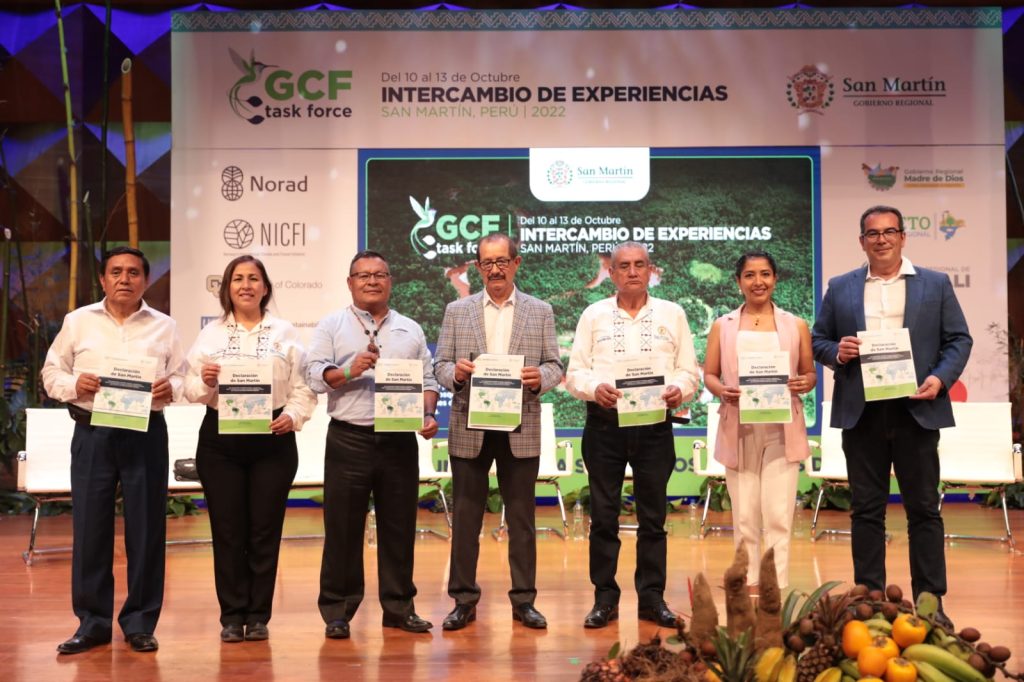
From October 10th to 13th, the first Exchange of Experiences of GCF Task Force, The event showcased over 60 conservation initiatives and brought together authorities from 39 subnational governments across 10 countries and more than 70 organizations working toward sustainable development in the Amazon. During the meeting, the San Martín Declaration was signed, in which the subnational governments belonging to the network committed to eight agreements. These agreements range from involving Indigenous Peoples of the Amazon to promoting scientific research and incentivizing the private and financial sectors. Additionally, the Declaration of the Global Group of Indigenous Peoples and Local Communities of the GCF Task Force was adopted, establishing the importance of local population involvement in the sustainable development of the Amazon.
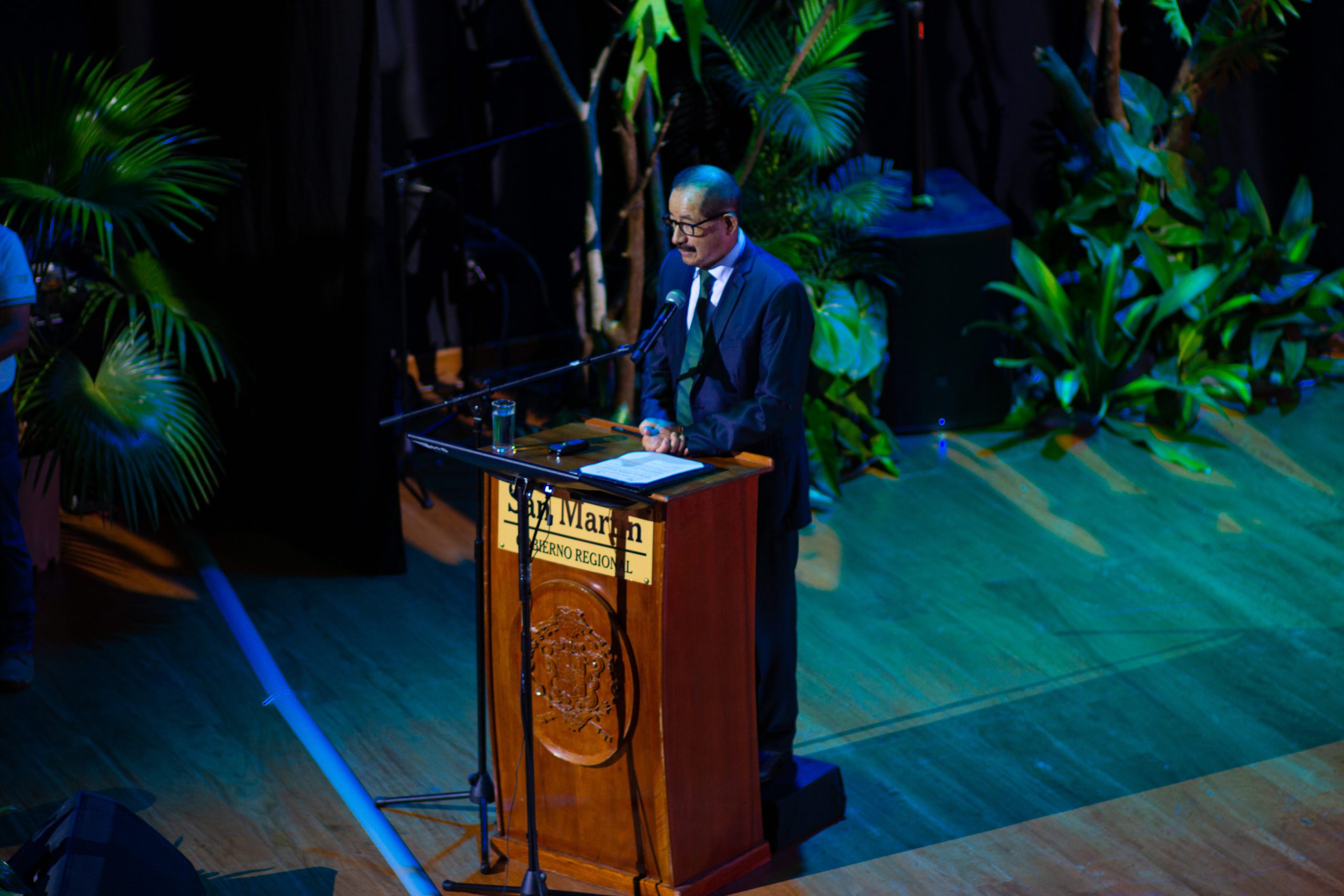
During the inauguration, Pedro Bogarín, regional governor of San Martín, announced his region's progress in the sustainable use of Amazonian resources, highlighting that they have 851,000 hectares of land designated for conservation and 151,000 hectares for economic activities. To achieve this progress, he emphasized the role of political decision-makers: “If those in power don't take the initiative to act, we'll spend all our time in meetings every year. If politicians don't use pragmatic tools based on a territorial approach, it's very difficult to move forward. Our mission is to provide well-being for the people, to boost the economy, to improve their quality of life in order to save the forests.».
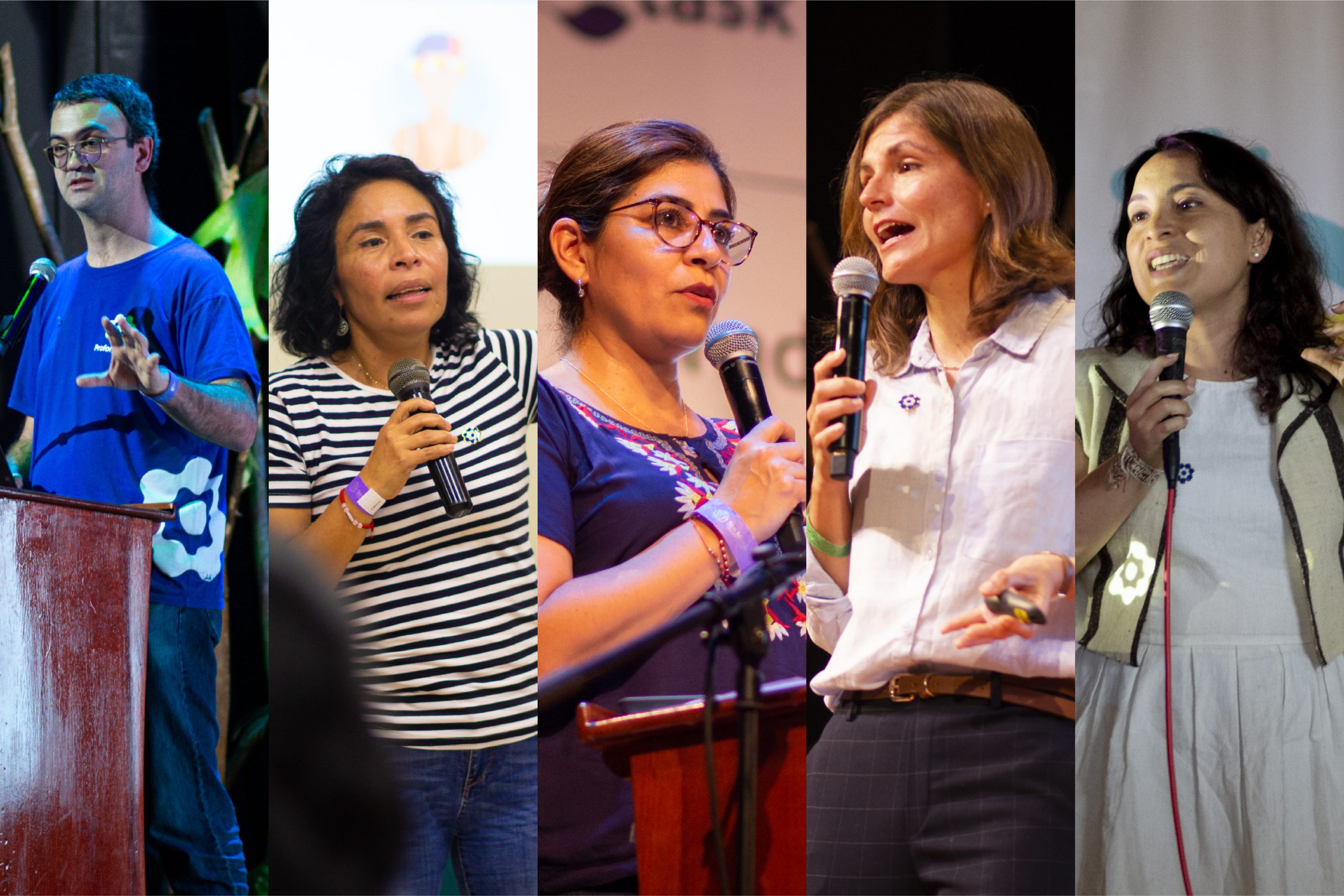
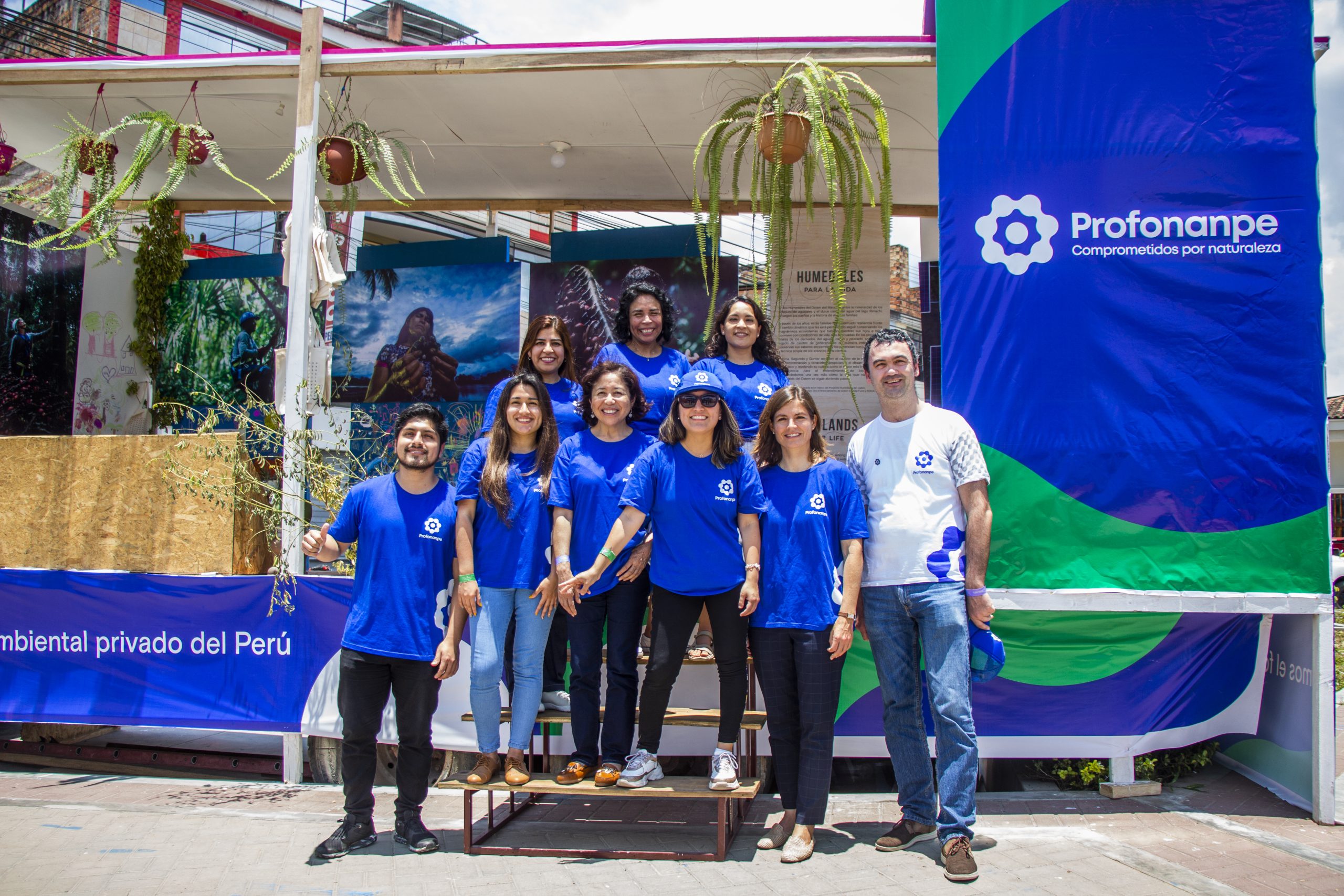
The meeting implemented various thematic tables that focused on the 4 main axes of Manaus Action Plan to 2030The topics covered included: people and communities; knowledge, technology, and innovation; finance, investment, and the private sector; and government and public policy. The objective of these roundtables was to exchange experiences regarding the work being done to promote the forest economy, its sustainability, and the recognition of Indigenous peoples' active participation in decisions about the future of their communities. The delegation from Profonanpe, Peru's environmental fund, along with Conservation International, led the organization of the "Finance, Investment, and Private Sector" roundtable, in which more than 15 national and international organizations participated. They shared their projects, challenges, lessons learned, and multisectoral funding opportunities to achieve a circular economy in the Amazon.
Also at the meeting, the San Martín Declaration was signed, committing 39 subnational governments from 10 countries, organizations, and cooperation agencies to reduce the impact of activities that cause deforestation and to seek opportunities for a sustainable forest economy in the Amazon region. This document represents the signatories' commitment to continue reducing deforestation; to develop partnerships with private and public sector initiatives; and to channel funds quickly and effectively to promote low-emission economic development for forest producers, farmers, ranchers, Indigenous peoples, local communities, and other stakeholders in the forestry sector. The eight signed commitments focus on scientific research, multi-sectoral participation, local community involvement, and the development of mechanisms to demonstrate transparency in the management of projects and initiatives.
The next meeting will be held in Yucatán, Mexico next year, and it is hoped that work will continue through this network to promote the global climate agenda.
About GCF Task Force
The GCF Task Force is an international organization working to protect the world's tropical forests, the climate, and especially the Amazon. It comprises 39 subnational governments from 10 countries and is currently co-chaired by the Governor of Yucatán, Mauricio Vila, and the Governor of San Martín, Pedro Bogarín. It is important to note that 7 of the 39 subnational governments that are members of the GCF Task Force are from Peru: Amazonas, Huánuco, Loreto, Madre de Dios, Piura, Ucayali, and San Martín.